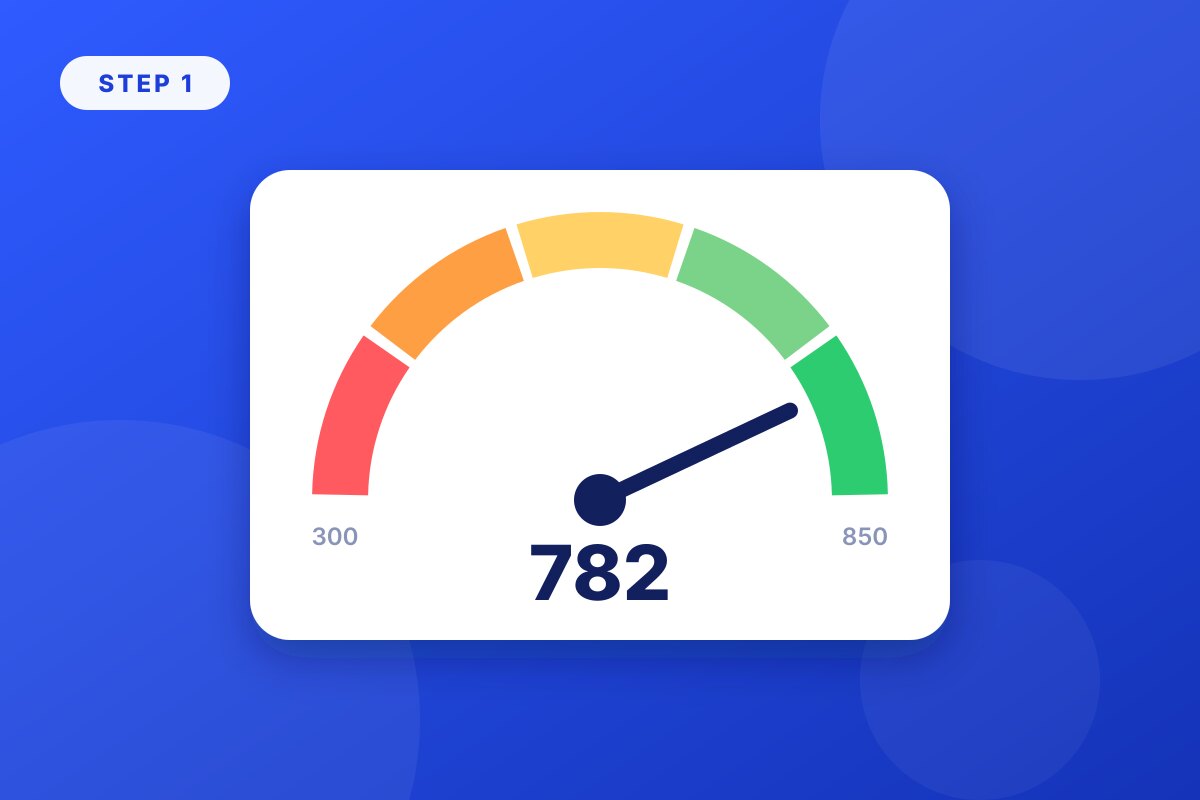
Before you compare welcome bonuses, lounge access or points per dollar, there is one number that decides which cards you can actually get: your credit score. It is the first thing a card issuer looks at, and it shapes everything that follows in your rewards journey. This first guide in our series explains what a credit score is, how it is calculated, and how to get yours in shape before you apply.
A credit score is a three-digit number that summarizes how reliably you have handled borrowed money. Lenders use it to estimate how likely you are to pay them back. The most widely used model is the FICO Score, which runs from 300 to 850. VantageScore, a competing model, uses the same 300–850 range but weighs some factors differently.
You do not have just one score. Each of the three major credit bureaus (Equifax, Experian and TransUnion) keeps its own report on you, and FICO and VantageScore each have several versions. That is why the score in your banking app can differ from the one a card issuer sees. Don't chase a single number; focus on the habits that move all of them in the same direction.
Every issuer sets its own approval standards, but as a rough guide on the FICO scale:
A score is not the only factor. Issuers also look at your income, existing debt and how many accounts you have opened recently, so a high score does not guarantee approval and a mid-range score does not rule it out.
FICO publishes the general weighting of the five categories it uses:
Paying on time is the single most important thing you can do. One payment that is 30 or more days late can drop a strong score sharply and stays on your report for up to seven years. Set up autopay for at least the minimum payment on every card, then pay the full statement balance yourself.
This is largely your credit utilization ratio: your card balances divided by your total credit limits. Using $3,000 of a $10,000 total limit is 30% utilization. Lower is better. Many experts suggest staying under 30%, and people with top scores often report under 10%. Because utilization is based on the balance your issuer reports, usually your statement balance, paying down a large purchase before the statement closes can help.
FICO looks at the age of your oldest account, your newest account and the average age of all of them. This is one reason not to close your oldest no-annual-fee card: it keeps anchoring your history.
Each application usually triggers a hard inquiry, which can lower your score by a few points for a short time. Opening many accounts in a short period also lowers your average account age. Spacing out applications matters for your score and, as we cover later in this series, for issuer approval rules.
Having both revolving credit (cards) and installment loans (car loan, mortgage, student loan) can help slightly. It is the least important factor, so never take on a loan just to improve your mix.
Checking your own credit is a soft inquiry and never hurts your score. There are two separate things to look at:
If you plan to apply for a rewards card in the next few months, a little preparation can make a real difference:
No credit history is not the same as bad credit, but it still makes approval hard. Common first steps include:
Six to twelve months of on-time payments on one or two simple cards is usually enough to start qualifying for entry-level rewards cards.
Credit card rewards typically return somewhere between 1% and 5% of what you spend. Card interest rates are commonly above 20% a year. Carrying a balance wipes out the value of any points you earn many times over. The entire strategy in this series assumes you pay your statement balance in full every month. If that is not realistic right now, a 0% intro APR card (covered in our guide on the cost of having a credit card) or a simple low-rate card is a better first step than a travel card.
Once you know where your credit stands, the next question is what a credit card can actually do for you. In the next guide, we cover the full range of credit card benefits, from fraud protection to travel insurance, so you know what to look for when comparing cards.
This article is for general information only and is not financial advice. Scoring models and issuer criteria change, so check current details with the bureau or issuer.