.svg)

Air India Flight Faces Major Delay After Captain Fails Alcohol Test in Vancouver
(1).jpg)
%20(1).svg)
A major air safety accident that took place in the Air India organization has been subject to international scrutiny as a Boeing 777 flight that had been departing Canada was held up after hours after a pilot was suspected to be unfit to fly. The incident that was witnessed at the Vancouver International Airport has led to inquiries by the Canadian aviation regulatory bodies and has brought more general concerns on the safety standards of airline operations and the responsibility of the crew.
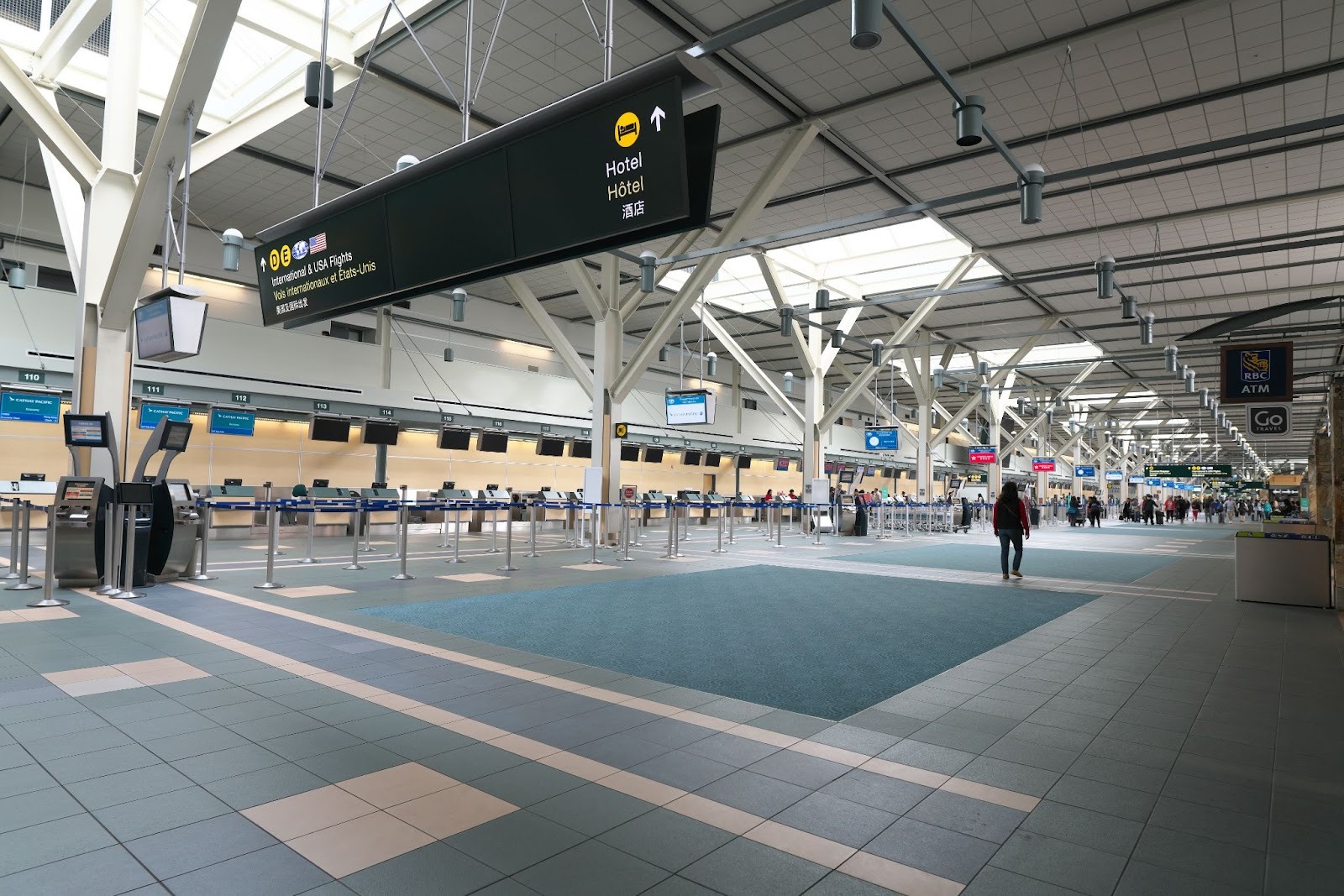
Incident Unfolds in Vancouver International Airport
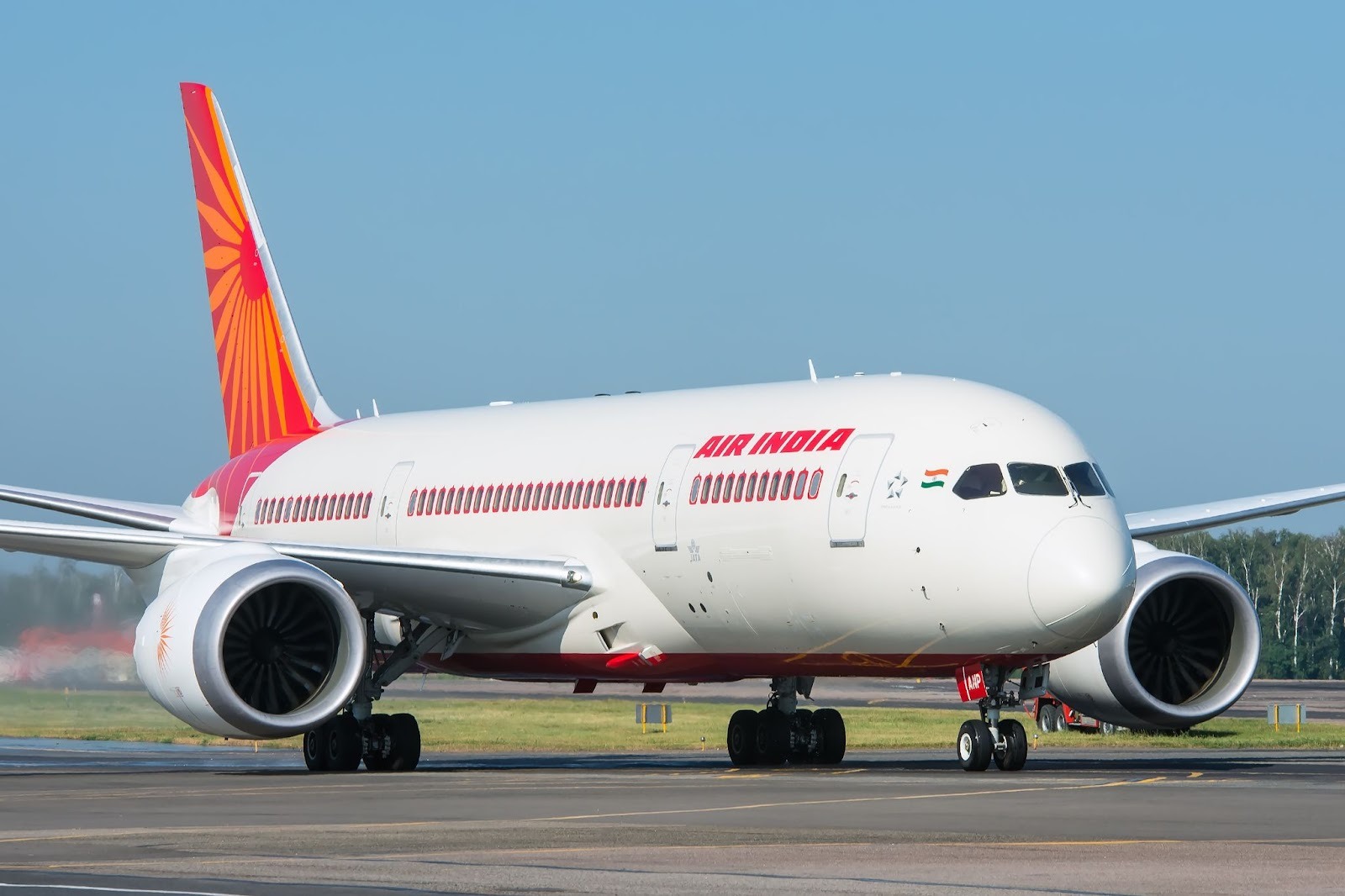
This happened on December 23, 2025, and it involved the Air India flight AI186, which was supposed to fly between Vancouver (YVR) and Vienna (VIE) and then to Delhi (DEL). The plane that was going on the route was a Boeing 777-300ER transporting hundreds of passengers in a long-haul widebody jet.
It was reported that the problem was revealed prior to the departure when one of the duty-free workers in the airport perceived that one of the pilots had the smell of alcohol in his breath. The employee, who was concerned about the implications, reported the issue to the airport authorities and this created an immediate reaction.
Two breathalyzer tests were carried out on the pilot by the local law enforcement officers who included the members of the Royal Canadian Mounted Police (RCMP). Both tests allegedly showed that the alcohol concentration in the blood of the said person was more than the legal limit, and he cannot be considered a flight duty person according to the Canadian aviation laws.
Direct Flight Effect on the Operational Change
After the authorities validated the failed alcohol tests, the pilot who was the captain of the flight was taken off duty. This move drove Air India to make operation-related changes at the last minute.
The takeoff would have been scheduled initially to leave Vancouver at around 3:00 p.m., but with the last minute shortage of the crew, the airline had to find another captain. In the end, the flight AI186 did not leave until after 10:00 p.m., which meant that it was delayed by almost seven hours.
Although this can be a very inconveniencing situation to the passengers, aviation experts have pointed out that finding a replacement pilot at short notice on an international long route is not an easy one. Airlines should make sure that the crews to be replaced are legally fit, medically fit and at reasonable duty-time limits.
Canadian Regulators require Answers
After the accident, Transport Canada, the aviation authority of choice in the country, officially approached Air India and the aviation department of India. Transport Canada in its communication pointed out that the incident was a possible breach of various sections of the Canadian Aviation Regulations (CARs).
According to the regulator, permitting a pilot to report to work when he is under the influence of alcohol is against high safety standards that are meant to safeguard passengers, the crew, and aircraft. Transport Canada also stated that the enforcement measures could be instigated against the pilot himself, as well as the airline itself, depending on the outcome of the investigation.
The authorities asked Air India:
- Carry out a complete in-house research under its Safety Management System (SMS).
- Provide remedial actions to avoid the occurrence of the same in the future.
- Fully cooperate with the Canadian enforcement agencies in the investigation.
Concerns on Alcohol limits and Detection
A fact that has not been clarified is the extent up into which the blood alcohol content of the pilot was above the legal limit when he was tested. Although any alcohol that can be detected by the flight crew members is not acceptable, members of the aviation profession also observe that there is a wide line between marginally impaired and seriously intoxicated.
Alcohol rules in transportation are also among of the most stringent rules that pilots face, and may need to be fully abstinent at least several hours before they can report to workload. Any traces of alcohol may cause termination, disqualification of license or even criminal punishment.
The fact that the problem has been detected not by the inspections conducted by the airline employees, but by an outer airport worker has attracted specific attention in this case. This has raised a question on whether current self-reporting and peer-monitoring programs used by crews are effective enough.
The Function of Third-Party Reporting
Safety campaign groups have commended the conduct of a duty-free worker who had reported the issue, which might have averted a disaster situation otherwise. Aviation is about the common responsibility and anybody including the crew, airport personnel or the passengers can present safety concerns without the fear of being punished.
Meanwhile, the incident has once again brought back criticism about what some have termed as a culture of silence amongst flight crews. It has been a question to the observers how a pilot would move through the lobbies of hotels, airport transportation and the checklists without one of his colleague noticing and reporting indications of impairment.
Although comradeship among the crew members is significant, specialists emphasize that safety has to be the priority always, even at the cost of making uncomfortable decisions.
Expansive Implications to Airline Safety
This accident is timely, as Air India has been experiencing an image transformation of high profile to enable them to modernise operations as well as enhance their global image. Any kind of safety failure, not to mention alcohol-related lapse, poses a risk to corroding the confidence of the public.
To the airline industry at large, the situation brings to the fore the significance of:
- Sound pre-duty screening processes.
- Well-defined reporting lines on safety issues.
- Intense alcohol and drug regulations.
- Ongoing training of the crew members on safety culture.
Regulators around the world take violations of alcohol very seriously since impairment may affect judgment, responding time, and decision-making which are very important in the aviation industry.
Trust and Passenger Experience
The flight Ai 186 suffered a lot of delays and inconvenience to its customers. Nevertheless, the majority of aviation specialists have accepted that any delay caused by safety interventions is always worthy.
Although this was inconvenience, the flight delay decision ensured that the aircraft only took off after there was a fully qualified and fit crew. Safety wise, this is the desired result of the system, but it is too late.
Final Thoughts:
The Canadian officials are currently asking Air India to give specific reasons after a captain of Boeing 777 was unable to pass alcohol tests before a long-haul flight had taken off at Vancouver. This led to a seven-hour delay, the inability to put the pilot back to work, and continued regulatory investigations.
The case also emphasizes the aviation safety rules that are zero-tolerant and the critical role that an eye would be sometimes raised in an unexpected person or place in ensuring that skies are safe. Regulators, as well as passengers, will be closely watching what actions are going to be undertaken so that such an incident does not occur one more time
DISCOVER THE RIGHT CARD FOR YOU.
Explore our card recommendations and find a credit card that suits your personal needs.
Browse card categories
%20(1).jpg)
.svg)