.svg)

American & Starlux Start Codeshare Loyalty Perks Next?
%20(1).jpg)
%20(1).svg)
Other airline alliances come out of the woodwork with a media frenzy. These stroll along a slither at a time. American Airlines and Taiwan's Starlux Airlines are right in the second camp, and the newest development is a worthwhile one: They're bringing a codeshare to the interline deal they signed in mid-2025.
So, if you enjoy traveling the Pacific and maxing your AAdvantage miles, here is what is, what isn't and what's next. This is the kind of thing that's important to know, whether you're on your way to Taipei or just reading airline news for entertainment.
Three Types of Cooperation Among Airlines Briefly Explained
Airline partnerships are available in flavors, and the distinctions count when it comes to determining how much to take with a grain of salt.
- Interline agreement: A single ticket, both airlines checked bags. This is the least official of all the relationships.
- Codeshare agreement: When one airline places its flight designation on another airline's plane and sells the seats as its own.
- Joint venture: The airlines agree on fares, schedules and revenue and essentially operate as one airline on the routes they serve.
It is now American and Starlux who have risen to the second rung. That's progress, but the third is a long way off. Just as it's not a marriage, but it's a transition from a handshake to a working relationship.
The Codeshare is Applicable Where the Codeshare Applies
Many people were first alerted to it by the aviation news site AeroRoutes and it's quite limited. American can operate codeshare flights on Starlux's service from Taipei (TPE) to Los Angeles (LAX), Ontario (ONT), San Francisco (SFO) and Seattle (SEA). Starlux's PHX service is not on the list for the moment, and that's a bit curious considering it's Starlux's service.
The other way goes as well. With the addition of American's domestic flights out of Los Angeles and Phoenix, Starlux can now offer seats to its passengers for onward flights to other cities in the U.S. which will make it "easier" for them to fly to other cities in the U.S. from Starlux.
In the real world a codeshare usually means you can locate and purchase these flights via the marketing airline's own website, without having to switch to another website. It's a minor tweak on the surface, but both airlines' timetables will be available to people that may not have checked them out.
Why American is Doing This
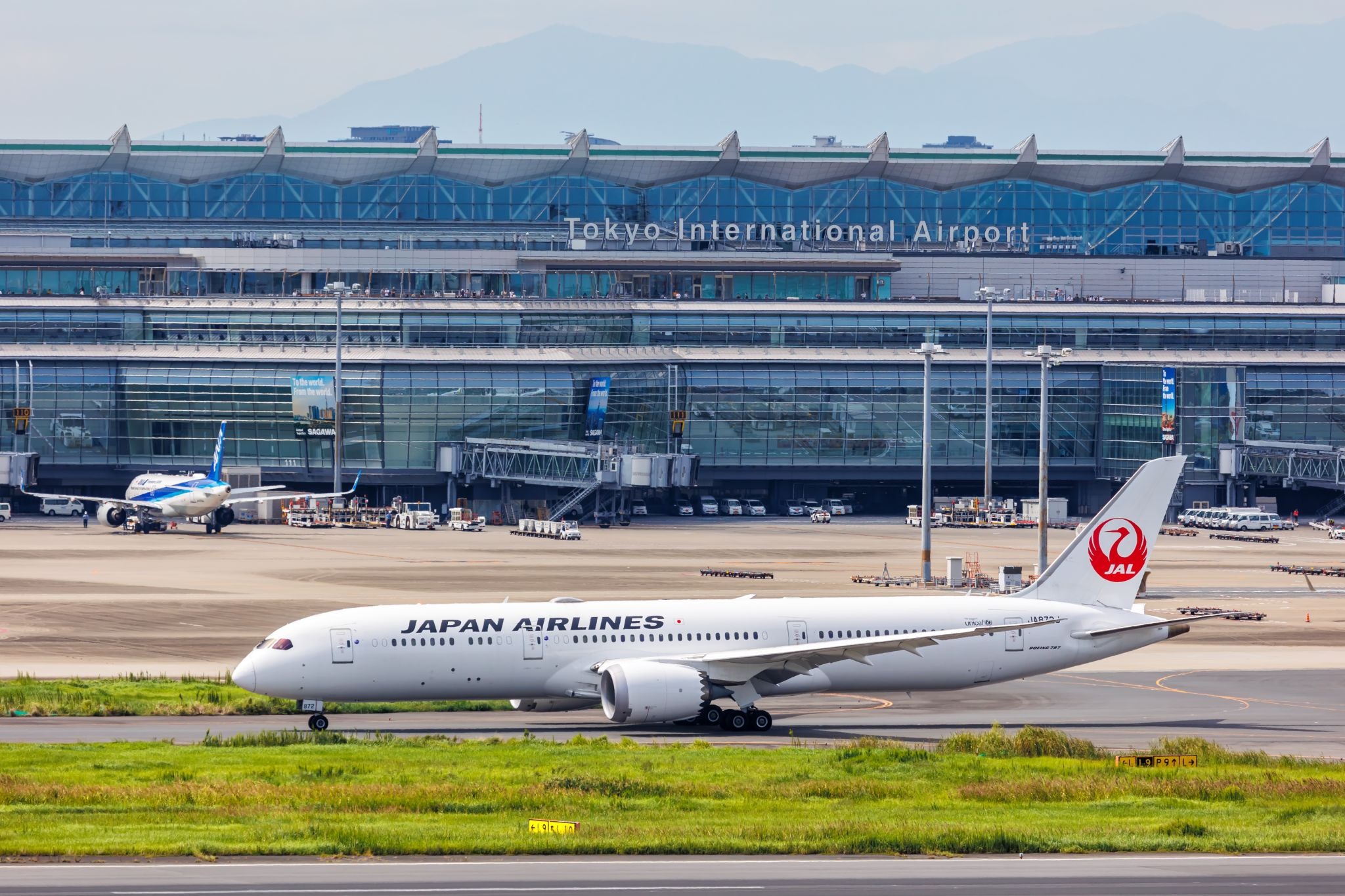
American's presence in Asia is very limited. The carrier does not have any direct service to Taipei, and it is tied up with Japan Airlines via a transpacific joint venture suitable for the carrier to direct Asia-bound passengers through Japan. The upside on revenue from a codeshare with Starlux is likely to be modest, then.
That joint venture is significant. If two airlines share revenue on the routes they operate, they both have an incentive to push passengers to the other airline and a Starlux itinerary doesn't fit into that scenario.
Nevertheless there is some sense in this. Customers demand choice on the other side of the Pacific, and even if that's not from American's own planes, the ability to offer bookings for Taiwan routes keeps the airline in the mix. In contrast, Starlux is a good new player that has a modern fleet and is expanding into the United States, and it's a good idea to have one of them.
It's not just the competitive angle, either. The airline isn't likely to be the first to offer an empty plane when its customer inquires about Taiwan, and a codeshare is the least-risky method to rectify that without acquiring an aircraft or entering into a new route.
The Oneworld Problem
Where things get politically knotted up. In the past, no one doubted that Starlux wanted to join oneworld, and it would seem on paper it would be a good fit. The other two full-service lines of Taiwan are already booked up: China Airlines is part of SkyTeam; EVA Air is part of Star Alliance. That leaves the oneworld as the natural home.
However, it is reported that Cathay Pacific has the veto power and is offering resistance as Philippine Airlines is on the verge of joining the alliance. Regardless of the reason, the result is that Starlux is on the outside looking in and American's currying of favor with him must come via bilateral means not through the alliance.It's a little of a mess for all parties, particularly for travellers who would want smooth travel and common benefits.
The Alaska Connection
There is another thread that should be pulled. There's a close working relationship between American and Alaska and Alaska already has a partnership with Starlux, including frequent flyer reciprocity. American does not run the same loyalty program as Alaska does, so I wouldn't expect it to simply mimic that. Nevertheless, it indicates that the pieces are already present in the same neighbourhood.
That is, Starlux has demonstrated its willingness to distribute loyalty perks with a large U.S. partner, and American has a close relationship with that partner.
How About Gaining and Redeeming Miles?
That's the most important aspect to most points-and-miles enthusiasts, and for the time being, nothing has been reported. Award availability and earning AAdvantage miles on flights via Starlux is not announced, and a codeshare does not automatically provide any of the two.
But I don't think I'd be surprised if it does, though. But American has something similar to a reciprocal loyalty pact with the other full-service partners in the alliance, via exception: Philippine Airlines is in a league of its own and is expected to join anyway. It would be somewhat strange if that's what Starlux did, with that track record.
In terms of what's best to do, the most sensible thing you can do is just wait for the information right now. When you see an American-coded Starlux flight, review Advantage partner earning charts and fare rules prior to booking. No taking for granted of credit miles or availability to use them until Americans say so. Premium options, such as elite qualification and bonuses (which is sometimes different with each partner) are also the same.
The Bottom Line
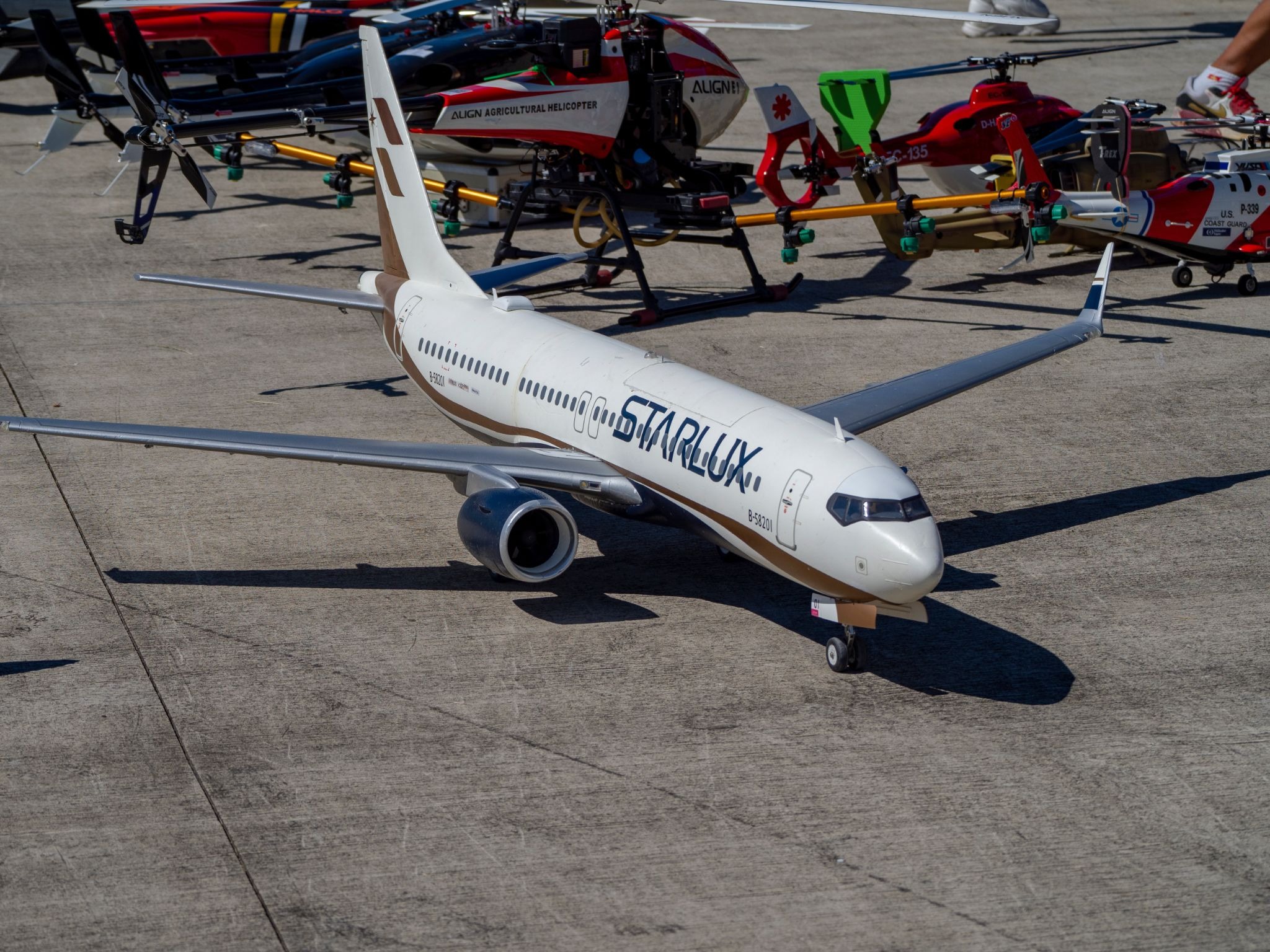
The two airlines have transformed from a simple interline agreement to a codeshare in less than a year in which each can offer the other's services on major routes. Good first step but no alliance, no joint venture and no (yet) loyalty partnership.
The oneworld roadblock won't be coming down anytime soon, so the best practical upgrade is a frequent flyer deal, which would be a very good deal for those that want to earn or spend miles between the U.S. and Taiwan. In the meantime, don't see the codeshare ending here, but rather as a good sign. In the meantime, watch newsletters coming out of AAdvantage, and if you have your heart set on Taiwan, do some comparison shopping before you make your reservations.
DISCOVER THE RIGHT CARD FOR YOU.
Explore our card recommendations and find a credit card that suits your personal needs.
Browse card categories
.svg)