.svg)

Are Hotel Loyalty Programs Really Ruining the Luxury Experience? Let's Talk About That
.jpg)
%20(1).svg)
One that is going about just now and is pretty much rocking the boat in the travel business is one that is well justified. The headline of a recent feature written by Air Mail, The Bonvoy Problem, includes one subheading that more or less explains the thesis of the article: Points programs are destroying the luxury-hotel experience. Is there nothing to prevent the freeloaders? Yes, you read that right. Freeloaders.
The point that is submitted is that hotel loyalty programs the very ones that hundreds of millions of travelers have developed their entire travel strategies on is somehow cheapening the luxury hotel experience because it is allowing the wrong type of guests to get their foot in the door. And although there is some grain of truth somewhere under that assumption, the whole impression is so startlingly pompous as to be well repaid.
What the Story Says, in Actuality
The article begins with a story of a hotel manager at a hyper luxurious hotel who during a confidential industry gathering gave a rant about the redeeming of points by guests. His complaint? The fact that some of them carried their own food, cleared off the minibar to put it there, and strap yourself wrapped sandwiches on the breakfast buffet to eat by the pool later.
His demand to make his property not subject to the rewards program of the hotel chain was rejected. And henceforth, the story constructs a case within which the point-redeeming customers of luxury brands have increasingly become a liability rather than an asset, but this is mainly due to the fact that the guests who earn the points are just not the same according to one anonymous high-end hotelier.
It is possible that the story postulates some solutions to this apparent crisis. World of Hyatt recently declared that the high-level redemption will rise to up to 45,000 points per night to up to 75,000 here presented as a move in the right direction. A similar praise is given to Hilton introducing a new level, the Diamond Reserve level, which entails spending 18,000 a year to receive the elite level benefits, to weed out the casual redeemer. And the final decision presented? Ditching points programs all citing the example of ultra-luxury brands such as Aman, Four Seasons, Mandarin Oriental, and Rosewood none of which operates a points program.
Another fact which is worth mentioning is that much of the ardent approval of social media was among travel agents. Makes sense, as travel agents are not commission-based when it comes to redemption of points. This is not a partisan commentary.
This is where the argument breaks down
To be explicit, the manner in which the points redeemers are framed as freeloaders is not only condescending; but it simply lacks the core concept of the loyalty programs and what the benefit of the latter actually is.
Points are never free. Each point that a traveler redeems was the real cost of using the credit card in which the cash back or other rewards were forfeited, through paid hotel stays that earned points over time, or calculated transfers of flexible currency programs. It is one thing to refer to that as a free stay; it is another to refer to a frequent flyer mile as free since the airline did not charge money to occupy the seat. Economics do not favour such framing.
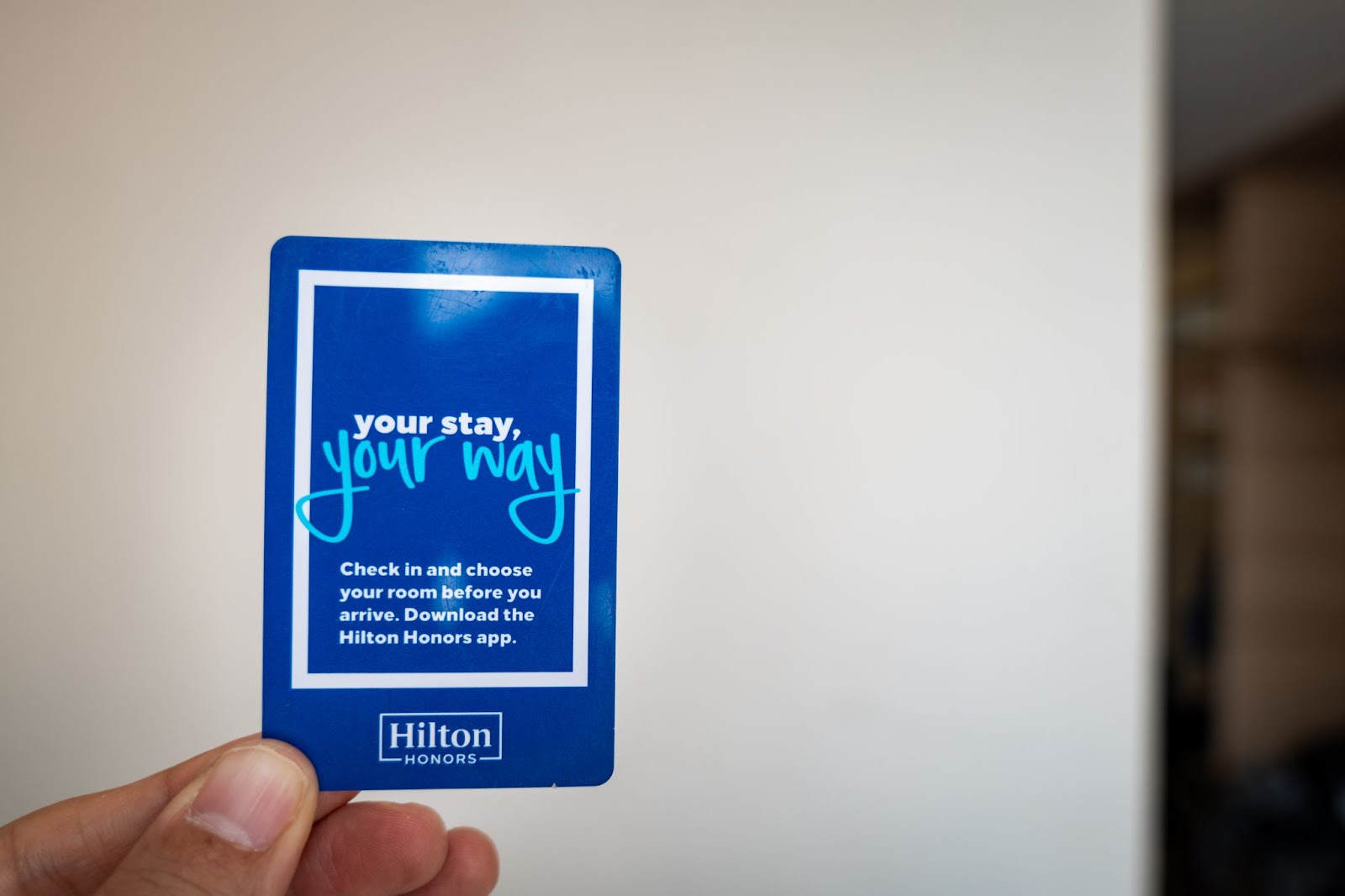
And the further irony is forged, these are the very redemptions that hotel chains waste massive marketing funds to promote. The number of members in Marriott Bonvoy is more than 200 million. Hilton Honors is not too far behind. The reason why these programs are available is the fact that they influence the booking behavior and create credit card co-brand revenue and ensure that travelers remain loyal to a brand family among hundreds of properties across the globe. Loyalty programs contribute a substantial amount of money to companies such as Hilton and Marriott not only due to the operations of the hotels.
The main issues with this point is ruining luxury hotels argument are:
- The redemption of points does not amount to free stay, and is actually deferred value that guests accrued by spending real money, at a high opportunity cost in many cases.
- It is highly contradictory that hotel groups are vigorous in marketing these programs reprimanding guests to redeem rewards that the hotel chain clearly promised them.
- Luxury independents thrive without loyalty programs as they do not offer substitutes such as Aman get their reputation based on the experience singularly, not on sieving out the bad guests.
- When the hotel proprietors do not like the economics of large scale loyalty program, then the answer is to drop out and not to fault the guests who joined in good faith.
The Real Problem Nobody Wants to Name
Here's the uncomfortable truth that the Air Mail piece dances around without ever quite landing on: many hotels want the best of both worlds, and that's where the tension actually lives.
They want the occupancy that comes from being listed in a massive global loyalty program. They want the direct booking advantage which carries significantly lower commission costs compared to online travel agencies. They want the brand association and the marketing muscle of a Marriott or Hilton umbrella. But the moment a guest walks in with a points redemption instead of a cash rate, suddenly that guest is a problem.
That's not the guest's failure. That's a hotel owner or manager who hasn't fully reckoned with what belonging to a major loyalty program actually means. And frankly, the option to leave is always on the table. Independent luxury properties rebrand away from major hotel groups all the time. If the economics of a points program don't work for a specific property, the path forward is straightforward.
What isn't straightforward or fair is collecting the marketing benefits of a program with hundreds of millions of members and then treating the people who engage with that program as an inconvenience.
The Sandwich Argument Doesn't Hold Up Either
Let's circle back to those poolside sandwiches for a moment, because the story uses that one anecdote to paint a broad picture of how points redeemers behave. It's a rhetorical move that doesn't survive much scrutiny.
Every loyalty program hotel, airline, coffee shop has a small segment of guests who push the boundaries of what's acceptable. That's not a points program problem; it's a people problem. Using the most extreme example of guest behavior to characterize an entire category of travelers is the kind of logical stretch that only works if your audience already agrees with the conclusion before reading the argument. Are people who redeem Starbucks Rewards for a free latte also freeloaders? By this logic, apparently yes.
The reality is that the vast majority of guests redeeming hotel points are experienced travelers who know how to behave in a hotel environment many of them far better than that, given how much time they spend in hotels every year. Elite status holders, in particular, are often among the most brand-loyal, high-frequency guests a property will ever host.
What You Should Really Steal in this Conversation
Take away the pretence, and the veritable conversation is in this case. There are incentive structures formed through the method of points programs that may cause certain hotels to cut corners on the basis of brand loyalty and status advantages instead of delivering quality service. The so-called points and status hamster wheel is a fact and it does occasionally enable the average of the average properties to ride on membership of the program instead of having to make them come back by doing a superb job.
That is a valid complaint about the functioning of some hotels in loyalty systems. However, it is not a criticism of the customers who attend hotels and claim the reward they had worked hard to deserve.
The Bottom Line

The discussion of loyalty programs destroying the luxury hotels goes completely wrong. The points redeemers is not some sort of a freeloader but a customer who participated in a program in the manner in which it was developed and promoted. It is not the guests behind the tension some luxury hotel managers experience, but rather the hotel owners who desire the commercial gains associated with a mega loyalty program, and fail to respect the ethos of what the said program alleges to the members.
In case any property feels that it will be better off without a loyalty program, the gateway is available. There are numerous outstanding independent hotels that have no one and manage to do all right. However, it is not a points issue to remain within the Marriott or Hilton ecosystem and be angry at the customers that the programs bring. It's a perspective problem.
DISCOVER THE RIGHT CARD FOR YOU.
Explore our card recommendations and find a credit card that suits your personal needs.
Browse card categories
.jpg)


.svg)