.svg)

Credit Cards Took a Sharp Turn in 2025: The Most Important Changes Travelers Need to Know

%20(1).svg)
The landscape of credit cards in 2025 didn't just evolve-it transformed. Card issuers have really upped their game with sweeping refreshes, entirely new product releases, and reworked benefits in ways that we haven't seen before. If you are a frequent traveler, points enthusiast, or just a day-in and -out spender, this is the year that reshaped how value is both earned and redeemed.
From a rising tide of ultra-premium luxury cards to merged airline programs and shuttered fintech experiments, 2025 had both opportunities and surprises. The most impactful credit card changes this year, and why they will matter going forward, are deep-dived into below.
Premium Cards Redefined What "Luxury" Means
Luxury travel cards crossed a new threshold in 2025. Rather than just airport lounge access and travel credits, issuers leaned hard into lifestyle perks, elite partnerships, and personalized value.
American Express led the charge with a redesign of its flagship products: the Platinum offerings. Annual fees reached new highs, but instead of trimming the benefits, Amex continued to expand them. Cardholders enjoyed broader hotel credits, increased digital entertainment allowances, richer retail partnerships, and wellness-oriented perks.
What shone brightest was a move toward lifestyle integration: fashion, dining platform, fitness technology, and curated hotel credits began to blur the lines between travel card and premium membership club. For active users of such benefits, value proposition increases; for a casual user, it may increasingly be tough to justify the rising cost.
That was similarly the case with the business-focused edition of the card, but that one aimed at a narrower audience; rewards only began to rise once higher spending thresholds were reached, further solidifying the trend of top-tier business cards being built for high-volume operators and not side hustles.
Chase to Reposition Flagship Sapphire Line
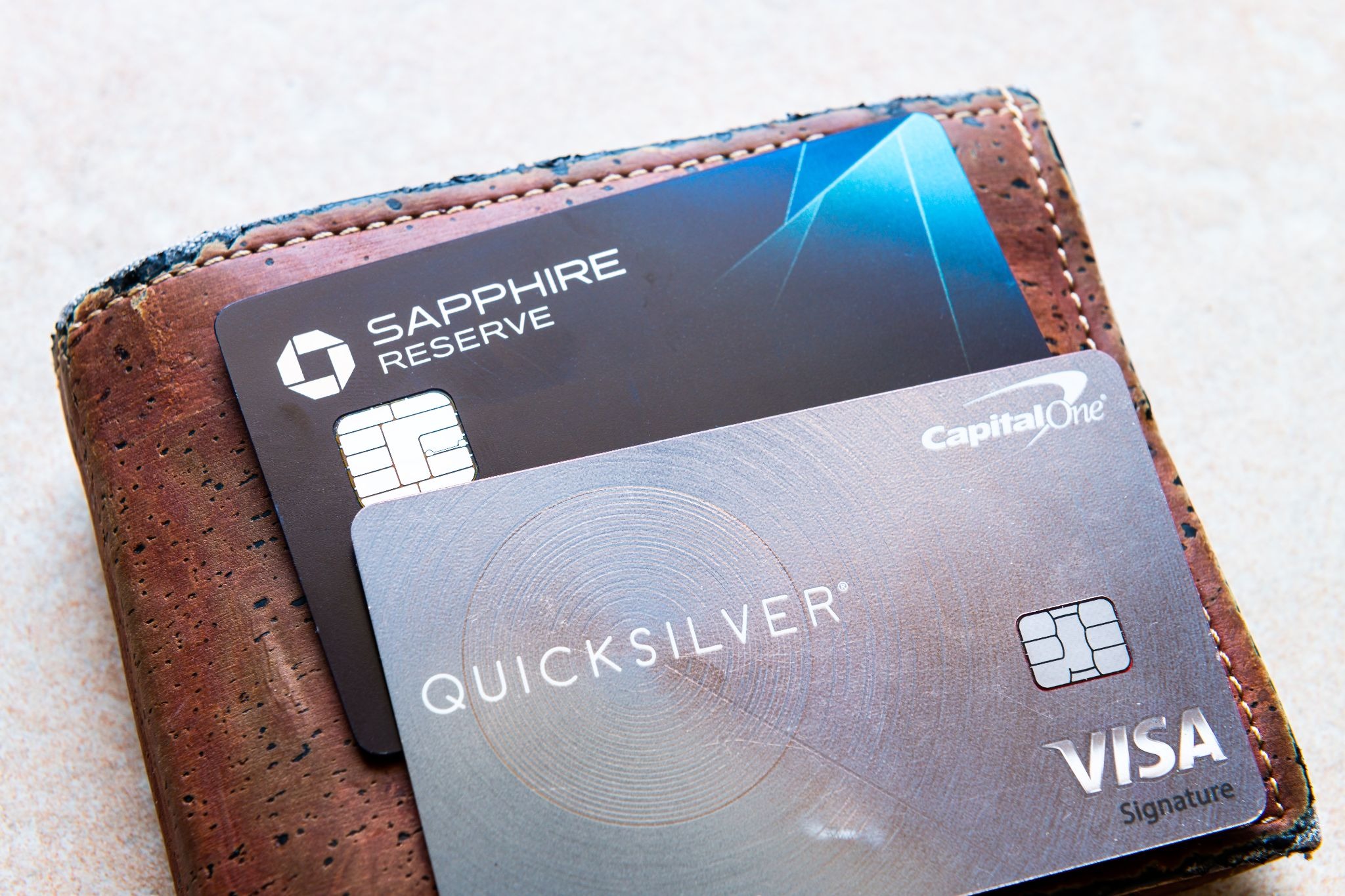
Chase did not sit around while the competition raised the bar. In 2025, Chase greatly expanded its Sapphire ecosystem in both physical presence and card offerings.
It also opened new airport lounges in major hubs, further enhancing Chase's ability to more directly compete with American Express for the premium lounge space. Meanwhile, Chase reworked the earning structure and perks of its top-tier Sapphire card.
While the annual fee greatly increased, the card added new luxury hotel credits, dining access, event-related perks, and transportation benefits. Earning rates changed, too, favoring portal bookings and direct travel purchases differently than in the past. That change rewarded certain travel behaviors at the expense of others, which made card strategy more important than ever.
Perhaps the biggest headline was the introduction of a Sapphire-branded business card: Chase's most aggressive move yet into the premium business travel segment. It was clear the card was designed to immediately challenge the established leaders in the business travel space, thanks to strong earning categories, advertising bonuses and a long list of statement credits.
Citi Quietly Made a Major Comeback
For a very long time, Citi has been the underdog in the world of transferable points. That changed in 2025.
The addition of a new card family brought some much-needed life into Citi's lineup. It launched a no-annual-fee option which gained attention due to its flexible points earning-very unusual without a fee. At the other end of the spectrum, Citi dove back into the premium card market with a competitively priced luxury option.
What really set Citi apart, however, wasn't about the earning rates or credits; it was the strategic partnerships. To this day, Citi remains the only major transferable points program offering a direct 1:1 transfer option to American Airlines. For travelers loyal to that airline, this one feature may very well even out higher fees elsewhere.
Citi's return to relevance means a more competitive future, especially for travelers who want flexibility without committing to the most expensive cards on the market.
A New Airline Rewards Program Changed the Game
Airline credit cards are generally pretty predictable, but in 2025, a surprise came our way.
When two of the largest airline loyalty programs in the business finally completed their merger, a single rewards system emerged and, with it, three new credit cards. Between the premium traveler down to the casual flyer and the small business owners, these cards will have something for everyone.
Of course, what really differentiated the cards was the reasonable fees, companion ticket benefits, lounge access, and partner redemption options. Pricing for awards was competitive, and early adopters quickly integrated the program into their strategies for travel.
This launch also marked the end of legacy airline cards from previous issuing banks-closing one chapter while opening another. To West Coast-based travelers, or those flying international partner airlines, this new ecosystem became one of the most attractive airline rewards options almost overnight.
United Airlines Credit Cards Became More Complex-and More Demanding
In 2025, United rebooted its entire portfolio of credit cards, offering higher annual fees and more comprehensive benefits on most cards.
On paper, it sounded exceedingly generous: travel credits, lifestyle perks, elite-qualifying opportunities, and award flight discounts. In reality, many of these benefits had major asterisks: monthly credit structures and spending thresholds required careful tracking, and some perks only unlocked after large annual spend.
This new structure can have real value for the loyal United flyers-at least for those chasing elite status. For the less frequent travelers, though, this added complexity might outweigh the benefits.
The refresh spotlighted a growing trend: airline cards are becoming more powerful, but at the same time increasing their requirements.
Bilt Rewards Expanded Rapidly While Preparing for a Major Shift

In 2025, Bilt Rewards continued its stellar ascent to cement its position as one of the most versatile points programs out there.
New transfer partners, retail collaborations, and shopping integrations made it easier than ever to earn and redeem points. The program even announced plans to officially allow earning of points on mortgage payments-a feature that could redefine everyday rewards when fully implemented.
But behind the scenes, big changes were afoot: Bilt confirmed it would be moving off its original banking partner, closing new applications temporarily while readying a next-gen card lineup.
All existing members remain covered through the transition, but the move has underlined how swiftly fintech-driven rewards programs can shift. That uncertainty notwithstanding, the growing ecosystem at Bilt made it one of the most discussed loyalty programs of the year.
Final Thoughts:
The credit card shake-up of 2025 showed a clear shift toward higher fees paired with more personalized, lifestyle-focused benefits. Premium cards now reward active users far more than casual ones, while airline and rewards programs have become both more valuable and more complex.
The key takeaway is simple: there is no single “best” card anymore. The right choice depends on how you travel, spend, and manage benefits. As these trends continue into 2026, staying informed and reassessing your strategy will be crucial to maximizing value.
DISCOVER THE RIGHT CARD FOR YOU.
Explore our card recommendations and find a credit card that suits your personal needs.
Browse card categories


%20(1).jpg)
.svg)