.svg)

EU–Qatar Aviation Pact Faces Renewed Scrutiny After Ethics Controversy
.jpg)
%20(1).svg)
One of the biggest aviation deals between the European Union and Qatar is coming under new criticism following the revelations that one of the top EU officials who were involved in the deal accepted free business class flights with Qatar Airways. The scandal has rekindled the debate on transparency, level playing, and the impact of the rich Gulf states on the European aviation policy.
Labor unions, pilot unions, and even sections of the airline industry are now requesting the European Union to freeze or halt the deal until issues of corruption are totally investigated. Although the agreement was initially hailed as a landmark in global aviation collaboration, its critics believe that it can have provided the lopsided benefits and had some serious ethical issues.
This is a full picture of the situation, what is in question, and why this issue is a challenge to the future of European aviation.
The Pact that Transformed the Gates to the market
The EU, Qatar Comprehensive Air Transport Agreement was meant to open air travel to the two regions. The discussions also commenced in the middle of 2010s, and the agreement was concluded a couple of years later as the first EU-wide aviation agreement with a Gulf country.
In their straightforward terms, the deal enables Qatari and EU airlines to have a wide access to the markets of each other. Carriers are no longer limited to political and regulatory hurdles before launching routes as long as they acquire airport slots.
Theoretically, this enhances competition, increases consumer choice, and increases economic relationships. Nonetheless, some European stakeholders were concerned at the beginning that the deal was going to favor Qatar Airways more than it should have.
The Controversy on Ethics arises
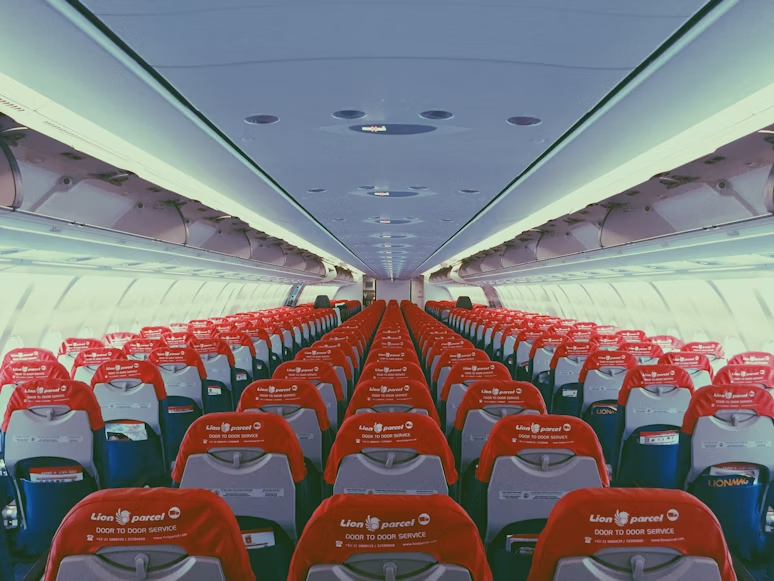
As the negotiations entered high gear, there were reports that a top EU transport official handling the talks had accepted free business class flights and hotel respite associated to the Qatar Airways. These advantages were reportedly given when talks on the deal were being held.
Even though the officials of the EU at first did not want to publicly identify the person, several publications could recognize the official as one of the former senior officials of the Commission transport section. The individual eventually turned out to have quit work on grounds of breaching the ethics code.
This turn changed the policy discussion to one of integrity. The fact of a party have direct contact with negotiations directly makes accepting high value traveling subject to easy questions of conflict of interest.
To the critics, the point is not solely on the actions of one official but also on how such circumstances might affect the high-level decision-making.
A Question of Competitive Balance
The first criticism is that it seems that the agreement is more beneficial to Qatar than to European airlines. Qatar Airways gets the opportunity to penetrate the 27 EU member states with comparatively minimal limitations.
European carriers, in their turn, might be less interested in expansion to Doha. The demand profile does not match and the competitive environment in the Gulf region may pose a challenge to the foreign airlines.
This has created an unbalanced playing ground leading to arguments that the deal levels the playing field unevenly. Qatar Airways has good state support and strategic geographic location that links Europe, Asia, and Africa. European airlines do not have such structural benefits to compete.
A Comparison between Qatar Airways and Other Gulf Carriers
This can be further explained in the comparisons between Qatar Airways and other airlines in the Middle East. Other Gulf carriers are under bilateral agreements that are older which highly restrict the number of cities they can operate in some countries in Europe.
As an illustration, some airlines have been in the long term pursuing a wider reach to the sizeable European markets yet are limited by government-to-government contracts. These restrictions tend to limit the number of destinations or frequencies to be utilized.
Critics have suggested that along with this special access should be equally guaranteed fairness and transparency.
The Shadow of Past Scandals
The said controversy is also set against the background of earlier corruption scandals of alleged foreign interventions in EU institutions. One of the most high-profile scandals a couple of years ago made the headlines of international media and resulted in arrests and warning signals in relation to the risk of lobbying and bribery.
Though that case went beyond the sphere of aviation, it increased the awareness regarding the relations between the officials of EU and foreign states. Consequently, any new claims, in particular, claims of valuable gifts or travel, will receive critical attention.
The moral of the story to most viewers is that even the impression of inappropriate influence can be harmful to the reputation.
Why the Deal Still Stands
Although there has been a furor, the EU-Qatar agreement was not recrown. It is still tentatively in force, that is, it works as long as some legal and political procedures are going on.
It is complicated to suspend or cancel such a deal. It is associated with diplomatic factors, economic aspects and law. The agreements in the aviation sector are not easily reversed within a short period since they touch on the airlines, airports and passengers.
Nevertheless unions and industry blocs are pressuring the member states to withdraw their backing. When the number of countries that protest is high, the future of the agreement might be in doubt.
The Consumer Perspective
On the part of a traveler, there are possible advantages of the agreement. More competition can mean:
- Lower fares
- More route options
- Better service quality
- Increased connectivity
The Qatar Airlines product is well-known as a high-end one, and the increased accessibility will help passengers who are interested in high-quality international travel.
Nevertheless, goodwill of the consumers should be put against ethical regulation and healthy competition. The policy makers need to trade off between cost and responsibility.
The Bigger Picture: Aviation and Diplomacy
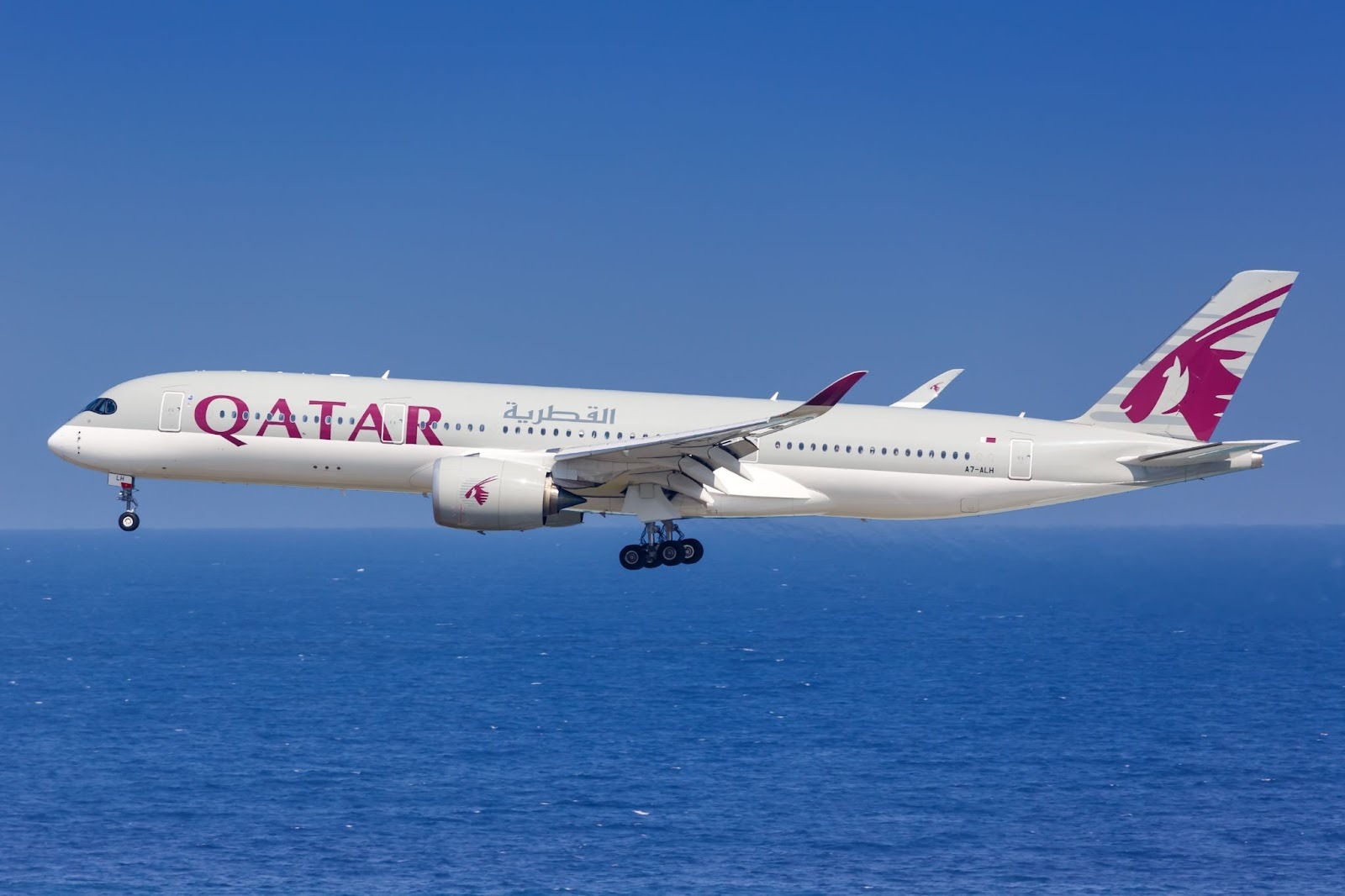
International air service agreements are never just about flights. They are also instruments of diplomacy and economic strategy. Countries use aviation policy to strengthen trade, tourism, and political ties.
Gulf nations, in particular, have invested heavily in aviation as part of broader economic diversification plans. World-class airlines help position their hubs as global connectors.
For the EU, partnerships with Gulf states can support economic goals but they also require careful oversight to ensure transparency and fairness.
What Happens Next?
The future of the EU–Qatar aviation pact will likely depend on ongoing investigations and political pressure. Possible outcomes include:
- Continued provisional enforcement
- Renegotiation of certain terms
- Temporary suspension
- Stronger ethics safeguards in future deals
What seems certain is that scrutiny will remain high. EU institutions face growing expectations for transparency, especially in agreements involving powerful foreign partners.
Final Thoughts
The controversy surrounding the EU–Qatar aviation agreement highlights how closely ethics and policy are intertwined. Even well-intentioned agreements can come under fire if questions arise about how they were negotiated.
For the European Union, the challenge is maintaining credibility while managing international partnerships. For airlines and workers, the focus is on fair competition and market balance. For travelers, it’s about access and value.
As investigations continue, the debate will likely shape how future aviation agreements are handled not just in Europe, but globally.
DISCOVER THE RIGHT CARD FOR YOU.
Explore our card recommendations and find a credit card that suits your personal needs.
Browse card categories
%20(1).jpg)
.svg)