.svg)

Hotels or Homestays? What Years of Travel Taught Me About Safety, Comfort, and Real Connection
%20(1).svg)
After years of constant travel, hotel rooms started to feel interchangeable to me. The crisp white sheets, the quiet hum of air conditioning, the polite smile at check-in. It’s comfortable, efficient, safe. But somewhere along the way, I realized that comfort can sometimes come at the expense of connection.
That’s when I began mixing in homestays. A spare bedroom in Tokyo. A sunlit apartment in Florence. A relaxed suburban home outside Sydney. A tiled courtyard house tucked into the old streets of Marrakech.
People often ask me if it’s safe. It’s the first question, almost every time. And the answer, after all these years, is more nuanced than a simple yes or no.
Is a Homestay Really Safe?
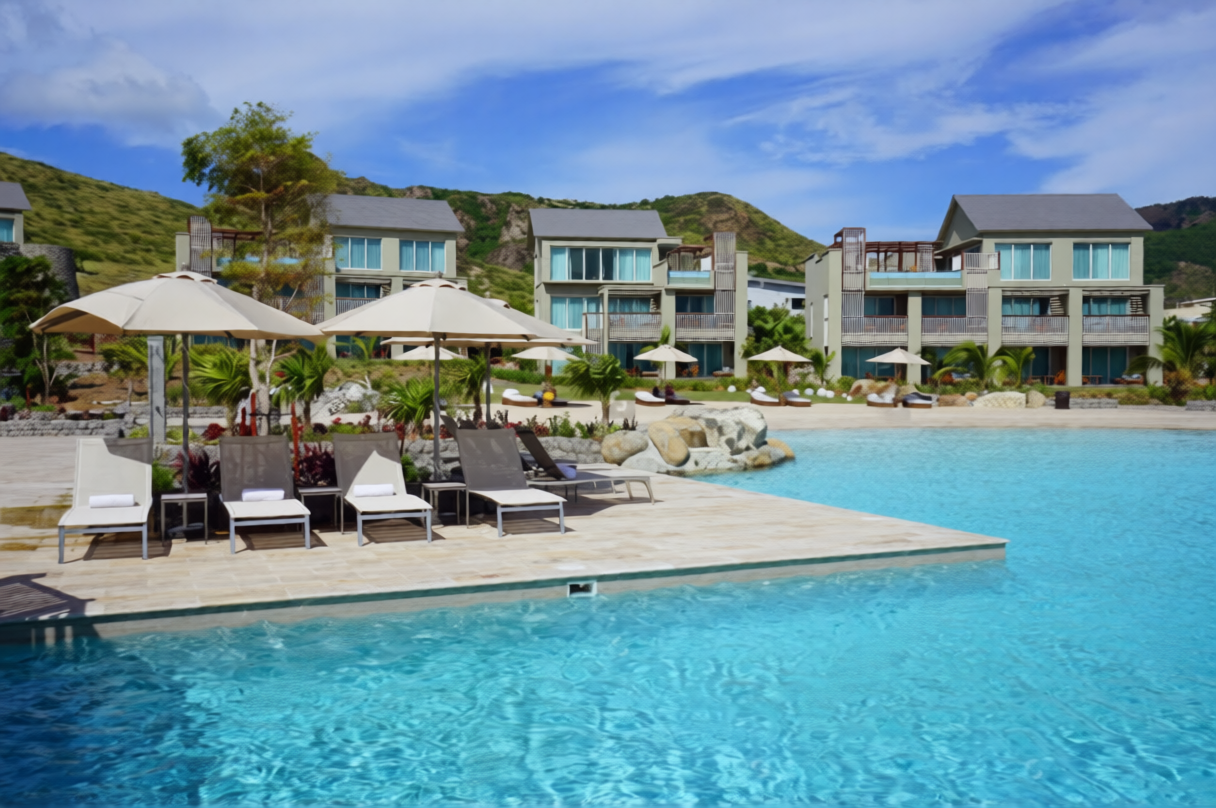
Hotels come with structure. There’s a front desk, cameras, security protocols, a clear chain of accountability. In most developed cities, established hotels operate under strict regulations. If something feels off, there’s someone to call.
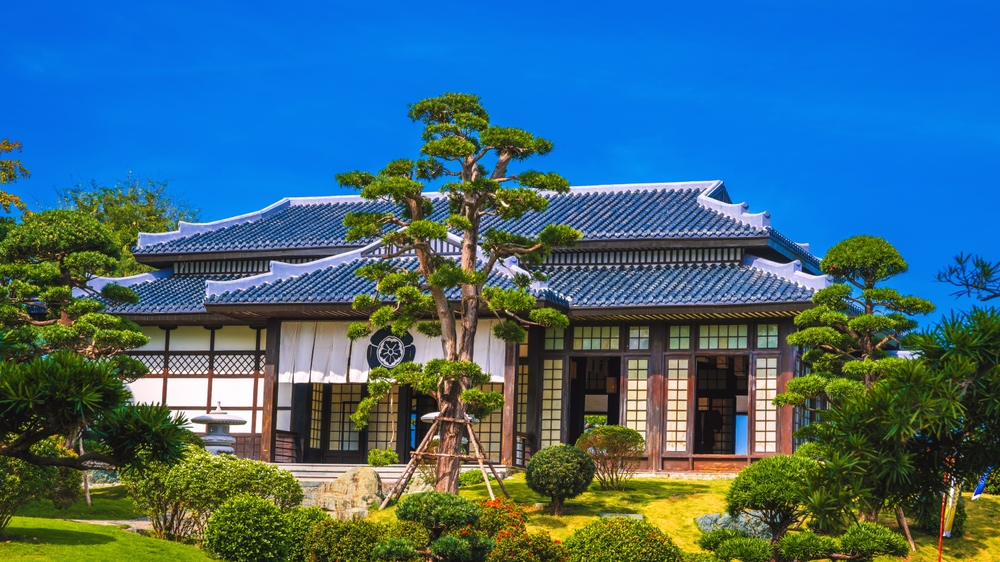
Homestays feel different because they are personal. That can actually make them feel safer in some ways. In Japan, for example, the overall crime rate is extremely low compared to much of the world. During my stay in Tokyo, my host casually left the front door unlocked during the day. I walked home late at night without that tightness in my shoulders that I sometimes feel in other major cities. The sense of security wasn’t performative. It was simply normal.
But safety in a homestay depends heavily on how you book it. When I’ve gone through reputable platforms or organized cultural exchange programs, communication has been clear, expectations outlined, and reviews transparent. That structure reduces uncertainty. On the other hand, I once booked an independent rural homestay elsewhere in the world with minimal online presence and vague instructions. Nothing dangerous happened, but the lack of clarity alone created stress.
Hotels win on standardized security. Homestays can feel just as safe, especially in countries with strong social trust, but they require more diligence upfront. Reviews, verified hosts, clear communication, and trusting your instincts matter everywhere.

The Rhythm of Daily Life
The biggest difference is not safety. It’s rhythm.
In Japan, daily life with a host family carried a quiet structure. Shoes off immediately at the entrance. A specific time for the bath. Dinner served together at the table, not grabbed on the go. Nothing was forced, but there was an unspoken understanding that sharing the evening meal was part of the experience.
At first, I worried about being a burden. I only knew basic Japanese. Simple greetings, polite phrases, a handful of verbs. But effort goes a long way. My host family appreciated every attempt. We relied on translation apps, hand gestures, and laughter when words failed. Those dinners, with their gentle pauses and small misunderstandings, became the most meaningful part of my stay.
In Florence, things felt looser. My host treated the arrangement almost like a boutique guesthouse. We chatted in the mornings over coffee, but I came and went freely. There was no expectation of shared meals unless it was clearly invited.
Sydney felt even more relaxed. It was closer to staying with extended friends. Marrakech brought its own warmth, with shared tea and long conversations in the evenings, yet there was still space to retreat to my room when I needed quiet.
The formality of a homestay depends less on the country and more on the household. Japan tends to have a more structured domestic rhythm, but even there, families differ. The key is asking questions beforehand about meals, curfews, and independence so expectations are aligned.
The Language Question
Many people hesitate because of language. I understand that. Living inside someone’s home feels more intimidating than checking into a hotel where interaction can be minimal.
In Japan, my basic Japanese was enough. Politeness carries weight in everyday life there. A simple thank you in the local language opens doors. Translation apps bridge the rest. The hardest part is not vocabulary but nuance. Humor, tone, subtle cultural references. That takes patience on both sides.
In countries where English is widely spoken, the barrier is usually smaller. In Sydney it was effortless. In Florence and Marrakech it required more effort but remained manageable. What matters most is willingness. A homestay asks for emotional energy. If you’re completely drained from travel, that effort can feel heavier than it should.
Privacy and Personal Space
Hotels offer complete autonomy. You can disappear into your room, order food at midnight, and never explain your schedule to anyone. That independence is powerful.
Homestays require awareness. You are inside someone else’s space. Even with a private bedroom, you share walls, kitchens, and routines. There were moments when I longed for the simplicity of closing a hotel door and shutting the world out. In a family home, disappearing without a word can feel impolite.
Yet that shared space is also what creates connection. I’ve learned about neighborhood festivals, hidden restaurants, and daily customs I would never have discovered from a concierge desk. The tradeoff for privacy is perspective.
When I Choose Each One
If I am traveling for work, racing through meetings, or arriving severely jet lagged, I choose a hotel. Predictability becomes a gift in those moments.
If I am traveling slowly and want cultural depth, I choose a homestay. Especially in Japan, where everyday rituals are so thoughtfully practiced, staying with a host family reveals layers of life that hotels simply cannot show.
After years of alternating between hotel lobbies and family dining tables, I no longer see it as a safety comparison. It is a personality choice. Hotels protect your independence and energy. Homestays invite you into someone else’s world.
Both are safe when chosen wisely. Both have risks if booked carelessly. The real question is not whether one is safer than the other. It is what kind of experience you want. Some of my most memorable travel moments did not begin at a reception desk. They began at a dinner table, fumbling through a new language, realizing that stepping slightly outside my comfort zone is often where travel feels most alive.
DISCOVER THE RIGHT CARD FOR YOU.
Explore our card recommendations and find a credit card that suits your personal needs.
Browse card categories
.jpg)

.svg)