.svg)

Is Delta’s Reputation for Reliability Slipping as United Closes the Gap?
.jpg)
%20(1).svg)
For years, Delta Air Lines had stood in a category of one among carriers, with prestige based on punctuality, consistency, and operational discipline. The airline leaned hard into this identity-so much so it famously branded itself as "The On-Time Machine." Lately, though, performance trends would suggest that Delta's long-held advantage in reliability just may be less secure than it once was.
Newly available operational data would indicate that United Airlines-which not all that long ago trailed Delta by a country mile in both on-time performance and completion rates-may not only have caught up but in some areas taken the lead. Though final government statistics tell the whole story, early indications raise an important question: Has Delta lost one of its biggest competitive advantages?
Delta's reliability legacy did not happen by accident
The beginnings of Delta's rise as an operational leader go back to former CEO Richard Anderson, who viewed reliability as the surer long-term route to customer loyalty. The equation was straightforward: business travellers might forgive dated cabins or a relative paucity of amenities, but rarely do they forgive missed connections and canceled flights.
Under Anderson's direction, Delta invested heavily in:
- Operational plans
- Maintenance discipline
- Crew scheduling resilience
- Data-driven decisions
The payoff was huge-Delta consistently ranked first in the industry in on-time arrivals and completion factor, sometimes by a wide margin.
A good example was the 2018 record of 243 consecutive days flying without canceling one single mainline flight. Sure, many flights were very delayed to preserve that record, but the broader message was clear: Delta is committed to getting flights off the ground.
New Data Suggest Gap Has Narrowed or Reversed
Recent year-to-date figures, however, from respected aviation analyst JonNYC paint a very different picture. Merging mainline and regional operations - weighted with more importance towards mainline flying -
- United Airlines canceled 1.15% of flights.
- Delta Air Lines had a 1.22% cancellation rate.
That might sound like a small difference, but in an industry of thin margins, where reputations are built on fractions of a percent, the implications are meaningful-especially given Delta's dominance in this area historically.
If one examines the month-to-date performance at New York–area airports some of the most operationally challenging anywhere in the U.S. the disparity becomes all the more pronounced:
- Delta reportedly canceled 5.08% of seats.
- United canceled 1.55% of seats
- JetBlue cancelled 4.10 % of seats.
Falling behind United in New York is bad enough for Delta. But trailing JetBlue-a carrier hardly known for its operational reliability-is far worse.
Considering these findings are not officially published data from the Department of Transportation, it is the track record of JonNYC that gives immense credibility to these findings. Even allowing for some methodological debate, the broader trend is hard to ignore.
United's Operational Comeback is No Longer Hypothetical
A decade ago, it would almost be unfair to compare United's reliability with that of Delta: United struggled with delays and cancellations; system-wide disruptions, while Delta operated with near clockwork precision.
- That gap has steadily narrowed, however.
- United has spent years
- Overhauling legacy IT systems
- Investment in Technology to Enhance Crew Scheduling
- Operations Centre modernization
- Rebuilding Trust after a Major Operational Failure
Results appear to be paying off. The improved reliability at United would indicate a carrier that has learned from past missteps and is committed to operational excellence as one of its key strategic priorities-not just a marketing slogan.
Why Delta's Advantage May be Eroding
Most of the causes seem to overlap, so its operational distinction in relative decline does not appear to be the result of any single cause.
1. Workforce Changes after the Pandemic
Like most airlines, Delta lost a substantial amount of talent early in the COVID-19 pandemic related to early retirements, voluntary separations, and hiring freezes that restructured the workforce.
- It follows that
- The average tenure amongst employees is lower.
- Institutional knowledge is lost.
- Corporate culture has changed.
Operational excellence often relies on experience and judgment that takes some time to rebuild.
2. Shift in Leadership Focus
Another factor that may be pertinent is leadership style: Richard Anderson was generally viewed as a behind-the-scenes operator, someone who created systems that worked rather than one who sought the limelight.
Where the current CEO, Ed Bastian, is quite outward-facing, Delta has increasingly focused on:
- Brand Partnerships
- Lifestyle Positioning
- High-profile marketing campaigns
- Executive visibility at large events
None of this is inherently wrong. But critics say brand storytelling is no substitute for operational basics, and that reliability demands relentless, almost compulsive attention to detail.
3. External Pressures Beyond Airline Control
Operating performance today is influenced also by factors beyond the full control of the airlines, including:
- Staffing shortages among air traffic controllers
- Increased Congestion at Major Hubs
- Weather Volatility
- Infrastructure limitations
These are general problems in the industry; some of them affect all airlines, though those with thinner buffers-or less redundancy-might feel the impact most strongly.
Reliability is no longer a clear differentiator
For years, Delta had been credibly able to claim that it was meaningfully more reliable than its competition. That claim helped justify premium pricing, reinforces loyalty, and strengthens brand trust.
- Today the landscape is different.
- Though Delta remains, by most global standards, a very strong operator, evidence would suggest that
- United has largely closed the reliability gap.
- Delta is no longer the sole leader.
- Operational excellence will continue to be table stakes, not a differentiator.
The selection of airlines by travellers in the future will increasingly be based on other differentiators like network breadth, pricing, loyalty benefits, or onboard product, rather than on anything to do with assumed reliability.
Why it matters for travellers
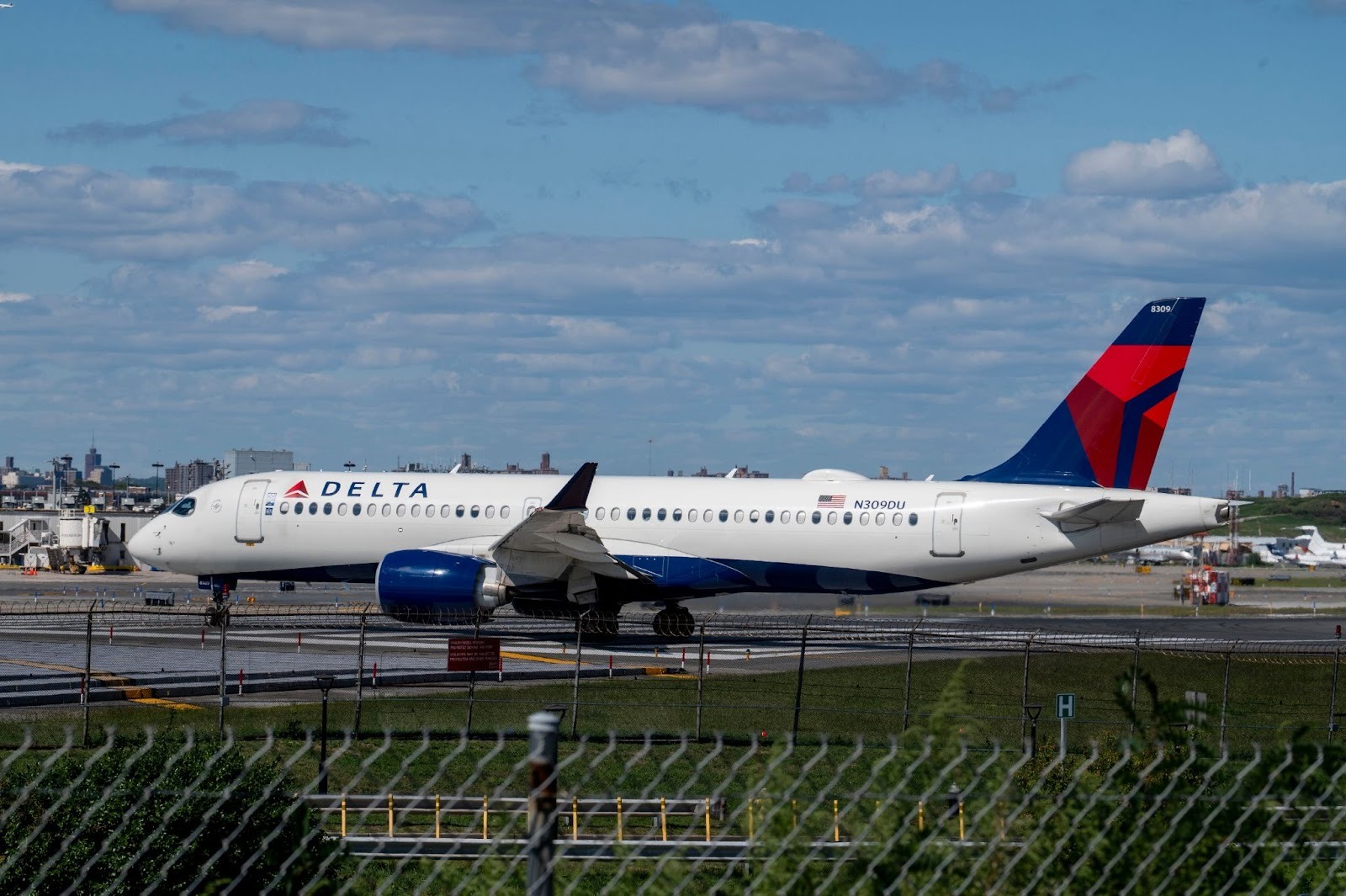
It is much more than a metric in any industry, as this directly influences:
- Missed connections
- Delays overnight
- Rebookings
- Customer Trust
When one airline loses its reputation for being dependable, frequent flyers take notice. Among the most keen watchers are travel managers for corporations who favor carriers that keep disruption costs low.
If Delta's reliability advantage continues to worsen, it will have to fight harder on:
- Pricing
- Loyalty Programs
- Premium cabin enhancements
Good for the consumers, perhaps-but it also signals a more competitive, less predictable environment for operating.
Final Thoughts
Delta Air Lines built its modern identity on the premise of reliability, reaping customer loyalty and industry respect as “The On-Time Machine.” That reputation was hard-won and for years, well deserved. But more recent data suggests that United Airlines has been closing the gap and perhaps in some markets now outpaces Delta on key operational metrics. Delta is a great airline, but its once clear reliability advantage appears to be dissolving.
Whether this constitutes a transient blip or a long-term trend is yet to be seen. What's for sure, though, is that in today's airline business, operational excellence cannot be taken for granted-it must be won each day.
DISCOVER THE RIGHT CARD FOR YOU.
Explore our card recommendations and find a credit card that suits your personal needs.
Browse card categories
%20(1).jpg)
.svg)