.svg)

Japan Airlines has made a Surprising Move into Korean Air

%20(1).svg)
Flight with the current and just as unpredictable as the aviation industry itself, comes a headline that makes you do a double take. Yes, the same airline that has been directly competing on numerous flights between Japan and South Korea, namely, Japan Airlines (JAL) has bought an undisclosed stake in its competitor Korean Air. And this isn't some small, symbolic gesture. This certainly trumps a partnership announcement, and it's the first time in the airline's history that Japan Airlines has invested in another airline outside of Japan.
This type of maneuver is something to keep an eye on for frequent fliers who are monitoring alliances, airline loyalty programs and points earning opportunities. It could eventually extend to how you can use miles, where you can find better service, and the beginnings of the two distinct airline groups working together in secret.
Why South Korea's Airline Scene Is Already in Flux
It's important to take a step back and see what's going on in the aviation industry in South Korea today. The two airline companies have been in the talks of merger and the two brands are likely to operate as a single carrier soon. This is already a tremendous change itself.
It seems logical that Delta had been investing in Hanjin KAL, the holding company of Korean Air, since the two airlines have been collaborating in their joint venture. But now, not to be outdone, Japan's national airline is getting in on the game, purchasing an unknown stake in the South Korean carrier.
It's not a random event. According to the report, Hanjin KAL's chairman is coming under pressure from the second biggest shareholder of the company, a competitor that is closing in on him. Add to that, come the time of upsetting business again, a state-owned bank might be looking to divest its double-digit stake in the firm, and a power struggle is in the making. Many people in the industry have interpreted the investment as an effort for the current leadership of the airline to shore up support, similar to Delta's previous investment.
Old Rivals Older Friendship
The surprising part of the story is that Korean Air and Japan Airlines have actually been working together cozily for decades. The two carriers have been acting as codeshare partners for a long time in the flights between Japan and South Korea, one of the busiest and most profitable short-haul international routes in Asia. Part of the reason for the cooperation is necessity, as the landing slots at Haneda airport are extremely limited and by coordinating schedules and capacity, both airlines are able to avoid stepping on each other's toes.
But now the two companies assert they are looking at expanding that connection even more, calling it a “strategic partnership” that is beyond what either airline receives from its current membership in the global airline consortium. This will involve greater cooperation with passengers and cargo operations as well as a new task force to look at joint opportunities such as:
- Aircraft maintenance and technical support
- Initiatives for sustainable aviation fuel.
- New and future transportation projects, including urban air mobility.
- Increased operational cooperation between the two carriers
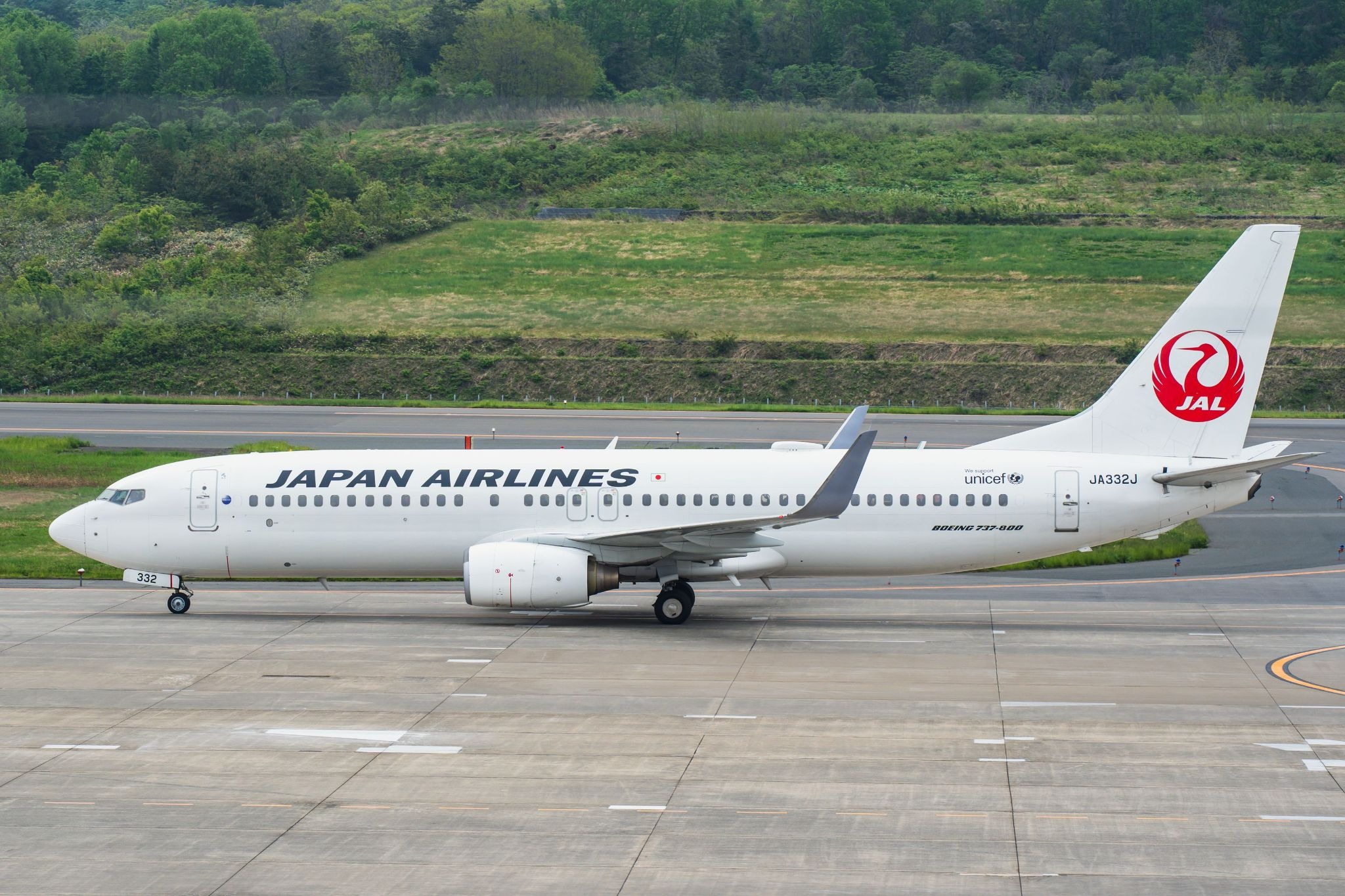
What's This Red One Worth for Japan Airlines?
This is where things get really interesting. Japan Airlines is part of the oneworld alliance, while Delta is a part of SkyTeam. That alone should give the impression that it's not a sign that an airline is going to merge with one company or that it is going to switch alliances because of one minor investment.
Moreover, it's hard to imagine that the Japanese carrier would somehow be able to get its way into the transpacific joint venture Korean Air has with Delta. Joint ventures like that are carefully managed and are subject to specific antitrust immunity contracts, so it's not realistic to imagine that both partners would include a third carrier from a different alliance.
But it seems logical that this closer partnership would provide an advantage to Japan Airlines over its domestic counterpart, All Nippon Airways (ANA), especially in the South Korea to Japan and the other regional connectivity aspects. Also, perhaps you should consider that the elite status recognition program, the mileage earning program, and the redemption programs may someday be merged without a formal joint venture between the two programs. Alliances are not black-or-white deals there are lots of airlines that have less tight reciprocal deals with airlines outside their alliance.
There's also an inverted question mark in the shape of delta that is hovering over all of this. Delta is set to return to Tokyo Narita, and it would seem reasonable to consider whether the relationship between Delta, Korean Air and Japan Airlines might turn out to be anything more than a typical interline agreement.
What Travelers Should Expect Instead
The investment may be a bit premature if you're thinking that it will mean that you have a drastic change the next time you travel to Seoul or Tokyo. It's not that there's anything here that would indicate that it was an overnight change. Rather, it appears to be a step in an existing partnership between two airlines which have been working together in an informal way for many years.
However, there are some things to watch for:
- Better coordination of flight schedules and of slot utilisation between Japan and South Korea.
- Reciprocal loyalty may have potential for expansion in the future
- Possible joint initiatives around sustainability and next-gen aviation technology
- A changing competitive environment that may compel ANA to respond.
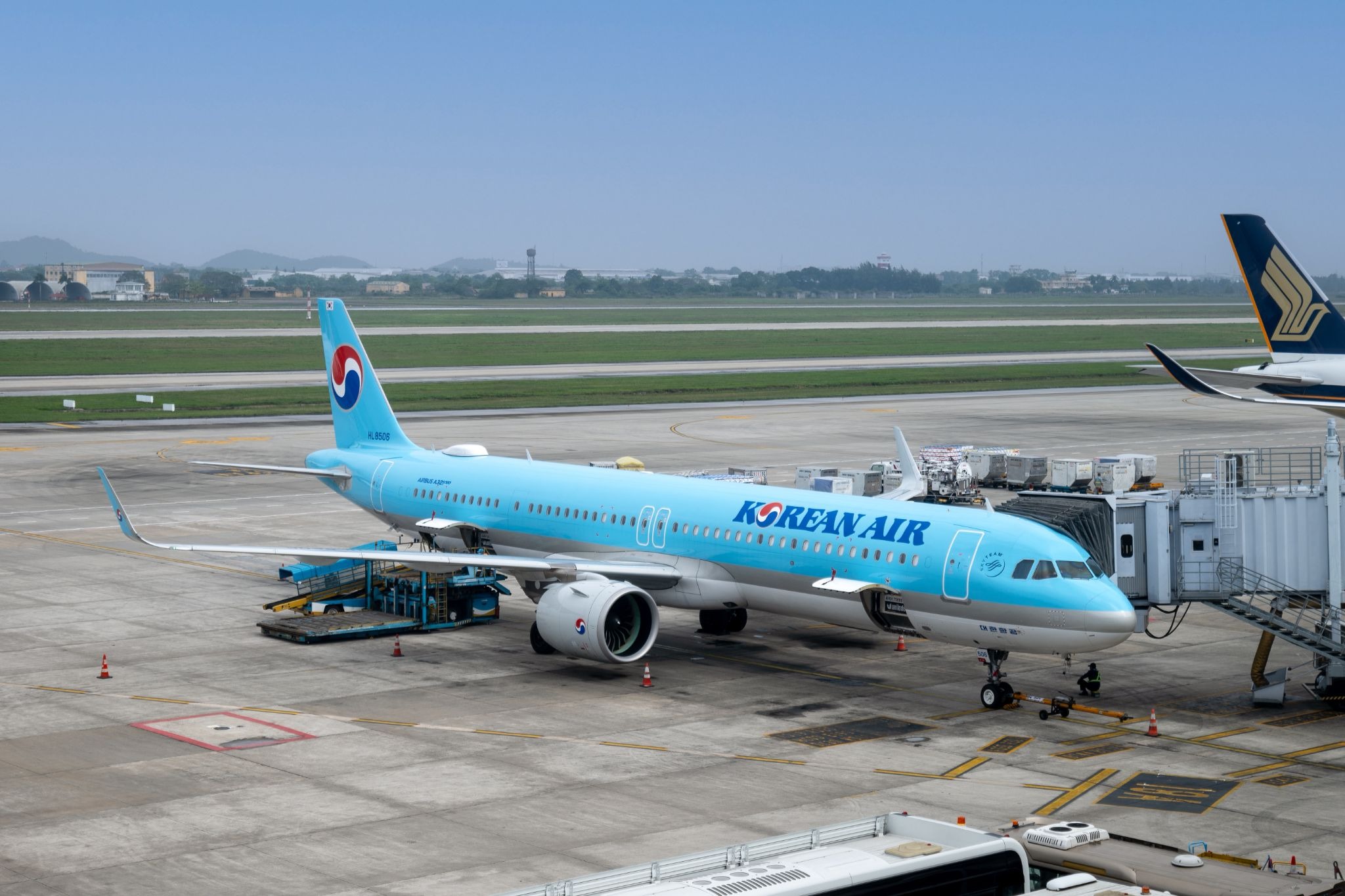
Bottom Line
The Japanese carrier has made its first-ever foreign airline investment, in Korean Air, a competitor on paper. The move seems to be very much related to the current tension among the shareholders of Korean Air's parent company, and is seen as a sign of Japan Airlines' backing of current management. In addition to the corporate jockeying, the two carriers are saying they are moving beyond a mere codeshare arrangement to a greater strategic partnership based on the pair's long-standing cooperation in the travel corridor between Japan and South Korea, which is one of the busiest in the world.
Don't look for fireworks at this time. This is not a saga of alliances changing hands or a new joint venture, it's a calculated gamble on stability, cooperation, and a better competitive position against ANA. With the unpredictable nature of the airline industry, it's good to have this story in mind. There's enough here to keep an eye out for with regard to the influence small investments can have on larger partnerships down the road and there's enough drama here to warrant watching closely.
DISCOVER THE RIGHT CARD FOR YOU.
Explore our card recommendations and find a credit card that suits your personal needs.
Browse card categories

%20(1).jpg)
.svg)