.svg)

JSX Introduces All-Business Class Turboprop Flights: A New Era for Short-Haul Luxury Travel
%20(1).svg)
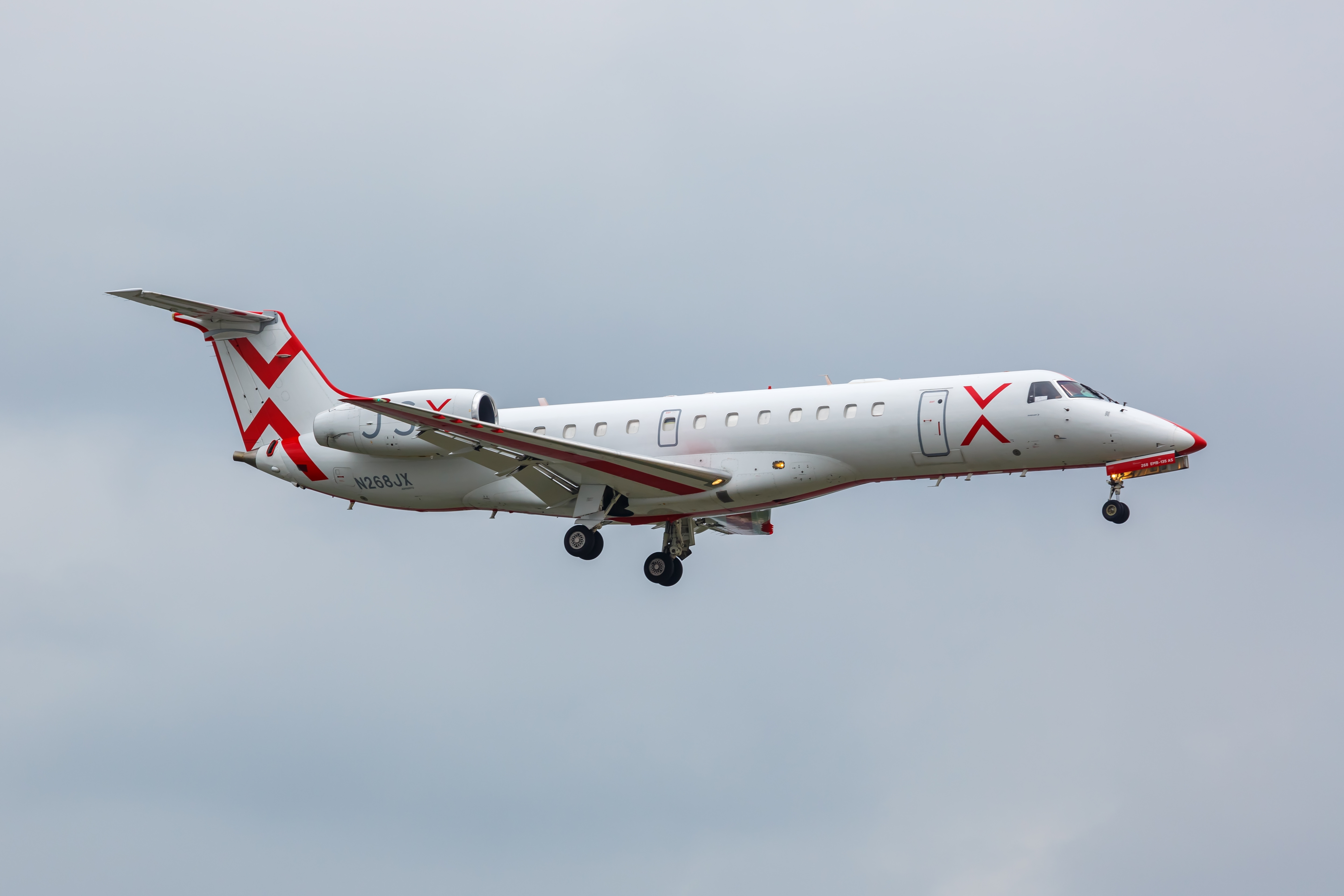
The United States' premium regional air travel landscape is changing yet again-and this time, JSX is at the forefront with a bold, new strategy. With its private-terminal experience and 30-seat "hop-on jet service," the airline is ready to introduce a new fleet of ATR 42-600 turboprops, each configured with an all-business class layout.
The move represents the first foray into turboprop flying for the company and unlocks a path to upwards of dozens of airports that can't be served by traditional regional jets. With flights scheduled to start in the coming weeks, JSX is gearing up to expand its boutique flying experience into new territory-literally and operationally.
A New Chapter: JSX Welcomes ATR 42-600 Aircraft to Its Fleet
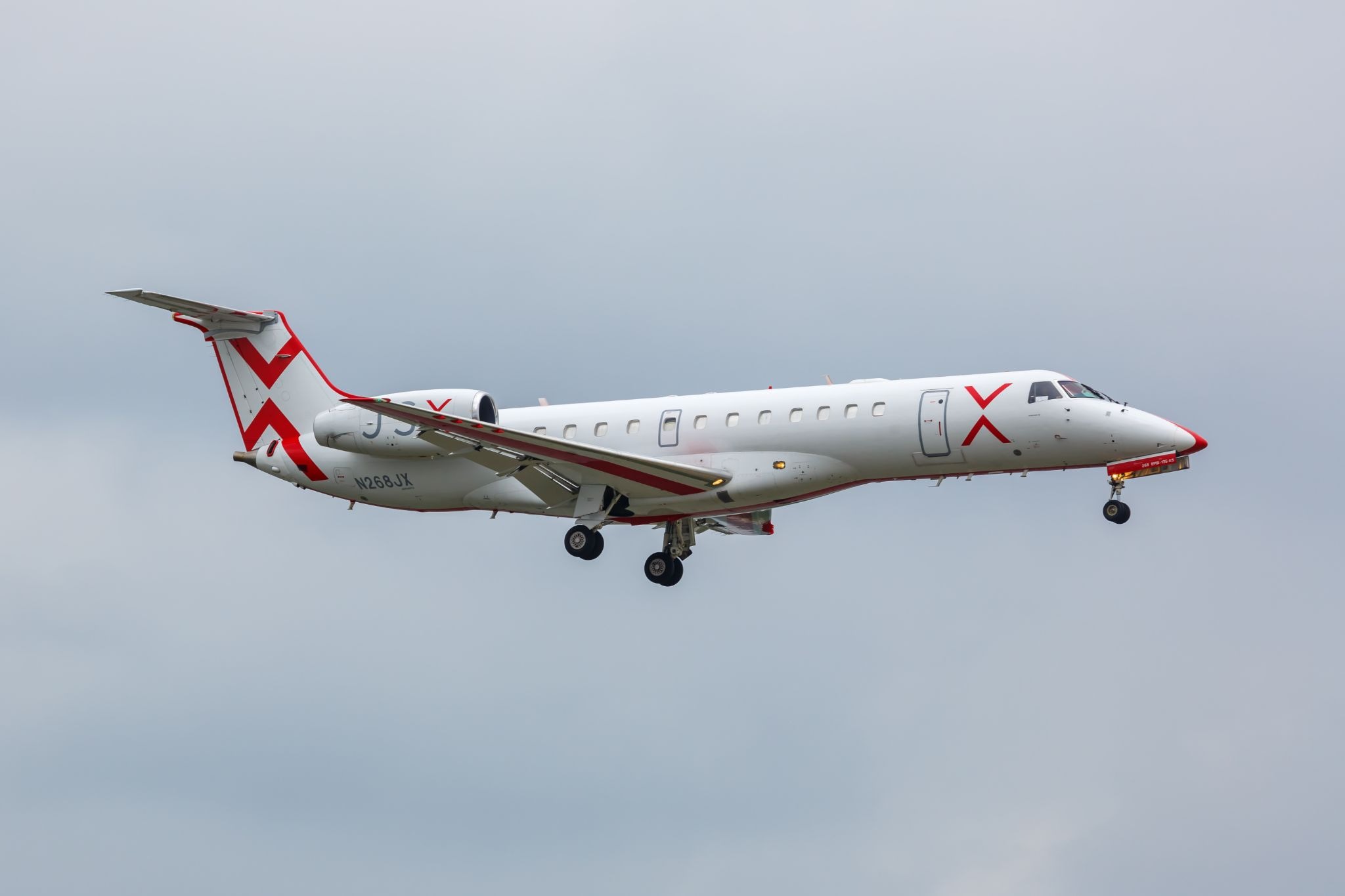
JSX, long offering a hassle-free way to avoid commercial airline hassles, has traditionally employed Embraer regional jets. Those planes have allowed the carrier to maintain a boutique operation using private terminals and minimal security screening.
Meanwhile, JSX is spreading its wings with at least four ATR 42-600 turboprops, all set to enter service shortly with as many as 25 more possibly added later.
Why This Aircraft Matters
The ATR 42-600 was designed for short runways and smaller airports just the kind of places JSX hopes to unlock. It's more fuel-efficient than older regional jets, quieter than the generation of turboprops it replaces, and capable of operating from airfields that most jets can't use.
For JSX, this means:
- Access to more than 1,000 additional airports in the United States
- Opportunities to link currently underserved leisure and business markets
- the capability of maintaining its signature 30-seat business-class layout
According to the company, this expansion enables many travelers-those who might otherwise require private aviation to reach these smaller airfields-to fly on JSX at commercial-level prices.
Launch Route: Santa Monica to Las Vegas
First ATR-operated flights start on December 19, 2025, between Santa Monica Airport (SMO) and Las Vegas (LAS). This is an important route strategically since Santa Monica has a runway that's too short for JSX's Embraer jets, but one the ATR 42-600 can easily handle.
Key details of the inaugural service includ
- Starting with 1 daily round trip
- Fares from $149
- Private airport terminal arrival and departure
- Full business-class seating throughout the cabin
This is just the beginning. With more ATRs joining the fleet, more short-haul routes are expected to be rolled out by JSX, with convenience and access at the forefront of its offer-just what premium travelers want.
What the All-Business Class Cabin Will Look Like
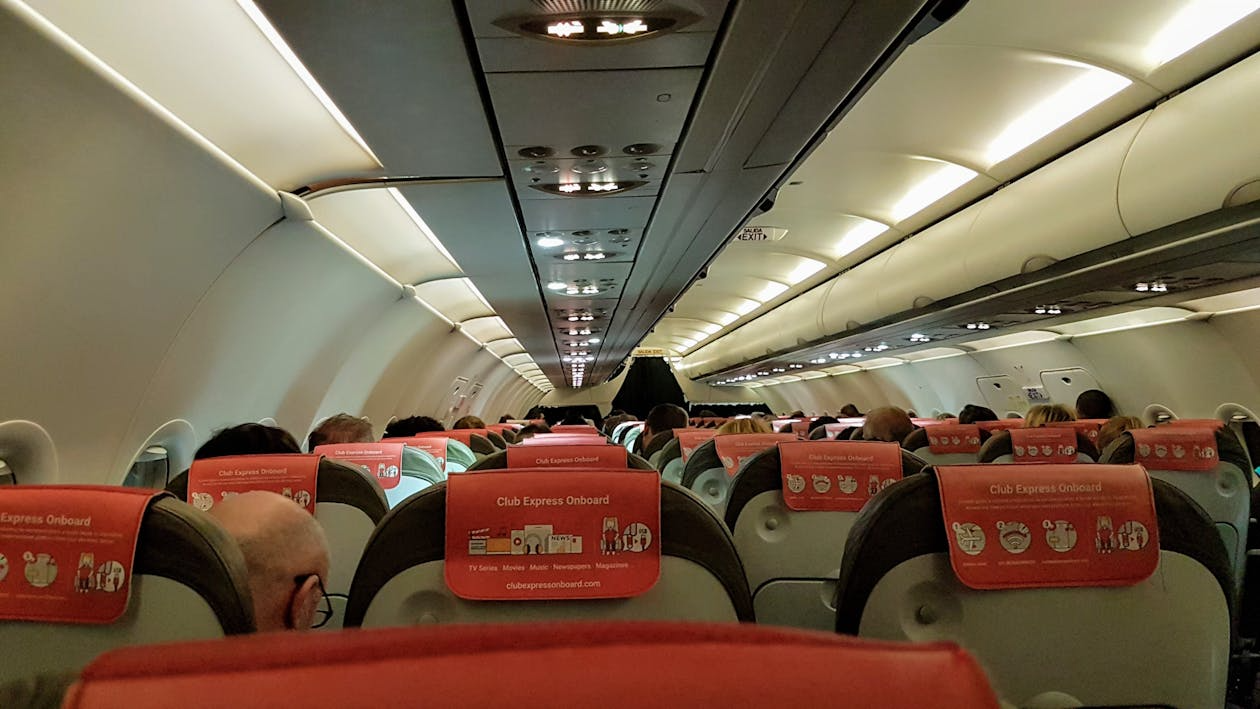
Service of JSX's ATR 42-600s will begin in a 1-2 configuration, expanding to a total 30-seat layout across 10 rows. Cabin design inside the plane is consistent with the company's Embraer jets, though there are some structural differences related to the ATR type.
Cabin Highlights
- Left-hand window seats include a built-in cocktail table for a semi-private feel that frequent JSX flyers are accustomed to thanks to the Embraer layout.
- The seats will be a bit narrower than the Embraer's 1-1 layout, due to the three-seat-row setup of the ATR.
- Unfortunately, these first few aircraft off the production line will not be fitted with ATR's HighLine interior, the fully redesigned 1-1 luxury layout that has been making headlines.
Still, JSX said it would consider the upgraded cabin option if it exercises more ATR purchase or lease options.
Wi-Fi Availability
JSX plans to install Starlink satellite Wi-Fi on these jets but the connectivity upgrade isn't slated until early 2026, so may not be available at launch.
Why Turboprops Make Sense for JSX's Model
To outsiders, it may seem counterintuitive to introduce turboprops at all, since many of the major U.S. carriers retired their turboprops years ago in favor of regional jets. But JSX's business model makes turboprops a strategic fit.
Turboprops Unlock New Markets
Accessibility and convenience are cornerstones of the premium experience that JSX offers. That's what turboprops bring to the party. The ATR's capability for flying short routes efficiently opens up a whole new category of potential destinations.
- Popular leisure destinations not flown to by major airlines
- Regional cities that are inadequately served by the commercial carriers
- Airports with runway limitations
- Where the desire for time savings by business travelers outweighs big-airport complexity
It is in short-distance flying that turboprops come out ahead of jets in cost and environmental efficiency.
Turboprops Are More Economical for Short Stages
While JSX operates around 50 Embraer jets, with most averaging nearly 25 years old, the ATR 42-600 brings.
- Lower fuel burn
- Reduced Operating Costs
- Better performance for short hops
- Access to airfields economically off-limits to jets
That becomes especially important for JSX's "hop-on jet service" model, where fast ground processing and short airborne segments define the customer experience.
A Growing Vision
JSX Chief Executive Alex Wilcox is optimistic with the introduction of turboprops, saying these aircraft expand the carrier's reach dramatically and enhance its ability to offer safe, efficient, and premium travel to more communities nationwide.
Though some observers were interested to learn more about the financial structure in place to underpin the acquisition, such as whether these are new aircraft or sourced from other carriers, this has not been publicly confirmed by JSX.
Notably, Silver Airways - a major U.S. ATR operator - ceased operations recently, raising speculation that JSX might be taking over the refurbished aircraft with new interiors.
What to Expect Onboard for Travelers
This ATR experience should feel largely consistent with the company's core offering to passengers who know JSX.
- Spacious seating for all passengers
- Comfortable, quiet cabin environment
- Free beverages and snacks
- Private-terminal level of speed and simplicity
- Premium, yet approachable pricing
Although the ATR 42-600 cruises more slowly than JSX's Embraer jets, for short routes, the difference is negligible. For JSX, the real benefit comes in airport convenience and operational flexibility-two pillars of its brand identity.
The Bigger Picture: How ATR Turboprops Could Change Everything for JSX
The release of these jetliners means more than an increase in its fleet; it may signal a greater strategic shift.
Possible Future Directions
- Enter niche markets that were previously unreachable for JSX
New regional leisure destinations, including coastal, island and mountainous locations Business-focused city pairs where major carriers do not offer direct service Additional private-terminal operations in smaller airports Because JSX is privately held, its financial data is not publicly disclosed, but the foray into turboprops suggests a longer-term vision based on flexibility and network growth rather than head-to-head competition with majors. Conclusion
Final Thoughts
A Bold Move with Big Potential Its decision to operate ATR 42-600 turboprops was thus a prescient move by a carrier already set up to do things differently. Pairing an all-business-class cabin with aircraft optimized for short and underserved routes, JSX is positioned to redefine how travelers approach flying regionally in the U.S.
This is just the starting point, as it were, for the Santa Monica–Las Vegas service.The possibility of more ATRs joining the fleet and new destinations opening up means JSX could soon redefine what premium short-haul travel looks like and where it can take you.
DISCOVER THE RIGHT CARD FOR YOU.
Explore our card recommendations and find a credit card that suits your personal needs.
Browse card categories
%20(1).jpg)
.svg)