.svg)

Kazakhstan’s Air Astana Doubles Down on Long-Haul Growth With Boeing 787-9 Order
%20(1).svg)
Central Asia is slowly becoming one of the most interesting regions globally in the field of aviation. Airlines located in Kazakhstan, Uzbekistan, and Tajikistan have been fleet modernizing and internationalizing their ambitions over the past few years. The flag carrier of Kazakhstan is now making a bold move which is an indicator of long term belief in global connectivity.
Air Astana has signed an order of up to 18 Boeing 787-9 carriers that would put the airline in a major long-haul expansion within a decade. Though not all of those jets are firm commitments, the deal points to the carrier as being determined to become stronger in Europe, Asia, and ultimately North America.
We can deconstruct what this would imply on the airline, the region, and the travelers.
There is a Significant Fleet Modernization that is in place
Air Astana has confirmed through an agreement with Boeing an agreement over additional 787-9 Dreamliners. The number in the headline implies the possibility of up to 18 aircraft, but the arrangement of the order is a little more complex.
The deal is provided as follows: it consists of five firm aircraft orders, five purchase options, and five other purchase rights. Top that, it has three already leased Boeing 787-9 airplanes that are under lease agreements, delivering the potential fleet expansion even further.
That translates to 8 Dreamliners that are solidly planned in practice, 5 to be confirmed recently, and three that have been locked up using lessors. The other jets will rely on the market conditions and strategic decisions in the future.
Why the Boeing 787-9?
Boeing 787-9 is commonly perceived as one of the most effective and comfortable passenger long-haul planes in use nowadays. The airlines of the world depend on it because of its balance of range, economy of fuel consumption, and economy of operations.
The main benefits of 787-9 are:
- Long distance capability applicable to intercontinental flights.
- Reduced fuel consumption than older wide body aircraft.
- The enhanced comfort of passengers in terms of cabin pressure and humidity.
- Greater windows and modern cabin design.
In the case of Air Astana, the airplane is flexible. It is capable of effectively working in medium- to ultra-long-distance flights, which enables the airline venture into un-proven markets without the economic risk that comes with bigger wide body aircrafts.
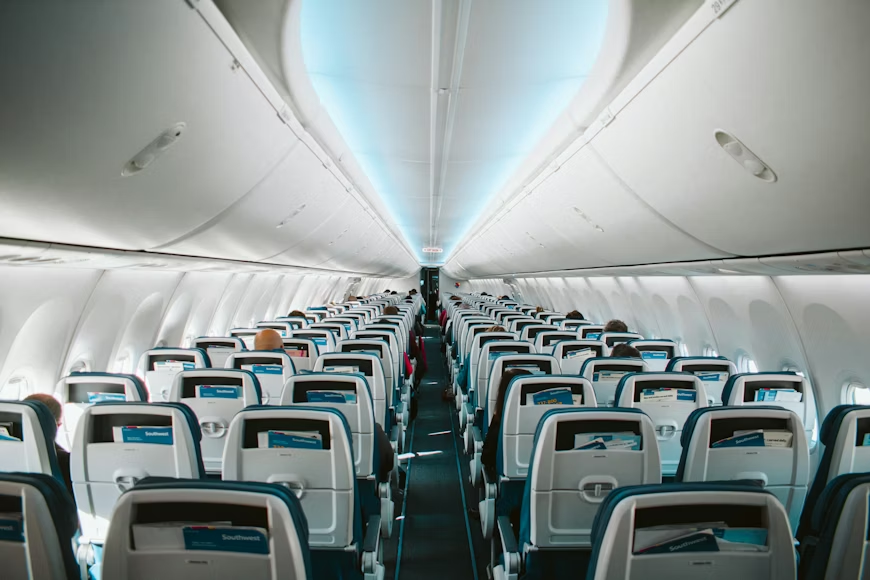
The carrier will design its Dreamliners with an approximate of 303 seats, which will form a balanced business and economy capacity depending on the regional and long-haul travelers.
Replacing the 767 Era
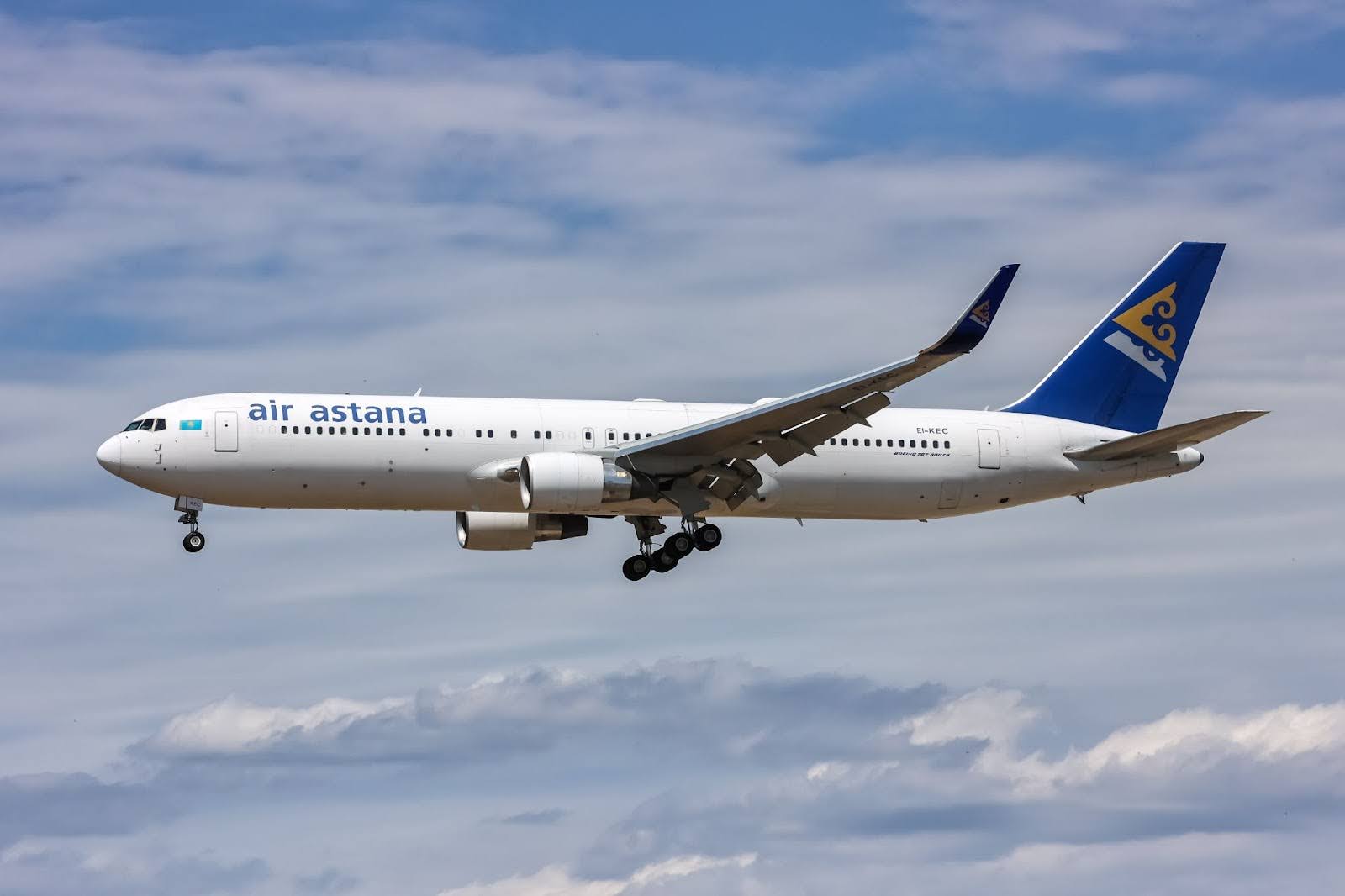
Air Astana currently flies with a fleet that comprises of Airbus A320-family aircrafts, as well as Boeing 767 widebodies. Interestingly, its 767s are one of the youngest passenger versions of aircrafts that continues to operate in the world.
But there is a slow process of the Boeing 767 platform becoming aged in the industry. The new fleet of Boeing 787-9 will be used to replace the 767s although they will offer better fuel efficiency, reduced maintenance and a much better in-cabin passenger experience.
The initial three Dreamliners will be anticipated to replace long-haul flights that the 767s are presently undertaking. Further 787 additions will presumably be used to grow the routes, and not a direct fleet refresh.
One of the Promising airlines in central Asia
Central Asia is not the place where the world-famous airlines are generally expected. Nevertheless, Air Astana has established a reputation of reliability with regard to its operations as well as modern fleet management.
The airline is unique as compared to its regional peers because of the following reasons:
- It has a constantly fresh and modern airline
- Strong on-time performance
- A polished onboard product
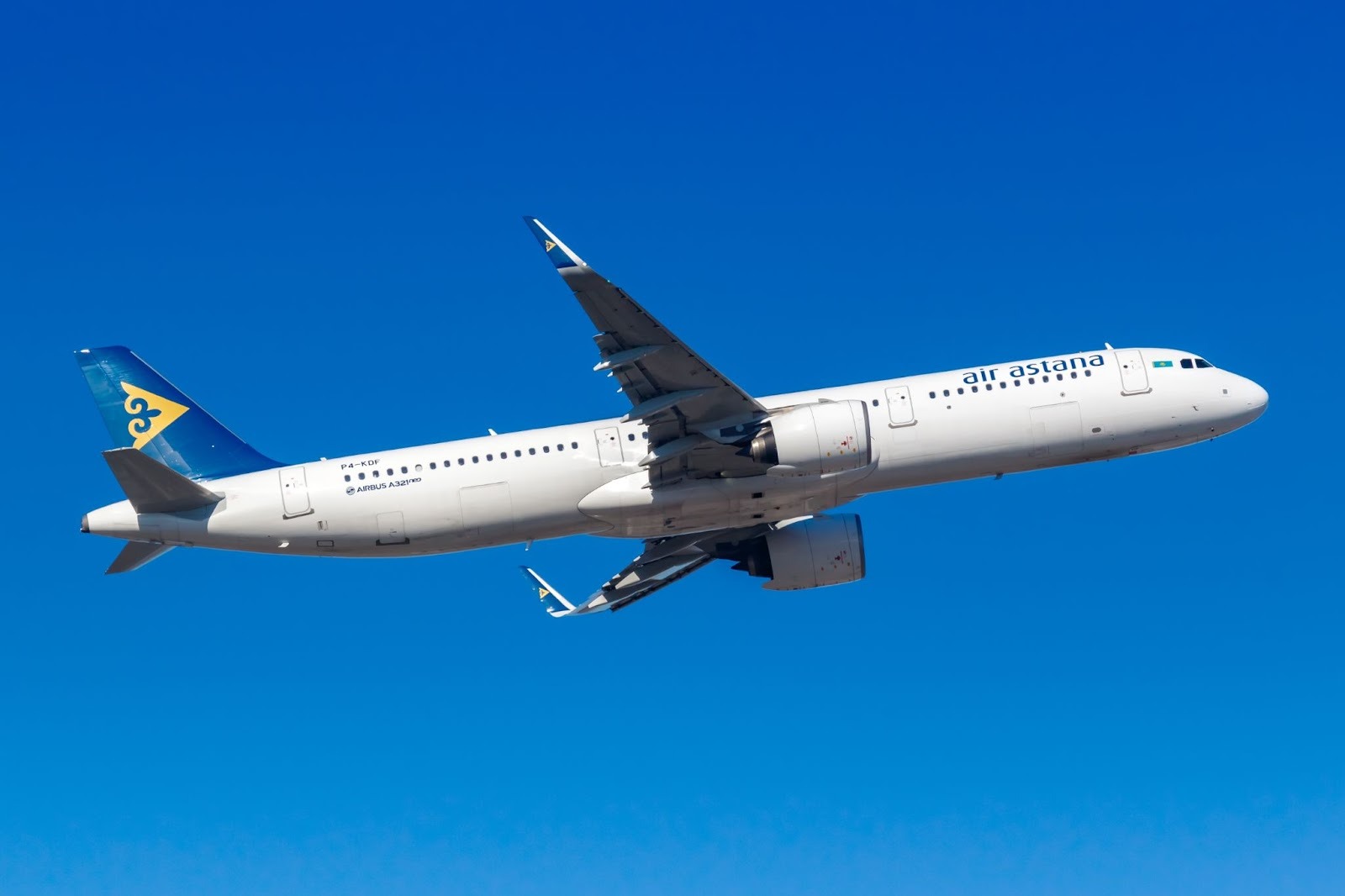
Besides the widebody services the airline has the advanced narrowbody aircraft such as Airbus A321neo and Airbus A321LR jets that are best suited to perform the medium-haul routes.
This fleet diversification enables Air Astana to roll out aircrafts to suit the different routes with good effect regarding demand in different routes; regional flights in the Central Asian region and also long haul flights to European destinations.
The Extended Aviation Prosperity in the Region
The Dreamliner order of Air Astana is a subset of an overall aviation trend in Central Asia. Placing aircraft orders and modernizing operations have also been done by carriers in other countries of the region.
With the development of infrastructure and rise in tourism, the regional airlines are gearing up to tap the rising global demand. The growing economic relationships of Kazakhstan with Europe and Asia also provide the potential of the long-term growth.
The investment in the Dreamliner is an indicator of only the future of the airline but also the general direction of the aviation industry in Central Asia.
Alliance Membership: The Piece of the Puzzle?
Air Astana is not a member of the large airline networks in the world, even though it has a strong base of operations.
In the case of frequent flyers, the membership of the alliance usually dictates the ease at which the miles can be redeemed and earned with various carriers. The fact that Air Astana is not a member of a global alliance leaves it without redemption, especially the premium cabin travelers who would want to redeem the points rather than spend cash.
Air Astana has a potential to be an interesting member of the alliance in the future due to its increasing fleet, operational maturity, and geographic positioning. Whether that occurs, is yet to be determined.
What This Implicates Passengers
The introduction of Boeing 787-9 should result into:
- A more comfortable long-haul experience
- Enhanced cabin technology
- Potential new nonstop destinations
- More flexibility in schedule
The passengers are also likely to enjoy greater environmental performance because the advanced materials and engines used in the Dreamliner have helped minimize the number of emissions per seat unit with the plane performing better than the older aircraft.
In the case of business travelers, the aircraft can feature new a range of premium cabin products, though further cabin layouts past seat numbers have not been disclosed yet.
A Long-Term Bet on Growth
It’s important to note that this expansion plan stretches over nearly a decade. The majority of new firm Dreamliner deliveries won’t arrive until the early-to-mid 2030s.
This indicates a carefully paced growth strategy rather than rapid, aggressive expansion. Air Astana appears focused on sustainable scaling, ensuring that capacity aligns with demand and financial stability.
In a volatile global aviation market, that measured approach could prove wise.
Final Thoughts
Air Astana’s confirmed order for up to 18 Boeing 787-9 aircraft marks a significant milestone for both the airline and Central Asian aviation as a whole.
While only five additional jets are firmly secured at this stage with deliveries scheduled between 2032 and 2035 the broader framework signals long-term ambition. Combined with three leased Dreamliners arriving between 2026 and 2028, the airline is clearly preparing for an expanded intercontinental footprint.
With a modern fleet, strong operational reliability, and strategic geographic positioning, Air Astana is poised to play a larger role in connecting Europe and Asia in the coming decade.
Now, the industry will be watching closely to see how these Dreamliners reshape Kazakhstan’s presence on the global aviation map.
DISCOVER THE RIGHT CARD FOR YOU.
Explore our card recommendations and find a credit card that suits your personal needs.
Browse card categories
%20(1).jpg)
.svg)