.svg)

Lufthansa’s Massive Starlink Investment Is Redefining In-Flight Wi-Fi in Europe
.jpg)
%20(1).svg)
Air travel is entering a new digital phase, and one of Europe's largest airline groups is moving aggressively to stay ahead of the curve. Lufthansa Group announced its plan to equip more than 850 aircraft with Starlink's high-speed satellite internet, making it one of the largest airline customers in the world of the service.
This is more than just a technology upgrade; this speaks to a sea change in the way that airlines compete, passengers work and relax onboard, and that connectivity is as important as seat comfort or on-board entertainment.
The Need for Reliable Internet at 35,000 Feet Grows
Today, passengers demand to be always connected. Whether it is responding to work emails, streaming videos, or keeping in touch with family, the option for internet connectivity is no longer optional. To date, options for in-flight Wi-Fi have often been disappointing: slow speeds, unstable connections, and frustrating log-on processes.
Now, those problems have a solution: Starlink. Operated by SpaceX, the service is powered by thousands of low-Earth orbit satellites instead of the small number of distant geostationary satellites. The end result: faster speeds with lower latency and more consistency across both long-haul and short-haul routes.
Investing in Starlink represents a direct response to evolving passenger expectations with the Lufthansa Group.
A fleet-wide upgrade across several airlines
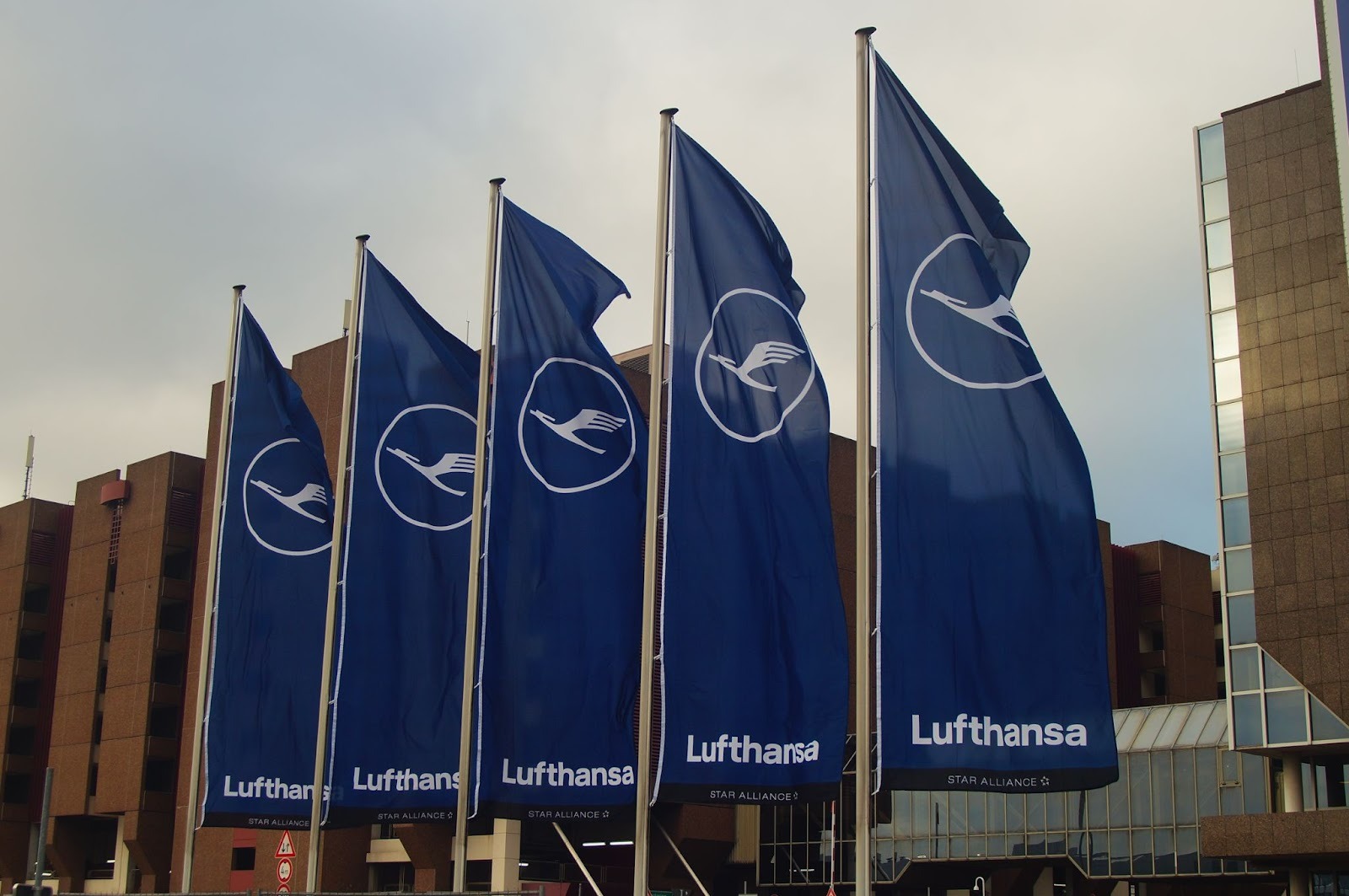
Lufthansa Group is not a single carrier but comprises well-known European airlines. The Starlink rollout will eventually cover all brands that include Lufthansa, SWISS, Austrian Airlines, Brussels Airlines, and Eurowings.
The deal also encompasses the newer, smaller sibling airlines across the group, including ITA Airways in Italy; Discover Airlines, Edelweiss, and Air Dolomiti. In all, the agreement is expected to see more than 850 aircraft outfitted with Starlink equipment over the coming years.
This scale sets Lufthansa apart from most competitors-many of which are limiting next-generation Wi-Fi to select aircraft or premium routes.
When Starlink Will Appear on Lufthansa Flights
While the announcement signals a major commitment, passengers will not see immediate changes. Lufthansa Group believes installations are expected to start in the second half of 2026. A detailed aircraft timeline has not been announced as of yet.
The rollout is also likely to begin with long-haul aircraft and premium brands such as Lufthansa and SWISS, according to industry analysts, where demand for fast internet is high. Leisure-focused airlines such as Discover Airlines and Edelweiss are likely to follow once the technology has been fully tested and refined.
The phased deployment enables the airline group to manage technical certification, installation logistics, and onboard training without operational disruption.
Why Starlink is different than traditional in-flight Wi-Fi
Most aviation Wi-Fi systems today depend on satellites stationed about 22,000 miles above Earth. Besides much higher latency, these systems also have limited capacity for data.
That makes Starlink satellites much closer to the planet, seriously improving performance. Some of the key advantages include:
- Lower latency suitable for video calls and real-time messaging
- Faster download and upload speed
- Better coverage of ocean and remote areas
- More reliable connections in gate-to-gate use
Another crucial aspect is the pricing philosophy of Starlink. The firm often encourages airlines to offer Wi-Fi free in anticipation that improved passenger satisfaction will drive long-term partnerships.
Lufthansa Group said Starlink internet will be available across all cabins, reinforcing the notion that connectivity is becoming a standard feature rather than a premium perk.
Competitive Pressures within the European Airline Market
This puts other major European airline groups under pressure: Air France is already fitting out some aircraft with Starlink, positioning itself as an early mover.
The parent of British Airways, Iberia, Aer Lingus, Vueling and LEVEL, International Airlines Group, plans to begin flying Starlink-equipped aircraft in early 2026 but appears to have a more fragmented approach.
Unlike Lufthansa, IAG is reportedly considering charging passengers of the low-cost brands- Vueling and LEVEL- for access to the internet, while offering free Wi-Fi to the premium travelers.
This difference in strategy could affect customer loyalty, as more and more passengers take connectivity into account when selecting airlines.
Lufthansa's Standing Among Global Starlink Partners
On the world stage, Lufthansa Group now ranks just behind United Airlines - which plans to install Starlink across more than 1,000 aircraft in its mainline and regional fleet.
That makes Lufthansa one of a select few carriers actually determining the future of inflight connectivity. The early and scaled commitment gives the group significant influence over service standards, performance expectations, and long-term development.
It also strengthens Lufthansa's position when competing with North American and Middle Eastern carriers that have invested heavily in onboard technology.
Middle East Airlines are Using Connectivity as a Brand Weapon
But outside Europe, Starlink has turned into a strong marketing tool. Emirates publicly announced recently that they would fly the world’s largest widebody fleet with Starlink internet installed.
Meanwhile, Qatar Airways indicates that it already operates the largest number of widebody aircraft currently flying with Starlink connectivity.
These claims drive home the fact that Wi-Fi aboard flights is now a brand differentiator and not a behind-the-scenes technical feature. Airlines now tout connectivity along with luxury cabins, lounges, and onboard dining.
What passengers can expect from the upgrade
For passengers flying Lufthansa Group airlines, the benefits are obvious. Once fully deployed, Starlink connectivity is expected to deliver:
- High-speed internet suitable for streaming
- Stable messaging and video calls
- Multidevice support per passenger
- Consistent coverage in long-haul and short-haul routes
Business travelers can be productive all through the journey, and leisure passengers can enjoy the entertainment and communication without interruption.
With expectations increasing, fast and free Wi-Fi might soon be seen less as a bonus feature than something to take for granted.
A Sign of Where the Airline Industry Is Headed
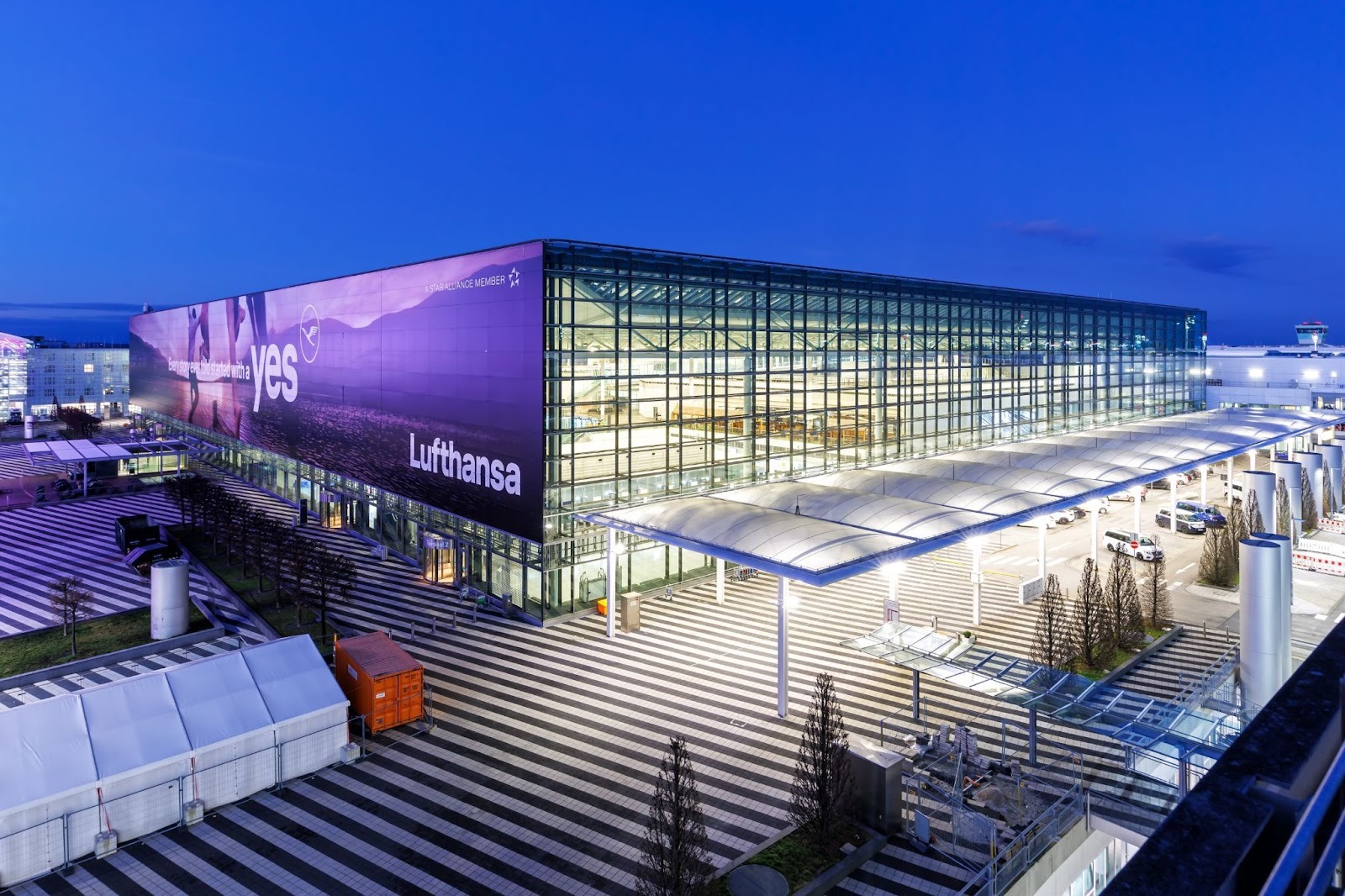
Lufthansa's Starlink investment reflects a broader industry shift: Airlines are no longer debating whether in-flight internet is needed. The conversation has shifted to questions of quality, reliability, and cost. With these next-generation satellite networks proliferating, the airlines that don't modernize their connectivity risk ceding significant ground in terms of customer satisfaction and brand perception.
For Lufthansa Group, this move underlines its commitment to innovation and long-term competitiveness.
Looking to the Future Though
it will be late 2026 before Starlink is live across the Lufthansa Group fleet, the message is clear: high-speed, stable in-flight internet is fast becoming the industry norm. The flying experience will never be the same as Starlink and other such technologies are adopted by more airlines. This early, at-scale move by Lufthansa might prove a defining moment in the evolution of commercial aviation connectivity.
DISCOVER THE RIGHT CARD FOR YOU.
Explore our card recommendations and find a credit card that suits your personal needs.
Browse card categories
%20(1).jpg)
.svg)