.svg)

Major Technology Overhaul of United Airlines: How a Temporary Shutdown can Be used to determine future of its operations
.jpg)
%20(1).svg)
The airlines currently use technology in almost all aspects of their business. Modern aviation is based on large-scale computerized networks: ticket booking and managing reward points, sending planes and the coordination of crews. Once such systems become old, airlines have a tough choice between continuing to patch old platforms or undertaking massive upgrades that will temporarily disrupt the system.
United Airlines has just adopted the daring path. A comprehensive technological update that the carrier began demanded a scheduled system outage to temporarily restrict access to some of the key services. Although disruptive within short term, the move is an indication of a long-term approach of enhancing reliability, security and performance.
This is a big question to the travelers. Who would purposefully shut systems down considering this is a big airline? So what does this imply to the passengers? And what would this portend the future of air travel?
Let’s break it down.
The reason why Airlines cannot afford to overlook Aging Technology
Airlines have highly intricate IT settings in the background. All the systems that include a reservation system, crew scheduling system, maintenance tracking, airport operation, and the loyalty database have to cooperate with each other in real time.
Most of these systems were constructed many decades ago and were developed. Though they have been updated many times, some of them still use legacy frameworks that have not been made to meet the demands of a digital world today.
Aging systems may pose a number of challenges, such as reduced processing speed, lack of scalability, increased vulnerability to cybersecurity, reduced integration with new applications, and increased maintenance expenses.
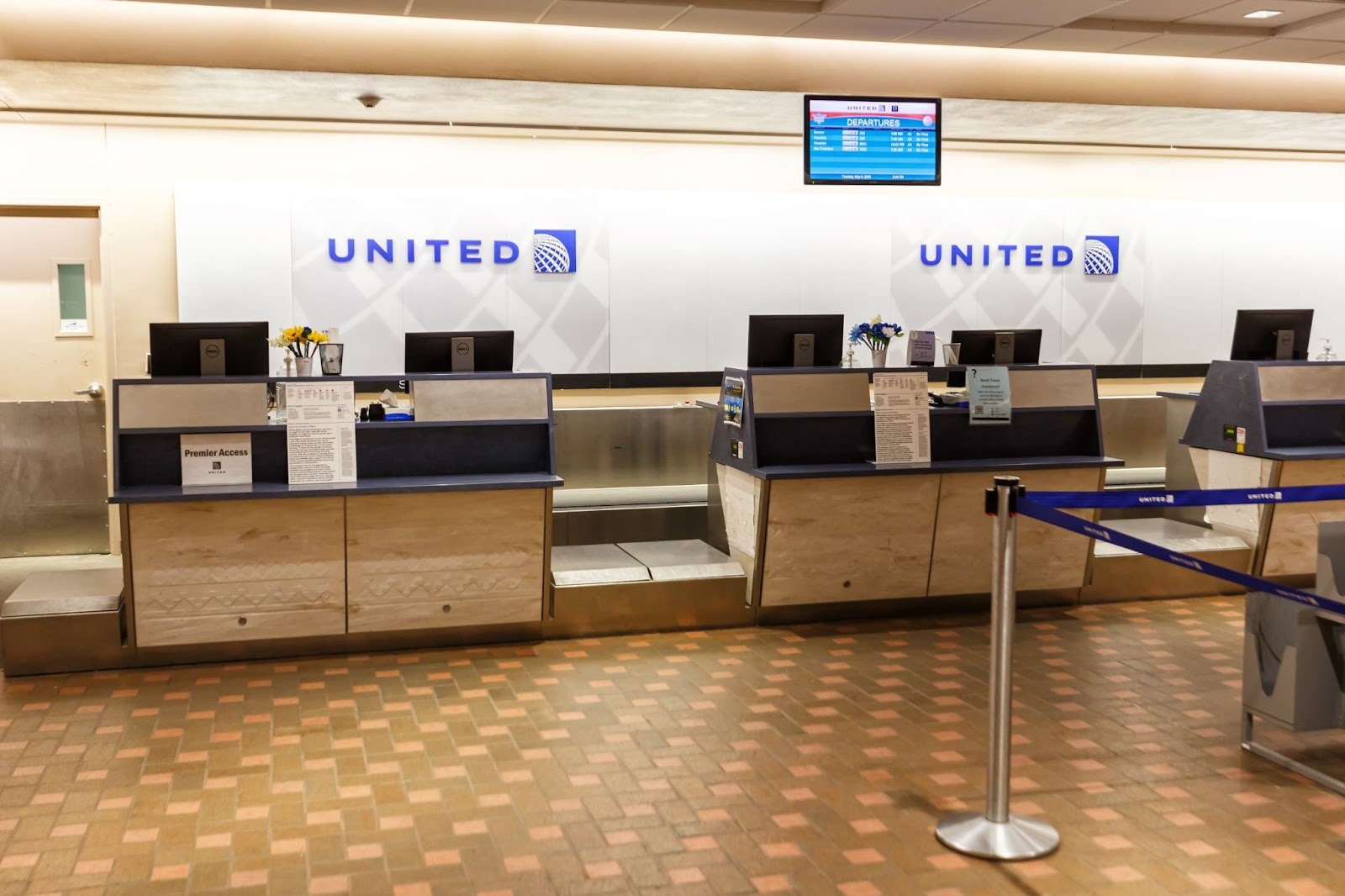
Patchwork fixes are not sufficient at one point. The entire modernization is demanded.
That greater change seems to include the recent upgrade of United.
Upgrade Window Overview What Went Wrong
United had planned a multi-hour maintenance check up in the early morning hours, with the objective of having minimal impact on the passengers. At this time, there were no numerous customer-facing and internal tools.
Impacted areas included:
- Flight booking platforms
- Online check-in systems
- Loyalty accounts of MileagePlus
- Customer service channels
- Internal employee tools
Even the telephone based support systems were not spared and it implies that travelers had few options during the downturn.
The flights that were planned beyond the maintenance slot typically ran normally though some departures were rescheduled and some services were cancelled in order to establish breathing room.
Such a planned downtime, however, is not uncommon when conducting a large-scale upgrade of IT systems, and one would hardly expect that it would be implemented on such a public scale when working with a large-sized airline.
Theoretical reasons why a Planned Outage can be the safer option
Taking systems down may appear to be a dangerous issue to an average traveler. Nevertheless, in an IT sense, controlled outages may be less risky than live upgrades on critical infrastructure.
Some of the major steps to be undertaken would be installing major system updates, data migration, integrations testing, real time monitoring, and availability to roll back changes whenever necessary.
Making such changes when the systems are still fully operational would enhance the chances of failure occurring without prior notice. That is, a small, premeditated break can stop a bigger, unplanned break down in the future.
The Passenger Perspective
Reliability is the most important issue to the travelers. Individuals are willing to know that their flights will be uneventful and their bookings will be safe.
Some of the short-term inconveniences could be inability to make adjustments to reservations, delays during check-in, poor access to customer services and misunderstanding regarding schedules change. But, in the event the upgrade enhances the long-term stability, a majority of the passengers are the beneficiaries in the end.
Technology-invested airlines usually achieve an improvement in on-time performance, quicker customer service, enhanced mobile application functionality, more correct notifications, and easier rebooking in case of disruptions.
This may be a frustrating move on the part of some travelers but the greater end is to have a more dependable experience in the future.
A Growing Industry Trend
United is not the only one to modernize its technological stack. In the aviation sector, carriers are spending a lot on the digital transformation.
Key drivers include:
1. Increasing Passenger Expectations
Customers have become accustomed to smooth digital customer experiences as with retail or banking apps.
2. Operational Efficiency
The improved systems assist the airlines in managing airplanes, crews, and schedules.
3. Cybersecurity
Contemporary systems provide better security against cyber threats.
4. Data-Driven Decisions
State-of-the-art analytics enable airlines to optimize routes and pricing and maintenance planning.
This type of upgrade is costly, yet more and more are regarded as a necessary investment.
The Risks Airlines Must Manage
There is always a certain risk behind large IT projects and even the most planned upgrades may experience data migration mistakes, integration mistakes, unforeseen downtime, and user adoption issues.
Airlines should also organize efficiently across departments to provide a smooth transition.
Communication is also paramount. Effective communication will make passengers perceive what is occurring and minimize frustration.
Transparency can be used to cement trust and not destroy it, in case it is managed effectively.
The way this can be beneficial to MileagePlus members
One of the most data intensive aspects of the airline business is the loyalty programs. Millions of accounts are followed, by points, status level, partner activity, and redemptions.
A transformed system will be able to introduce quicker point postings, enhanced views of awards, less turbulent account administration, enhanced integrations with partners, and individualized offers. These enhancements will make the total experience much better in the eyes of frequent flyers.
The Bigger Picture: Digital Aviation
Airlines are no longer transportation firms they are technology firms who happen to fly an aircraft. Nowadays, mobile apps, automated check-in, biometric boarding, and real-time tracking are expected as the norm.
The future innovations can involve:
- AI-driven customer support
- Delay management predictively
- Smarter baggage tracking
- Individualized quotes and deals
- Multimodal travel integration
All these are based on modern infrastructure.
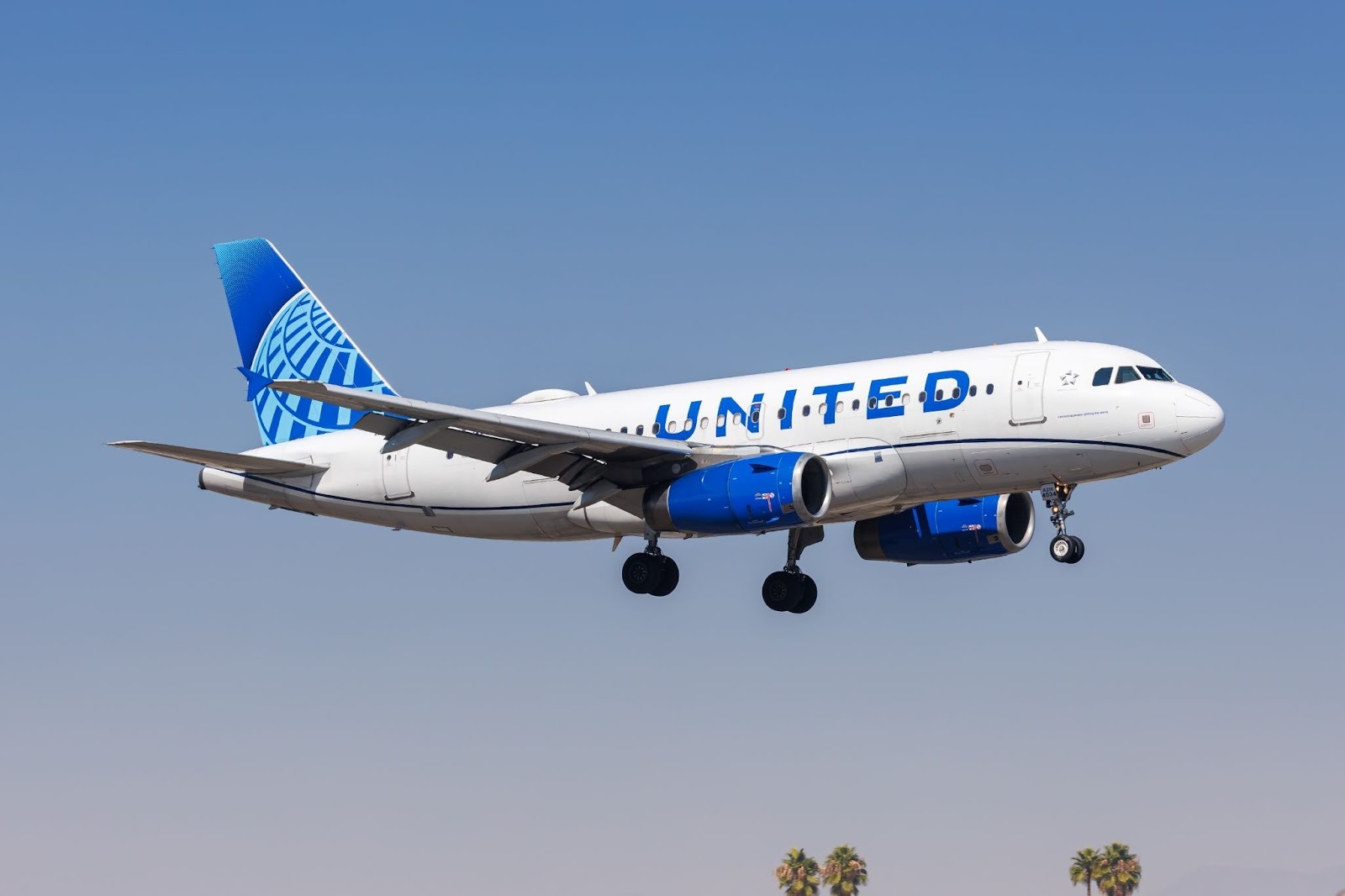
Is Travelers Behaviour Issue?
No. In the majority of cases, planned upgrades are planned during low-traffic hours so that they could be designed to cause minimal disruption.
Significant precautions that the travelers can take are to check the status of flights prior to departure, downloading boarding passes in advance, providing ample time at the airport, and
watching the airline notifications. These measures would prevent the issue of surprises in the transitions of technology.
Final Thoughts
United Airlines’ large-scale technology upgrade highlights a reality of modern aviation: digital systems are just as important as aircraft and crews. While temporary outages can be inconvenient, they often pave the way for better reliability, security, and customer experiences.
In an industry where delays and disruptions can ripple quickly, stronger technology infrastructure can make a meaningful difference.
For passengers, the key takeaway is simple short-term inconvenience may lead to long-term improvements. And as airlines continue to modernize, travelers can expect smoother, more connected journeys in the years ahead.
DISCOVER THE RIGHT CARD FOR YOU.
Explore our card recommendations and find a credit card that suits your personal needs.
Browse card categories
%20(1).jpg)
.svg)