Mexico's President Flew to the APEC Summit in an Economy Middle Seat


World leaders have just met in Shenzhen, China, for the Asia-Pacific Economic Cooperation (APEC) Economic Leaders' Meeting. The majority of leaders were on government aircraft. There were a few exceptions, but it's difficult to see how anyone else could have done what Mexico's 64-year-old president did.
How it happened, why it is so special, and what it tells us about the nature of leadership development.
A Very Long Journey
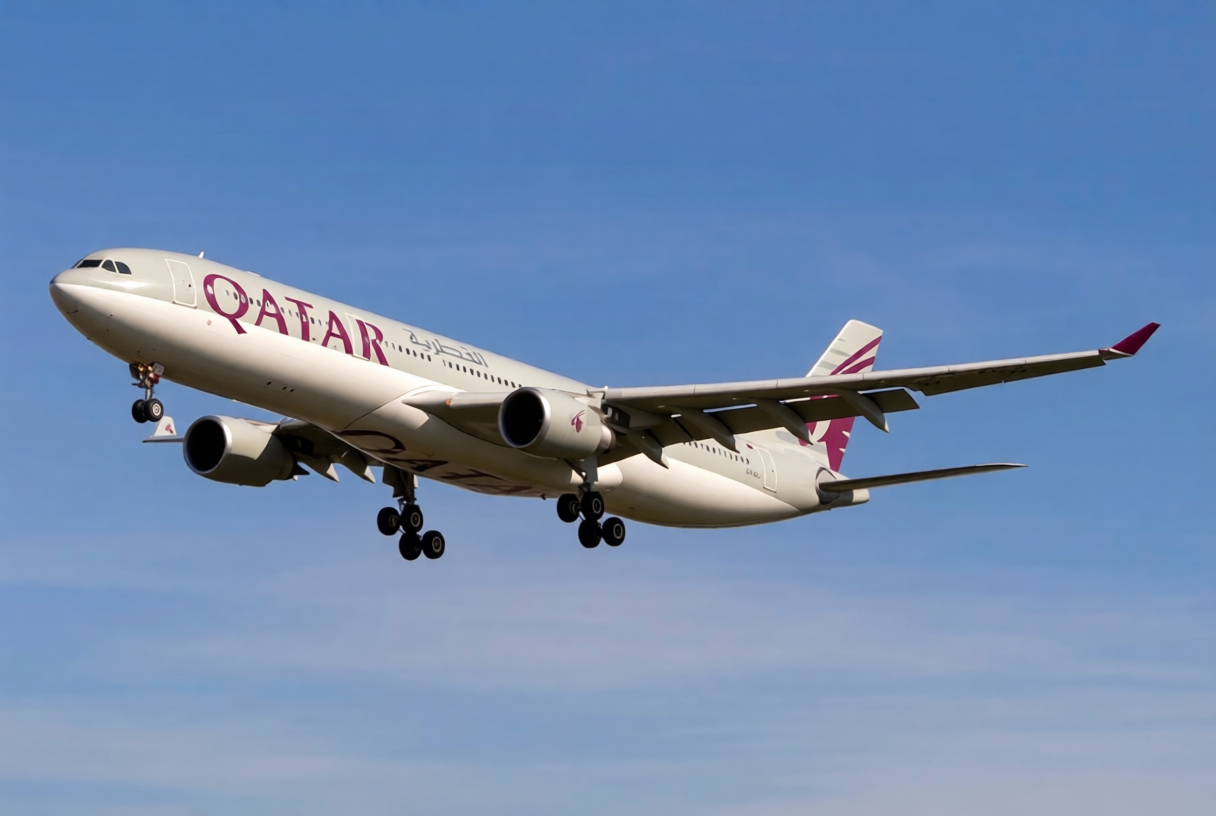
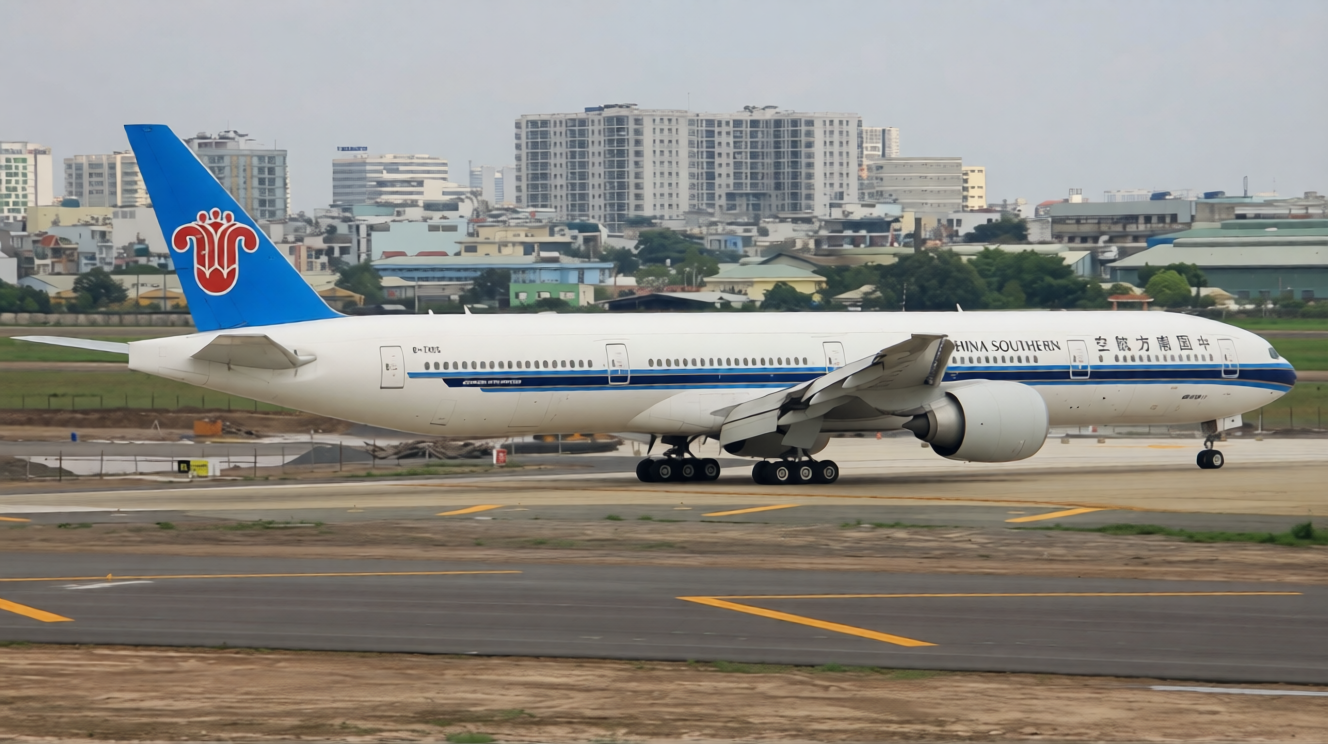
According to media reports, Claudia Sheinbaum flew to China on China Southern. She flew from Mexico City (MEX) to Shenzhen (SZX) via Tijuana (TIJ) on Sunday, November 15, 2026, on CZ8032. This trip was 8,803 miles long.
The Airbus A350-900 took off from Mexico City at 12:49 AM and arrived in Tijuana at 2:02 AM, after a flight time of 3 hours 13 minutes. It resumed its flight at 4:34 AM and touched down at Shenzhen the next morning at 11:31 AM, having flown for 14 hours 56 minutes. All in all, the trip took around 21 hours, including the refueling stop.
Most travelers find that trip to be a very tiring one even in a comfortable cabin. A long flight with a stopover in between, plus a full day of meetings is a busy day for anyone. The early morning departure and refueling stop at night only compound the stress.
The Shocking Part
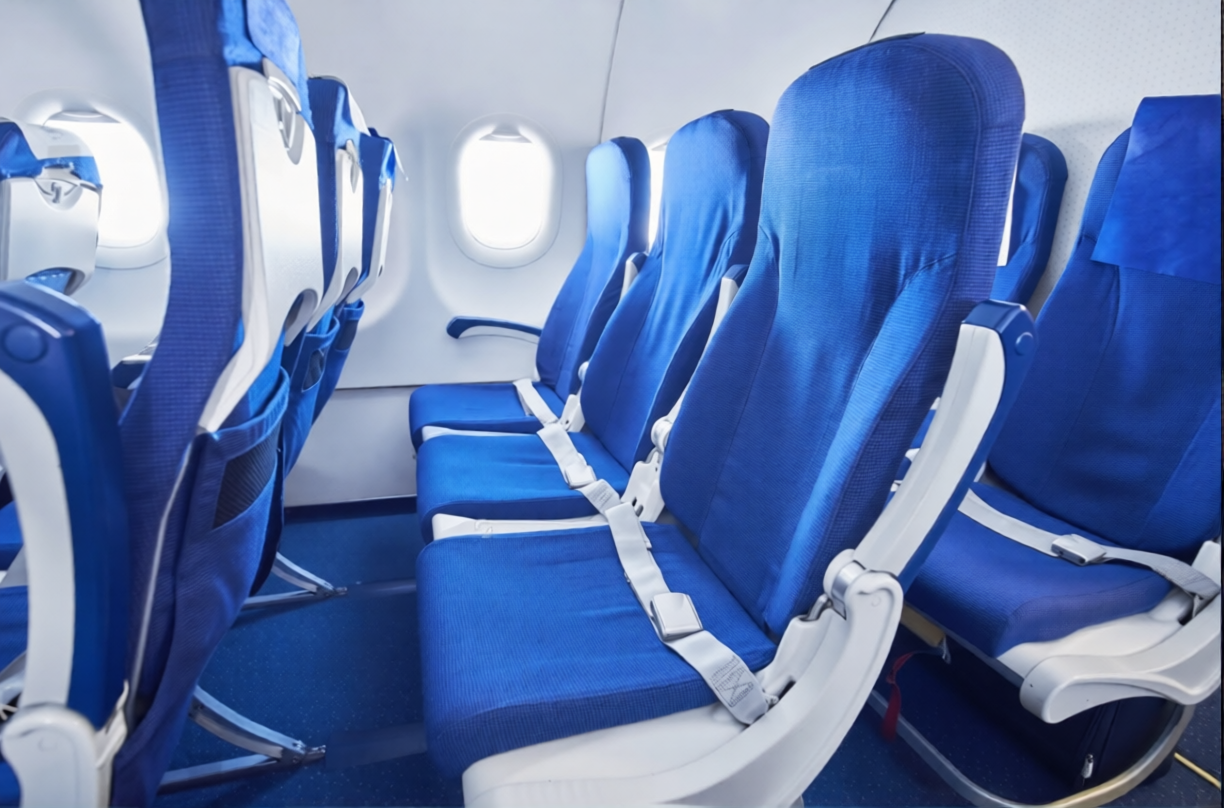
The shocking part is not that she was travelling commercial, but that she was travelling in economy class. She was reportedly seated in a middle seat in economy, in seat 33B. Well, that's probably not needed, but it's a good example.
This is as normal as flying gets, a middle seat on a flight of this length. It's a different scene than the typical motorcades and government jets, with a head of state sitting in one. It's that kind of detail that makes people read the story twice.
Business Class Would Be Reasonable
There is a good reason for a head of state to be able to fly business class on a flight of this length.
- She has work to do at a summit like this and it's important to be well rested when you arrive, and you can't deny that you sleep better on a flat bed.
- With space to work on things, she could be more productive during the flight, comfort does make a difference with productivity.
Nevertheless, the example she is setting is commendable. Even when the case for a more comfortable seat is solid, the economy conveys a message of humility and a message about the cost of government.
It's possible for both sides to be right. A leader can be worthy of a better seat and still be respected for his or her decision not to take it.
A comparison of the leader with other leaders
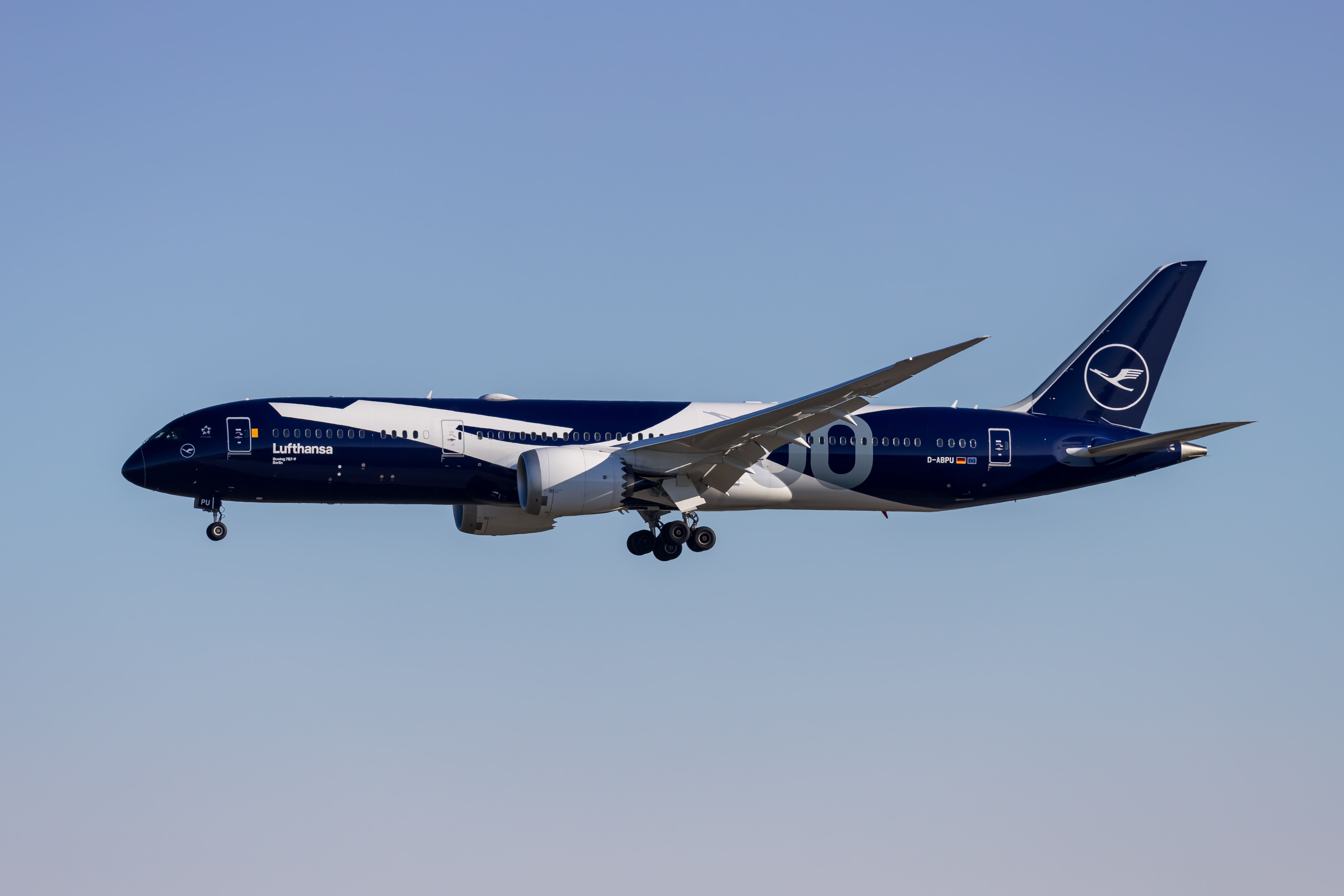
Compared to the other countries where President Trump has been given a Boeing 747 by Qatar, it's a stark difference. He spoke about the way he did it to make Americans proud, as "our country has to be represented properly. This week he even mentioned that his new airplane impressed China and Russia very much. The original writer's response was sarcastic, saying that "bribing Putin does not make him proud to be an American.
The two methods are as different as they can be. One leader selected an economy seat on a scheduled flight, another selected a luxuriously equipped aircraft as a symbol of national image. These comments are the original writer's opinion and should be presented as such.
History With Leader Travel Mexico
Mexico's history of leadership flying is an interesting one. Mexico's government seized a private Boeing 787 in 2016 which was used by former President Enrique Pena Nieto. In fact, the plane had been purchased under the previous president, Felipe Calderon, in 2012.
In 2018, when Andres Manuel Lopez Obrador took charge, he fulfilled a campaign promise of selling that 787. It wasn't that easy, however, as demand for a secondhand VIP 787 is not exactly high. The plane ended up going to Tajikistan. Sheinbaum has continued that overall tradition by flying commercials.
In this context, her economy seat is part of a broader trend in Mexican politics, where the image of the leader's mode of transportation has come to reflect his/her conception of his/her role. Both the sale of the 787 and the decision to fly it are in the same direction.
The Optics Question
This story is predominantly one about optics, and that's a fact. The president in the middle seat conveys a powerful visual message, and it will be talked about more than the summit agenda in certain quarters. Nevertheless, optics are important in politics. Trust can be established by leaders who demonstrate that they have some of the same experiences as their citizens, although the act may be symbolic.
Meanwhile, a symbolic gesture is no substitute for practical trade-offs. The case for business class is still a sound one, as the leader may not be at his best after a 21 hour journey.
What does this mean to travelers?
The tale for ordinary passengers is one of the long haul economy flights that almost everyone has to deal with, including, this time, a head of state. It also demonstrates the attention that can be given to one seat when the occupant is a world leader.
You can either take the stance that a president should ride shotgun or that he should fly in the back, but either way, there is a good discussion to be had about priorities, comfort, and what kind of image a president wants to project. It can also serve as a reminder to travellers that what happens in the cabin, whether it be the seat or the timetable, is shared.
The Bottom Line
Mexico's President, Claudia Sheinbaum, traveled to the recent summit in China differently than virtually all other government leaders. Not only did she fly commercial, but she flew economy, and even middle seat, it is said.
It's all about the optics in this case and that's something that can't be denied. It's good to see heads of state who lead by example, which is pretty rare these days.
DISCOVER THE RIGHT CARD FOR YOU.
Explore our card recommendations and find a credit card that suits your personal needs.
Browse card categories