.svg)

Oman Air's Route to Northern Europe in Unexpected Ways: A Closer Look at Its Baghdad Stopover Strategy

%20(1).svg)
When airlines announce new international routes, most announcements stick to one of a few familiar patterns: nonstops, hub expansions, or seasonal changes. Oman Air's latest move breaks the mold in a way that has captured attention across the aviation world. The airline has launched its newest service to reach Europe-to Copenhagen-but not directly. The journey instead involves an intermediate stop in Baghdad, creating one of the most unconventional flight paths currently on offer by any Gulf carrier.
This newly launched route is more than a scheduling curiosity; it mirrors broader shifts in Oman Air's business model, evolving fleet strategy, and approach to profitability, raising some interesting questions with respect to passenger perception, market demand, and how airlines balance efficiency with public expectations.
A Three-City Route - Multiple Market Opportunities
This service, that started officially in mid-December 2025, connects Muscat and Baghdad with Copenhagen twice a week. The single flight number from each direction makes it a triangular connection in which the airline links the Middle East with Northern Europe via Iraq.
From a pure scheduling perspective, the outbound journey leaves Muscat in the early afternoon, arrives in Baghdad shortly before 3 p.m., and then presses on to Copenhagen to arrive in the early evening local time. The return leaves Denmark at night-time, stops in Baghdad in the early morning hours, and arrives back in Muscat by breakfast.
This setup provides Oman Air with the opportunity to serve three distinct city pairs:
- Muscat to Baghdad
- From Baghdad to Copenhagen
- Muscat to Copenhagen
The segment between Baghdad and Copenhagen is sold as a fifth freedom flight, which means passengers can book that leg independently without traveling to/from Oman. This gives the carrier access to a new European market while simultaneously strengthening connectivity to Iraq.
Aircraft Choice Signals a Strategic Shift
Rather than operating a traditional widebody aircraft on its longhaul European routes, Oman Air has deployed a Boeing 737 MAX 8 to operate this service. The aircraft is configured with 162 seats, including a small business class cabin with recliner-style seating and a regular economy section.
This is an interesting choice. The flight time from Muscat to Copenhagen, for instance, is over eight hours in either direction-putting it at the extreme end of what most passengers would think reasonable for a narrowbody jet. But the MAX's superior fuel economy and reduced operating cost make it a logical choice for airlines looking to maximize profits while serving thinner long-haul routes.
Why Baghdad? Geography Meets Economics
At first glance, Baghdad is perhaps an unlikely transit stop for passengers traveling between the Gulf and Scandinavia. Viewed from a purely geographical perspective, however, Iraq lies directly on a logical flight path between Oman and Northern Europe.
By adding Baghdad to the routing, Oman Air effectively converts one aircraft rotation into a multi-market operation. Instead of operating separate flights to Iraq and Denmark, for example, the carrier can serve both markets with one service. The strategy lessens the pressure on fleets, while enabling the carrier to experiment with demand across more markets at once.
For passengers to or from Baghdad, that translates into real advantages: The route opens new nonstop-style access to Copenhagen and improves overall international connectivity from Iraq, which remains relatively limited compared to neighboring countries.
The Fifth Freedom Advantage
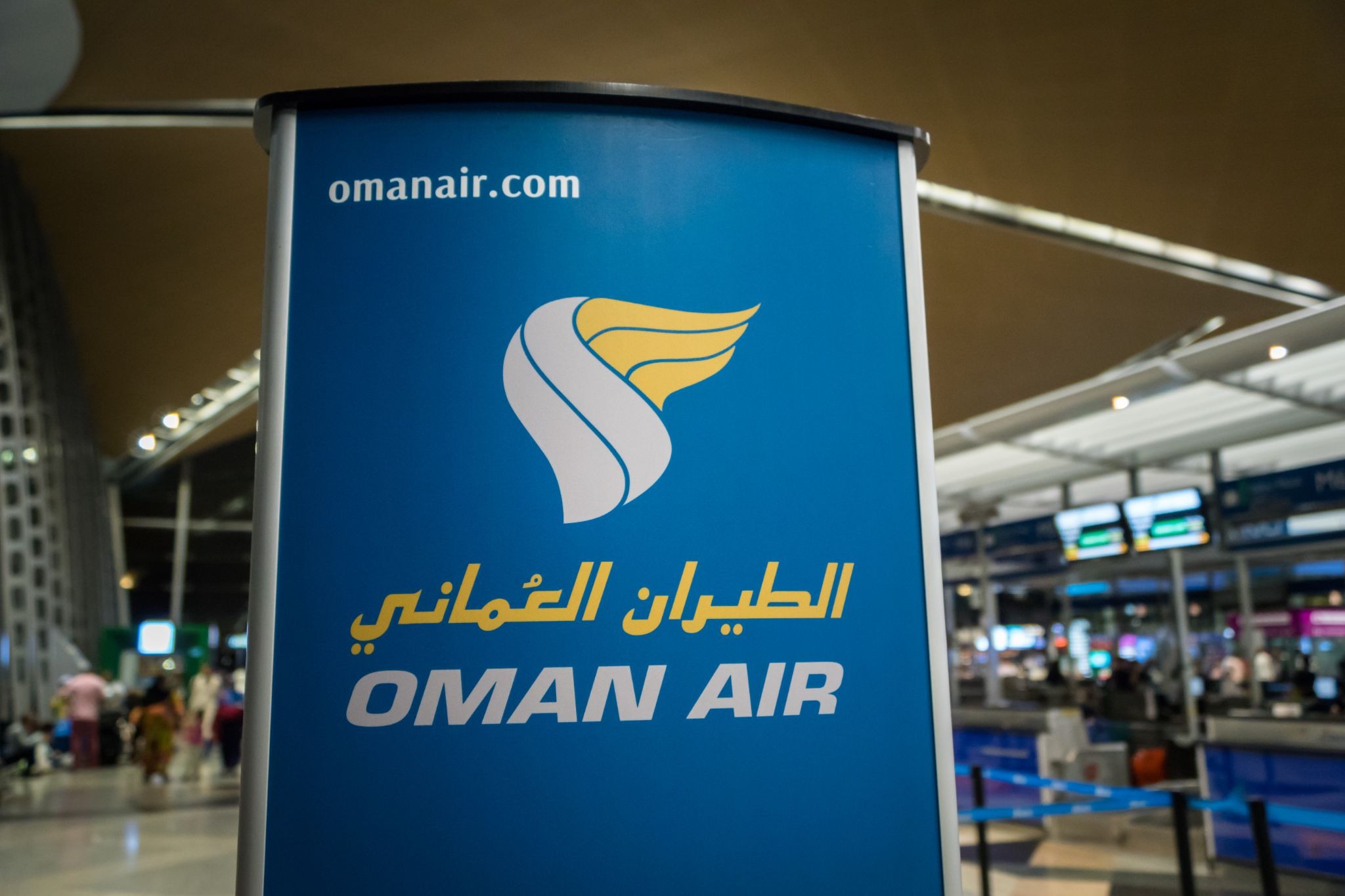
Fifth freedom flights have long been used by airlines when looking to expand reach without overcommitting resources. In this particular case, Oman Air's decision to sell tickets between Baghdad and Copenhagen is sure to give the airline an entry into a market that would otherwise be inaccessible without launching a standalone route.
For price-sensitive travelers, especially those booking economy fares, this could result in attractive options of tickets between Iraq and Denmark. It also introduces competition on a city pair that does not see a large volume of non-stop services.
From a commercial standpoint, the fifth freedom segment may be the most interesting to airlines for the whole route. In case of strong demand, that would justify continued service or could inspire similar routings in the future.
A Product for Cost Control, Not Luxury
Historically, Oman Air has been positioned as a premium-focused carrier, but recent years have brought certain changes. The airline has undertaken a broad restructuring to improve financial performance and achieve long-term sustainability.
In the process, Oman Air has significantly reduced its widebody fleet, retiring all Airbus A330 aircraft, while leaning more on Boeing 737 variants. This has reshaped the onboard experience on many longer routes-most of which would once have featured lie-flat business class seats.
On the Muscat–Baghdad–Copenhagen service, business class travelers should expect a comfortable but simplified product. Economy passengers, meanwhile, will experience a long journey in a single-aisle aircraft a tradeoff that may be acceptable when fares are competitive.
Passenger Perception & the Optics Challenge
Perhaps the most interesting part of this routing has less to do with logistics and more to do with perception. To enthusiasts, flying through Baghdad might be a novelty or even cool. To the average traveler, however, the reaction could be quite different.
Passengers booking flights between Muscat and Copenhagen, but more importantly those connecting onward from Asia or Europe, might not pay much particular attention to finding Iraq in their itinerary. Though there is nothing intrinsically unsafe about the routing, the destination does come with some specific, deep-seated preconceived notions in the minds of many travelers.
It creates the threat of surprise, confusion, or even concern among passengers who fail to pay proper attention to booking details. This is a sensitive balance for its branding and customer experience. Transparency in marketing and clear communication will be critical to preventing misunderstandings.
What this route says about Oman Air's future
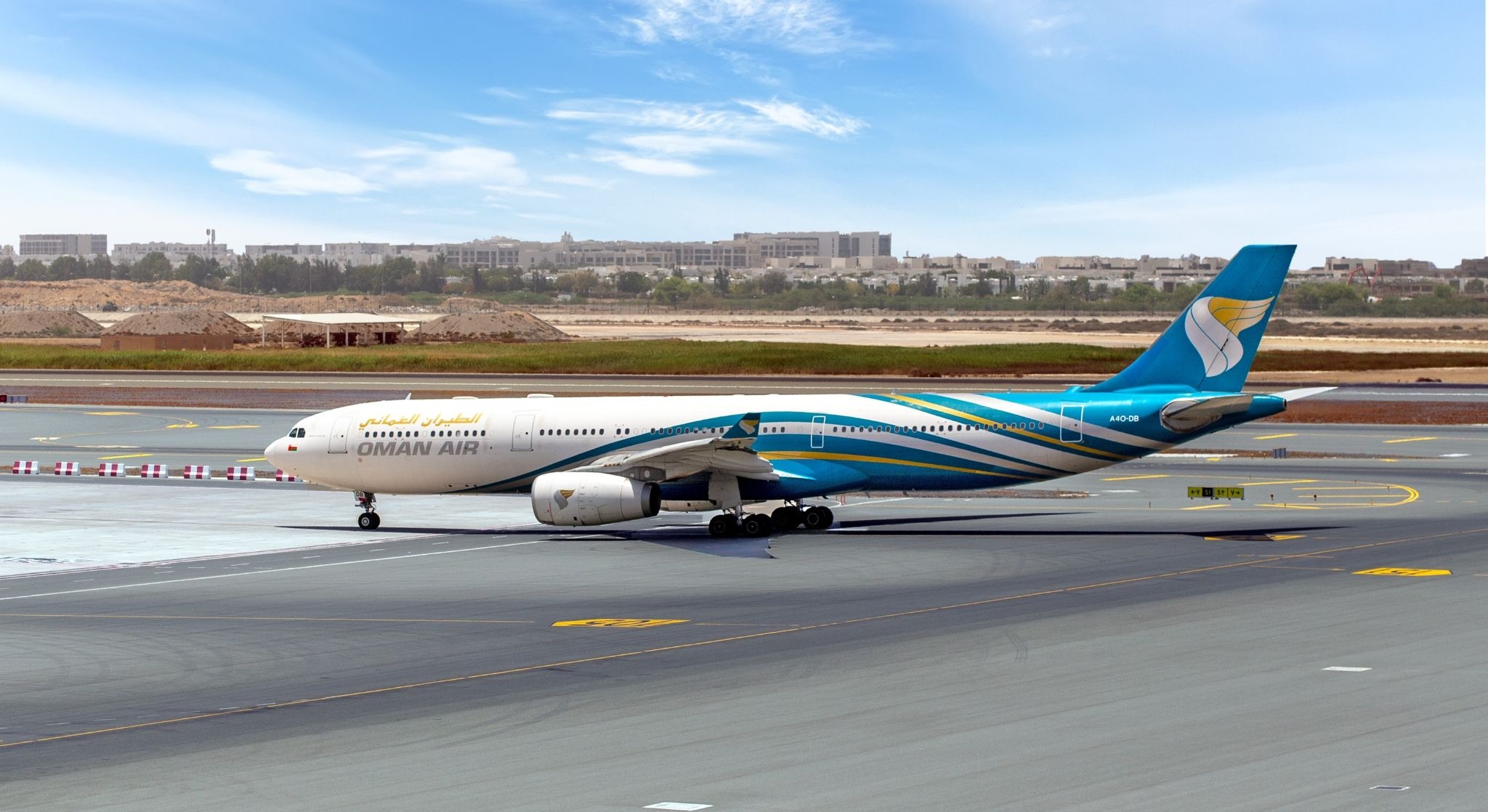
Of all, the Muscat–Baghdad–Copenhagen service offers a glimpse into how Oman Air sees its future. The carrier is no longer pursuing aggressive global expansion but is testing flexible routing, leaner operations, and targeted market entry instead.
In short, if it proves successful, there is a very good possibility of such a model being emulated elsewhere, especially in markets where demand exists but does not justify daily widebody service. It also illustrates the willingness to deviate from traditional norms on route planning, which could be quite risky but also serves as an innovative solution.
Meanwhile, the route underlines the importance of adaptability in an ever-changing aviation landscape. Airlines able to think outside the box, deploy creative uses for their fleets, and take advantage of their geographic luck may find new paths to profitability.
Final Thoughts
The decision of Oman Air to link Muscat, Baghdad, and Copenhagen together on a single flight is certainly one of the more unusual route launches seen in recent years. Geographical logic meets economic pragmatism, benefiting several markets without raising operational costs too high.
Although the stop in Baghdad may raise some few eyebrows among certain passengers, the route in itself is a calculated strategy rather than a novelty. Whether it will be a long-term success depends on how price, passenger acceptance, and sustained demand turn out across all three city pairs.
DISCOVER THE RIGHT CARD FOR YOU.
Explore our card recommendations and find a credit card that suits your personal needs.
Browse card categories
%20(1).jpg)
.svg)