.svg)

Philippine Airlines Welcomes Its First Airbus A350-1000 With All-New Cabins
.jpg)
%20(1).svg)
A major milestone in Philippine Airlines' ultra-long-haul expansion came when the airline accepted delivery of its very first Airbus A350-1000. This jet introduces brand-new cabins, a massive leap in capacity, and range to the carrier. Here are the things travelers need to know about this exciting addition to the fleet.
Overview of the Philippine Airlines Order for A350-1000 Aircraft
It currently has nine Airbus A350-1000s on order, with the first aircraft - registered RP-C3510, having entered service this past December 2025. It expects all nine to join the fleet by 2028, making it the first airline in Southeast Asia to operate the A350-1000.
These jets will form part of Philippine Airlines' strategy in ensuring ultra-long-haul operations, including flights nonstop from Manila to North America, encompassing routes to the U.S. East Coast and Canada. These are among the longest flights in commercial aviation, requiring aircraft with exceptional range and fuel efficiency.
The A350-1000 is the largest variant within Airbus' A350 family. It is currently the longest-range commercially produced airliner, with a range of up to 8,700 nautical miles, featuring outstanding operating economics on long-haul international routes.
Philippine Airlines Wide-Body Fleet Today
These A350-1000s complement Philippine Airlines' existing wide-body fleet, which currently comprises:
- 11 Airbus A330-300s
- 2 Airbus A350-900s
- 10 Boeing 777-300ERs
Interestingly, the airline had previously operated six A350-900s before shrinking its fleet during the pandemic. This was after, upon filing for bankruptcy protection in September 2021, Philippine Airlines returned four of its A350-900s as it attempted to cut costs; those eventually found their way to Lufthansa. In terms of ordering nine new A350-1000s post-shrinking, it is viewed as a strategic decision for long-term fleet modernization rather than short-term efficiency.
Its diversified fleet enables Philippine Airlines to very flexibly deploy itself on medium-haul routes, but also on ultra long-haul, gradually phasing in modern and fuel-efficient aircraft on the most demanding flights.
Seating & Cabin Layout of A350-1000
The Airbus A350-1000s are configured with 382 seats across three classes: business, premium economy, and economy. The competitive business and premium economy cabins notwithstanding, the economy layout is among the densest in the industry for a full-service airline.
Business Class-A Private and Modern Experience
Business class is configured with 42 seats in a 1-2-1 reverse herringbone layout, featuring Collins Aerospace Super Diamond seats with doors; this is the same product you'd see on Etihad's A350-1000s.
Key features include:
- 42-inch pitch
- 20.25-inch wide
- AC power, USB-A, USB-C and wireless charging
- Complimentary Wi-Fi in-flight
This configuration provides direct-aisle access to each passenger, as well as a comfortable, private space for long-haul travel.
Premium Economy Class: Comfortable and Functional
Premium Economy is smaller, with 24 seats across three rows in a 2-4-2 layout. The cabin features:
- 38-inch pitch
- 19-inch seat width
- 7-inch recline
- Charging via AC, USB-A and USB-C
Although standard, this cabin offers a more comfortable option for those economy passengers looking for extra legroom and recline on their longer flights.
Economy: High-Density Layout
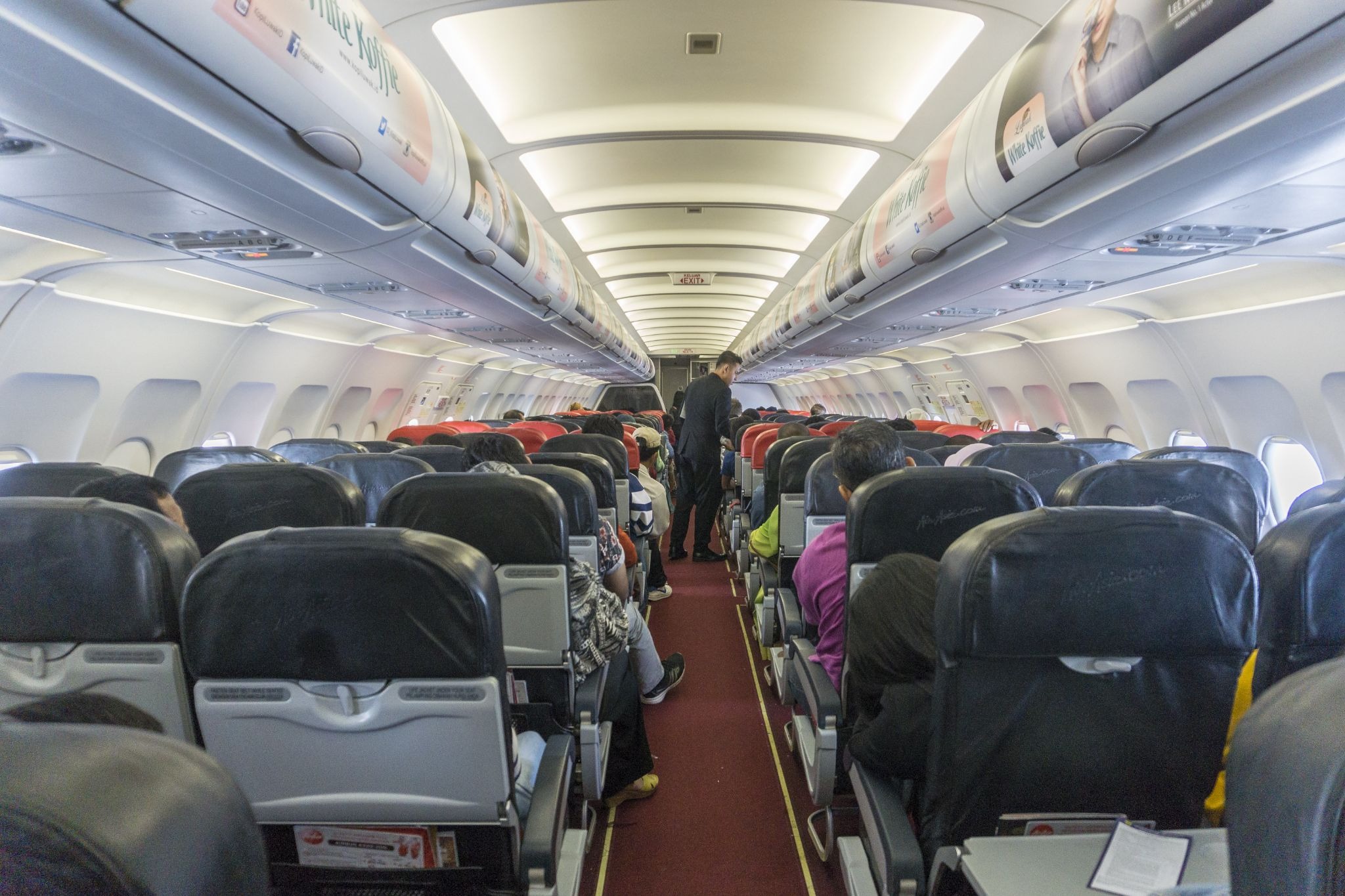
Economy is where Philippine Airlines' new A350-1000 is perhaps most notable-and potentially controversial. The cabin is configured with 316 seats, in a 3-4-3 layout providing:
- 32-inch pitch
- 16.5-inch width
- 6-inch recline
USB-A and USB-C charging
This is the first full-service airline to feature 10-abreast seating in economy on the A350-1000. Airbus slightly widened the fuselage in the latest production standard; however, at 10-abreast, it is a tight config compared to the industry norm of 9-abreast.
The dense layout maximizes passenger capacity, making the aircraft economically efficient, though passengers on long hauls-and ultra-long haul flights-may find the arrangement a little cramped.
Operating Strategy and Long-Haul Ambitions
PAL plans to operate the A350-1000s on the longest nonstop routes across North America in particular. Extended range, fuel efficiency, and modern cabin features will combine to enable the carrier to offer competitive schedules on flights that have hitherto required stops or older aircraft types.
These aircraft will also fortify the airline's business and premium economy offerings, which target those passengers that pay to have comfort, privacy, and connectivity on long flights.
While the economy is tighter, the configuration enables the airline to remain competitive both in pricing and seat availability on high-demand routes. It's a careful balance between comfort, capacity, and operational efficiency.
Cabin Experience Pros and Cons
The new A350-1000 cabins are something of a mixed bag of highs and lows:
Pros:
- Business class seats with doors and direct aisle access
- Options for modern connectivity and in-flight charging
- Premium economy is the comfortable middle ground.
Cons:
- Economy class is very dense, with little personal space.
- With the 10-abreast configuration, passengers might feel a bit uncomfortable.
- World-class experience" in economy may be an overstatement.
In all, business and premium economy passengers will have a world-class experience, while economy passengers will probably feel the tight seating on longer flights.
Fleet Outlook
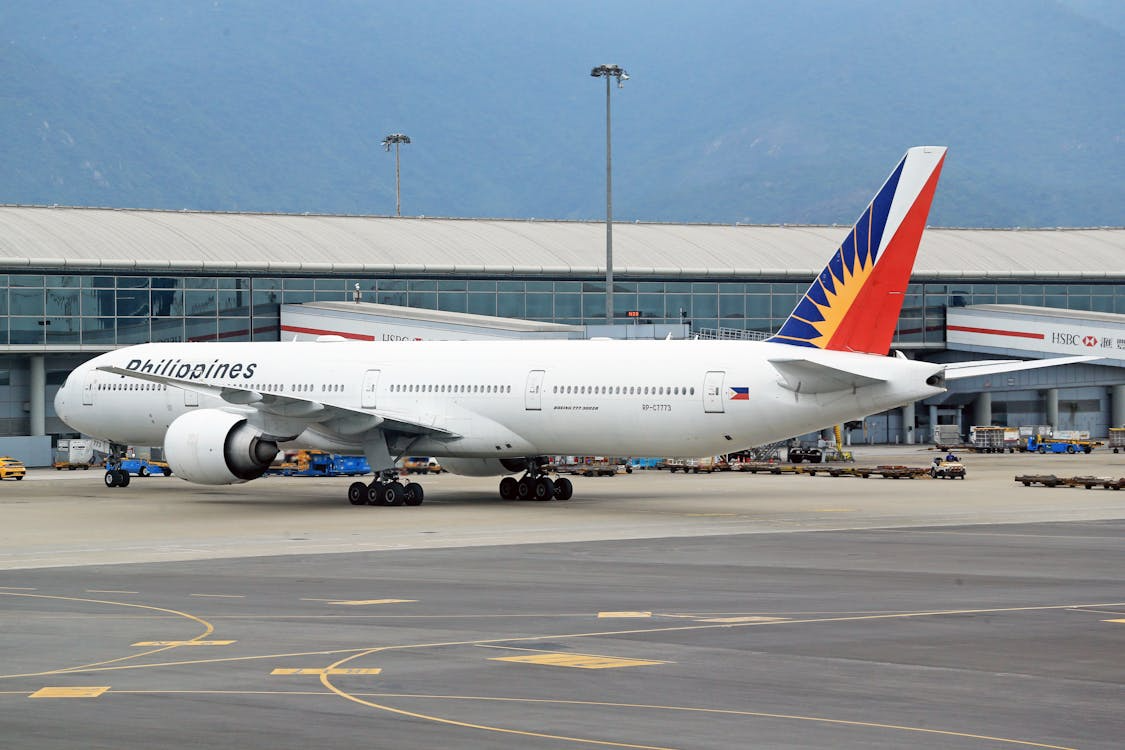
With the A350-1000s coming into its fleet, Philippine Airlines' long haul strategy comes into focus:
- Focus on ultra-long-haul non-stop flights to North America.
- Maximize aircraft utilization and passenger capacity.
- Offer modern, competitive cabins for both Business and Premium Economy travelers.
It will, therefore, be able to operate a fully modernized wide-body fleet by 2028 that is capable of flying high-density, long-haul international routes.
Final Thoughts
The first Airbus A350-1000 of Philippine Airlines introduces a range of new-era technologies, advanced range capability, and new cabin products.
- Total Seats: 382
- Business Class: 42 seats - 1-2-1 reverse herringbone with doors
- Premium Economy: 24 seats, 2-4-2
- Economy: 316 seats, 3-4-3
While economy is indeed tight, business and premium economy represent a modern, private, and connected product. With nine A350-1000s on order, the airline is poised for growth on some of the world's longest routes. Nonstop flights from Manila to North America are just the start.
This new A350-1000 offers a compelling mix of efficiency, comfort, and innovation for frequent fliers, though economy travelers should be prepared for a snug ride. In all, this signals Philippine Airlines' commitment to long-haul excellence and modern fleet expansion.
DISCOVER THE RIGHT CARD FOR YOU.
Explore our card recommendations and find a credit card that suits your personal needs.
Browse card categories
%20(1).jpg)
.svg)