.svg)

Ryanair Axes Its $91 Prime Membership: Why the Airline Pulled the Plug So Quick
%20(1).svg)
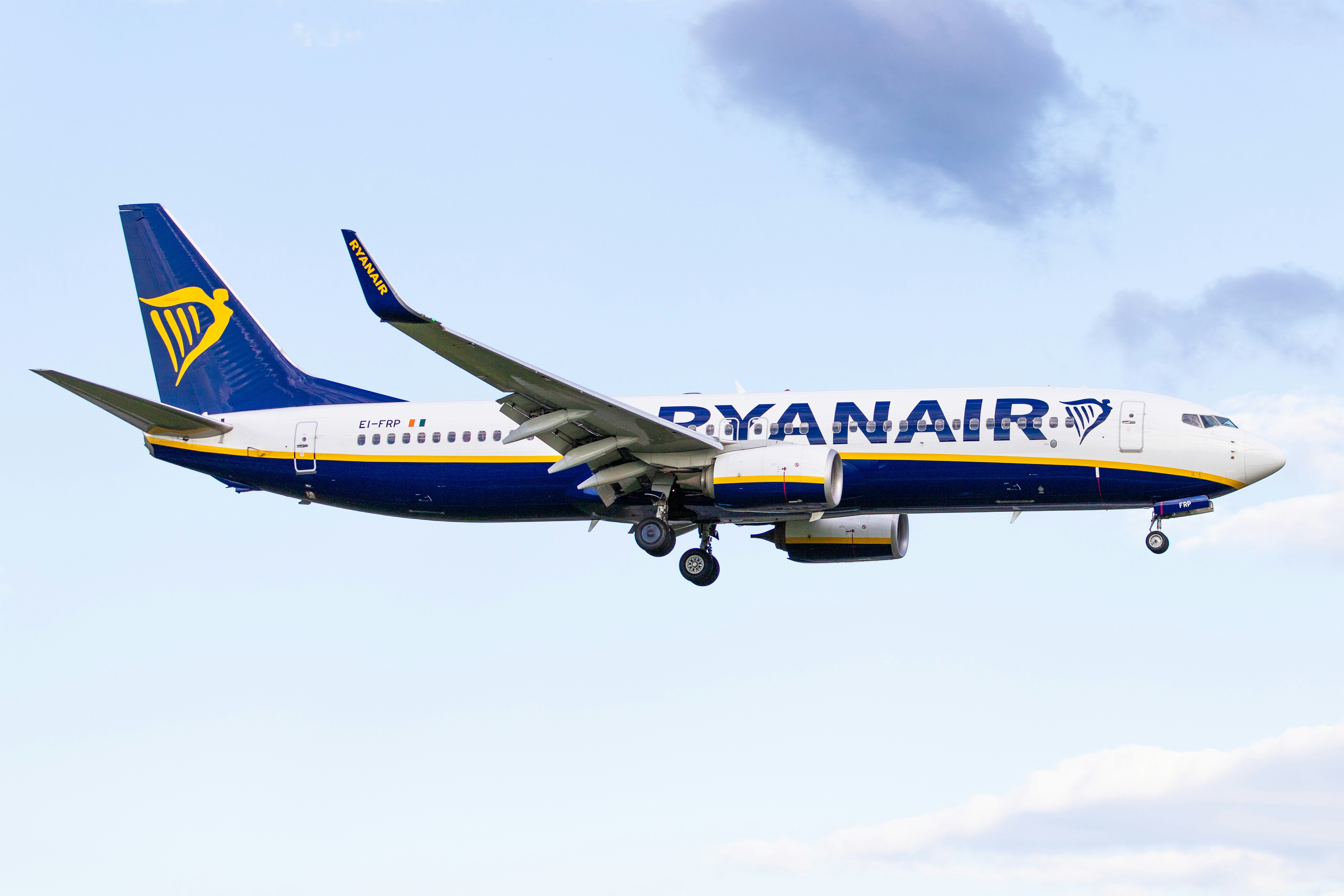
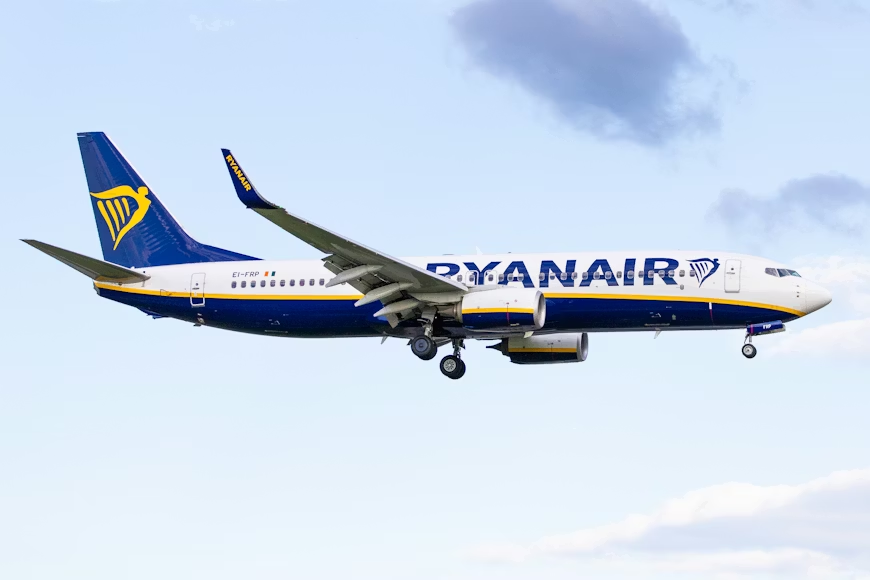
Ryanair has never been shy about chasing revenue opportunities, but even the most aggressive of low-cost carriers sometimes misfires. That would be exactly what happened with Ryanair Prime, the carrier's short-lived annual subscription promising perks for frequent flyers. Just eight months after its rollout, the carrier is pulling the plug on the program, blaming its own generosity as the reason it failed.
But beneath this gleaming corporate explanation lies a far greater tale of customer behavior, economics, and the limitations of loyalty programs for ultra-low-cost carriers.
A Paid Loyalty Program That Never Took Off
Priced at $91 per year (€79 ), when Ryanair launched Prime, the company positioned the add-on as a premium product that could make flying more predictable and feature-rich without giving up Ryanair's super-low fares.
The membership promised three core benefits:
- Complimentary seat selection on up to a dozen journeys
- In-built travel insurance
- Exclusive sales available only to Prime subscribers
It had hoped that as many as 250,000 travelers would jump on board. Instead, fewer than 55,000 signed up less than a sliver of the airline's annual customer base of more than 200 million passengers.
Despite the branding push, the program didn't take off. The airline now claims that the perks were simply "too generous," but a low adoption rate tells a different story, Ryanair customers didn't see enough value in Prime to justify the cost.
The Numbers Didn’t Work, And Not for the Reason Ryanair Claims
Ryanair has issued a simplified financial snapshot to support its shutdown decision:
- About $5.1 million in subscription revenue
- Discounts given to Prime members: about $7 million
On its face, that sounds like a giveaway problem. But deeper, the problem is demand. If the airline hit its goal of 250,000 signups, subscription revenue would have been more than four times greater. Operational costs would have been spread out across a larger, more engaged user base. The economics might have looked dramatically different.
Instead, the airline built a loyalty product targeted at frequent flyers-but Ryanair's core audience isn't dominated by frequent flyers. It's dominated by bargain hunters, people who chase the lowest fare, not long-term loyalty perks.
It was an attempt by Ryanair to sell a subscription to customers who usually avoid paying for anything more than the ticket price.
Why Ryanair Prime did not fit the model of an ULCC.
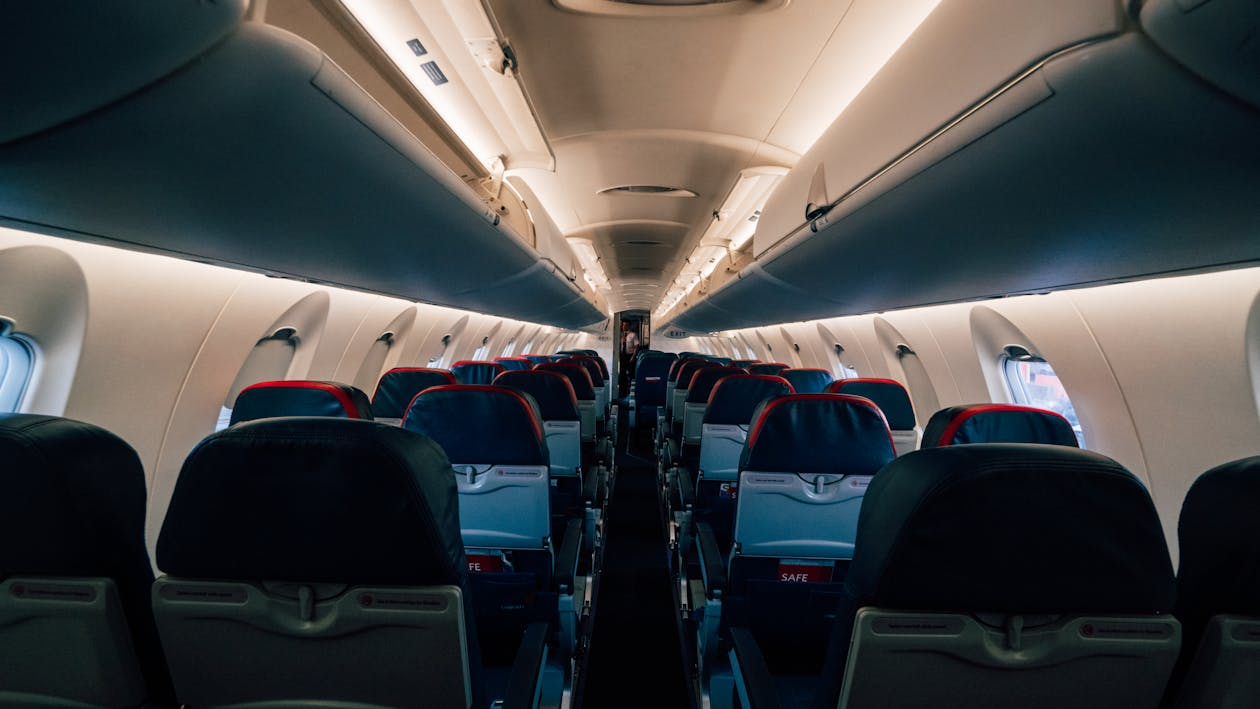
On ULCCs, the base fare is often little more than a hook, and the real revenue lives in ancillary upsells.
- choosing seats
- baggage
- insurance
- priority boarding
- convenience fees
By offering free seat selection, bundled insurance, and monthly promotions to Prime customers, this airline was in essence telling their highest-value customers:
“Pay once, and we'll stop charging you for some of our most profitable extras.”
ULCC's point of view: that is self-destruction.
Here's how Prime cannibalized Ryanair's bread-and-butter revenue:
- Free seat assignments removed a major source of ancillary income.
- Included insurance replaced a product the airline normally sells at margin.
- Exclusive monthly deals further eroded the fare prices.
In other words, Ryanair created a subscription model that undercut its business strategy-a mismatch that was bound to be hard to maintain.
The Hidden Operational Pain behind the Decision
Ryanair officials have also indicated that, for so few members, it just wasn't worth the time and effort to maintain Prime. The backend operations of a subscription program create serious complexity, in particular for a carrier optimized for simplicity.
Consider the following systems:
- Different pricing rules for Prime versus non-Prime customers
- Seatmap logic which automatically recognizes complimentary seat selection
- Customer support training for special-case issues
- Monthly sales are coordinated between revenue management, IT, and marketing.
When only 55,000 people are benefiting, that operational overhead begins to look less like an investment, and more like unnecessary drag.
The airline might say that was too generous, but another truth is that Prime caused headaches with little payoff.
Ryanair Rebrands the Failure as a “Trial”
Perhaps the most convenient part of the company narrative is its latest claim that Prime was always an "8-month trial." Marketing materials from the launch period never framed it that way. Customers were sold a 12-month membership, not invited into an experimental beta.
This retroactive re-framing allows Ryanair to control the story.
- If the program had been successful, Ryanair would have trumpeted it as a bold loyalty innovation.
- Since it didn't, it's being reshaped into a temporary test that simply “proved too popular.”
It's a familiar corporate play: rewrite the narrative to soften the optics.
Paid Loyalty Programs Aren't the Problem - Ryanair's Version Was
A few airlines have managed to make paid loyalty subscriptions work, even in the low-cost space. Probably the most popular example is the Megavolotea of Volotea, which keeps attracting members and has been running for years.
Why does Megavolotea thrive while Prime fizzled?
- Volotea has constant small discounts, not big freebies.
- These benefits extend to the member and several traveling companions.
- Discounts integrate naturally in their fare structure.
- Program appeals to passengers traveling between the same regional cities on a regular basis.
Volotea has trimmed the margins in a way that continues to be predictable and controllable.
On the other hand, Ryanair:
- Gave away high-margin items outright
- Promised free seats rather than cheaper seats
- Introduced layered discounts with unclear value
- Marketed towards a customer base trained to purchase the cheapest fare available
It led to a program that didn't connect with customers and conflicted with the economics of the ULCC model.
What this means for Ryanair going forward
Ryanair says it will now "refocus on offering low fares for everyone." There's nothing surprising about that-the airline has always prided itself on lowest-price dominance rather than membership perks.
Yet, the death of Prime does reveal some important lessons about ULCC loyalty:
1. Demand was weaker than expected.
- Even with meaningful benefits, the program attracted just 55,000 customers.
2. Ancillary revenue is too important to compromise.
- Freebies that are undercutting high-margin upsells are unsustainable.
3. Subscription requires heavy operation resource input.
- Operating such a complicated paid program for just a tiny percentage of passengers isn't worth it.
4. Customers behave transactionally, not loyally, towards Ryanair.
- They chase cheap fares, not membership clubs.
While the official explanation, according to Ryanair, has to do with generosity, the actual problem is structural: Prime didn't fit the airline's business model or its customer psychology.
The Larger Lesson for the Airline Industry
Paid loyalty can absolutely succeed, but only when thoughtfully designed in tune with customer behavior and carrier economics. Ryanair tried to graft a hybrid subscription model onto a system designed around simplicity, high ancillary revenue, and one-off transactions.
The result was predictable:
- Low adoption
- Cannibalized revenue
- Administrative burden
- An immediate discontinuation
Rather than a strategic misstep, Ryanair opted for the friendlier narrative. Behind the PR gloss, though, facts are facts: Prime failed because it wasn’t the right product for Ryanair’s market or business model.
DISCOVER THE RIGHT CARD FOR YOU.
Explore our card recommendations and find a credit card that suits your personal needs.
Browse card categories
%20(1).jpg)
.svg)