.svg)

SAS Is Making the Biggest Fleet Investment in Its History and the Strategy Behind It Is Worth Understanding

%20(1).svg)
It has been an interesting period for Scandinavian Airlines over the past couple of years. Having undergone a prolonged process of restructuring, switching allegiances to leave Star Alliance in favor of joining SkyTeam, and having received a sizable investment from Air France-KLM changing its position in the global aviation environment, the carrier seems poised to make a move showing just how much it is serious about the next stage in its development.
SAS is launching a massive investment program aimed at acquiring up to 40 Airbus wide-body aircraft in the coming years. The investment in the form of ordering 18 firm A330-900neos and a possible further acquisition of 10 aircraft of the same type plus a separate order for 12 used A330-300s can be viewed as the biggest investment in the company's history.
What SAS Actually Ordered and Why the Mix Matters
The fleet announcement has two distinct components, which reflect both long-term vision and short-term operational reality.
As far as the part related to new aircraft is concerned, the company has decided to place an order for 18 Airbus A330-900neos with further option of acquiring 10 aircraft of the same type, which means that the total number of aircraft may reach 28 in the future. As far as the deliveries of the A330neos are concerned, they are expected to start only in the early 2030s.
To ensure some kind of growth in the meantime, SAS is going to acquire 12 second-hand A330-300s. The A330-300 has not been produced for many years already, which means that 12 aircraft ordered by SAS will be delivered via the second-hand market.
The rationale behind the two-part order of aircraft is clear. The announcement of 18 new A330neos with deliveries starting in the early 2030s gives the impression that the company is taking a long-term view at its development and shows the direction in which it is heading; however, this does not solve any problems in the immediate future. Second-hand A330-300s, on the other hand, are giving the company an opportunity to develop and expand its network while waiting for the newer aircraft to enter its fleet.
The A330-900neo and Why It's the Right Aircraft for SAS
For people unfamiliar with Airbus wide-body family, A330-900neo is the latest version of one of the company's aircrafts designed to fly long-haul routes. The latest version of A330 is fuel-efficient, features extended range of flight, quiet engines and Airbus cabin experience that the manufacturer has introduced recently. There are two versions of A330-900smaller one and bigger, and SAS has chosen the latter, which means that each plane will be able to carry up to 287 passengers at a range of 7,350 nautical miles.
Such characteristics of the aircraft perfectly match the goals of SAS. Since the primary focus of the company is the flights from Scandinavia to North America, East Asia and the Middle East, A330-900neo perfectly fits in such operation due to its range. Furthermore, the economics of such aircraft will be much better than that of the old A330-300s.
This investment was described by SAS CEO Anko van der Werff in an appropriate manner as "defining investment" for a company operating for 80 years and connecting Scandinavia with the rest of the world. In addition, SAS has conducted some socio-economic analysis that shows impressive results for the future. The projected growth could provide an additional 25,000 jobs and contribute $3.8 billion to the GDP of the region in 2030.
Copenhagen Becomes the Unambiguous Center of Gravity
In addition to ordering the aircrafts, SAS continues its strategic development by focusing on making Copenhagen Kastrup its center of gravity when it comes to long-haul flights. In the past, SAS distributed its long-haul operations across three hubsCopenhagen, Oslo and Stockholm, but the company realized that concentrating flights at a single hub is better and more effective. With Copenhagen having the right geographical location, proper infrastructure and a big enough catchment area, it is an ideal choice to become the airline's international hub. Furthermore, the Air France-KLM aspect makes such a strategy even more coherent for the group.
The focus of SAS on Copenhagen Kastrup instead of three hubs is the following:
- Long-haul flights are being concentrated at a single hubCopenhagen Kastrup, instead of three hubs
- A single hub helps to increase connectivity and load factors
- A single hub avoids thin schedules across multiple airports
- Copenhagen has proper location and infrastructure to support an international hub
- It perfectly fits the strategy of Air France-KLM
In recent years, Air France-KLM was developing its own strategy and has been trying to create a three-hub system of operation with Paris Charles de Gaulle Airport and Amsterdam Schiphol Airport being its major hubs. By concentrating its operations at Copenhagen, SAS becomes the third complementary hub, which gives travelers the choice of connecting between three major hubs in Europe, and, together with feeder networks of the combined group, it provides access to much of Northern and Western Europe.
What Happens to the Existing Fleet
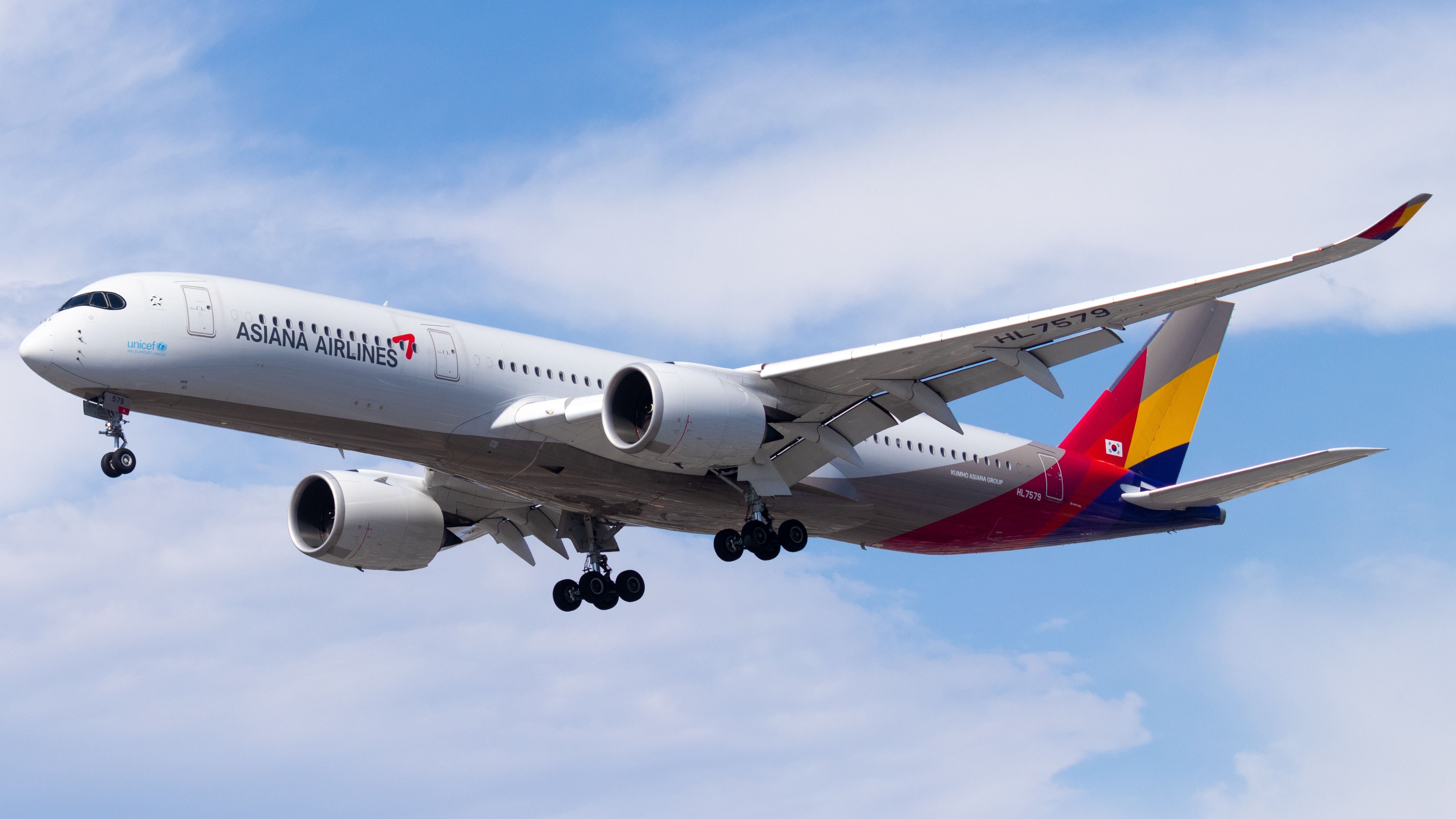
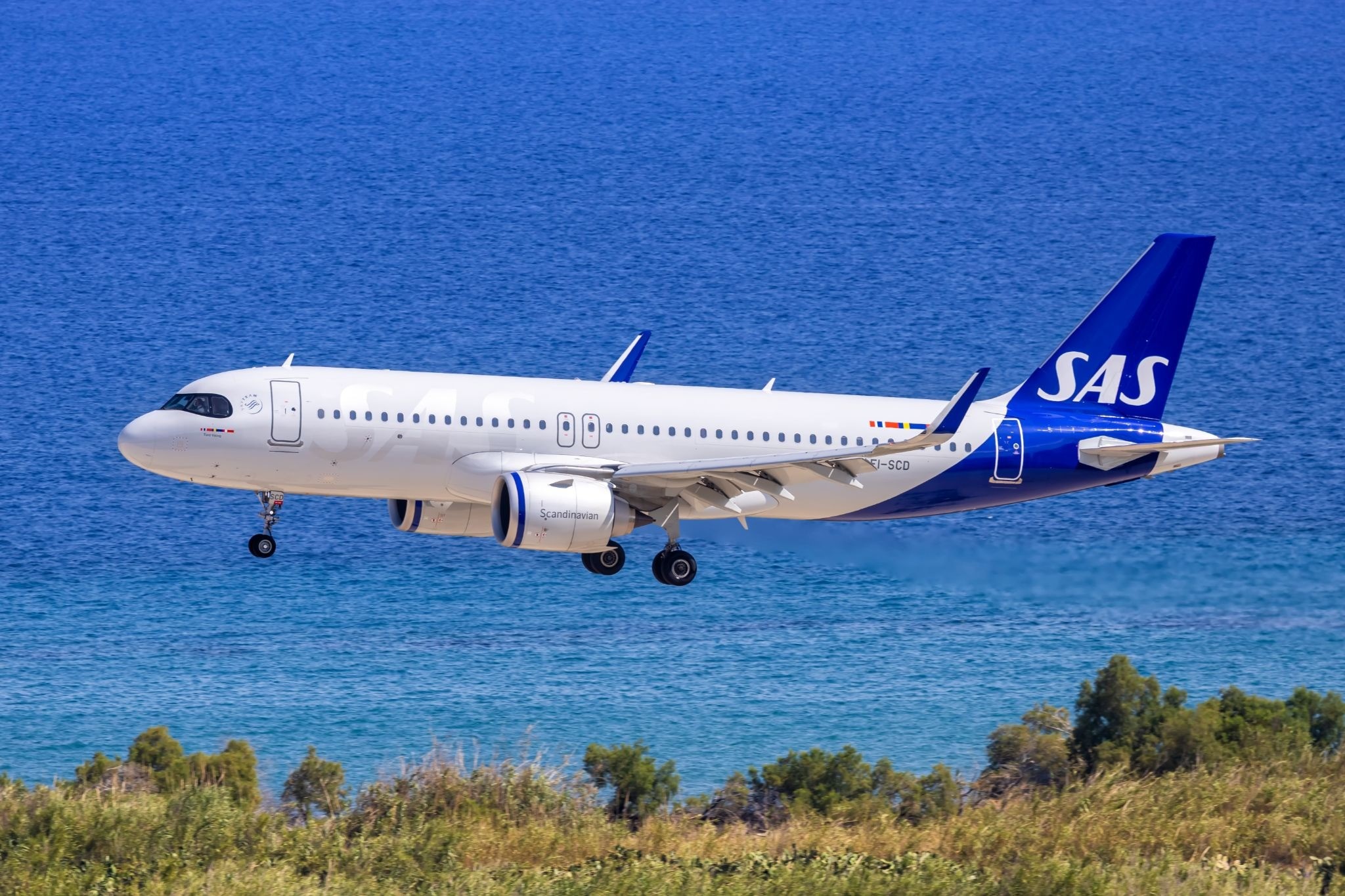
At the moment, the entire long-haul fleet of SAS is based on Airbus aircraft only. It includes six A350-900s, eight A330-300s and three A321LRs. Ordering 18 firm A330-900neos with possibility of acquiring further 10 aircraft gives rise to many questions regarding the current SAS long-haul fleet composition after the deliveries of the ordered aircrafts commence.
Unfortunately, such questions cannot be answered at the moment. Are the existing A330-300s going to be retired or stay with the new ones as additional capacity? Where do A350s fit in the future fleet? How are A321LRs going to operate alongside A330-900neos? None of those questions have been answered yet.
The Bigger Picture for SAS Travelers
From the point of view of passengers who use SAS or plan to do it, such an order can be viewed as the signal that the company has serious plans and is investing money in the future. The decision of ordering the largest aircraft fleet in the history of the company shows that the company is planning to operate in the future and is planning to compete.
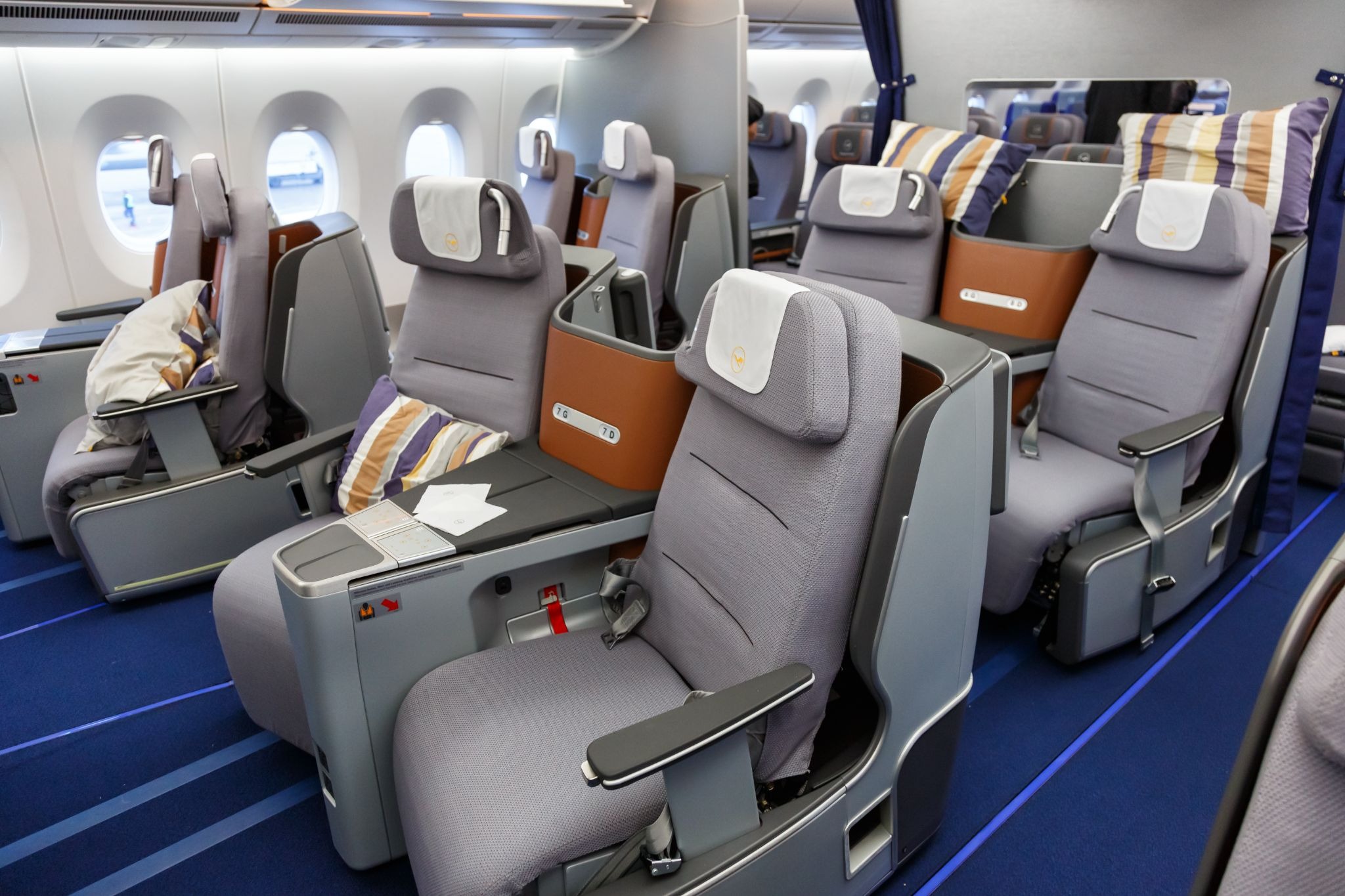
The second-hand A330-300s acquired by the company will give the customers their first impression of SAS in the next couple of years. In the early 2030s, when the new A330-900neos arrive, they should give the airline an opportunity to install the improved premium cabin products and cabin technologies required for competing with its SkyTeam partnersAir France and KLM.
EuroBonus members and other SkyTeam passengers will be interested in the development of the route network of SAS, which, according to the projections, will provide more connectivity through the SkyTeam hubs in the future.

The Bottom Line
SAS is ordering up to 40 Airbus wide-body aircraft in the future, including 18 firm orders of A330-900neos with options for 10 further deliveries plus separate order of 12 second-hand A330-300s. All the deliveries of the new A330s will start only in the early 2030s, which makes this investment program long-term. The strategic rationale is clearconcentrate long-haul operations at Copenhagen, improve relations with Air France-KLM and build up the network and the fleet to compete globally.
DISCOVER THE RIGHT CARD FOR YOU.
Explore our card recommendations and find a credit card that suits your personal needs.
Browse card categories
%20(1).jpg)
.svg)