.svg)

Scoot Flight Attendant Jailed for Stealing Thousands on Hundreds of Flights
.jpg)
%20(1).svg)
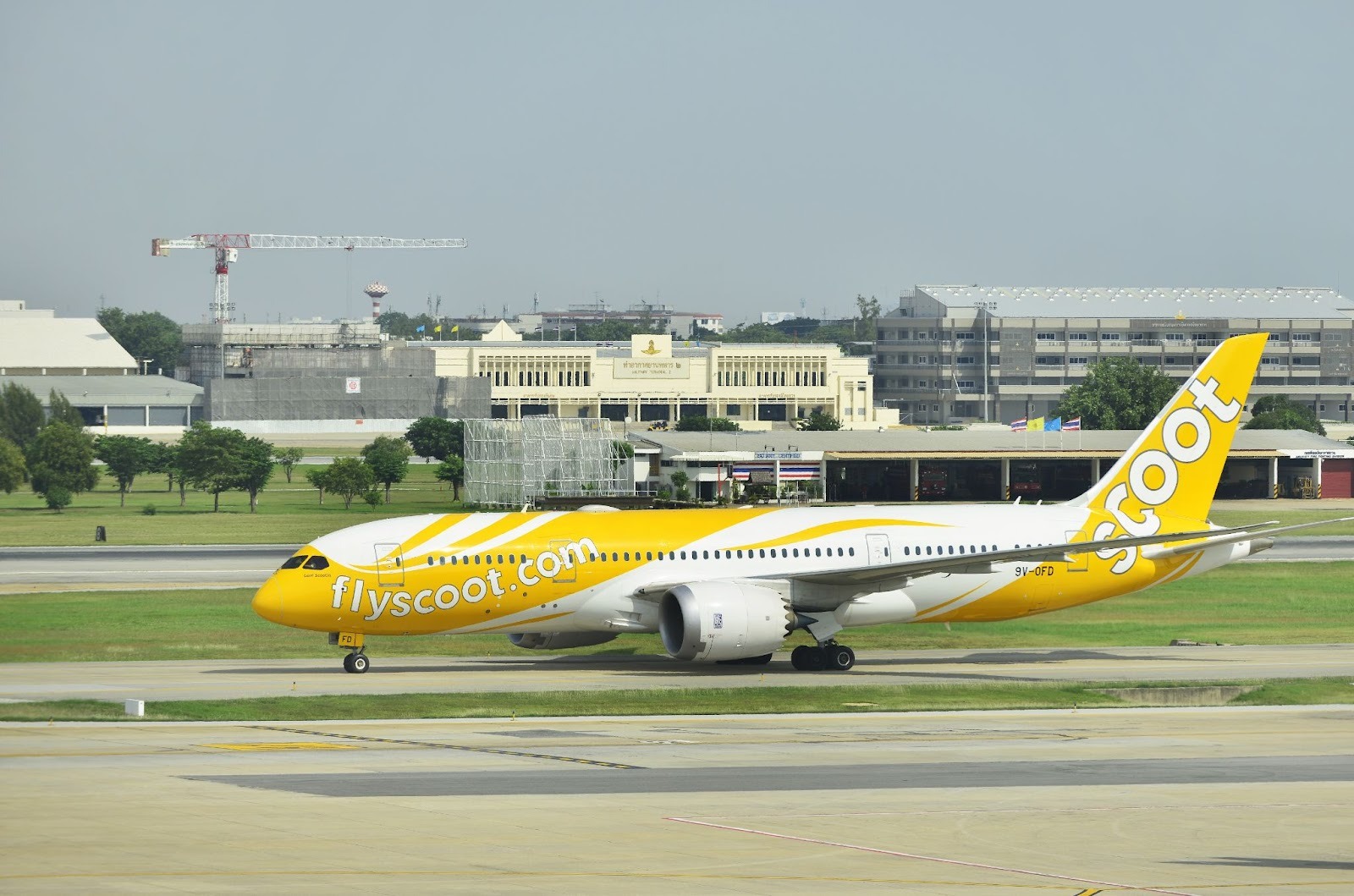
A startling situation has occurred in the aviation industry of Singapore, the low-cost subsidiary of Singapore Airlines, where a former flight attendant in the Scoot airline has been arrested on charges of embezzling thousands of dollars in hundreds of flights. The article, authored by The Straits Times, brings out the fact that the theft which was a simple mistake had gone unnoticed until almost two years later and had gotten out of control.
Between Simple Mistake and Repeated Theft
The person who is in focus of this case is a 31-year old former flight attendant who was also an inflight supervisor at Scoot. This employee is reported to have committed 366 instances of theft between July 2023 and March 2025 and eventually made off with an approximate of $31,000 USD.
The case started with the inflight sales system of the airline that necessitated supervisors to handle cash that had been raised through food and beverage sales. Although currently most airlines have become cashless, Scoot was still accepting cash payment. Supervisors would deposit the money collected in Brink security bags, categorize the sales in the system of the airline and transport the money to the Scoot office in Singapore within 48 hours of landing.
In July 2023, however, the flight attendant lost two cash bags but failed to inform his employer. The employee was said to be afraid of being disciplined and this is the reason why he had to hide the incident. Astonishingly, the airline did not directly challenge him in the first place. This non-immediacy seemed to give the person courage to persist in stealing the cash during later flights and form a repetitive cycle of robbery.
Scale of the Theft
The robbery happened in two key stages:
- July 2023- March 2024- The flight attendant stole cash on 156 flights and earned about 14,000 USD.
- April 2024 and March 2025: 210 more flights were stolen with the additional amount of $17,000 USD.
The stolen funds were reportedly used to pay debts owed to unlicensed moneylenders and this enlightened the investigators on the potential motive behind the recurrent theft. Although the situation was likely to indicate financial need, the acts were unlawful and had severe implications according to the law of Singapore.
Examining the Rationality of the Plan
The reasoning of the recurrent theft appears puzzling at first sight. What could be the reason of losing two bags to conclude by stealing hundreds more? The reason seems to be the fear-related factor: the flight attendant, afraid that the supervisors would identify the character of the initial losses, it can only be assumed that the flight attendant believed it was safe to keep the money to all the flights and not report the mistakes.
The sequence of events indicates the existence of a universal psychological trap: minor errors will lead to greater ones under the influence of fear and anxiety. As soon as the employee knew that the first wrong steps did not lead to the immediate repercussions, it probably strengthened the idea that the behavior could be maintained without being noticed.
However, Singapore has a reputation of being very strict in the implementation of laws and currency related offenses such as this one are hardly unpunished. The danger of jail term and criminal record is far more serious than the short run benefit, thus the risks of such plans are evident.
Legal Consequences
The ex-flight attendant has been accused of criminal breach of trust, which is a grave crime according to the Singaporean law. This charge may attract a multi-year prison term depending on the result of the legal procedure.
Criminal breach of trust entails a typical abuse of property or funds entrusted to a person more so when it is a willful and repeated act. Since this case involves hundreds of incidents in almost two years, it can be discussed as a serious violation.
Lessons from the Incident
The case is a warning to airline personnel and employees in a position of trust in any industry:
Minor errors can easily get out of control: One misplaced bag of cash boiled down into stealing more than 300 flights. It is always safer to report the errors as soon as possible than to attempt to conceal them.
Fear may obscure judgment: Minimally, by acting out of fear of punishment, a person may commit a worse error than the one he is feared of.
Singapore has strict financial laws: The state is known to be zero tolerance to the issue of theft and fraud. Individuals who are tempted to misuse systems might be dealt with harshly.
Financial desperation does not cover it: Although debts or personal financial strain may be the cause of wrongdoing, it does not mean that there are no legal consequences.
General implications on airlines
In the case of airlines, effective cash-handling procedures and internal auditing are stressed. Scoot was using inflight supervisors to take care of the cash collections but the theft took several months before it was noticed. The following are some of the safeguards that airlines may consider:
- Routine checks of onboard cash and computer records.
- Established guidelines on how to report on lost or missing money.
- Employee turnover to avoid having an individual dealing with all the cash transfers.
- Cashless transactions to minimize the possibility of theft.
By taking these measures, vulnerabilities can be reduced and the airline and the passengers can be secured.
The Human Side of the Story
Although the stealing is a crime, it should be noted that there is a human aspect of this story. It is said that the employee was under pressure posed by debts to unlicensed moneylenders thus affecting poor decisions. This indicates that financial literacy and staff support programs, such as guidance to the personnel with personal financial problems, are necessary.
Meanwhile, the case emphasizes individual responsibility. Under whatever conditions, stealing an employer is a violation of trust, which may have far-reaching effects on careers and law.
The Bottom Line
In summary, the Scoot flight attendant case is a striking example of how a single error can snowball into a major legal issue. The employee’s decision to conceal two lost cash bags ultimately led to theft on 366 flights, amounting to approximately $31,000 USD, with the funds allegedly going toward repayment of personal debts.
Singapore’s strict approach to financial crime ensures that such schemes rarely end without consequences. For employees and employers alike, this serves as a reminder that:
Honesty and transparency are essential in roles involving trust
Procedural compliance protects both staff and the organization
Legal and ethical missteps have real-world ramifications
While the story is extraordinary, the lessons are universal: integrity, adherence to policy, and proactive reporting can prevent minor mistakes from becoming major crises. And for anyone working in industries with financial responsibilities, it reinforces the importance of ethical decision-making, regardless of personal pressures.
DISCOVER THE RIGHT CARD FOR YOU.
Explore our card recommendations and find a credit card that suits your personal needs.
Browse card categories


%20(1).jpg)
.svg)