.svg)

Seattle’s Hotel 1000 Makes a Bold Loyalty Shift From Hilton to Hyatt
.jpg)
%20(1).svg)
The hotel scene in Seattle is experiencing a significant change. One of the most iconic boutique luxury hotels in the city, Hotel 1000, is officially ending its affiliation with Hilton’s LXR Hotels & Resorts brand and is set to become a part of Hyatt’s Unbound Collection. This change is taking place rapidly, and it has generated a lot of discussion among regular travelers and hotel enthusiasts.
On the surface, this may appear to be simply another brand switch. However, if you take a closer look, particularly at the competitive hotel market in Seattle and the overall performance of Hilton’s LXR brand, there are certainly some interesting questions that arise.
Let’s walk through what’s occurring, why this trend is surprising, and what might be indicated about the future of luxury “soft brands” in the hotel space.
Hotel 1000’s Brand Transition Timeline
Hotel 1000 is set to officially leave the Hilton chain on January 22, 2026. This is according to a notice posted on the hotel’s website, which states that the change will take effect at midnight on that date.
Once the transition happens:
- The hotel will cease to be a Hilton affiliated property
- Stays after January 22, 2026, will not earn Hilton Honors points
- Existing reservations are still valid, but loyalty rewards are no longer applicable
Guests who have questions are being told to contact the hotel directly, which is an indication that the transition is being managed by the hotel itself and not through the Hilton reservation system.
Where Is Hotel 1000 Headed Next?
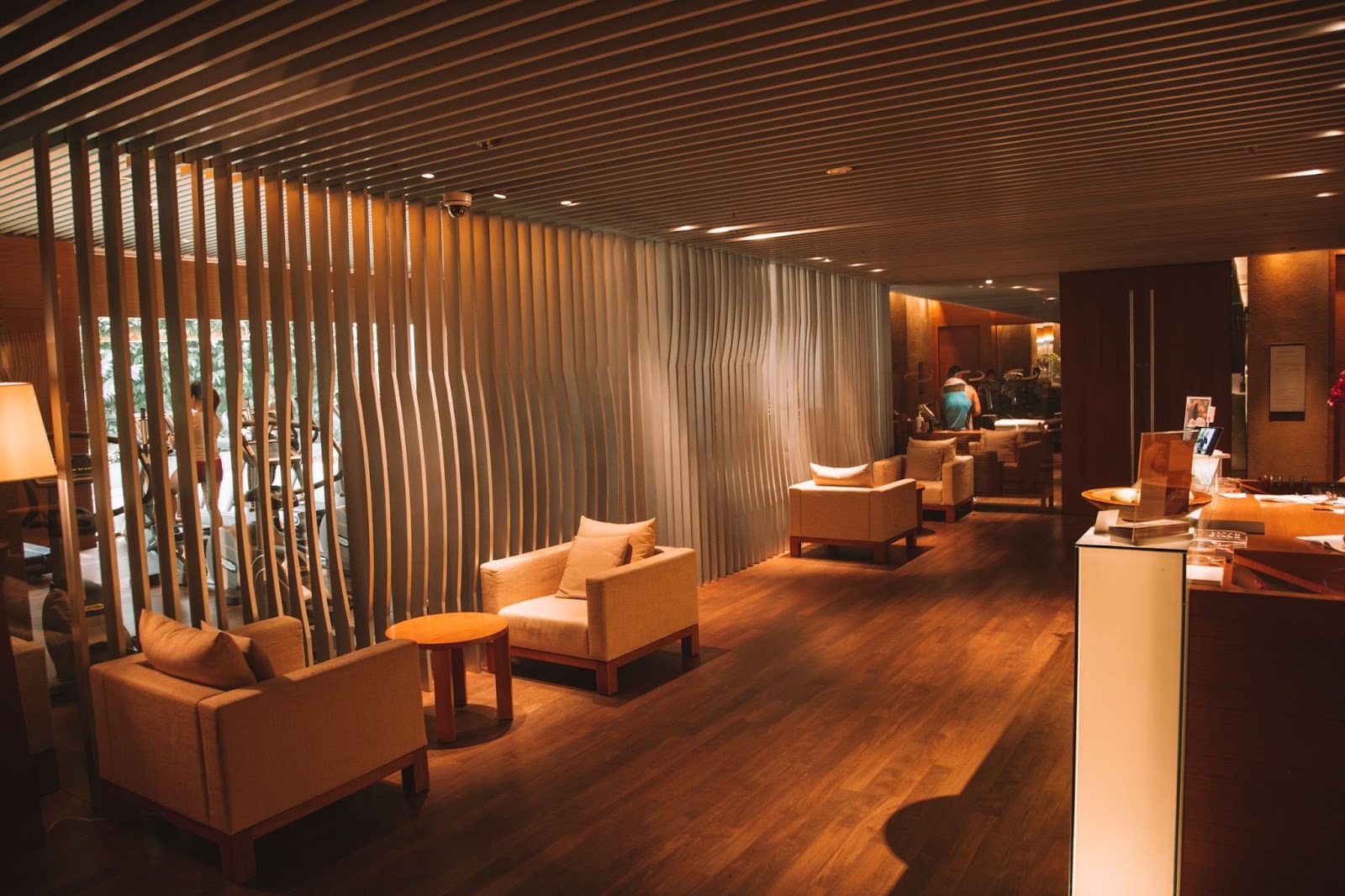
Although Hilton is losing this hotel, Hyatt is gaining it.
Hotel 1000 has already been included in the development pipeline of Hyatt as a future addition to the Unbound Collection, which is a collection of independent luxury hotels with character. This collection is intended for hotels that want global distribution and loyalty benefits without losing their unique identity.
Once the transition is finished, Hotel 1000 will become one of the boutique luxury brands of Hyatt in downtown Seattle, a city in which Hyatt has a strong presence.
A Brief History of Hotel 1000
Hotel 1000 has never been a traditional cookie-cutter chain hotel. Since its opening in 2006, it has always been a modern, upscale boutique hotel with a strong local flavor.
Here is a quick timeline:
- 2006: Opened as an independent luxury hotel
- 2016: Loews Hotels takes over management of the property
- 2021: Added to Hilton’s LXR Hotels & Resorts brand
- 2026: Expected to open as part of the Unbound Collection by
It is worth noting that its affiliation with Hilton LXR in 2021 was the first time the hotel had been part of a large global loyalty program. This affiliation will now be for a period of just over four years.
Why This Move Feels Unexpected
From a strategic point of view, this is a surprising transition for two key reasons, both of which are market-related.
1. Hyatt Is Already Dominant in Seattle
Seattle is one of the strongest markets for Hyatt in the United States for full-service and upscale hotels. Hyatt has been able to establish a strong presence in Seattle despite having a loyalty program, World of Hyatt, which is much smaller compared to Hilton Honors or Marriott Bonvoy.
This makes Hotel 1000’s decision rather confusing. One of the largest benefits of affiliation with a large hotel brand is the ability to leverage the demand created by its loyalty members. In theory, affiliation with a brand that has fewer hotels in the same market should lead to more incremental room sales.
As a result, Hyatt further strengthens its already strong position in Seattle, while Hilton loses its only luxury-adjacent property in the city, leaving travelers loyal to Hilton without a high-end option.
In terms of competitive balance, the situation seems one-sided.
2. Hilton LXR’s Ongoing Identity Struggles
The move also reopens debate about Hilton’s LXR brand in general.
LXR Hotels & Resorts was launched in 2019 with the aim of establishing a flexible, independent-style luxury brand within the Hilton fold. The concept was attractive: allowing hotels to maintain their uniqueness while leveraging the size and loyalty program of Hilton.
However, a number of red flags have come to light over the years.
A Pattern of Properties Leaving LXR
Certain well-known LXR hotels have already left the brand, including:
- Al Habtoor Palace Dubai, the very first property of LXR Hotels &
- The Biltmore Mayfair in London, a market in which Hilton would appear to desire a robust luxury footprint
The loss of Hotel 1000 further contributes to the impression that LXR has difficulty retaining staff.
Is LXR Too Flexible to Be Luxury?
One of the strengths of LXR, its flexibility, could also be seen as a weakness. Unlike more precisely defined luxury brands, LXR allows its owners broad flexibility in areas such as design, service style, amenities, and the overall guest experience. While this flexibility appeals to hotel owners, it can make the brand experience less consistent for consumers.
In practice, this inconsistency is apparent. Some LXR properties feel genuinely luxurious, while others lean more toward an upscale lifestyle rather than true luxury. Overall, the brand lacks a clear and distinct identity in the minds of travelers.
This ambiguity can have real consequences. Hilton Honors members may find it harder to identify LXR hotels when searching, which could limit the brand’s ability to drive bookings and fully leverage loyalty program demand.
What This Means for Travelers
For customers, the impact depends on loyalty preferences. Hilton Honors members lose a high-end option in downtown Seattle, while World of Hyatt members gain another luxury redemption and earning opportunity. Independent travelers will notice little difference aside from the branding and loyalty rewards.
Over time, the room rates, redemption values, and elite benefits may also change based on how Hyatt chooses to integrate the property.
Bigger Picture: A Signal for the Luxury Hotel Industry?
The departure of Hotel 1000 may be more than just a one-off occurrence. It draws attention to the increasingly difficult position that “soft” luxury brands find themselves in, trying to walk the line between flexibility and clarity.
If luxury collections lack:
- Strong brand standards
- Clear guest expectations
- Tangible loyalty-driven demand
…hotel owners may continue to shop around for better-aligned partners.
Conclusion:
The fact that Hotel 1000’s switch from Hilton LXR to the Unbound Collection by Hyatt is not only quick, but also telling in terms of what it says about brand power.
The momentum for Hyatt continues to build in Seattle, while Hilton continues to see its grip on the luxury market slip away. Whether this is indicative of problems within the LXR brand or simply a shift in strategy by the owners of the hotel remains to be seen.
In either case, this action serves to further underscore an important truth in the hospitality industry: brand affiliation is only beneficial if it provides a clear and measurable benefit to both the owner and the customer.
DISCOVER THE RIGHT CARD FOR YOU.
Explore our card recommendations and find a credit card that suits your personal needs.
Browse card categories
.jpg)

.svg)