.svg)

The Best Way to Use Taxes to get Travel Rewards and Cash Back
%20(1).svg)
No one usually enjoys paying taxes. To the majority of individuals it is more like a one-way flow where money just goes out of your account and it will never help you in any manner. However, what do you think would happen when your tax-payment works in your favor?
Many more financially conscious persons are turning into the tax credit card users with the added advantage of getting rewarding points on payment of their taxes. They do not consider taxes as a loss but they view them as a chance to earn points and miles or cash back.
It is not a tax avoidance plan but a plan to make payments due smarter. When properly utilized, it is able to unlock flights, hotel rooms, and big credit card bonuses. It is more likely to cost more than it can save when wrongly applied.
We will discuss the working mechanism and its suitability to you.
Another Use of a Different Way of Thinking of Tax Payments
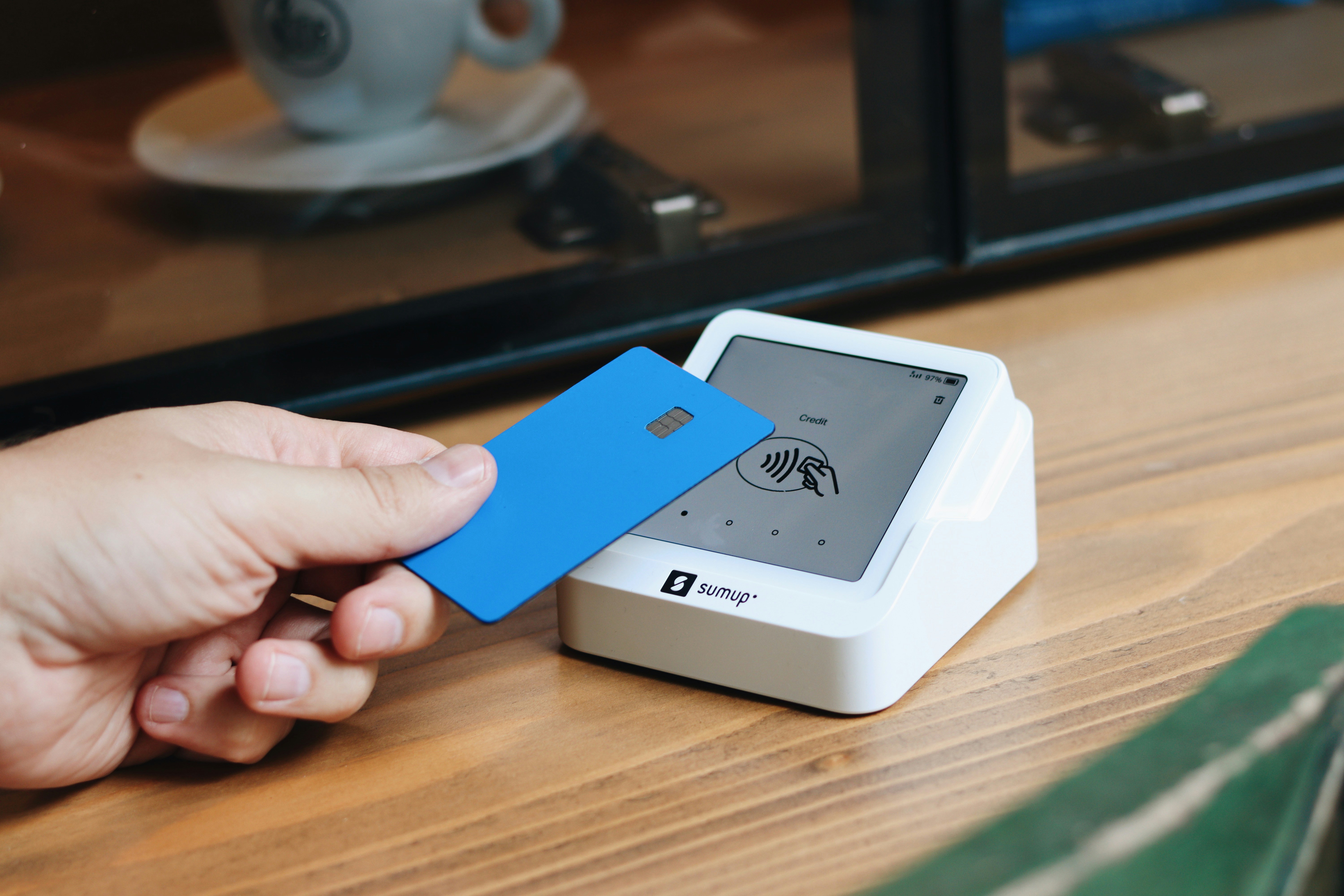
The majority of taxpayers are made to pay directly through a bank account. It is easy and does not attract additional charges. Nevertheless, it is also possible to make payments by credit card to the IRS with the help of authorized third-party processors.
Such a minor fact is the gateway to rewards.
Thousands of points can be created in a transaction with a huge tax bill. To the people who travel a lot or are concerned with the rewards, that is very attractive. Owners of businesses and self-employed professionals who tend to pay every three months in the form of estimated payments can gain even more opportunities.
Nevertheless, this strategy needs to be planned. It is not an easy ride, it is a strategic action.
Knowledge of the Processing Fees

This is where most people fail to notice. In the case when you pay taxes by credit card, the IRS does not receive the money directly. The transaction is processed through approved payment processors who charge a convenient fee. This commission is approximately 1.75% to 1.85% of what you pay.
This may not appear to be a lot on small quantities. It accumulates very fast on bigger payments. An amount of 10000 dollars tax bill might have close to 180 in fees.
That’s why the math matters.
When the value of your rewards is lower than the charge, then you are losing money. When your rewards are valuable, you are accruing value. This comparison is the key to the whole strategy.
When it is worth paying taxes with a credit card
The most intelligent situations are associated with reward worth, rather than convenience.
Among the most frequent cases are the situations when a card gets good flat-rate rewards. The processing charge can be compensated with a card that fetches between 2 percent and 2x points per dollar. In case it is possible to convert those points to airline or hotel partners to a greater value, the payback will increase even further.
Other scenarios that are very strong are the earning of a welcome bonus. Numerous credit cards have huge sign up bonuses, which demand high expenditure over a few months. Paying taxes may allow achieving such spending breaks in a very short time and without any fraud.
Timing plays a big role here. Because tax due dates are known in advance, there are individuals who schedule new credit card applications on tax due dates.
Individual Taxes and Business Taxes
It is essential to maintain finances orderly.
Personal taxing through a personal credit card will assist in keeping the home budgeting clear. Business owners on the other hand are usually at greater advantage using business credit cards to pay taxes. This division makes accounting, bookkeeping and reporting simpler.
Clear financial records can save on time and tension in case of auditing or in tax preparation.
Credit Cards With the Best Value
All cards are not equal in terms of making tax payments.
The cards with regular rewards on purchases made will tend to be very good options. One can also find the use of travel rewards cards particularly useful since transferred points can be exchanged into highly valued flights and hotel stays.
Entrepreneurs who have to make lump sum payments every quarter may find business credit cards handy. They usually carry along a spending power matching business level expenses.
The greatest upside can be offered by new cards that have high welcome bonuses. Very often the processing fee can be justified by the bonus only.
Realistic Value Scenarios
Suppose that somebody has a tax bill of $6,000 to pay using a rewards card. The processing fee will most likely be slightly more than 100 dollars. When such a payment can be used as a key to a huge signing bonus of $1,000 or higher worth of travel, the trade-off is plainly positive.
Repeat payments made by owners of businesses every quarter could result in stable returns as time goes by. Accumulation of a substantial balance of points or miles can be done by receiving reward on necessary expenses.
There are even some experienced reward users that plan around their tax schedules to guarantee that they can receive bonuses at the maximum throughout the year.
Potential Pitfalls to avoid
Having a balance and paying interest is the biggest mistake. Interest rates charged on credit cards are exorbitantly high to erase the value of rewards in a short time.
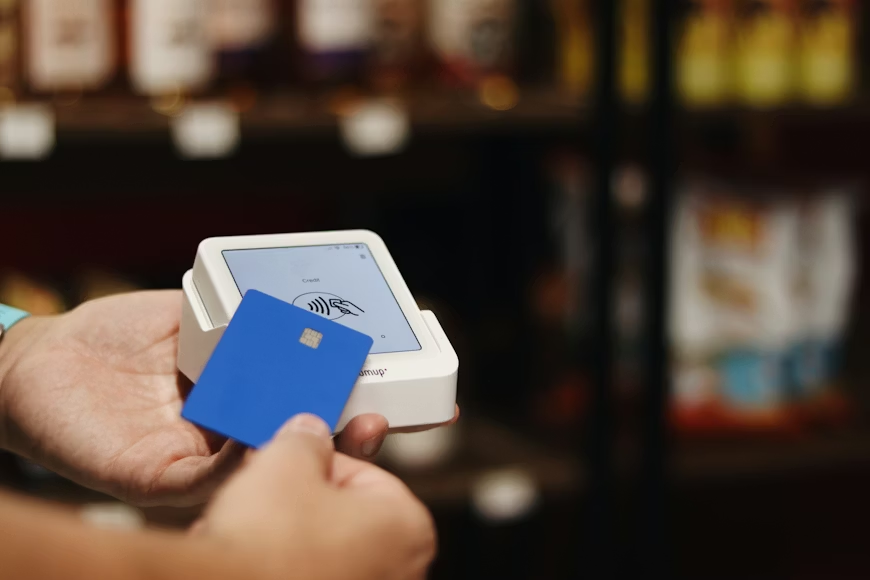
The other error is not taking notice of the processor fee variations. Other processors may impose more fees on some types of cards and this can alter the math.
Another way that having a large number of credit cards within a short time can impact your credit profile is through application. It is safer to be thoughtful and spaced out.
Lastly, expenditures should not be rewarded. All that one has to pay is what he owes.
Who Benefits Most From This Strategy?
Frequent travelers often gain the most because they can extract high value from points and miles. Business owners with predictable tax payments also have strong opportunities.
People who understand credit card rewards and manage their finances responsibly can see meaningful benefits.
However, those who prefer simplicity or who carry credit card balances are usually better off paying directly from a bank account.
Final Thoughts:
Paying taxes with a credit card isn’t a loophole or a trick. It’s a strategy that rewards financial awareness and discipline.
For the right person, it can turn a large required payment into flights, hotel stays, or cash back. For the wrong person, it can become an unnecessary expense.
The key is simple math and responsible credit use. If the rewards outweigh the fees and you pay your balance in full, this method can be a powerful financial tool.
Taxes are unavoidable. How you pay them, however, can make a difference.
DISCOVER THE RIGHT CARD FOR YOU.
Explore our card recommendations and find a credit card that suits your personal needs.
Browse card categories


%20(1).jpg)
.svg)