.svg)

W Hotel Amsterdam Faces Eviction on Over 23.4 Million of Unpaid Rent
(1).jpg)
%20(1).svg)
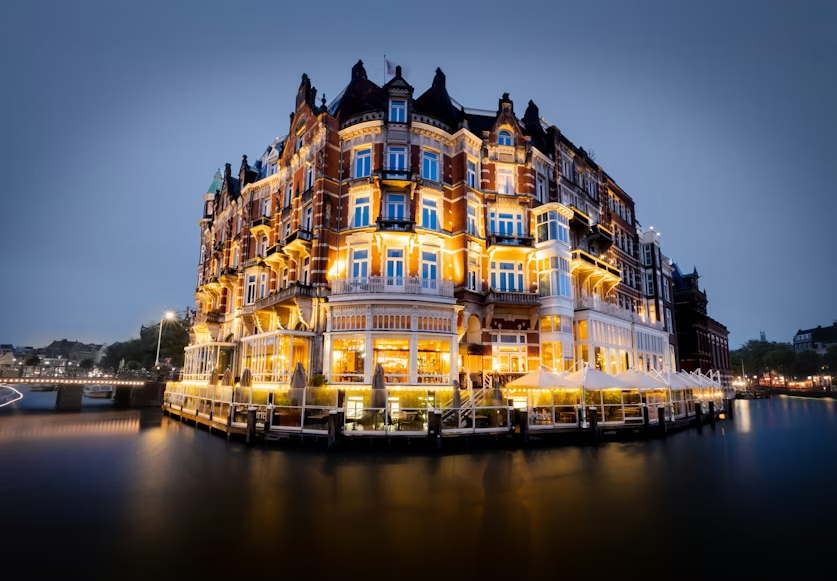
One of the luxurious hotels by Marriott International W Hotel in Amsterdam is being evicted because of the three years without paying rent and it owes an arrear of €23.4 million. That is an unprecedented situation that makes the future of the hotel and the experience its guests receive questionable.
The W Hotel, being located in the center of Amsterdam, has been a reputed place to stay, have quality food, and a business home and vacation place. The building stands on property that was sold to Deka in 2017 by means of a sale-and-leaseback of 260 million euros, and was managed by a group called Palace Hotel which is a member of Sircle Collection.
Marriott and the property owners are now left with no idea of the future of the hotel as the operators are now to be forced to move out within 15 days with a court ruling.
The Eviction Explained
The W Hotel Amsterdam is located on a property belonging to Deka, which bought the building in 2017 at a sale-and-leaseback sale of €260 million. Although the real estate is owned by a landowner, Palace Hotel, which is a section of the Sircle Collection hotel chain based in Amsterdam, has been running the hotel under the W brand.
The landlord evicted him on the ground of unpaid rent of around three years. In February 24, 2026, a court in the Netherlands made a decision in favor of the property owners and ordered the existing operators to leave the premises in 15 days. This choice is taken following the fact that the hotel management used a financial hardship because of the coronavirus pandemic, yet, it is important to note that they had not paid rents in years.
What the Eviction Implicates to the Hotel
Although the eviction order is official, the hotel will not be closed instantly. The owners of the property and Marriott are trying to locate new owners that will assume the management and the property will stay afloat. This transition will be vital in upholding the operations of the hotels albeit some interruptions will occur.
It is expected that part of the restaurants and bars under the old management of the hotel can close down, since it is owned by the previous operators and not by the actual Marriott hotel. Visitors might also experience fewer options in the food to eat at this time, and the whole experience is likely to be influenced.
Possible Branding and operation changes
With new operators in mind, there will be various factors that will affect the future branding and the services provided by the hotel. The questions are whether W brand will stay or it will be a new name altogether. The owners will have a priority of getting a tenant who will not only ensure that the rent is paid at the right time but also make their profit maximized.
Locating an appropriate operator would be difficult. Luxury hotels need management team work experience that will lead them to maintain brand standards and at the same time achieve financial requirements. Without securing another operator, the day-to-day operations of the hotel might experience some logistical challenges, mainly in the areas of staffing and facilities.
Guest Considerations
Caution is taken to travelers wishing to spend their time at the W Hotel Amsterdam. Although the hotel is likely to stay available at the time of transition, the ambiguity when it comes to dining and possible service disruptions must be considered.
In case the hotel were to shut down suddenly, according to the normal procedure of Marriott, guests with bookings would get their money back. Nevertheless, moving to other properties is not assured and this implies that travelers might have to make their own provision of accommodation. This is the reason why they advise the guests to have an emergency or think of other hotels in Amsterdam during their stay in the city.
Widening Extensions to the Hotel Industry
The W Hotel Amsterdam case is not a local problem only but a pointer of problem that high end hotels have struggled with in an attempt to remain afloat amidst market malfunctions. The pandemic placed unparalleled pressure on the hospitality industry, yet, post-pandemics, some of the properties cannot get out of debts, lease contracts, and operating expenses.
In the case of international hotel brands, the critical aspect of approaching the management companies carefully, keeping track of lease management, and having contingency plans is paramount. It is also a warning to those who invest in hotel real estate as to the dangers in long-term lease agreements that lack mechanisms of strict enforcement.
Next Steps for the Property
Once current operators leave, the owners of the W Hotel in cooperation with Marriott will find new management. This may include local or international hotel operators with the capacity to maintain the property luxury standards as well as financial commitments.
It can involve negotiation of a new lease, assessment of the financial standing of potential operators, and perhaps reformulation of ways of running things to avoid such a situation in future. Hotel services can be restricted to some degree and especially in food and beverage services until an appropriate party is located.
What Travelers Can Expect

While the property remains open, travelers should prepare for potential inconveniences. Limited restaurant and bar services, temporary staffing changes, or minor operational disruptions are likely during this transitional phase.
Booking guests should consider these factors and monitor announcements from Marriott regarding service updates. Flexibility is key, as the property works through the eviction process and seeks new operators.
Lessons for Hotel Management
This case underscores the challenges of balancing luxury hotel operations with financial accountability. Even established brands like W Hotels can face significant risks if lease agreements are not managed effectively or if operators encounter prolonged financial difficulties.
It also highlights the delicate interplay between hotel ownership, management companies, and brand operators. Ownership entities aim to protect their investment and ensure profitability, while brand operators focus on maintaining reputation and guest satisfaction. Misalignment between these stakeholders can create operational disruptions that ultimately affect guests.
Final Thoughts
The eviction of the W Hotel Amsterdam operators after three years of unpaid rent represents a rare but instructive scenario in the hospitality industry. While Marriott and the property owners are working to secure a new operator, the transitional period will require careful management to minimize disruptions for guests and maintain brand standards.
Travelers planning a stay should remain informed and have contingency plans. Meanwhile, the hotel industry can view this situation as a case study on the importance of lease compliance, operational oversight, and strategic planning in high-end hospitality ventures.
The W Hotel Amsterdam may continue to welcome guests, but for now, uncertainty remains around full service availability, branding, and long-term management. The coming weeks will reveal how the hotel navigates this complex eviction scenario and whether a new operator can restore stability to this luxury property.
DISCOVER THE RIGHT CARD FOR YOU.
Explore our card recommendations and find a credit card that suits your personal needs.
Browse card categories
.jpg)

.svg)