.svg)

Why American Airlines is quietly lengthening flights-and why travellers should care
(1).jpg)
%20(1).svg)
It would seem that air travelers judge an airline on one simple metric: does it get them where they need to go on time? Comfortable seats matter, as do upgraded lounges and better beverages, but this is where reliability sits at the very heart of the passenger experience. Without it, every other improvement loses its shine.
After years of being tagged as lagging behind its largest competitors operationally, American Airlines is doing something significant that will begin to rewrite the storyline. Instead of trying tighter schedules and quicker turnarounds, the airline is doing what to some outsiders might seem illogical: it is deliberately lengthening flight schedules.
This involves longer block times and reworked flight connections across its network-the result being an even bigger and more profound way in which American manages its operations. To some travelers, it may translate into lengthier travel times, but this could be a strategy that makes flying smoother, less stressful, and far more predictable.
Flight block time-what is it, and why is it important?
Before getting into what American Airlines is changing, an explanation of what "block time" actually is might be prudent. Block time refers to the total scheduled time from when an aircraft leaves the departure gate until it finally arrives at the destination gate. That includes taxiing, waiting for clearance, air traffic delays, and the actual time spent in the air.
Everything has to go just right if the flight is to arrive on schedule when block times are tight. Every little disruption-congestion on the runway, weather problems, late boarding-can have a cascading impact on the rest of the day's operation. In real-world conditions, schedules which look appealing on paper often collapse.
Longer block times give the airlines some breathing room: flights are less rushed, crews can be rearranged more easily, and airports are better equipped to deal with the availability of gates. All of which often means fewer delays, smoother connections, and a better opportunity to arrive as expected for the passenger.
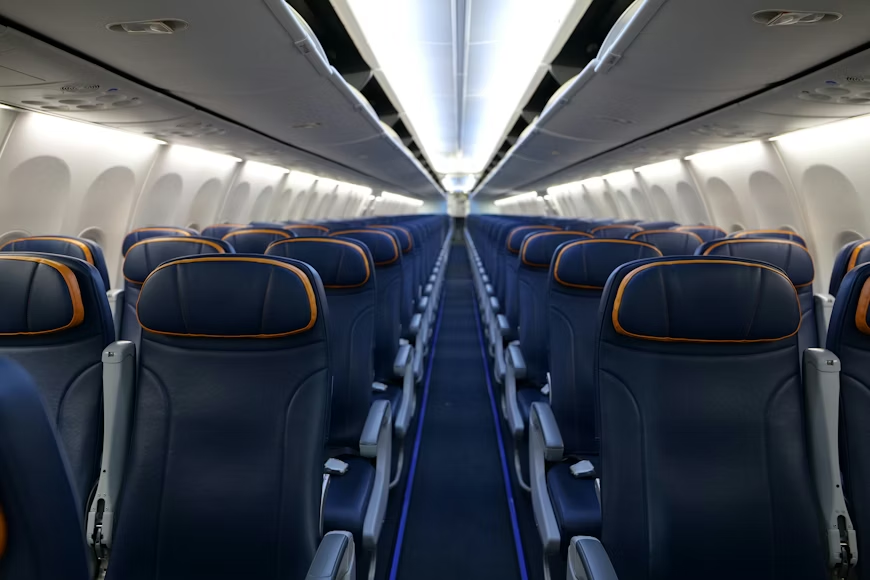
American Focuses on Dallas Fort Worth: A Strategic Reset
At the heart of the operational reboot is American's largest hub: Dallas Fort Worth International Airport. The carrier recently announced a plan to reorganize how flights arrive and depart from DFW by increasing the number of daily connection "banks."
Today, American operates nine banks per day at DFW; that is, flights arrive and depart in waves, or windows. In 2026, that will increase to thirteen. The change will spread traffic more evenly throughout the day with less congestion during peak hours.
The outcome of such thinking manifests in tangible benefits for travelers. Rather than being forced into very short or extremely long connections, passengers are given more realistic options. Connection times can become much more relaxed, offering better odds of making onward flights sans sprinting across terminals.
Why Longer Schedules Mean Better Performance
Longer flight schedules seem like a cosmetic trick to inflate on-time statistics. Airlines are tracked based on how closely actual arrival times match up with scheduled arrival times, so padding the schedule improves those numbers.
All of this does, however, come with some very real costs. Longer block times reduce aircraft utilization: fewer flights completed per plane per day. The crew members are paid for scheduled time, raising labor costs. Additionally, fuel planning complicates the process, as well as gate coordination.
Against these costs, however, the upside for passengers is considerable. When operations are built with a margin for error, delays are less likely to snowball. Minor disruptions are more easily absorbed by flights without cascading the entire schedule, gates are available when planes arrive, baggage transfers go more smoothly, and connecting passengers are much less likely to get stuck.
That is, a slower schedule may result in an overall quicker journey.
How this could improve the passenger experience
Increased block time for the traveller means much more than just added punctuality. First of all, fewer missed connections mean less stress and a general feeling of satisfaction. People will more easily trust the next itinerary they buy, especially if it contains tight schedules over major hubs.
Another advantage of a non-rushed flight is that baggage handling is improved: bags are transferred in due time, making delayed or lost luggage less likely. A gate might also be more predictable in availability, thereby reducing waits on the tarmac after landing.
Reliability often outweighs the need for shaving off even a few minutes off flight times for the frequent flyers and business travelers alike. It can also drive loyalty and booking choices once customers know an airline values operational stability.
Financial Trade-Offs and Long-Term Strategy
There is no question that this approach means serious investment: Reduced aircraft utilization means fewer revenue-generating flights per day, while increased labor costs harm margins. This is not a decision taken lightly within a competitive industry with tight profit margins.
But poor reliability costs, too: Reaccommodating passengers, compensating for delays, and otherwise managing disrupted crews add up quickly. More important, unreliable operations drive customers toward competitors. Through investment in Schedule Resilience now, American Airlines can potentially reduce disruption-related costs and engender greater confidence among its customers.
The pricing of higher fares, more rewarding loyalty programs, and a more stable operation will be supported by reliability over time.
What Travelers Should Expect Going Forward
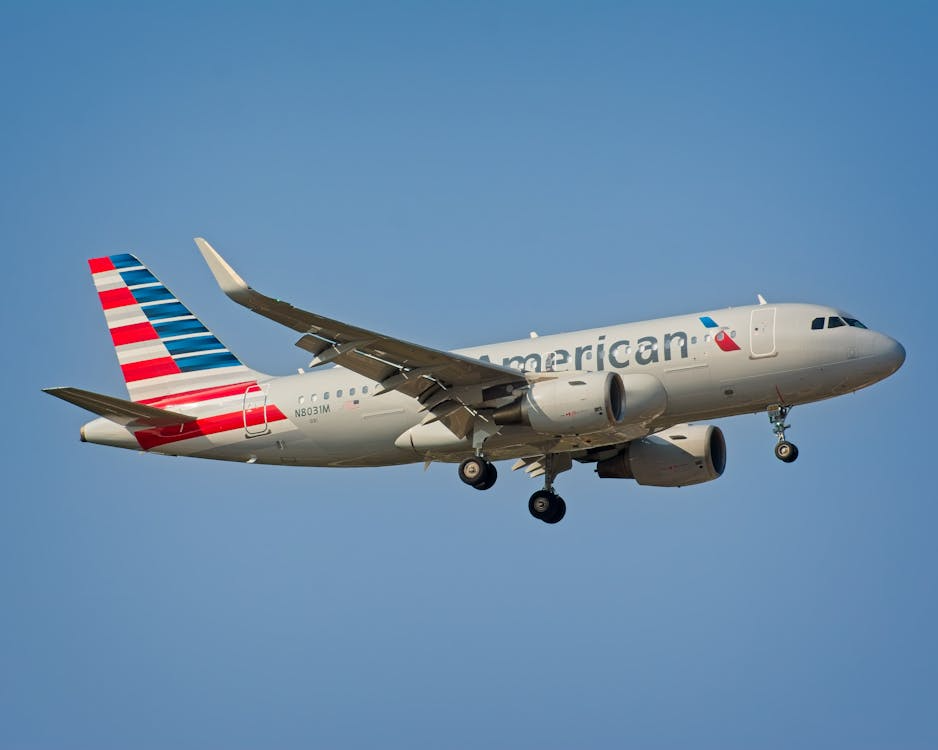
On American Airlines, passengers may begin to notice longer scheduled flight times, and options for connections could be more appropriately balanced. Itineraries might not look quite as aggressive, but the actual experience could be smoother, more predictable. It will not eliminate all delays - no airline controls the weather or air traffic congestion - but it does increase the odds that trips will unfold as planned.
For business travelers placing a high premium on dependability, it was a welcome development. As American continues to refine its operational strategy, the ultimate metric of whether the airline is successful will lie in whether passengers experience fewer disruptions and more reliable arrivals.
Final Thoughts
A Smart Bet on Reliability The American Airlines decision to extend flight block times and reconceptualize its approach to scheduling underlines a deeper understanding of exactly what passengers want. Quicker schedules might look good, but reliability generates trust - and it is trust that keeps customers coming back.
American will go a long way toward closing its gap in reliability with its competitors by adding flexibility into its operation, particularly at critical hubs like Dallas Fort Worth. If it is well executed, this could prove to be a turning point in how people view the airline. In an industry where every minute counts, sometimes the smartest thing you can do is leave a little extra time.
DISCOVER THE RIGHT CARD FOR YOU.
Explore our card recommendations and find a credit card that suits your personal needs.
Browse card categories
%20(1).jpg)
.svg)