.svg)

A Moment at JFK Airport: What Really Happened When an EL AL 777 Almost Ran Out of Fuel on Approach
%20(1).svg)
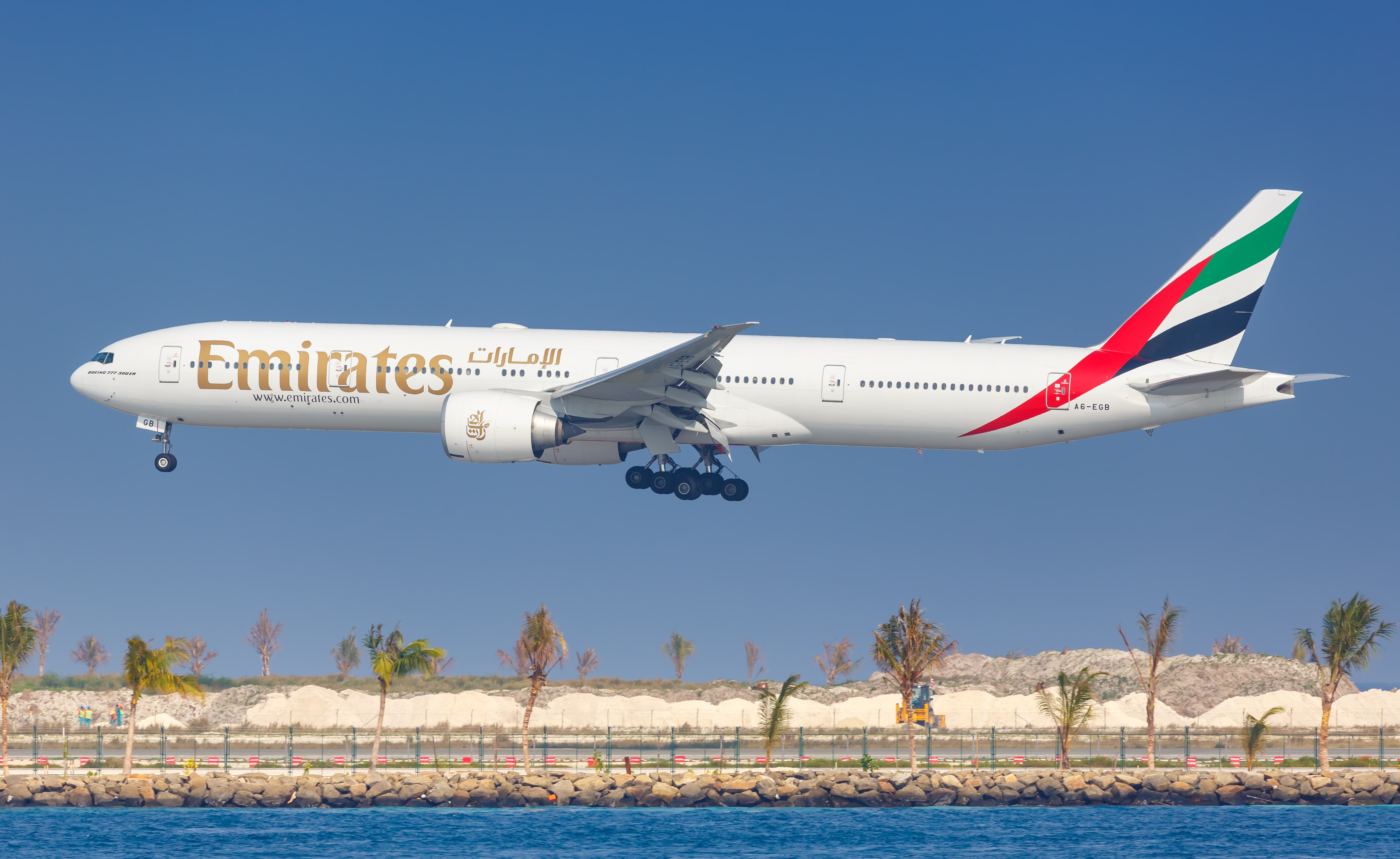
Flights that come into New Yorks JFK Airport are pretty normal. Lots of planes from all over the world directed by air traffic controllers who do their job in a calm and efficient way. They have done it many times. On the evening of May 20 2026 one flight was different. It's a story that people who like aviation are still talking about.
An EL AL emira-200ER, flight LY19 from Tel Aviv landed at JFK Airport without any problems. The conversation between the pilots and air traffic controllers in the last few minutes of the flight raises some questions. How well did the pilots talk to each other? How well did they fly the plane?
The Approach That Was Not Normal
On paper everything looked normal. The plane was allowed to make an ILS approach to runway 31R. It was behind two planes. The air traffic controller told the pilots to keep their speed at 160 knots. This happens hundreds of times every day at airports.
Then something unusual happened. The air traffic controller noticed that the EL AL plane was losing speed quickly. He told the pilots to increase their speed. He warned them that if they didn't they would be taken out of the line of planes and have to fly a route.
The EL AL plane landed safely. It taxied to the gate. There was no emergency. No one had to intervene in a way. What happened during that conversation is worth looking at closely. The EL AL 777 was, in a spot. The pilots had to make some decisions. The EL AL 777 situation shows how important it is for pilots to communicate well and make decisions when flying. The EL AL 777 incident is still being talked about by people who like aviation.
Why Radio Silence Was a Problem
Aviation safety is about communication. When pilots see a problem or think one is coming they need to say something quickly. This is not about following rules it is what helps air traffic controllers keep everyone safe. Aviation safety and communication go hand in hand.
The Federal Aviation Administration has two fuel declarations:
- Minimum fuel: The plane has enough fuel to get to where it is going with a little room for delays. This is not an emergency yet. It is a warning that one could happen soon. Minimum fuel is a warning.
- Emergency fuel: The pilot decides the plane needs to get to where it's going because it does not have much fuel left. This gets the plane treatment from air traffic control. It means the situation is urgent. Emergency fuel is urgent.
The EL AL crew did not make either declaration before their last-minute conversation on approach. They were in a line of planes, where going around again's common and they did not mention fuel issues until a controller asked them directly. The EL AL crew and radio silence were a problem.
How Did They End Up in This Situation?
The flight from Tel Aviv to New York usually takes 11 to 11.5 hours. On May 20 Flight LY19 took 12.5 hours. A lot of this time came from waiting over Rhode Island, where planes were waiting to get into JFK Airport. A route to the airport added time. The flight from Tel Aviv to New York was delayed.
Waiting and changes in the route to the airport happen. That is why pilots keep an eye on fuel and communicate early. These things can be. Can use up fuel reserves. The waiting over Rhode Island was visible. Could be tracked with plenty of time to declare fuel and ask for special treatment. It seems that did not happen. The EL AL crew and fuel communication were a problem.
The EL AL crew was in a situation where they should have said something about fuel. They were being put into a line of planes arriving at the airport. Had plenty of time to declare minimum fuel. They did not. The flight from Tel Aviv to New York had a route and waiting delays. These are things that happen. The crew did not communicate about fuel. The EL AL crew and communication about fuel were a problem.
The Federal Aviation Administration and air traffic controllers rely on pilots to say something about fuel and other issues. The EL AL crew did not do that. It put them in a spot. The Federal Aviation Administration and air traffic controllers need pilots, like the EL AL crew to communicate.
The Questions That Remain
There are two ways to think about what happened with the crew of the flight. The crew knew about the fuel situation. Did not tell anyone hoping they could land normally or they did not think it was that serious until the controller called them. Either way it does not say things about the decisions made by the people on the flight deck that night.
If the situation was really as bad as the pilot said the flight crew should have said it was a fuel emergency a time before they landed. This would have given them priority. Cleared up any confusion about when they could land. Waiting until they were eight miles away from the airport to say they could not go around is not a way to communicate. It was a risk that happened to work out.
What This Means More Broadly
Incidents like this are important because nobody got hurt. They can teach us what can go wrong even when everything turns out okay. The aviation industry is very safe because they take incidents like this seriously and investigate them. They do not just ignore them because nothing bad happened.
The EL AL 777 incident is an example. The passengers got off the plane. To people watching it seemed like a landing at JFK.. The conversation between the pilot and the controller was a big problem. The way they communicate is important to keep the airspace safe. This is something that needs to be looked at. The EL AL 777 incident shows us that even when everything seems okay there can be problems.
The controller was very calm and professional which was impressive. People who listen to JFK ATC know that smaller mistakes can make the controllers angry.. The controller that night was very professional. The controller did a job of staying calm.
The Bottom Line
If there is an investigation it will probably look at how the crew of the EL AL 777 planned for fuel how they checked the fuel during the flight and why they did not say anything for long. These are the questions to ask about the EL AL 777 incident. How the crew of the EL AL 777 communicates when they are under pressure is very important, in aviation. It is one of the things that keeps everyone safe on the EL AL 777 and other flights.
DISCOVER THE RIGHT CARD FOR YOU.
Explore our card recommendations and find a credit card that suits your personal needs.
Browse card categories
.jpg)
.jpg)
.jpg)
.svg)