.svg)

A United Airlines Captain Filed a Safety Report Then Lost Her Job
%20(1).svg)
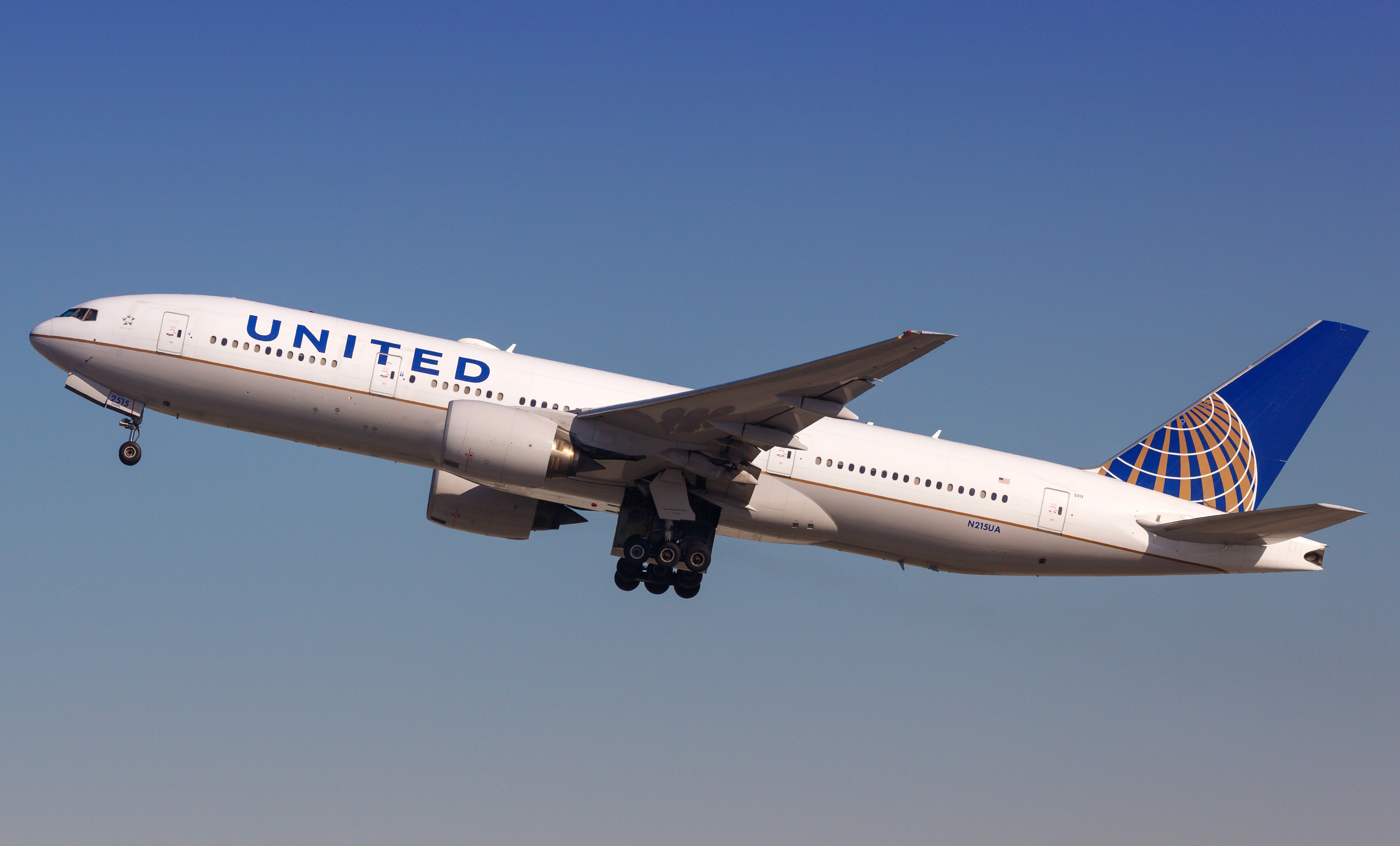
Filing a safety report should not doom pilots to their job. This is exactly what commercial aircraft voluntary safety reporting programs are all about. The United Airlines captain's incident during a 2024 charter flight is prompting serious new doubts over the nature of the protection offered to airline captains.
The formal hearing set for May 19-21, 2026, at the FAA Flight Standards Office in Denver, Colorado, has been resurrected from the past to remind airmen of the controversy surrounding the termination of former captain Cynthia Clifford, after her Colorado Rockies charter flight ended up in a fight over safety culture, corporate accountability, and pilot protection programs.
The events of that charter flight
The Colorado Rockies baseball organization was flown to Toronto by United Airlines April 2024 in a Boeing 757 charter. Charter flights for professional sports teams are not like regular commercial flights because the passengers are VIPs, the atmosphere is informal, and, as the story that follows will show, the rules of regular commercial flights can sometimes be unclear.
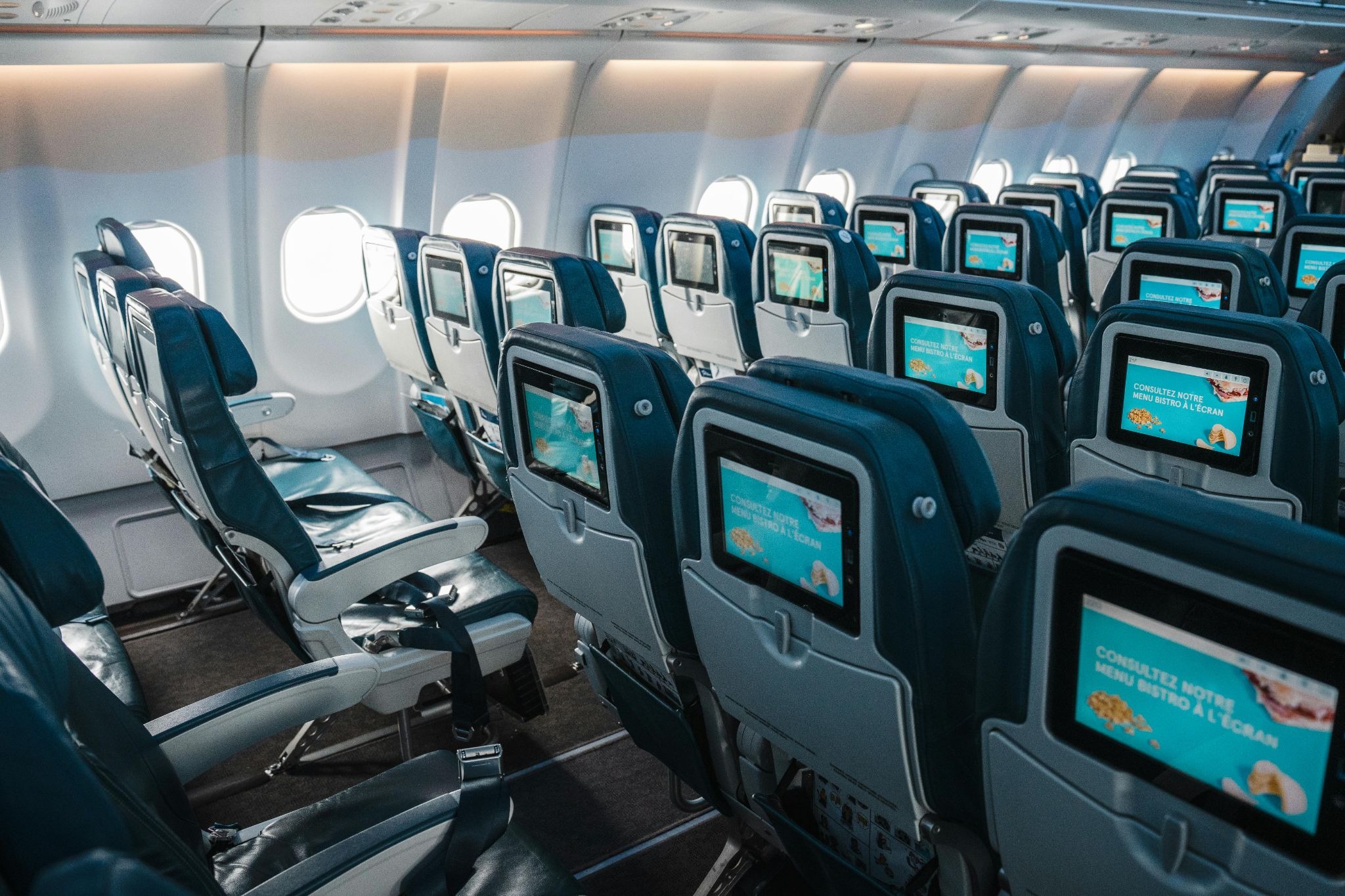
At cruising altitude, the captain had to vacate the cockpit to use the lavatory during the flight. While she was away, one of Rockies' coaches got into the open cockpit and moved up to the front of the plane and sat in the captain's seat. He did not stand in the doorway, he did sit in a seat and the first officer there in the cockpit at the time did not ask him to leave. Reports indicate that the first officer walked the coach through the controls, and finally the coach was able to get up on his own.
The captain went back to the cockpit and told the system what all pilots are supposed to do when something goes wrong: she filed a report on United's Flight Safety Action Program (FSAP). The reporting system is a voluntary safety reporting system that aims to ensure that pilots can raise safety concerns without fear of repercussion. The captain reported the incident and waited for the process to play out.
What she was said to have been given in exchange was a job termination
Former Delta captain Karlene Petitt reported that the captain's FSAP report was initially accepted by the three-person Event Review Committee tasked with reviewing the report. That's the point of the voluntary reporting system: that the pilot should be accepted by that committee to avoid disciplinary action.
The details of what allegedly occurred thereafter are the most disputed in the entire case. The FAA was told by Petitt that, when the FAA learned the committee had adopted the report as is, that was enough to excuse the captain from punishment, and the FAA representative on the committee was replaced by a committee member with a different vote.
These are procedural arguments based on the concept that 'alcohol is not FSAP-protectable' that were offered to reject the FSAP protection. The purpose of this rule is usually to protect the crew member from the repercussions of drinking while performing a duty. In this instance, it was used because a passenger the coach had supposedly been drinking. Whether such an application of the rule was appropriate or a clever ploy to get to a desired end is one of the points the Denver hearing will be called on to consider.
The situation of the First Officer is as bad as theirs
The first officer on the flight, too, was also let go, and aspects of his case are troubling as well. ALPA, the union that represents pilots, is said to have coerced Petitt's first officer into signing a statement of willful violation of the Federal Aviation Regulations. The lure was that doing so would lead to less punishment from the FAA and keep him in his job.
His original ALPA representative is said to have advised him NOT to sign. Before he could think again, that representative was replaced in no time and without the original representative knowing what was going on. The first officer signed onboard. He lost his job.
Key facts that make this case particularly significant:
- The captain filed through an official voluntary safety reporting program specifically designed to prevent retaliation and was allegedly fired anyway.
- The first officer was reportedly pressured by his own union attorneys into signing a self-incriminating statement in exchange for job protection that was never actually delivered.
- The coach who entered the cockpit and sat in the captain's seat faced no reported consequences.
- United did not terminate its charter contract with the Colorado Rockies following the incident.
The Broader Problem: Charter Flights and Unclear Standards
Stepping back from the individual case, one of the most important threads running through this story is what it reveals about how airlines handle the informal culture that develops around charter operations.
Charter flights for professional sports teams are lucrative and high-profile. Every passenger is treated as a first-class customer. Cockpit doors are frequently left open not because it's formally permitted, but because it's become an unwritten norm that has persisted across multiple airlines for years. Coaches and players visiting the flight deck is common. It's informal, it's friendly, and it creates an environment where enforcing strict boundaries feels awkward and out of place.
The captain on this flight was reportedly on her very first charter assignment as captain. She didn't have a clear internal policy to reference, so she asked the lead flight attendant who had significant charter experience about whether the cockpit door should remain open. That she had to ask at all is the real indictment here. A captain shouldn't have to piece together cockpit door policy from a flight attendant on her first charter assignment. That information should exist, be clearly communicated, and be consistently enforced before any crew member boards a charter flight.
The Scapegoat Allegation and the FAA Audit Context
The timing of the terminations adds a dimension that's difficult to ignore. United Airlines was in the middle of an FAA safety audit at the time of the incident the audit had been triggered by a series of high-profile close calls and safety incidents that had drawn significant public and regulatory scrutiny.
The allegation, in Petitt's words, is that United let both pilots go so as to appearing to be being "serious" about safety at a time when it was under a lot of regulatory pressure. The captain assumes the role of accountability, the captain's first officer is sucked up in the fray and the airline proves to the FAA that it reacts quickly to safety concerns, even if that means the captain who actually called the concern to the attention of the FAA is removed.
The FAA's follow-up audit report found no pattern of safety issues at United. The Denver hearing may clarify that, at least in part, if terminations affected the outcome or if they were merely a coincidence of timing.
The Bottom Line
This case is far from limited to the parties that are named; it is a case study about the question of whether a voluntary safety reporting system in commercial aviation is protective or conditionally protective, being protected when it suits the interests of the organization and being withdrawn when it doesn't.
The whole idea of safety reporting programs is that they are supposed to bring up problems, so if pilots learn from this situation that reporting to the FAA can lead to their termination, then the long-term effect will be a culture of silence on problems that these programs are supposed to highlight. This is not a theoretical risk, it's a pattern that has been documented in industries where over time safety culture deteriorates if this is not rewarded by punishment.
The Denver hearing is about questions that are important to the public, but not so much because it has a definitive answer, but because it has to do with accountability, union representation and the integrity of voluntary safety programs that the aviation industry as a whole has a stake in getting right. A captain who says there's an incident that's unsafe should not be the one whose career is ruined.
DISCOVER THE RIGHT CARD FOR YOU.
Explore our card recommendations and find a credit card that suits your personal needs.
Browse card categories
%20(1).jpg)
.svg)