.svg)

A United Airlines Flight Crew is Allegedly Antisemitic, say 65 Jewish Passengers. The Court Dismissed the Claim Without Saying if it was True
.jpg)
%20(1).svg)
Earlier this month, a federal court rejected the lawsuit of 65 Jewish passengers against United Airlines not because it considered their allegations to be false, but because there is nothing in the law that governs liability for international aviation accidents that would permit them to sue for compensation for the alleged mistreatment.
The outcome is significant because it says something about the nature of liability law for international travel, and the connection between maltreatment and the ability to sue.
What the Passengers Alleged
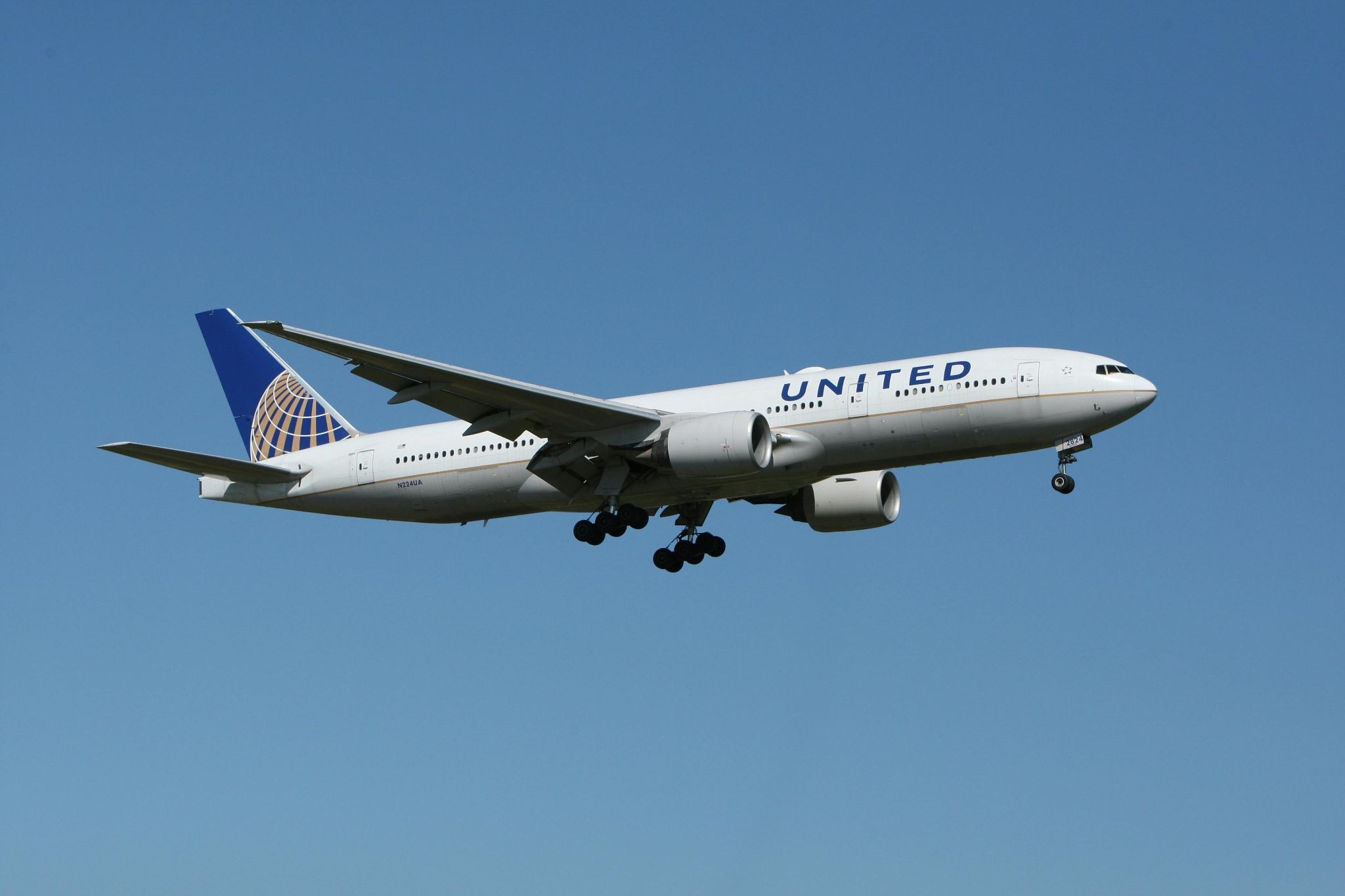
On April 22, 2023, United Airlines flight 90 left Newark heading for Tel Aviv with passengers travelling to Israel for Memorial Day and Independence Day. After three hours in the air, the flight turned back to Newark. Why? Because, according to the airline, an elderly passenger occupied one of the flight attendants' seats for a few minutes.
The passengers allege it took time for the flight attendants to provide water to the passengers while they were stranded on board in Newark for three hours, due to a claim that there was low water. To put this in context, airlines typically provide supplies in the event of an emergency of which the flight had spent a very small amount of time in the air the supply allegation is hard to justify.
Once the passengers had landed, they claim it again took three hours for the airline to provide hotel and food vouchers, and they were left at the Newark airport for a period of time. Waiting for this, the plaintiffs allege several United employees made antisemitic remarks, including a flight attendant telling Jewish passengers that the passenger who was ejected from the flight was "one of them" and that they should expect the flight to be diverted because of him.
The Court's Decision
The court dismissed the case, at the request of United, with prejudice (meaning it cannot be re-filed). Crucially, the court did not find the antisemitic comments were made or not. It didn't make a finding on whether the passengers' allegations or United's conduct were true. The court dismissed the case for a jurisdictional reason.
This is due to an international treaty called the Montreal Convention, which relates to damages on board international flights. This is an international airline and the Montreal Convention over-rides claims under state and federal law so international passengers can't sue for claims that would be available to domestic passengers.
The court concluded that the passengers' complaining of dehydration, hunger, thirst, discomfort and emotional distress from the alleged race discrimination was not covered by the Convention's definition of bodily injury. There was therefore no case, even if the allegations were true because even a complete set of facts wouldn't help under the only theory of liability.
United also argued that the incident wasn't an "accident" within the meaning of the Convention liability, but it was not argued early enough for the court to consider.
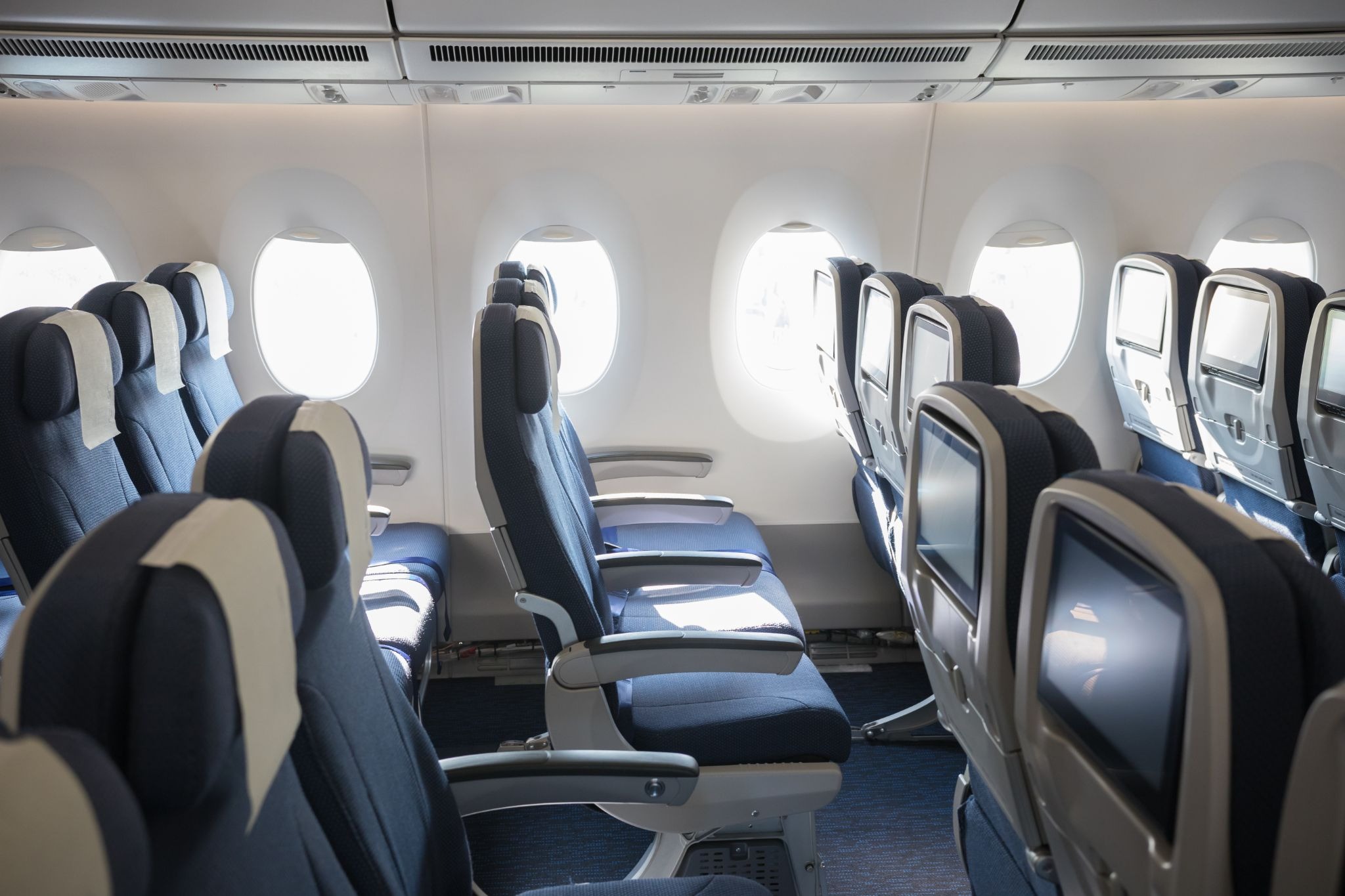
The Montreal Convention: Passenger-Friendly With Big Holes
The Montreal Convention is certainly claimed to be passenger-friendly, and it is in some respects. It imposes strict liability on airlines for injury and death on board international flights (i.e. passengers need not prove that the airline was negligent or deliberately harmful, if the passenger is injured or killed then the airline is liable). This is good for physical injury.
However, the regime suffers from two big problems, illustrated by this case:
- The scope of injury compensated is limited only physical injury is compensable and that means that psychological injury, discrimination, emotional abuse and other service problems that do not cause physical injury are not compensable under the Convention
- Damages are capped even if liability is found the damage caps for physical injuries may not be proportionate with the damage, which reduces the incentive for airlines to refrain from the conduct that results in injury
This leaves a legal framework where, theoretically, an airline can harass passengers (they have been hostile, refused the passengers water for several hours and made discriminatory statements) and as long as they do not suffer a physical injury that is covered by the narrow definition of injury under the Convention, the passengers have no recourse under any theory of liability. The treaty bars the application of state and federal laws, so the passengers can't sue under these laws.
This isn't a hypothetical. There have been other examples of this. The child who was burned by hot tea served on an international flight had capped liability which may not have been enough. Another passenger who was served dry ice by a flight attendant and was burned by it, also had capped liability.
The More Difficult Question the Court Didn't Address
The decision leaves a question. No court made a finding on whether the United employees were responsible for antisemitic statements to 65 passengers on April 22, 2023. The court didn't hear arguments about that issue, which was about the actions of the airline's employees, in the air and on the ground, and about a pattern of behaviour which the passengers allege was more than simply bad customer service.
That's not only an issue for the plaintiffs' court case. When the courts rule out a case on jurisdictional issues, without considering what actually happened, there's no public record of what happened. United doesn't have to answer to findings, any particular judge's assessment of its employees, or any assessment of the claims.
In a real sense, the most convenient way for passengers who believe they have been mistreated either because of what they believe is discriminatory treatment, or for any other reason, to seek redress is not to sue. Airlines which mistreat their passengers, whatever that means, respond to the market and adapt to the public's wishes.
What this means for international travellers
The take home lesson from this case is one that most people who fly internationally on airlines don't know and probably should: international travel isn't quite the same as domestic travel.
If you are discriminated against based on your race, called a slur or otherwise mistreated in a way that is not actually physical injury on board an international flight that falls under the Montreal Convention, you can't sue for compensation. It over-writes the national law that would permit you to sue.
That doesn't mean you shouldn't fly internationally, it means you should recognise the reality of your rights as a passenger and appreciate that while the approach taken by the Montreal Convention works when it comes to protecting people who have been physically injured, it doesn't when it comes to protecting people from other forms of mistreatment.
The Bottom Line
Recently, a federal court dismissed 65 Jewish passengers' claim against United Airlines for its 2023 flight diversion (and allegedly subsequent antisemitic behaviour) without making findings about the antisemitism. The Montreal Convention, which governs liability for international aviation, bars claims under domestic law and limits the harm to physical injury. Emotional distress, embarrassment and the passengers' hurt weren't. The decision is part of a problem with international aviation law's approach to non-physical mistreatment that leaves passengers with little recourse if an airline's actions are allegedly discriminatory but not physically harmful.
DISCOVER THE RIGHT CARD FOR YOU.
Explore our card recommendations and find a credit card that suits your personal needs.
Browse card categories
%20(1).jpg)
.svg)