.svg)

Delta Is Making Inflight Service Changes on Short Flights from May 19 Here's What's Getting Better and What's Getting Worse
.jpg)
%20(1).svg)
When airlines announce changes to their service, it always causes a strong reaction, typically because it means something is being removed. Delta's inflight service change, which takes effect May 19, 2026, is a bit more complicated than this it's good news for a bigger segment of travellers and bad news for a smaller one, but it depends on where you fly.
The changes apply to economy and extra legroom economy passengers only. First class continues to receive full beverage service on all flights. Here's how it works, and what to think about how it will impact your usual Delta travel.
What's Changing and Why
To really grasp the change, let's look at Delta's current inflight service policy. The airline currently breaks short-haul flights into three categories for inflight service, with shorter flights receiving less service. It doesn't offer inflight service on flights 250 miles or shorter. Flights from 251 to 499 miles receive what Delta calls express service coffee, tea and water and a light selection of beer and wine in Delta Comfort, but not the bar. Flights of 500 miles or more get full beverage service in both economy and Comfort cabins.
From May 19, the in-between disappears. The new design is binary: no service for flights 349 miles and under, full beverage service on flights 350 miles and over. The express concept goes away and the cut-off for full service drops from 500 to 350 miles.
The impact of the switch varies across the route map. About 600 flights a day will get an improved beverage service, compared to their current service these are the 350 to 499-mile routes that were in the express service window but now fall into the full service window. And some 450 daily flights will lose their current service these are the 251 to 349-mile routes that were in the express service window but will now be below the no-service threshold.
The Middle Tier Was Always a Problem
The express service that is being dropped was, in some respects, a compromise that didn't really leave anyone happy. A one-time service pass with coffee, tea or water on a trip that may only be 45 minutes long was a real challenge to do well and from the passenger perspective, the single service was often more of a chore than a real benefit to the flight.
There are a number of practical considerations that make short flights more challenging to serve, which passengers don't always consider:
- Turbulence doesn't know to avoid 40-minute flights even a couple of minutes of turbulence during the first pass might demand that carts are stowed immediately, affecting the service
- Block time is variable so a 300-mile trip may be 38 minutes from takeoff to landing one day, 58 minutes the next day, depending on routings, runway availability and congestion
- Load factor and time of day change the likelihood of success of a service pass the 5 AM Sunday flight is very different to the Friday flight where most passengers want a beverage
- The time it takes to get the crew in position for service and out again at the end of flight means less time to serve beverages
The 350-mile minimum seems to be Delta's assessment of the point at which a flight is long enough that it's always feasible to deliver a full service without those variables getting in the way. At distances shorter than that, the airline is effectively saying that the variables mean that the service is not dependable enough to guarantee it.
Who Feels This the Most
The most obvious people who will feel the impact of the service cut are those who fly routes in the 251 to 349 mile range flights that are currently serviced as express and will be serviced with nothing from May 19 onward. Routes that fall into this category include many Northeast corridor short hops and short Southeast legs that are popular with businesspeople.

If you decide to fly a 340-mile route on a hot day, and you learn there will be no beverage service, that makes a difference. It's not the end of the world the trip is still less than an hour in most cases but it's the sort of thing that decreases the value of the experience you get in economy, especially if you're not bringing snacks or water bottles.
The other side, though, which is equally important, is that there are several hundred flights per day that are progressing from a limited beverage service (with no guarantees) to a full service. For the 350-499 mile flights that are getting it, it's an improvement.
The First Class Carve-Out Tells the Real Story
Let's be clear about what the announcement does not say: that these changes don't apply to Delta First. First class passengers, like before, will get full beverage service on all flights, no matter how short. A 200-mile trip gets full service first class, and none for the folks in the back.
That's not to say that unexpected first class economics are different, and the front of the plane is paying for service as part of their ticket in a way that the back isn't at lower fares. But it does point to the growing service disparities between the cabins on short-haul flights, where the difference between front and back of the plane can be the difference between full bar service and a water bottle.
For Delta SkyMiles members, service is the same with or without Medallion status. A Diamond Medallion passenger in Main Cabin on a 300-mile flight will not get service on May 19 (or any other day) just like any other Main Cabin passenger. The benefits of status have never been great on short-haul flights, and this doesn't change that.
Is This a Fair Trade?
By itself, the move from a three-tiered to a two-tiered system is a sensible one. It's hard to run a reliable service on flights under 350 miles due to the variables in play, and the express service concept has been a happy medium between operational efficiency and customer expectations that has never really worked well.
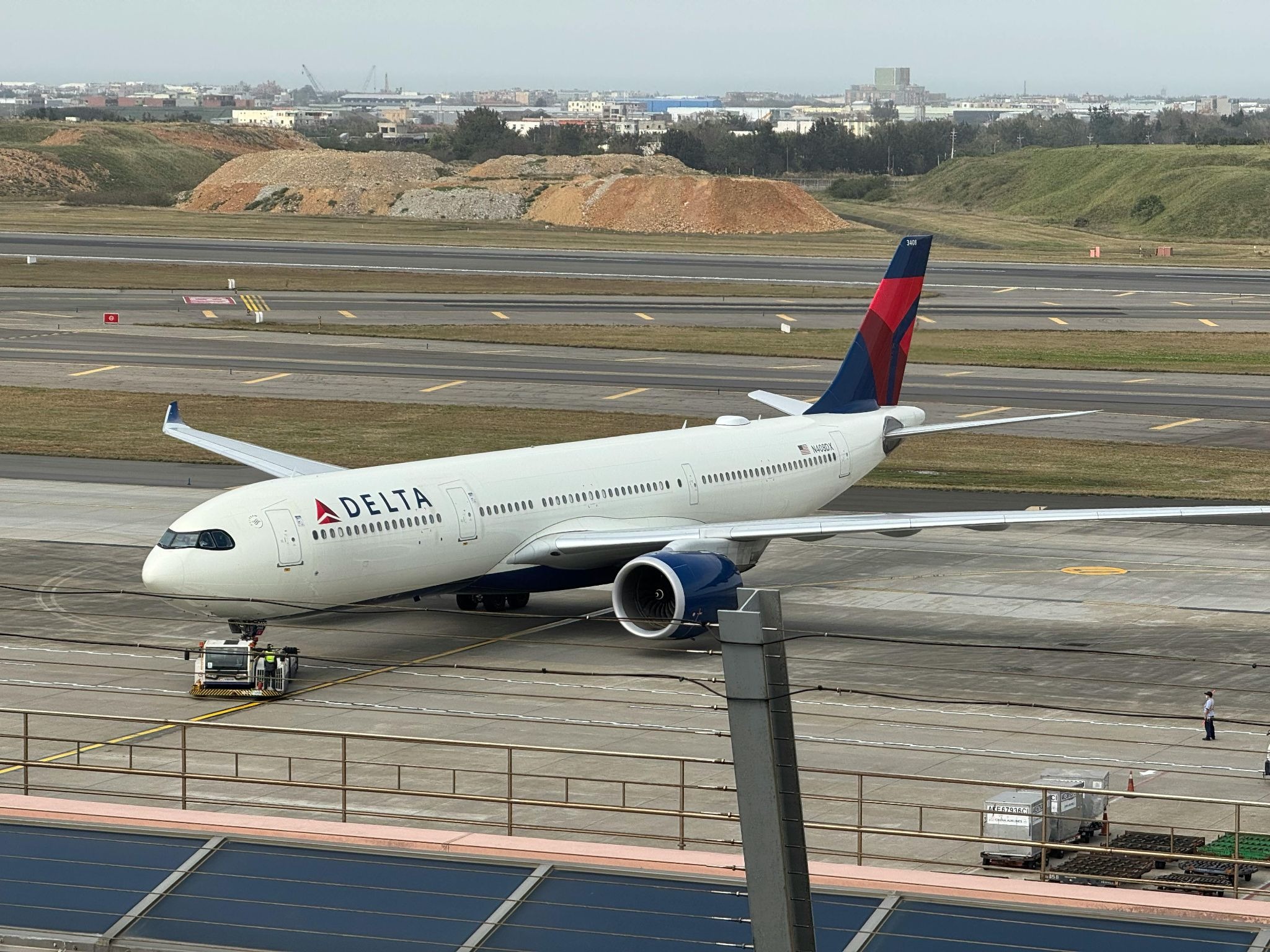
The overall result, more flights with more service, fewer flights with no service is a simpler structure to sell, to operate, and arguably more accurate in terms of what can be delivered for what distance.
The Bottom Line
Starting May 19, 2026, Delta Air Lines will have a simpler economy and Comfort inflight service structure. No-service flights will be of 349 miles or less; full beverage service will be provided for flights of 350 miles or more. The change removes the current express service category, with around 600 daily flights benefiting from increased service and around 450 daily flights losing the limited service they previously received. First class will continue to receive full service.
DISCOVER THE RIGHT CARD FOR YOU.
Explore our card recommendations and find a credit card that suits your personal needs.
Browse card categories
%20(1).jpg)
.svg)