.svg)

Airlines Face Growing Pressure as Jet Fuel Prices Surge
.jpg)
%20(1).svg)
The airline sector across the globe is again confronting a severe monetary problem. This is the case this time as the issue revolves around the drastic increase in the jet fuel price which has mostly been caused by the prevailing geopolitical tensions in the Middle East. The aviation industry is usually hit almost instantly when oil-producing areas are involved in conflicts.
In the case of airlines, fuel cannot be considered as another cost; it is also one of the most significant expenses within the whole operation. Profitability in the airline industry may decline as fast as fuel prices do. Simultaneously, the carriers also have to address the interrupted flight paths, risk-averse passengers, and financial instability.
All this is making things a hard experience to the airlines as they strive to ensure that flights proceed to the dunes amid increasing costs.
Middle East conflict poses a problem of operation
Aviation is a business that depends on the consistent international routes. Political tension and conflicts in the Middle East have however compelled airlines to reconsider most of their flight paths.
Some air companies have been forced to evade some airspace routes, thus causing them to use longer routes to destinations. These changes might not seem much on one side, but even minor changes could considerably decrease the time of flights and costs of fuel.
The length of routes inherently consumes more fuel, and this directly increases the cost of operation. There are even instances where airlines are forced to cancel flights or postpones schedules when alternative routes which are safe are not available.
The uncertainty is also being addressed by the passengers. Several tourists are delaying international travels, especially to those areas near the war. This has led to airlines experiencing increased costs as well as variable demand and this complicates financial planning.
The Enormous Economic Cost of Fuel Costs
The cost of fuel constitutes a significant percentage of the airline budget and the figure is tremendous. Even the most successful airlines have to spend billions of dollars on annual subventions in order to keep their airplanes in the air.
Indicatively, United Airlines recorded a figure of approximately 59 billion in income in 2025. Of that amount, over $11 billion was used up on the jet fuel alone.
The net profit of the airliner was marginally more than $3 billion though the amount of revenue is quite impressive. This indicates that profit margins of airlines can be compared to their overall revenues.
When the cost of fuel goes up drastically, even a profitable airline will soon be feeling the squeeze on its income. Even a moderate increase in oil prices can so easily eliminate a big part of the annual profits.
The Impact of Small Changes in Fuel Prices to Airlines
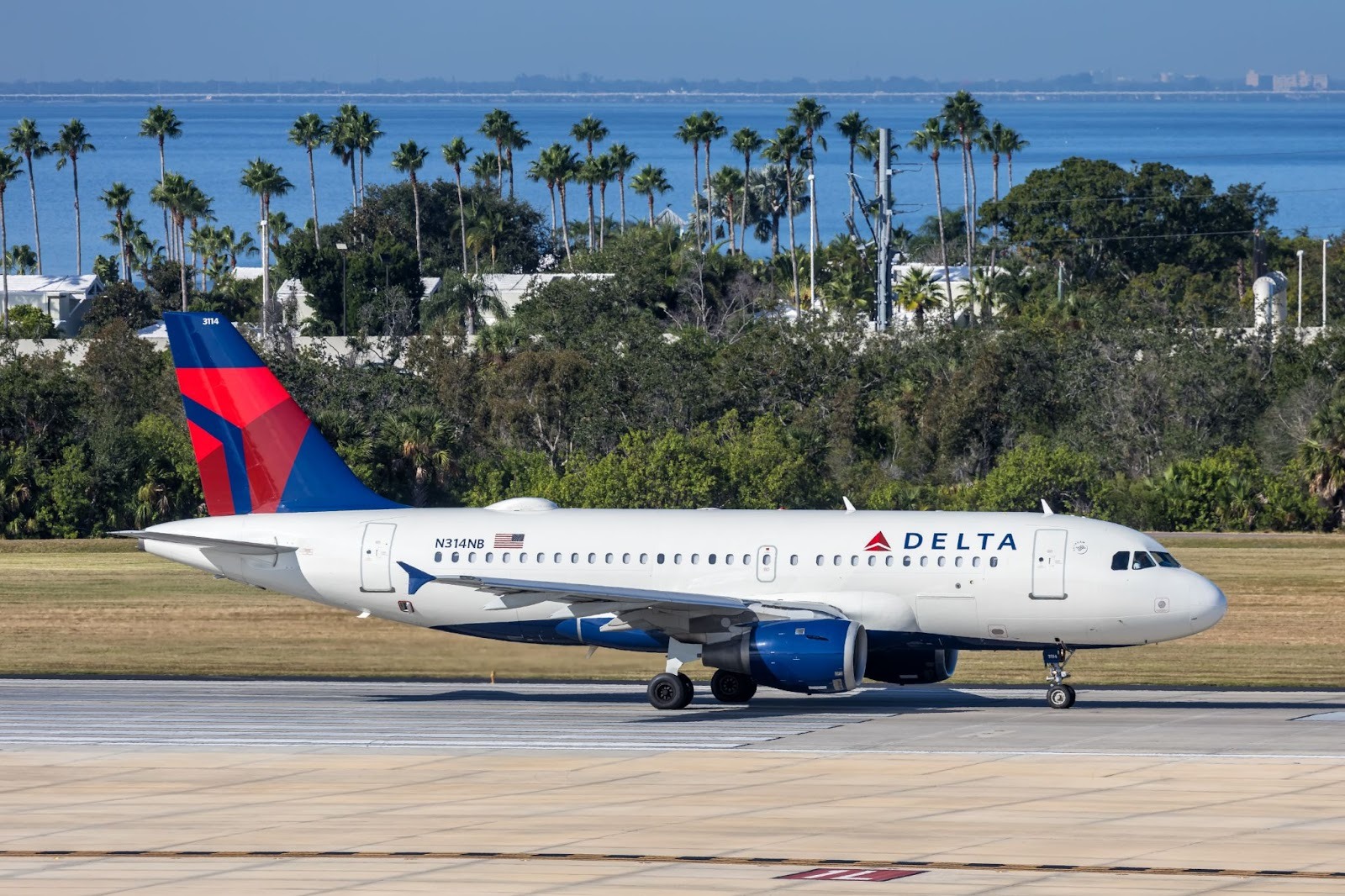
Even simple increases in the costs of jet fuel will result in millions of dollars in the extra costs. Aviation industry is very sensitive to changes in the market fuel.
As an example, the increment of gasoline prices by even one cent per gallon in jet fuel prices can translate to high annual expenditures by the giant airlines.
- The Southwest Airlines can incur an additional expenses of approximately 22 million annually.
- Delta Air Lines may have to incur extra costs of approximately 40 million.
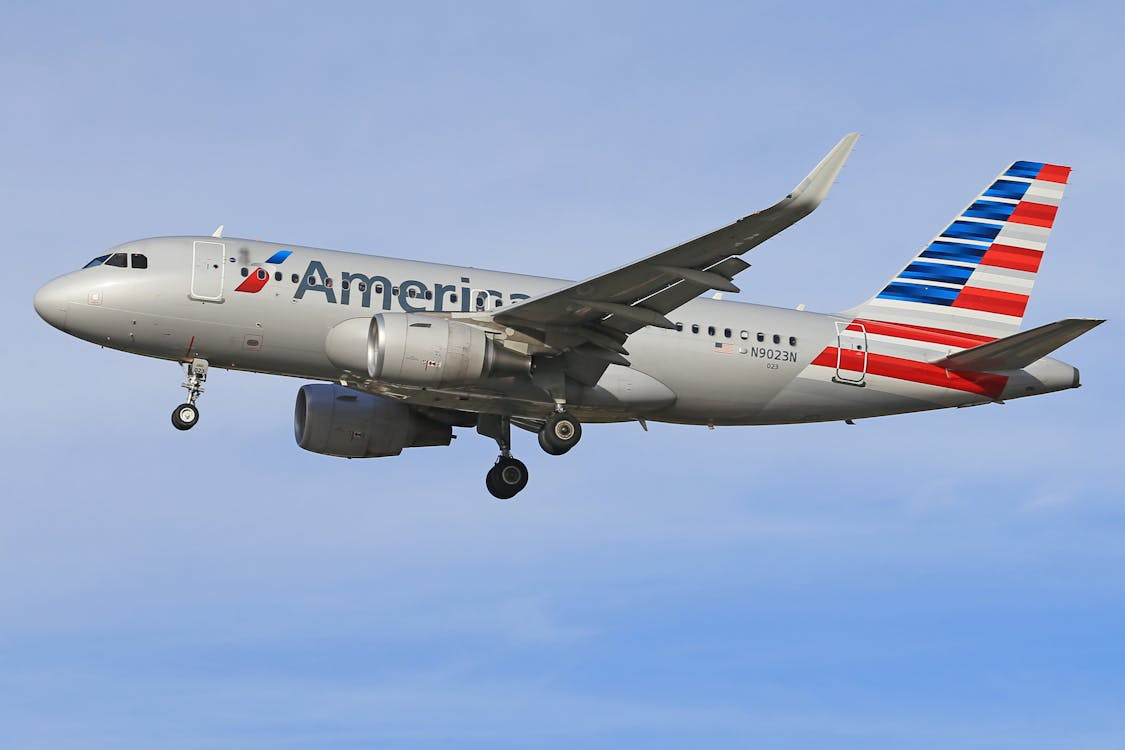
- American Airlines may incur an increase in additional annual expenses of 50 or so million dollars.
These values show that the financial performance of airlines is strongly dependent on the price of energy.
The Increase in Costs could cause an increase in Airfares
As the operating costs increase, airlines will finally seek to increase ticket prices. Already the executives in the industry have already realized that the increase in fuel prices may impact on the airfare rates.
To illustrate this, the heads of airline companies have recommended that the cost of tickets can be raised assuming the fuel prices are not low. Nevertheless, it is not so easy as it appears to increase fares.
Airlines do not have the option of pricing on the basis of their costs. Rather, the consumer demand and competition play a critical role in determining the prices of the tickets.
In case the travelers will not agree to pay larger costs, airlines risk taking empty seats and this may be even more expensive. Due to this, carriers have to strike the right balance in terms of pricing of tickets in an attempt to retain good passenger counts.
Airline Stocks Reflect Market Concerns
Investors have already reacted to the rising fuel prices and geopolitical uncertainty. Airline stocks often respond quickly to changes in operating conditions because profit margins in the industry can shift rapidly.
Over the past month, several airline stocks have experienced noticeable declines. American Airlines shares have fallen by more than 27 percent, while United Airlines stock has dropped by over 21 percent.
These declines reflect investor concerns that rising fuel costs could significantly reduce airline profits if the situation continues for an extended period.
Economic Effects Could Reduce Travel Demand
The challenges facing airlines are not limited to fuel costs alone. Rising oil prices tend to affect the entire global economy.
When energy prices increase, transportation and manufacturing costs also rise. Businesses often pass these additional expenses on to consumers, which can lead to higher prices for everyday goods.
As living costs rise, people may have less disposable income for travel, including vacations and business trips. This decline in travel demand can create another obstacle for airlines already struggling with higher operating costs.
Conclusion
The sudden rise in jet fuel prices is creating serious challenges for the global airline industry. With fuel costs doubling in a short time, airlines must deal with higher expenses, uncertain travel demand, and volatile financial markets.
While carriers may attempt to increase ticket prices, market competition and customer demand limit how much they can charge. At the same time, broader economic effects from rising oil prices may reduce the number of people willing to travel.
Until geopolitical tensions ease and energy markets stabilize, airlines will likely continue navigating a difficult financial landscape. How effectively they manage fuel costs and adapt to changing conditions will determine which airlines remain profitable in the months ahead.
DISCOVER THE RIGHT CARD FOR YOU.
Explore our card recommendations and find a credit card that suits your personal needs.
Browse card categories
%20(1).jpg)
.svg)