.svg)

Lufthansa Wants to Be the Most Premium Airline in Europe But Is it Realistic?
.jpg)
%20(1).svg)
Having a dreamy airline is truly commendable. The establishment of objectives, the investment in the passenger experience, driving towards an improved product all that is something to applaud. What is more difficult to support is when the chasm between stated ambition and reality of operations is so much greater that the goal ceases to sound like a target and begins to sound like a press release.
In early April 2026, Luftraum podcast CEO Jens Ritter sat down to interview Lufthansa CEO, and his vision of the carrier was evident: Lufthansa is striving to be the largest premium airline in Europe. Not top three. Not on a par with the best. Number one.
It's a bold claim. And there are some pretty considerable reasons to take it with a good deal of skepticism.
What Ritter Said
Some explanations of the corporate structure first, as the leadership of Lufthansa may be confusing to an outsider. Jens Ritter is the head of Lufthansa, the airline that operates under the Lufthansa name. The Lufthansa Group is headed by Carsten Spohr, a parent company comprising SWISS, Austrian Airlines, Brussels Airlines among others. Riters remarks are limited to the airline and not the group as a whole.
That background in place, here is how Ritter put 2026 into perspective in the interview: the vision is crystal clear to be the best premium carrier in Europe. He said the airline was well-positioned with the this anniversary year (Lufthansa is celebrating its 100th birthday in 2026), the airline was running better and more punctually than it has in 10 years, and that the year was a firework display of innovations, with new aircraft being delivered about every two weeks and a new onboard hard and soft product.
The Issue with the Timeliness Argument
This is where it becomes awkward. Ritter said on April 7, that he had commented that Lufthansa was running with a decade-best reliability. Three days on, workers embarked on a wave of successive overlapping strikes, which virtually brought major sections of the airline operation to a halt during about a week. It was an inopportune moment.
It is unknown to an outside observer whether Ritter really had no idea that those labor actions were going to occur or whether the timing of the release of the podcast was a mere coincidence with what he knew was happening but couldn’t comment upon publicly. The point is that boasting about outstanding operational consistency just days before a disruption lasting a week of unrest caused by labor strife is the type of disconnect between words and reality that makes it challenging to take the bigger strategic assertions literally.
Another contentious move made by the airline was closing its CityLine subsidiary overnight during the labor strike, a move which stranded passengers and created major negative publicity. It is not the actions of a carrier who implements a premium positioning strategy and is confident in it.
The More Essential Question: Premium Compared with Whom?
The term premium has been pushed to the brink of meaninglessness in the airlines sector. Language has been embraced by American carriers specifically and it sounds strange when you juxtapose it to what Qatar Airways, Singapore Airlines, ANA, and JAL are communicating in through hard product and service culture.
In the case of Europe, there is a competitive reality and a measurable gap. Air France has made the investment in high-end cabins on most of its long-haul fleet, has a product that business travelers give rave reviews of, and has a cultural brand that Lufthansa cannot attain by geography alone. France wine, cuisine, fashion, savoir-faire, builds a brand halo that is easily transported in high-end markets. The associations that Germany has (right or wrong) do not have the same consumer perception.
It is not an indictment of Germany or Lufthansa, it is simply a fact of brand perception in the high-end and luxury markets. Lufthansa possesses some true assets: high connectivity, quality engineering, and corporate customer base. However, none of such strengths inherently makes the carrier aspirationally high-value in the same way that being French, or being a Gulf carrier with virtually boundless investment capital does.
The Fleet Renewal Is Real It Is a Floor, Not a Ceiling
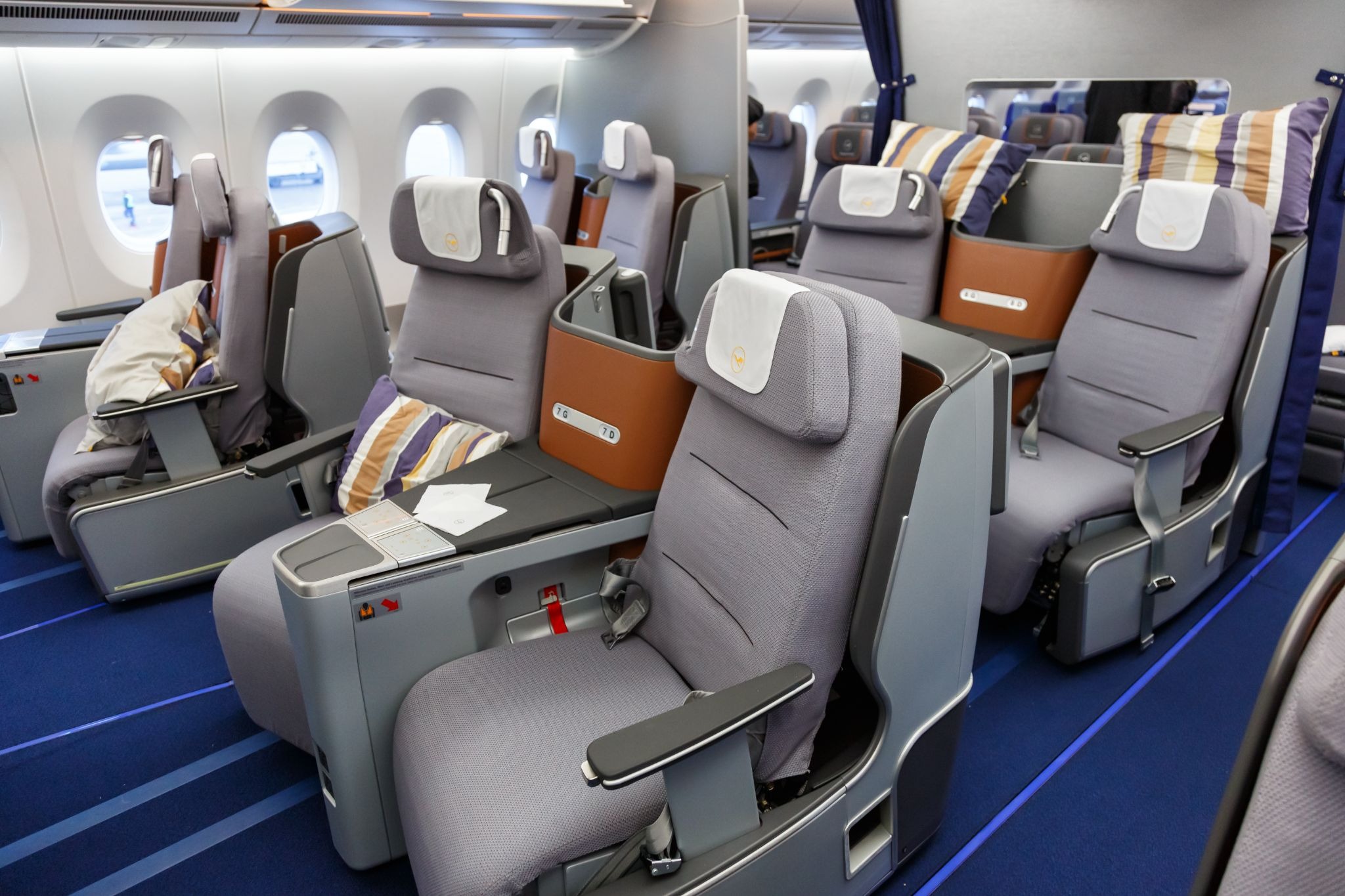
Rita is not in vain when she says that new aircraft are delivered every two weeks. Lufthansa is actually at the core of a significant fleet re-renewal strategy, and new cabins are on the way. When the new business class product finally comes to the entire long-haul fleet, this product will be a true betterment of the ten-year-old product that continues to be used on a large portion of routes today.
However, the problem with framing the fleet renewal as the way to the most premium airline in Europe is that the competition is not sitting on its laurels. The Club Suite rollout of British Airways is ongoing. Air France has still been investing in its long-haul high-end cabins. The Virgin Atlantic business class is still a standard in the industry. The provision of new cabins that can move Lufthansa to the same level as competitors some years ago is not ahead of time, but right behind.
And the problem of timelines. In some instances, Lufthansa has been discussing new business class cabins over years-almost 10 years. Delivery times that long are an issue of credibility in and of themselves. The passengers recall reading about the improvements coming along and the years of waiting before they come to fruition.
What a More Honest Goal Might Look Like
While Lufthansa shouldn't stop striving to improve, the problem lies in framing the goal as becoming "the number one premium airline in Europe," which means overtaking Air France, British Airways, and possibly a few other companies without any defined path toward getting there or staying there.
A more realistic goal could have been as follows: offer a product as good as those of the leading European carriers; improve on-time performance to the top quarter of all airlines in Europe; narrow the gap with SWISS in terms of profitability right now, SWISS's margin is nearly tenfold higher compared to Lufthansa's. These are concrete, attainable goals.
The phrase itself raises the next natural question about what particular service Lufthansa aims at becoming number one. Short-haul economy flights? Long-haul business class services? At airports? If Lufthansa doesn't define its goal in concrete terms, then it doesn't have any actual goals.
Final Thought
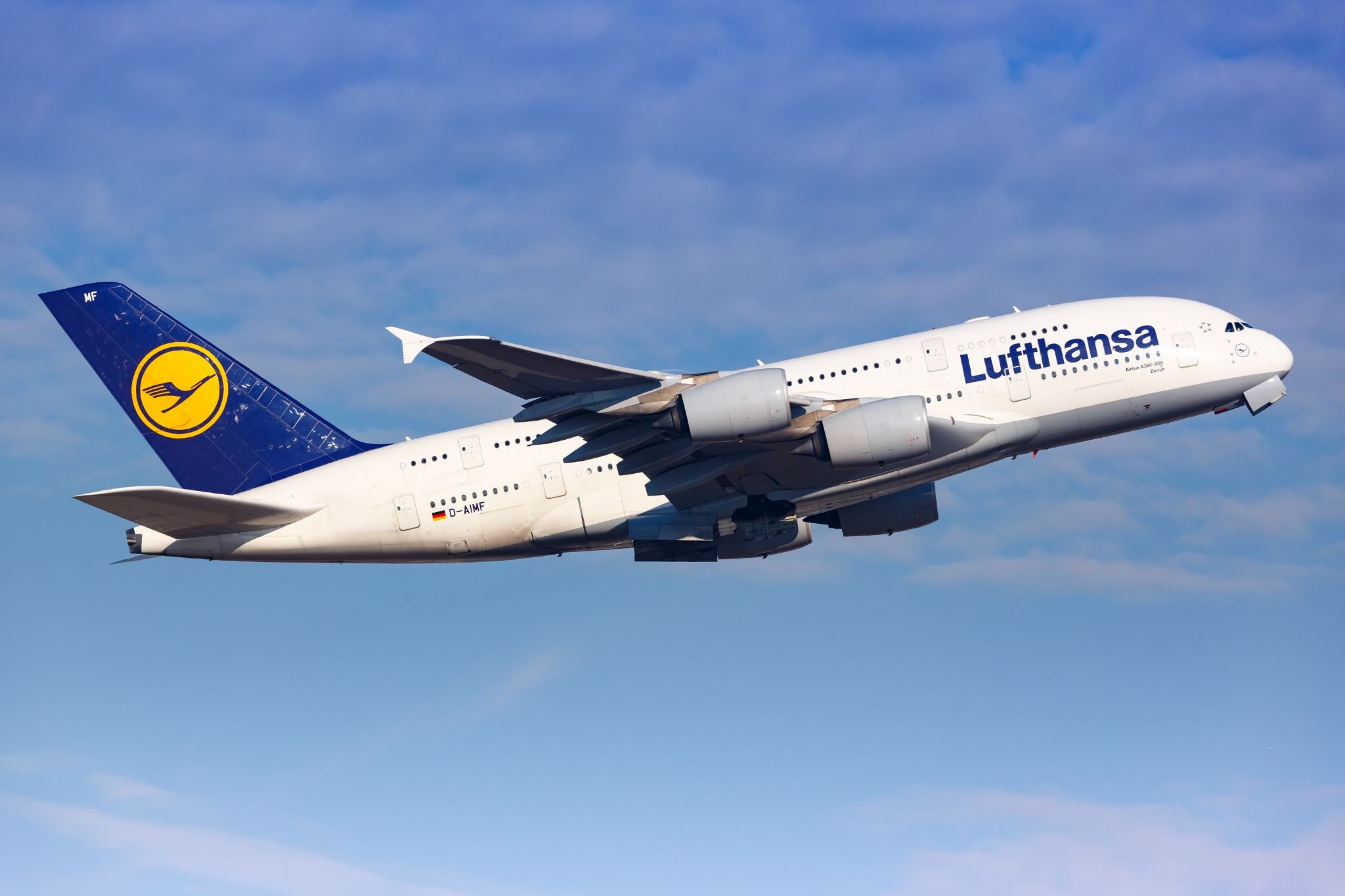
All in all, Lufthansa invests in the quality of the equipment it uses, works hard to make its product better, and tries to turn around a company that trails far behind its peers in terms of profitability even within its own holding group where it ranks last after the considerably more profitable SWISS. That's all true and should be recognized. However, the fact that Lufthansa's current goal is overtaking such well-known and competitive airlines with significantly lower operating costs does not give reason to believe this goal will be achieved.
This goal isn't impossible, but the lack of clear strategies as well as failure to deliver on earlier goals in reasonable timeframes makes it more of an aspiration for an anniversary year. Lufthansa needs to set some solid goals instead.
DISCOVER THE RIGHT CARD FOR YOU.
Explore our card recommendations and find a credit card that suits your personal needs.
Browse card categories
%20(1).jpg)
.svg)