.svg)

American Airlines has a Promising Leader in Nat Pieper But is it Enough to Change Things for the Better
%20(1).svg)
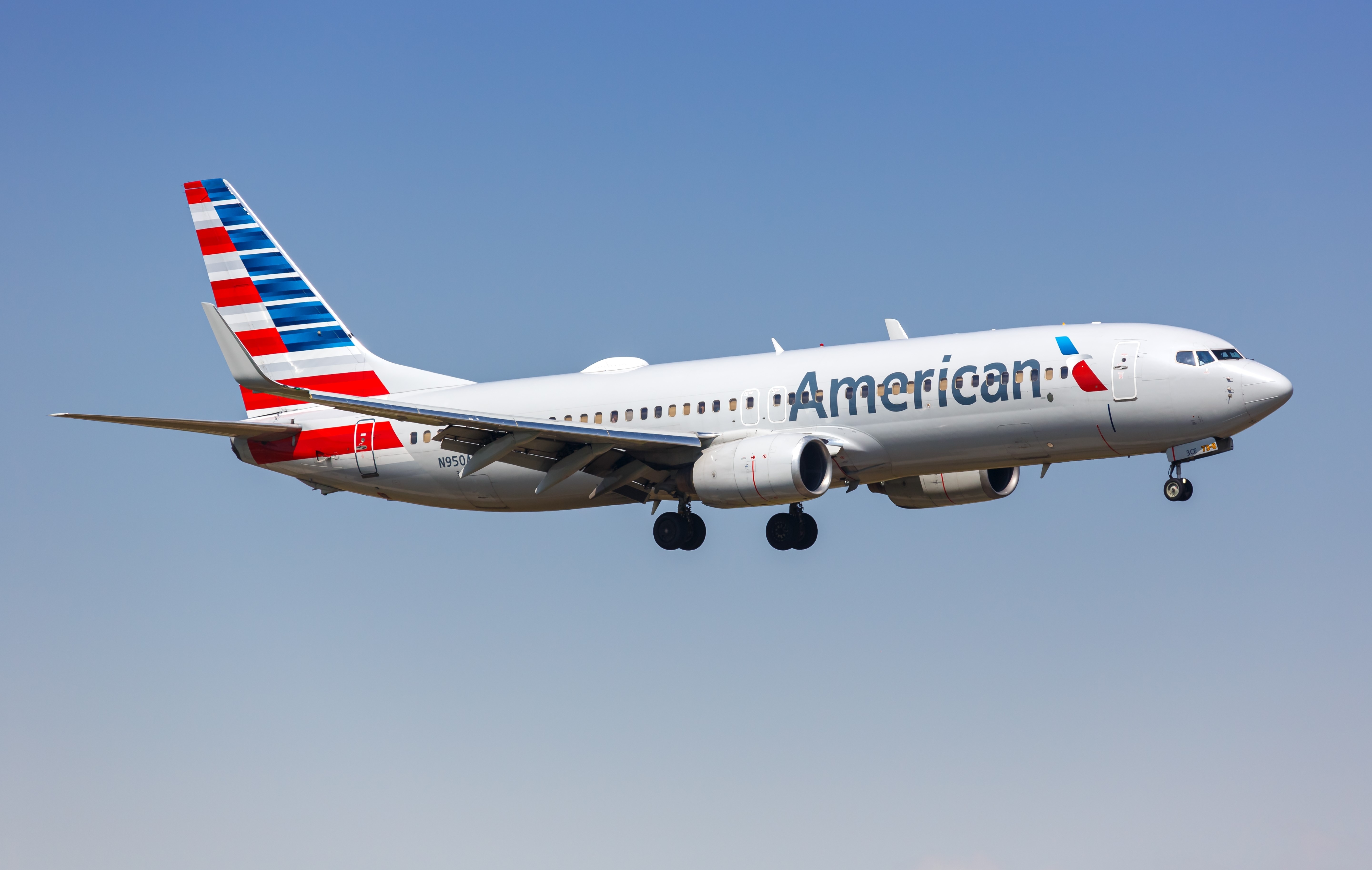
The events of the last few years of American Airlines have been a textbook example of how an airline can ruin itself by letting its strategic position slip away, and by telling itself and its passengers that things are just fine, when they aren't. Only Delta and United are left to take market share. Staff morale has been low. In the sector of product investments, there has been a lag. The route network has shrunken in a manner that is still visible to anyone who routinely tries to chart a global route with once loyal international frequent flyers.
In that context, the appointment of Nat Pieper as Chief Commercial Officer in late 2025 is a bit of a departure from American's long-established leadership team; a new executive from outside the leadership fold who brings fresh experiences and, crucially, new perspectives.
Why Pieper's Outsider Status is More Important Than it Sounds
For more than 20 years, American's executive culture has been a single strand of corporate DNA, a single short circle of executive leadership that saw a merger with American West, then with US Airways, and ultimately with American, and a tight circle of leadership the whole way through. Experience and continuity is not a bad thing, but at American it's a level of group-think that can scarcely be overstated. For most of the recent history of the airline, there haven't been fresh perspectives at the senior level.
In a significant way, Pieper does not. His airline experience started in the late 1990s with Northwest Airlines, followed by over 10 years with Delta, a decade at Alaska and finally American. He has an experience level I don't think anyone else in the leadership of the American carriers at this time has, having worked across three different carriers, finance, alliance strategy, fleet planning and commercial operations.
But what's becoming more and more obvious to those who have been paying attention has been that Pieper is not merely following someone else's idea. He seems to be taking the company in a meaningful direction toward commercial operations, such as the plan to fit TVs in seat backs throughout American's narrowbody fleet. When the CCO is driving it, it shows that the leaders have some say and confidence or perhaps it's a CEO who's come to understand that there's no point in trying to control that.
The Gap American is Trying to Close
Now comes the hard part, even when you have the best executive in the job. The product and loyalty gap between Delta and United that has made their acquisition of American seem like a positive step for both airlines has also been widened by the strategy mistakes made by the former. American's recent failures have not only cost the airline its customers in the short term, they've also given United and Delta enough time to innovate and expand the two gaps in ways that are difficult to bridge.
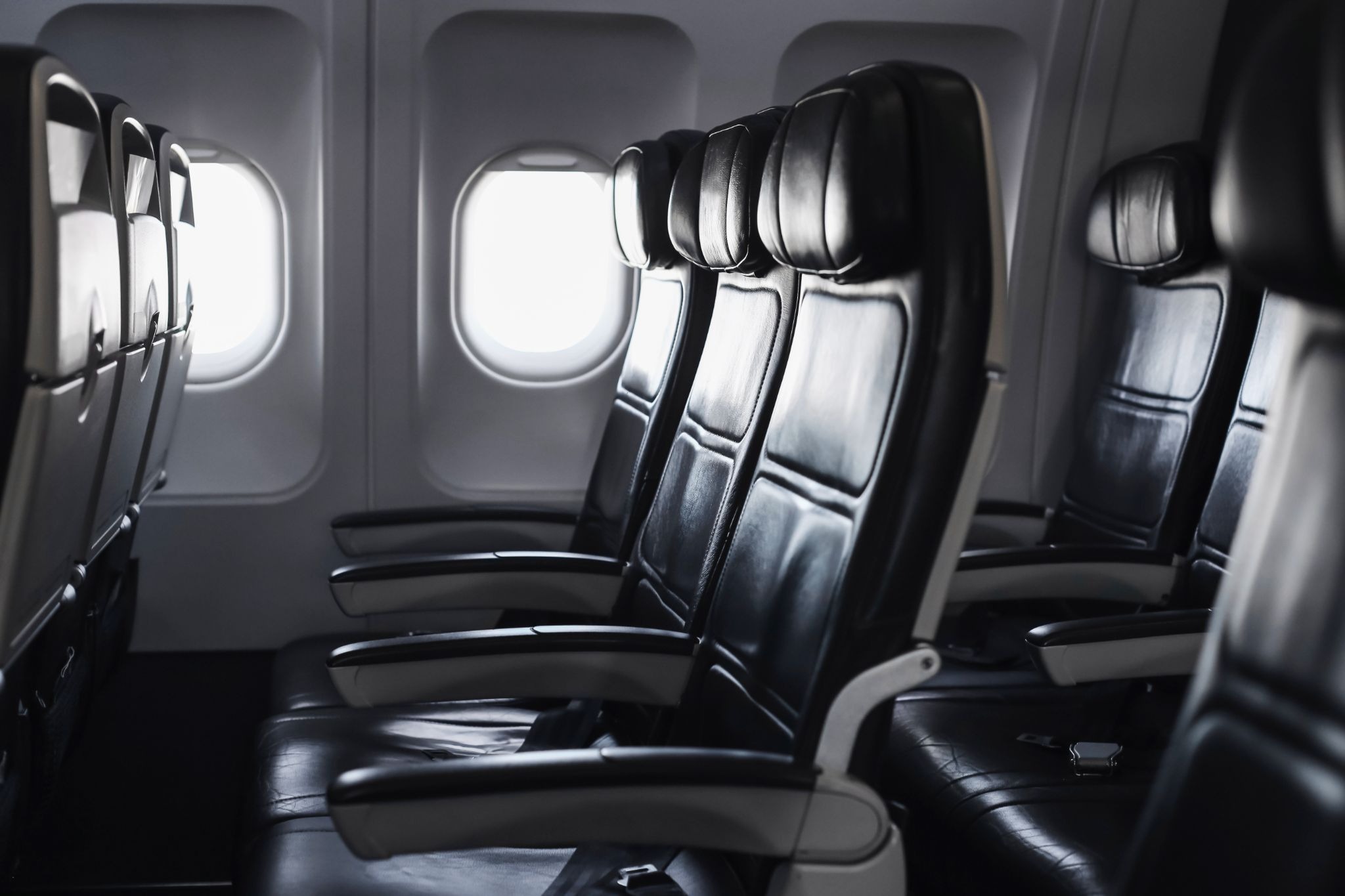
United, for instance, has pledged to have Starlink Wi-Fi and seat back screens on all the mainline fleet by the end of 2027. American has said it will adopt Starlink across some planes beginning in 2027, while it plans to continue adding seat-back TVs, which will be integrated into its future planes, well into the 2030s. It's a meaningful gap and it's one that makes it very challenging to sell a return of a lapsed customer in Chicago, Los Angeles or New York.
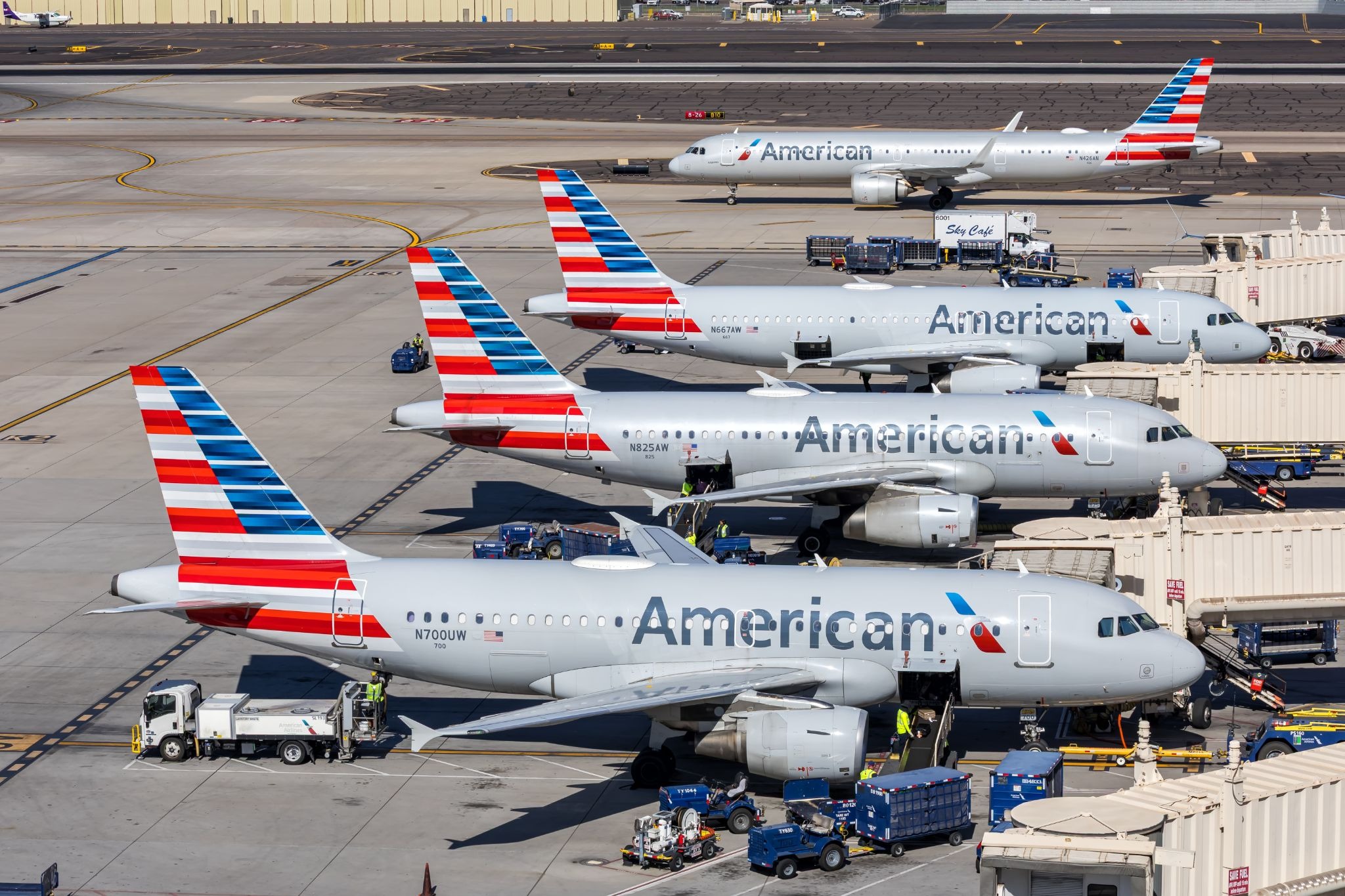
The trouble doesn't show up as prominently in the fortress hubs of Charlotte, Dallas, and Miami. Those cities are the reason why customers fly American; otherwise, they might have to change planes. The true test is in a competitive environment where passengers have already migrated to United or Delta, and that the more reliable Wi-Fi, the more unified loyalty program, the more committed premium cabin offering and just haven't seen the need to come back.
What Americans Need to do to Make This Turnaround a Reality
There's no such thing as a one-person turnaround at an airline as large as American, and there couldn't possibly be a series of incremental announcements. It demands a clear and bold vision, expressed in a compelling manner that inspires staff, and a sense of urgency commensurate with the level of competition. Let's take a look at the challenges that are piling up.
- Leadership signal: Americans need a CEO who is truly respected by their employees one who creates real cultural momentum and that's not the case with Robert Isom; the best internal candidate to fill that position is Pieper himself.
- A clarity moment, a platform moment, something that American could use to reset expectations internally and externally, a competitive clarity moment that would benefit the company hugely, instead of having to do one product upgrade at a time.
- Investment urgency: The time it takes to roll out seat back TVs across the fleet is too slow to get the employees excited and the customers excited; getting this product to the seat back closer to Delta and United is going to take more urgency, not more cautionary scheduling.
- International coherence: American's global route network requires a significant overhaul, as its efforts around Latin America, joint venture flying and seasonal European routes are not a network and are not a part of the American's international vision.
The deal with Alaska Airlines is in another league altogether, one that would allow American to have a presence on the West Coast and in Seattle as well as a foothold in the transpacific market. It could be a smart decision, but it is not the answer to the short-term customer confidence and product problem.
The Unyielding Morality of which There was no Denying
All significant turnarounds in the history of the industry have been a function of one leader who has been able to get people to buy into the mission. United's unification under Scott Kirby isn't always popular, but Kirby has been constantly messaging a competitive vision all along, and the fruits of those efforts have been evident in how United has performed compared to its fellow airlines. The service excellence culture at Delta was established over the years through ongoing internal communication and valuable investments in employees.
American's challenge is that, over the years, they have told employees from the CEO's level that everything is fine, leaving them in a position where while they know something is not fine, they don't know what the plan is, nor do they have a voice from leadership that tells them why to trust. Pieper can be the driving force behind the commercial strategy but the cultural reset will need someone to stand in front of the organisation and make a compelling case for why it is time for the next chapter to be different.
The Bottom Line
The most positive development in American's leadership in years is the hiring of Nat Pieper as its Chief Commercial Officer. His outsider's point of view, his experience with many big companies in the industry, and his apparently sincere desire to make meaningful product decisions are all signs of a change from the group-think approach that has characterized American's executive culture for much of the past 20 years.
The business approach is on the right track with him. The sad truth is that American is still lagging significantly behind Delta and United on product, loyalty and culture among employees and that isn't a matter of making a few small announcements on an extended timeline. A real turnaround calls for a much wider leadership change, a more ambitious public commitment to change, and a much faster product investment cadence. The man to bring the turnaround may well be Pieper. The organization around him moving quickly enough?
DISCOVER THE RIGHT CARD FOR YOU.
Explore our card recommendations and find a credit card that suits your personal needs.
Browse card categories
%20(1).jpg)
.svg)