.svg)

American Airlines Refits Airbus A319 with Additional First-Class Seats -Crew Expresses Space Concerns
.jpg)
%20(1).svg)
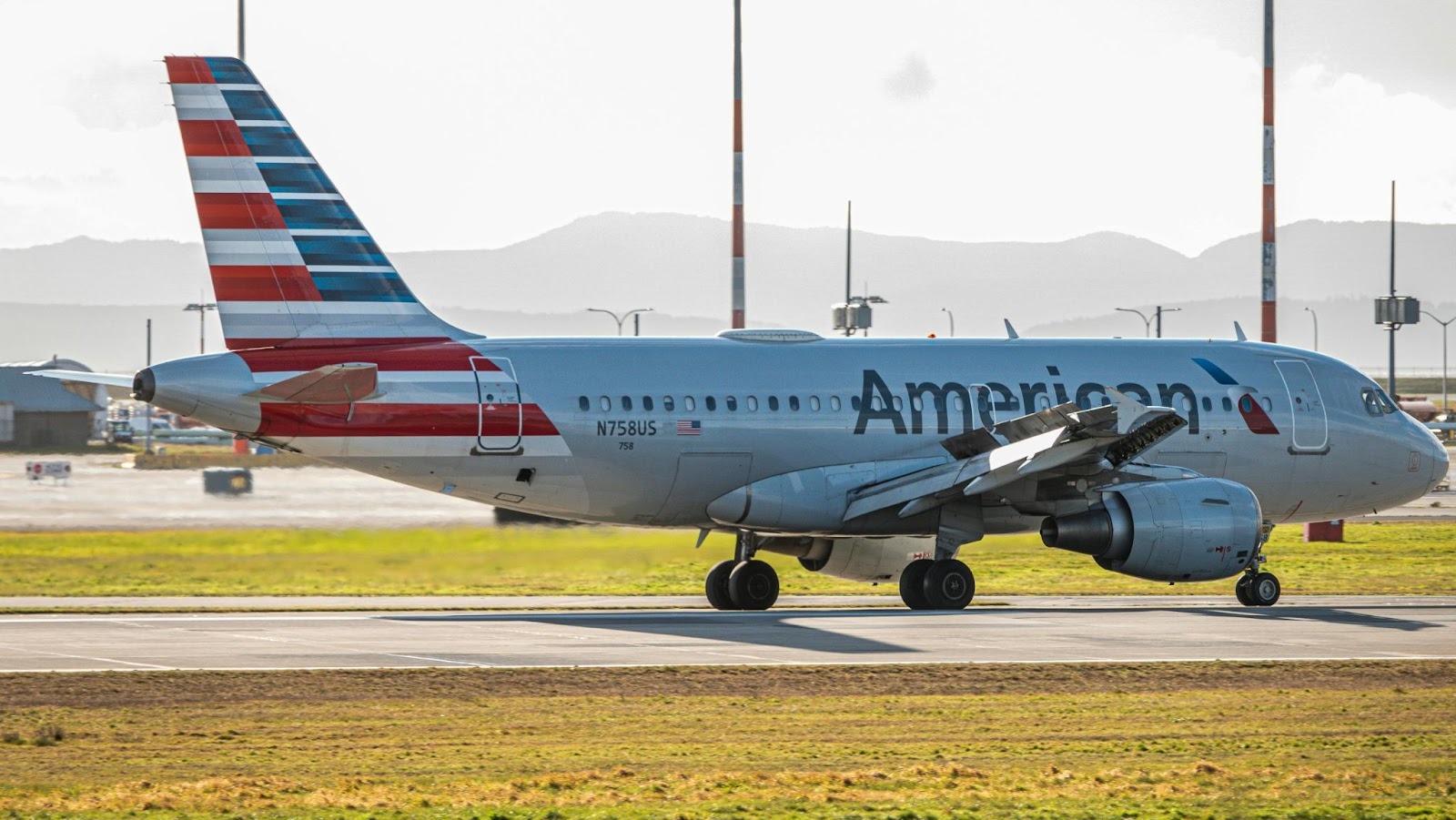
The American airlines have started operating a new redesigned model of Airbus A319 aircraft which has more first-class seats than the economy seats. Although the move will enable the airline to increase premium capacity and increase the chances of greater revenue, it has also raised concerns among the flight attendants who believe that the redesign has left them with minimal space to operate.
The first plane with the new cabin design has recently started operation and initial reviews by the crew members indicate that the tight fit layout might cause operational difficulties. One of the photos spreading online in the back of the galley space shows how small the working space is now when it comes to the cabin crew.
Another design of the Airbus A319 cabin was a new design
American Airlines is presently modernizing a few Airbus A319 jets which is the smallest aircraft in its mainline airline. In the past, the planes had two rows first class seats, which allowed the aircraft eight premium seats in the front.
In the new design, American Airlines has incorporated an extra row of first-class seats in order to make it three rows and twelve premium seats. The airline did this, in order to raise the number of high value seats that are likely to earn more revenue than the ordinary economy seats.
Such upscale demand has been increasing over the years, and airlines throughout the industry are seeking the means to increase these services without having to significantly decrease the amount of seats offered in the economy cabins.
Increased Number of Premium Seats, No Removal of Economy
What is odd about the new A319 layout of the American Airlines is that the airline did not vacate any seats in the economy part to form an additional first-class row. Rather, the new design will be able to add more seats within the identical size of the aircraft.
This redesign is commonly known as aircraft densification which is a strategy of an airlines making an aircraft carry more passengers. Airlines can occasionally add seats without necessarily changing the aircraft design by changing the cabin arrangements and interior rooms.
Nonetheless, by adding additional seats into the same compartment, it is bound to affect other parts of the aircraft. The modifications in the case of the retrofit of American A319 concern the crew workspace and the passenger legroom.
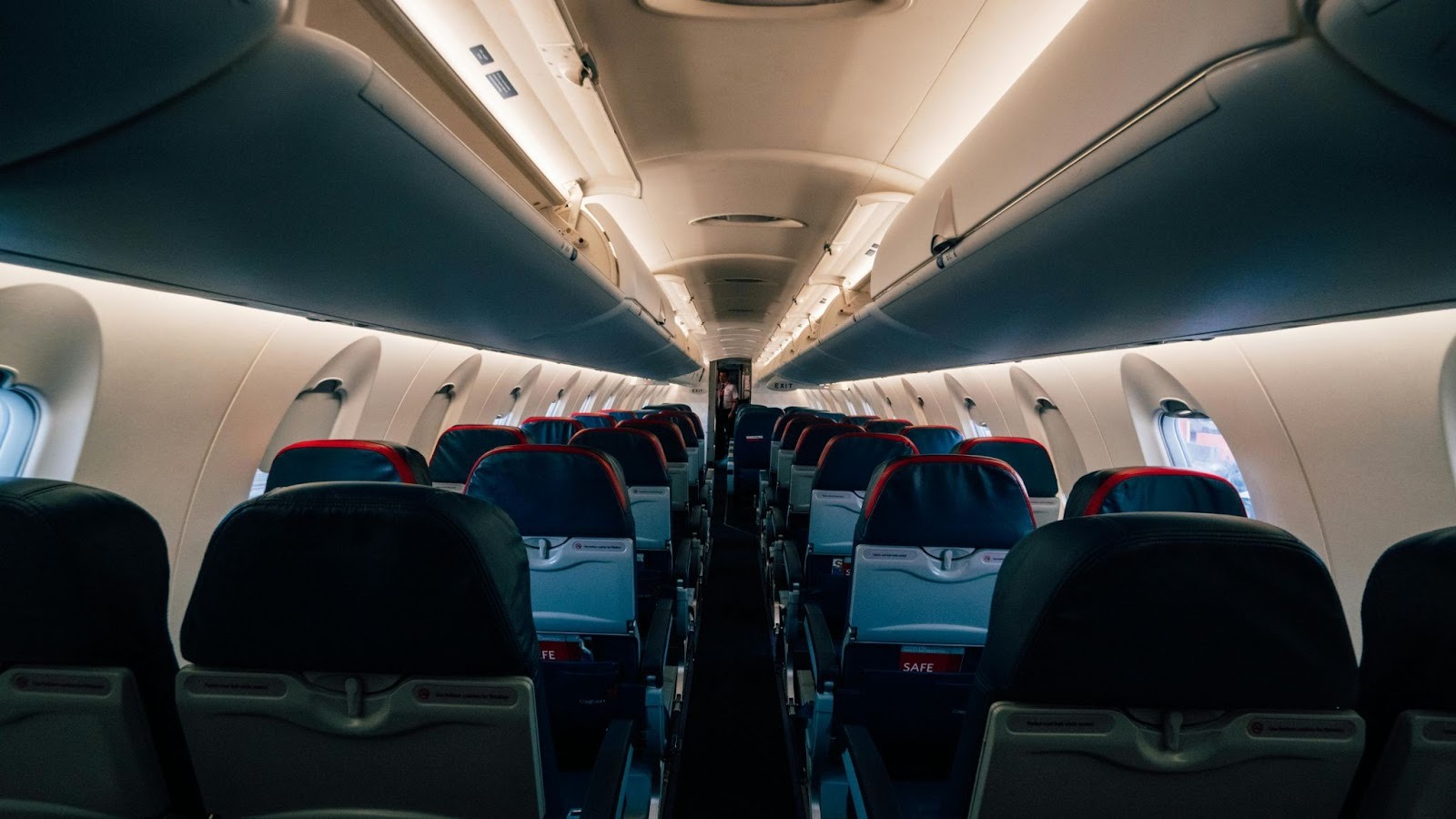
Removal of Seatback Screens
The next prominent alteration in the new plane is the elimination of the seatback entertainments screens. The American Airlines Airbus A319 aircraft were also fitted with built-in seatback displays in some of the planes that were initially ordered in the 1990s.
These screens are being removed as part of the redesign of the cabin. The relocation correlates with a larger trend by American Airlines to implementation of streaming entertainment where passengers onboard take their own devices, i.e.: smartphones, tablets, laptops, etc. to access onboard entertainment.
Although such a design helps decrease aircraft weight and maintenance charge, it also eliminates vacancy within seatbacks thus allowing easier reconfiguration of cabin layouts as airlines increase the number of seats.
Little Workspace by Flight Attendants Report
The new galleys configuration is unlike the previous one, and according to the initial reports of the crew members that worked on the newly configured aircrafts, the lessened galleys area presents a practical challenge during the flight operations.
One of the flight attendants quoted the circumstances as stating that there is no place to work or stand in the rear of the plane anymore. As the passengers often queue up to use the lavatory, it happens that sometimes the crew members are standing in the aisle with passengers waiting in line.
The back part of an aircraft can be spacious particularly during the longer journeys, when people change their positions with a greater frequency. Lavatory queues around the galley may render the performance of the flight attendants hectic.
A Contentious Installing of Jumpseat
Another item that will attract attention is the position of flight attendant jumpseat on one of the lavatory doors. Jumpseats are folding pieces of seats which are used by cabin crew when taking off, landing and times of turbulence.
Having a jumpseat on the door of a lavatory is not a typical design and has been known to startle employees. Previously, the American Airlines leadership had already stated that they will not adopt such configurations as much as they can make.
In spite of those promises, the new A319 design uses this design to maximize the space inside the tight interior of the aircraft.
First Retrofitted Aircraft already in Structure
The Airbus A319 was the first to have the cabin upgrade and has already been put into active use in the American Airlines fleet. This airplane which can be referred to as registration N9002U started flying with passengers last month.
With increased retrofitting of aircrafts in the domestic network of American Airlines, passengers in the airlines might start witnessing the new set-up in some of the routes.
The most prominent changes to travelers will probably be the bigger first-class seat and lack of screens in the seatbacks. To the crew members, the workspace changes can affect their daily experience on the ship more significantly, though.
The A319 Cabin layout by Competitors
It is not only the American Airlines and operates their Airbus A319 planes with 12 first-class seats. The same number of premium seats is also available with United Airlines in its A319 fleet.
Nonetheless, United accomplished this set-up in a different way. Rather than adding an extra row to the current design, the airline eliminated one row of economy seats so as to clear some room to install the extra premium seating.
Airbus A319 planes are also in use by Delta Air Lines but the airline seating arrangement has been reported to offer fairly close room in the normal economy area.
The disparities in configuration reveal the balance that airlines adopt between premium seating, passenger comfort and operational effectiveness differently.
The Drive towards Greater Revenue per Flight
The move of adding more premium seats is part of a wider trend in the airline industry. The airlines have been more concerned about maximizing the revenue per aircraft, especially premium products which fetch a higher price on a ticket.
High-end seats (first-class and business-class) have the potential to bring in much more revenue than regular economy seats particularly in routes wherein business travelers or frequent fliers would be ready to pay additional comfort.
With such a solution, airlines can theoretically add more premium seats without any compromises on the number of economy seats to carry on (though revenue would increase).
Final Thoughts
American Airlines’ redesigned Airbus A319 represents another example of how airlines are adapting their cabins to meet growing demand for premium seating. By adding an extra row of first-class seats without reducing economy capacity, the airline aims to boost revenue from high-value passengers.
However, the changes have also raised concerns among flight attendants who say the tighter layout leaves them with limited workspace in the rear of the aircraft. As more retrofitted planes enter service, both passengers and crew will continue to evaluate how the new design performs in real-world operations.
The evolution of airline cabin design is often driven by economics, but maintaining a balance between profitability, passenger comfort, and crew functionality will remain a key challenge for airlines moving forward.
DISCOVER THE RIGHT CARD FOR YOU.
Explore our card recommendations and find a credit card that suits your personal needs.
Browse card categories
%20(1).jpg)
.svg)