.svg)

Delta is planning to fly from Los Angeles to Newark but will it be walking into a fight it can't win?

%20(1).svg)
On the surface, Delta's new route looks like a good expansion move. The carrier will launch the flights on April 12, 2027 with the regular domestic Airbus A321neo. But run a bit further down the competitive trail on this one and things begin to get a lot more dicey.
It's a market United has been developing for years and it's one Delta is just about to walk into with a smaller number of flights and a significantly worse in-flight experience. So, there's a lot to explore in the reasons why Delta is doing this and why it may not be exactly as the line anticipates.
What Delta is really providing is the new route
The morning and evening departures are split at each end, with one each day. From Newark, flights leave at 7:30 AM and 5:25 PM, and arrive in Los Angeles at 11:05 AM and 9:00 PM. From LAX, departures are at 7.40am and 9.25pm with arrivals in Newark at 4.15pm and 6.00am the next day.
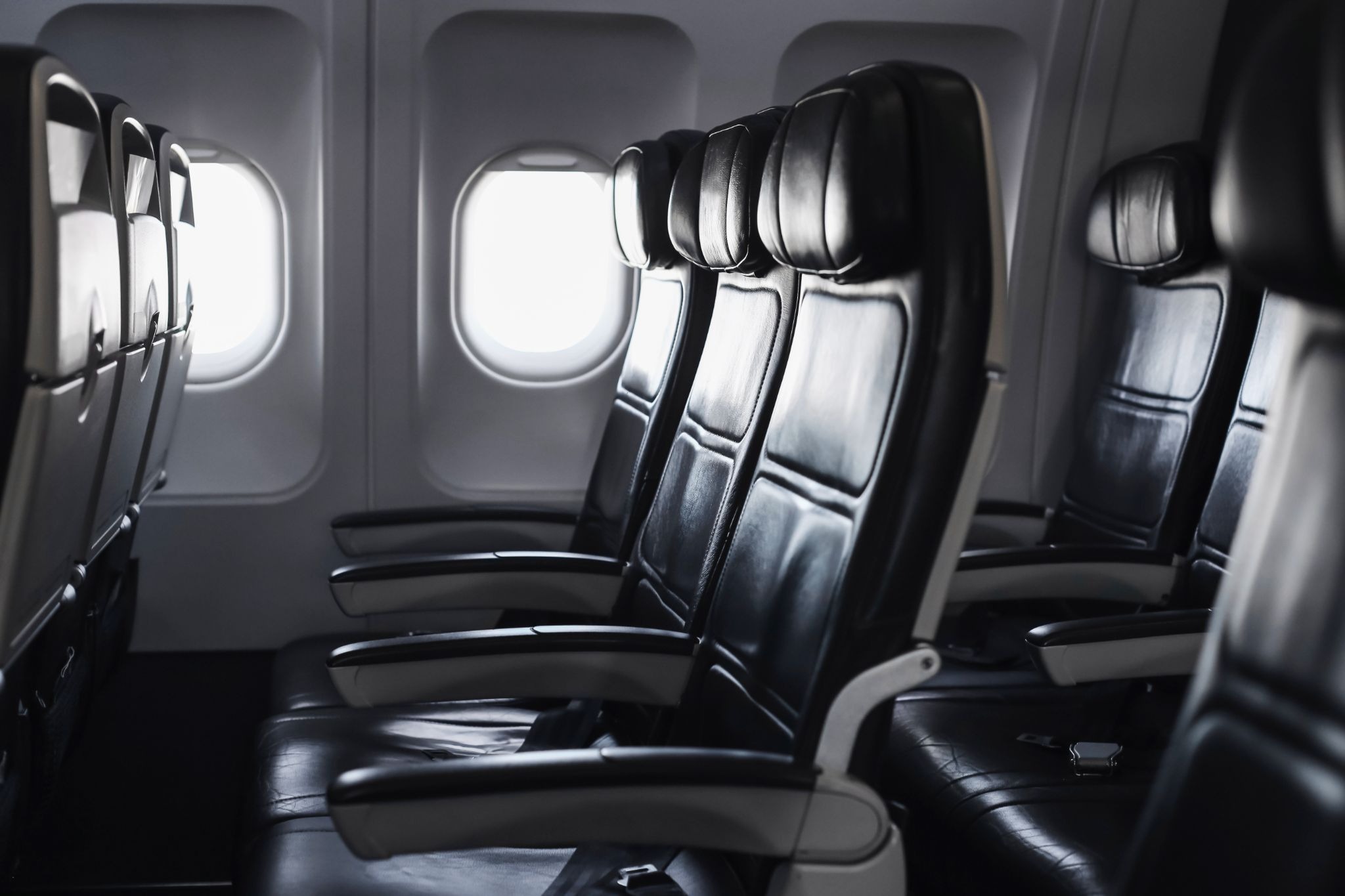
The two aircraft will feature Delta's regular domestic configuration Airbus A321neo with a total of 194 seats (20 in first class, 174 in economy). Missing too: no flat-bed business class offering, which is quite significant on this line, where Delta is pitted against.
Scott Santoro, Delta's VP of Los Angeles and West Coast Sales, explained the launch in the context of the importance of Los Angeles to Delta's network and the airline's long-term goal of offering more options and more consistent schedules for customers across the major business markets. While it's standard fare from airline marketing for announcing a new route, the underlying competitive math on this particular corridor is more complex.
Why United Owns This Market
The LAX-Newark corridor is not merely another transcontinental corridor it is one of the top domestic corridors in the United States in terms of revenue, and that is largely due to United's competitive position in this corridor. Currently, United is flying 10 flights daily on the route and is using mostly wide-body jets with Polaris business class, which is a true flat-bed product compared to the experience Delta is offering on the route.
There's more to United than the frequency and hard product deficit, when it comes to Newark. The airport is a key operating hub for United and the airline has developed significant goodwill with East Coast business travelers who prefer Newark. It would be a tough battle even if they were not running two daily flights on standard domestic aircraft.
Though the competitive picture does have one interesting wrinkle, JetBlue, who has a partnership with United, is reportedly shutting down its service on this route soon. That makes Alaska Airlines the only other noteworthy competitor that flies up to three times a day. If Delta will benefit from the flight of JetBlue is an open question, as is whether it means anything other than that the market is challenging for all airlines to make a profit without being United.
For whom is this route intended?
That's where the strategic thinking starts to get really hard to follow. Consistent business travelers between LAX and Newark have been loyal to United's excellent frequency and Polaris product for 10 years or more and are unlikely to jump to a Delta twice-daily service with a standard economy and first class configuration at least until there is a significant price differential.
That leaves a smaller market: Delta loyalists who specifically want to go to Newark instead of JFK, and who are not interested in the product the plane will carry or feel it's acceptable to sacrifice onboard product for the sake of staying in Delta's system and earning SkyMiles. That's a real but very tiny percentage of the travelling public, especially if Delta already flies up to 11 times daily from LAX to New York JFK, a free and much more robust service to New York.
The marketing pitch for this new route isn't so much the one to capture the largest LAX-Newark customer as it is to lure in the rest of the market. United isn't really going after the biggest LAX-Newark customers with this new route, though, as United has invested in frequency and product on the route for years. It's a play for the more adventurous or brand-loyal traveller who isn't averse to flying Delta's less convenient schedule, which also has a less competitive premium cabin.
This is a component of Larger Pattern of LAX Growth Bets
This is not an isolated effort; the effort has been a component of a much larger plan, as Delta has been working hard to establish its Los Angeles presence over the years, and that looks like it's going to be a goal to achieve on the horizon.
The LAX-Newark route is the latest in a series of Delta growth projects that have come under similar criticism from industry watchers, which also includes the airline's recently announced focus city development in Austin and the ongoing investment in Seattle, where Delta has tried to compete with entrenched Alaska Airlines for years with mixed success.
Let's make a brief comparison between the LAX-Newark competitive landscape:
- United Airlines: 10 flights a day, mostly wide-body with Polaris flat-bed business class, established at both LAX and Newark.
- Delta Air Lines: 2 daily flights to be launched on April 2027, standard domestic A321neo configuration (no flat-bed product)
- JetBlue: Only the other major carrier left for Alaska when they get out, with up to 3 flights daily.
- The difference in both frequency and the actual goods sold is so great that it appears that meaningful market share can only be taken from United given the current competitive landscape.
Is It a Good Long-Term Play or a Big money-lose?
All airline networks have a combination of routes that make profit and those that are purposefully unprofitable to serve, for the purpose of opening up connections, gaining brand recognition or setting up a position at the right time and in the right place for future capacity changes. If Delta's overall hub-building initiative is successful, over the long term, its LAX strategy could yield results.
However, the economic implications of this journey need to be considered carefully. The westbound leg of this flight has a block time of more than 6.5 hours which is high enough to make this an expensive leg to fly at any seating level. This route is arguably facing a tough road to profitability in the short-term in addition to the massive competitive disadvantage in comparison with the dominance of United.
The Bottom Line
Delta's new new twice-daily LAX-NEW route for April 2027 is one of the most profitable domestic markets in the nation, and one that is easily dominated by United's 10 daily flights and flat-bed business class, which is equipped with standard A321neo and no premium flat-bed offering.
The route seems to be a highly focused one for those who would rather fly an airline than follow its schedule and product quality, a relatively small number of customers. Along with Delta's recent investments in routes to Austin, Seattle, and an apparently money-losing Hong Kong, this LAX expansion feels like a part of a larger, expensive effort to establish hub dominance, and one whose ultimate success is far from certain.
DISCOVER THE RIGHT CARD FOR YOU.
Explore our card recommendations and find a credit card that suits your personal needs.
Browse card categories
.jpg)
.jpg)
.jpg)
.svg)