.svg)

EasyJet's Board of Directors Approved a $7.3 Billion Acquisition, Though it's not Finalized Yet

%20(1).svg)
European aviation has been in the habit of consolidation dramas but the play out of EasyJet has some twists that make it really worth checking out. EasyJet, which operates many of Europe's biggest low-cost carriers, has given U.S. investment firm Castlelake permission to raise its takeover bid, which is now being built up gradually from a rejection of £5.60 per share by the board.
The final agreed price for the deal was £6.90 a share, bringing EasyJet to about £5.5 billion, or nearly $7.3 billion. The word in that sentence is conditionally. There are three big obstacles that make it an incredible challenge, between here and a completed transaction.
There are three big hurdles in the way to a deal:
Tentatively approving the board's motion is just the first step, not the last. But it is not until the following events take place before Castlelake can own EasyJet:
- European ownership compliance: In accordance with EU aviation law, European airlines are required to be majority owned by European entities. Castlelake, a U.S. company, can't make the acquisition, because they require the deal to be structured with qualifying partners from Europe. Two Irish advisory firms are to be included to meet this requirement, although it remains to be seen how this will stand up to the scrutiny of the authorities.
- Board acceptance: The board has conditionally accepted the offer, but EasyJet shareholders who have the final say need to formally approve the transaction. No one is sure if the current bid is substantial enough to secure that endorsement, especially among shareholders who may be expecting to achieve greater value from the airline's assets down the road.
- Regulatory clearance: European aviation regulators will want to know what Castlelake intends to do with EasyJet, how the change in ownership will affect competition on its routes and what impact the deal will have on EasyJet's customers and workers in its markets.
Who is Castlelake, and Why EasyJet?
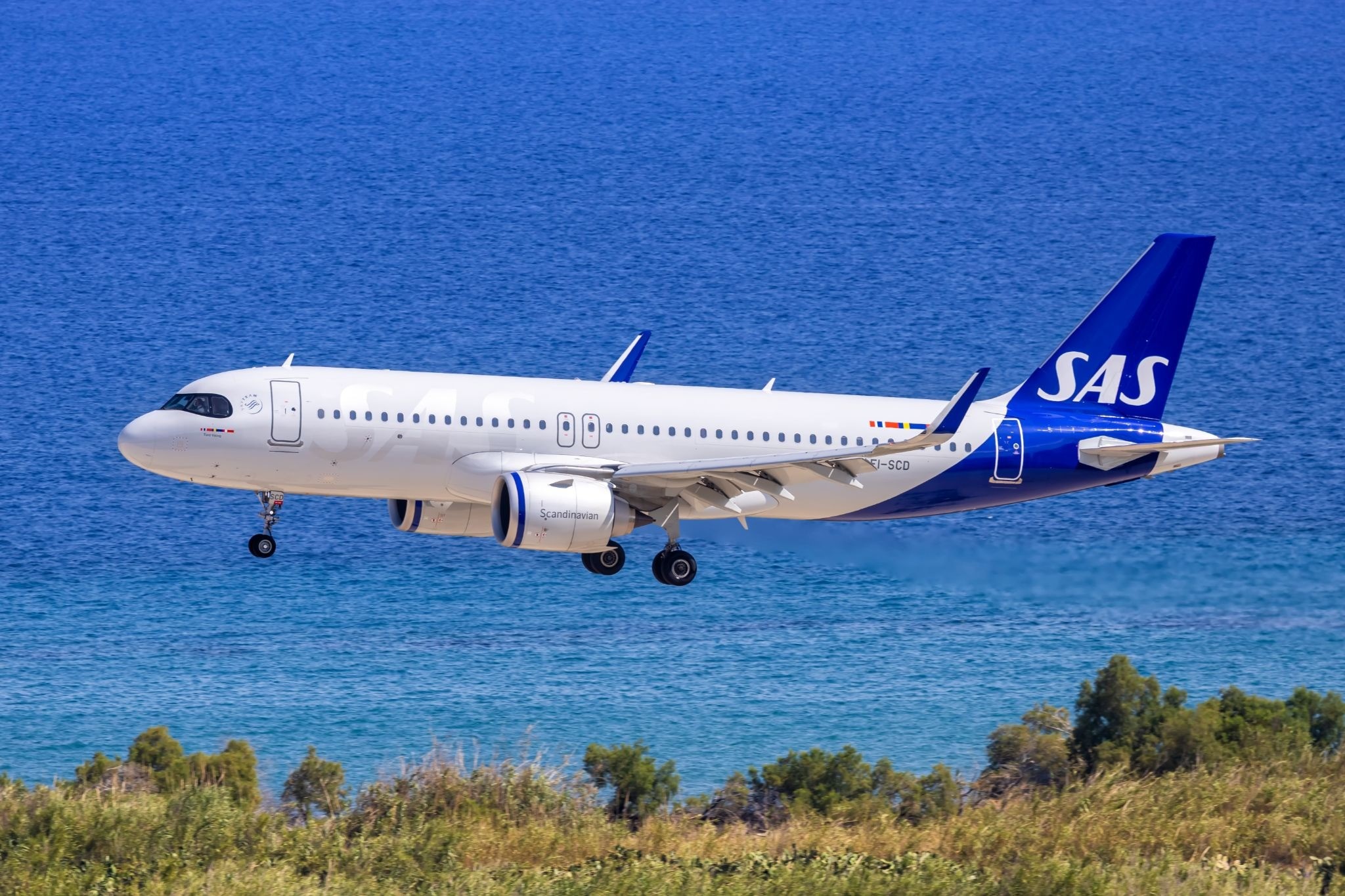
For those outside the investment community, however, Castlelake may not be familiar, but for those who know the airline industry, it's a name that will be familiar in connection with the Scandinavian Airlines (SAS) restructuring, which saw its company emerge from bankruptcy reorganization with the acquisition of about a one-third stake in the airline from Castlelake. Note that this EasyJet deal was agreed in conjunction with Air France-KLM.
It has been confirmed by Air France-KLM (Air France-Loisir) CEO Ben Smith several weeks ago that the airline would be interested in speaking to EasyJet, although there was no formal bid at the time. One of the more interesting parallels to follow is between the structure of the SAS Castlelake as the financial investor and Air France-KLM as the operational partner and what could potentially happen here.

Why is it that assets can be so difficult to value?
Most baffling part of all this is not the bid itself, it's the difference between EasyJet's market cap and the value of its assets. EasyJet's fleet of planes and its portfolio of airport slots, some at the very congested, very valuable, European airports could be worth more than £8 billion, according to analysts. However, the company's share price is faring poorly against that, which is why the Castlelake offer of £6.90 a share is still a premium but hasn't taken the full price of the asset.
The obvious question is, why have the assets not been realized when the stock price is considerably lower than what it’s worth? The market does not see the asset as valued at that price, or perhaps EasyJet hasn't monetised these assets, or perhaps there's something about the value that is not as easy to extract as it looks maybe because they're only worth as much as the point that they can be used to run flights instead of trying to be sold.
But some have suggested that the actual reason Castlelake was playing the game was to be able to eventually sell EasyJet and reassemble the fleet and slots in other forms. That would align with the market/asset value gap, but would be hard to implement when trying to get European regulatory approval for the acquisition in the first place. Spending so much time and effort on a deal that doesn't need to be approved by regulators because it can be expected to lead to lower competition and cancellation of routes is a time-waster.
What It May Mean for Travellers
EasyJet operates with tens of millions of passengers per year on a very extensive network of flight services to Europe, with numerous city pairs where there is little competition. If the deal finalises, and the new ownership group implements major changes in how it operates, such as cutting routes, restructuring or integrating operations more closely into another airline, EasyJet passengers who frequently fly within Europe would feel the impact.
A repeat of the two companies' partnership is of special interest for the frequent flyers in the European market, because of the cross-licensing of the two carriers' loyalty points programs.The repeat of the two companies' partnership is quite interesting for frequent flyers in the European market, as the two loyalty points programs are also cross-licensed. There is also speculation that a closer relationship with EasyJet is likely to open up codeshare opportunities, feed services for the long-haul passengers, and maybe even some sort of integration of a loyalty programme, but again, it's mere speculation for now.
Will This Deal Be Honored?
Honestly? It's genuinely uncertain. The conditional approval from the board is the first step, but sentiment among the shareholders is always unpredictable, the European ownership structure must pass the test of scrutiny, and a transaction of this magnitude in a heavily regulated industry is never guaranteed to get regulatory approval.
One of the things that is fascinating to watch is the motivations are less clear. Castlelake may be buying EasyJet for long term investments in the aviation industry, to promote a strategic alliance with Air France-KLM, or as a bet on the value of the business itself being undervalued in the stock market. The different scenarios result in different outcomes of the airline, its crew, and its customers.

The Bottom Line
The board of EasyJet has accepted a conditional offer of £6.90 a share from the U.S. investment firm Castlelake, which is worth $7.3 billion. Three big obstacles need to be overcome before this becomes a final deal: European ownership requirements must be met with European partners, formal shareholder approval must be obtained and regulatory clearance must be received.
Due to their successful collaboration in the restructuring of SAS, it has been speculated that Air France-KLM might strike a similar deal with Castlelake, which would allow them to have a significant low cost carrier platform in Europe. The main mystery of the deal is how much of a premium EasyJet's market value is worth compared with the value of its aircraft and airport slots, which is estimated to be nearer £8 billion.The big question is on Castlelake's intentions if it manages to privatise EasyJet, because the airline's market value is quite a high one compared with the value of its fleet and airport slots.
DISCOVER THE RIGHT CARD FOR YOU.
Explore our card recommendations and find a credit card that suits your personal needs.
Browse card categories
%20(1).jpg)
.svg)