.svg)

Emirates is changing the details of the world's most overcrowded A380 here's what you need to know
%20(1).svg)
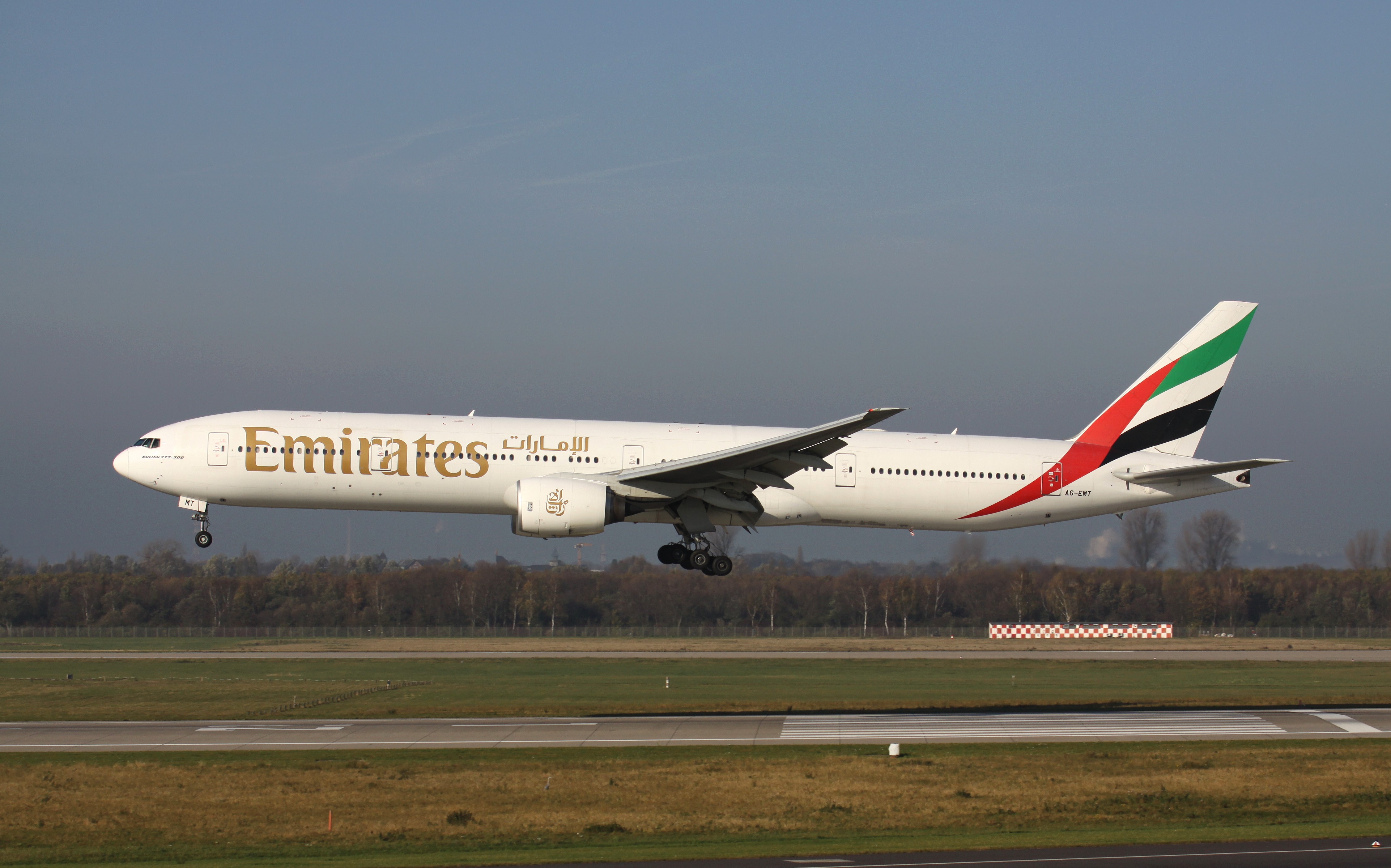
The first thing that springs to mind when picturing the Airbus A380 is Emirates' signature onboard bar, business class first and the first class experience that travel enthusiasts are weak at the knees for. However, the Emirates A380 is not always like that and one particular family of A380's is due for a good re-think.
Emirates has a fleet of 15 A380s in which there is no first class cabin at all. The planes have been manufactured for short and medium-range flights where the demand for premium seating was traditionally not as high, and they have been taking full advantage of it with 615 passengers each, the highest capacity of any commercial aircraft in commercial use worldwide.
That time is now over! Emirates has started to re-configure these high-density A380s and the first retrofitted A380 has already begun to fly. That leaves a completely new configuration of the cabin: one that reflects the dramatic change in travel demand since these planes were originally configured.
How is it that the number of seats has dropped from 615 to 569?
The figures speak for themselves. The old configuration packs 615 passengers into a two-class configuration comprising 58 business class seats and 557 economy class seats. It's an economy class-class arrangement, and on an aircraft of the stature of the A380, making most of the upper deck an economy class cabin never seemed like a good idea.
The new setup reduces capacity to 569, roughly 8%, but spreads the seats out in a much more market-relevant manner:
- Upgrade business class, from 58 to 76 seats.
- Premium economy: Newly introduced with 56 seats.
- Economy: There are now 437 seats instead of 557.
The new improvements above the economy cabin mean that 120 seats have been removed from that class, whereas business class has increased in numbers by 18 seats, and premium economy is new to this variant for the first time.
The Upper Deck undergoes a total makeover
The most significant structural part of this retrofit is the removal of the upper deck and a change that makes these 15 aircraft more relevant to the rest of Emirates' A380s.
The new design makes the top deck a pure luxury deck. The interior is split into two areas with business class taking the middle and rear of the aircraft, with the brand's signature bar and lounge at the far end, identical to that of Emirates' four-cabin A380s. The new premium economy cabin with 56 seats has been installed in the front of the upper deck, where the economy class seats formerly stood.
That makes all Emirates A380s, regardless of configuration, have the same upper deck strategy: economy down, business class and premium economy up. It brings a more logical relationship between the cabin hierarchy for the passenger. Emirates simplifies a variable experience for Emirates fans across the fleet and makes it more enjoyable.
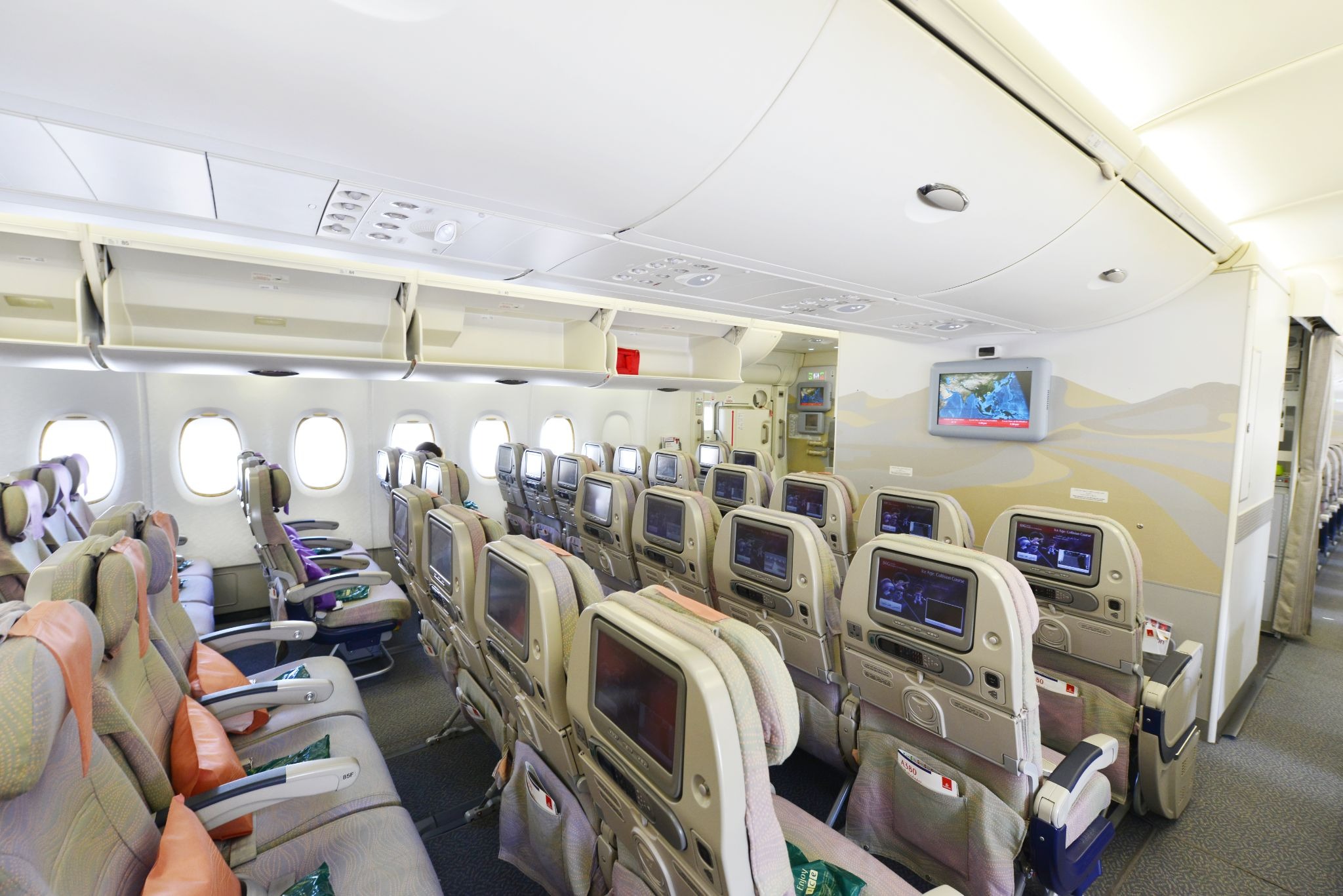
This Retrofit Retro is especially attractive due to its Premium Economy Placement
A detail that's interesting for premium economy fans who consider it to be, in their experience, a middle option between economy and business class: The premium economy configuration on these reworked aircraft is actually superior to that of Emirates' four-cabin A380s.
In the 4 cabin variant, premium economy is located at the front of the lower deck, in a 2-4-2 configuration. A good product, but it's a lower deck product. Premium economy on these newly configured planes is in the front of the upper deck in a 2-3-2 configuration, which is narrower than the 2-2-2 economy seating layout, and offers more personal space and cabin feel compared to the lower deck economy configuration.
If you're thinking of booking Emirates premium economy on mid-haul flights, booking one of these re-configured planes would be a good thing to consider. It's a step up from the standard A380 configuration in terms of the upper deck position, layout and cabin environment.
The reason Emirates is making this change now
While it's taken a long time to come to the correct decision, the business logic of this retrofit is easy to explain. These 15 high-density A380s are not being used for primarily first class traffic, though that does not mean there wasn't demand for business class or premium economy. The original layout was not economically sustainable in today's rapidly changing market environment because demand for premium travel has increased steadily in recent years across almost all markets.
The 557 economy seats per aircraft that serve markets with actual premium demand is a significant loss of revenue. The increase in business class seats and premium economy seats and the reduction of economy seats not only enhances the service provided to passengers, it has a direct effect on the commercial performance of every flight.
For Emirates Skywards Redemptions, here is what it means
In the case of points and miles customers, a change in Emirates' cabin configuration could have implications for the award bookings. Premium economy on these 15 aircraft adds a new redemption option on routes where it does not exist and the upper deck placement makes them even more desirable than premium economy on other planes in the fleet.
Emirates Skywards members should consider the following after this retrofit:
- On these reconfiguration aircraft, premium economy is on the upper deck at a higher level than the "standard" premium economy on the lower deck of the A380.
- You'll find 76 seats per aircraft in business class instead of 58, which could enhance award availability on these routes.
- The 15 aircraft are to be reconfigured gradually over the next few months, so the aircraft you see on the route may not be exactly as it is now.
- It's certainly worth spending some extra minutes researching the aircraft's registration or seat map before booking, especially if you're seeking premium economy seats until the entire fleet is converted.
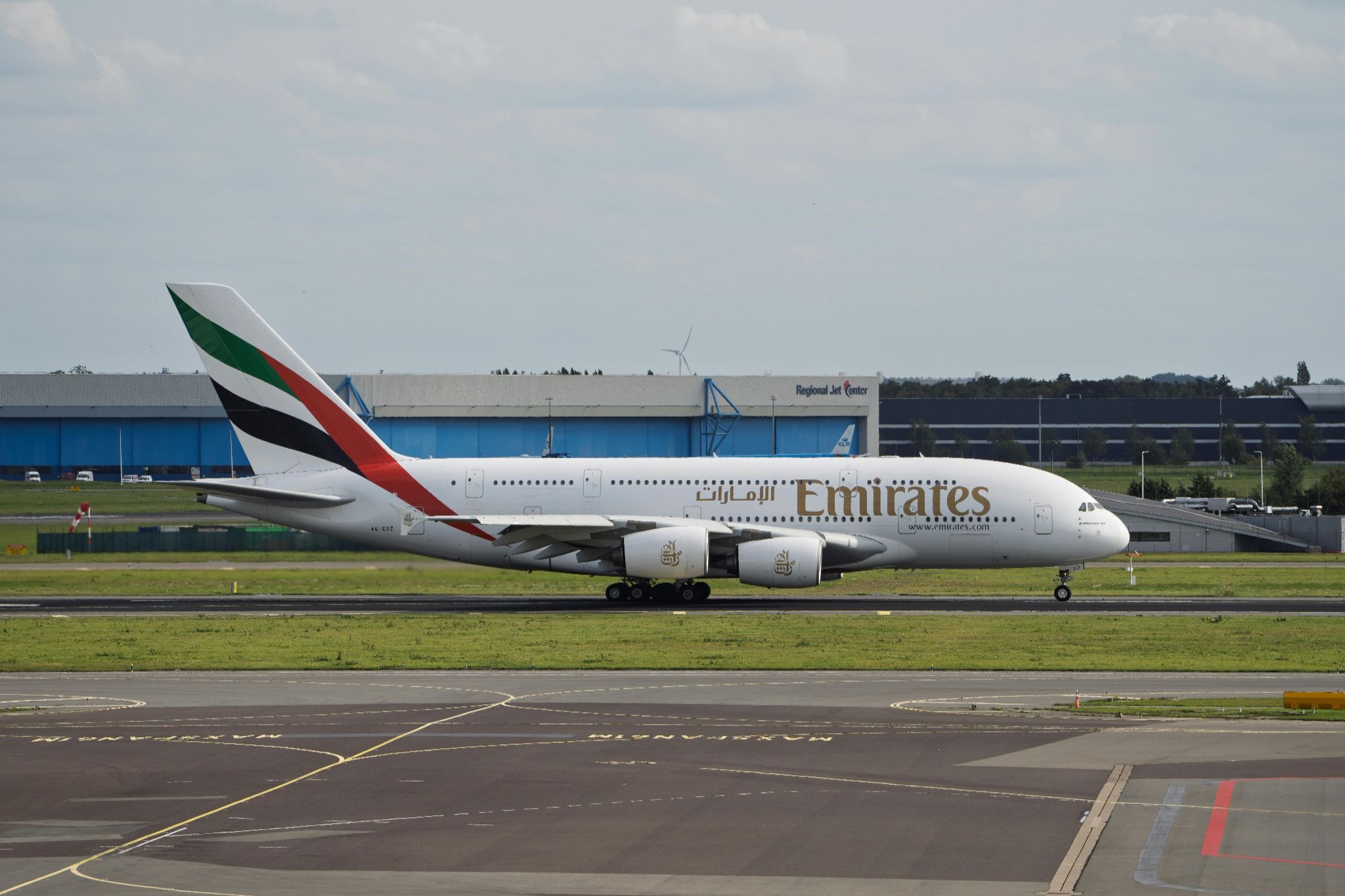
The Bottom Line
One of those things that seems obvious in retrospect that Emirates was smart to make: Reconfiguring its highest-density A380s. The current 569-seat configuration is the result of a market that increasingly demands premium products, even on non-traditional long-haul prestige routes, and was the old layout 615-seat configuration that was built in a different time of aviation demand.
For more discriminating travelers, the standout feature of the premium economy placement is the large, new-room-sized floor area. Emirates' reconfigured A380 with seats in a 2-3-2 layout is definitely a better flight than the standard 4 cabin A380 in that cabin and that's a benefit you should be aware of and look for when booking Emirates' flights on routes that these planes service.
The Emirates A380 fleet will look the same, priced the same, and more reflective of what modern travellers at all price points want within the next few months as the remaining 14 aircraft undergo retrofits. It's a good thing for the airline and for the flyers traveling on the airline.
DISCOVER THE RIGHT CARD FOR YOU.
Explore our card recommendations and find a credit card that suits your personal needs.
Browse card categories
%20(1).jpg)
.svg)