.svg)

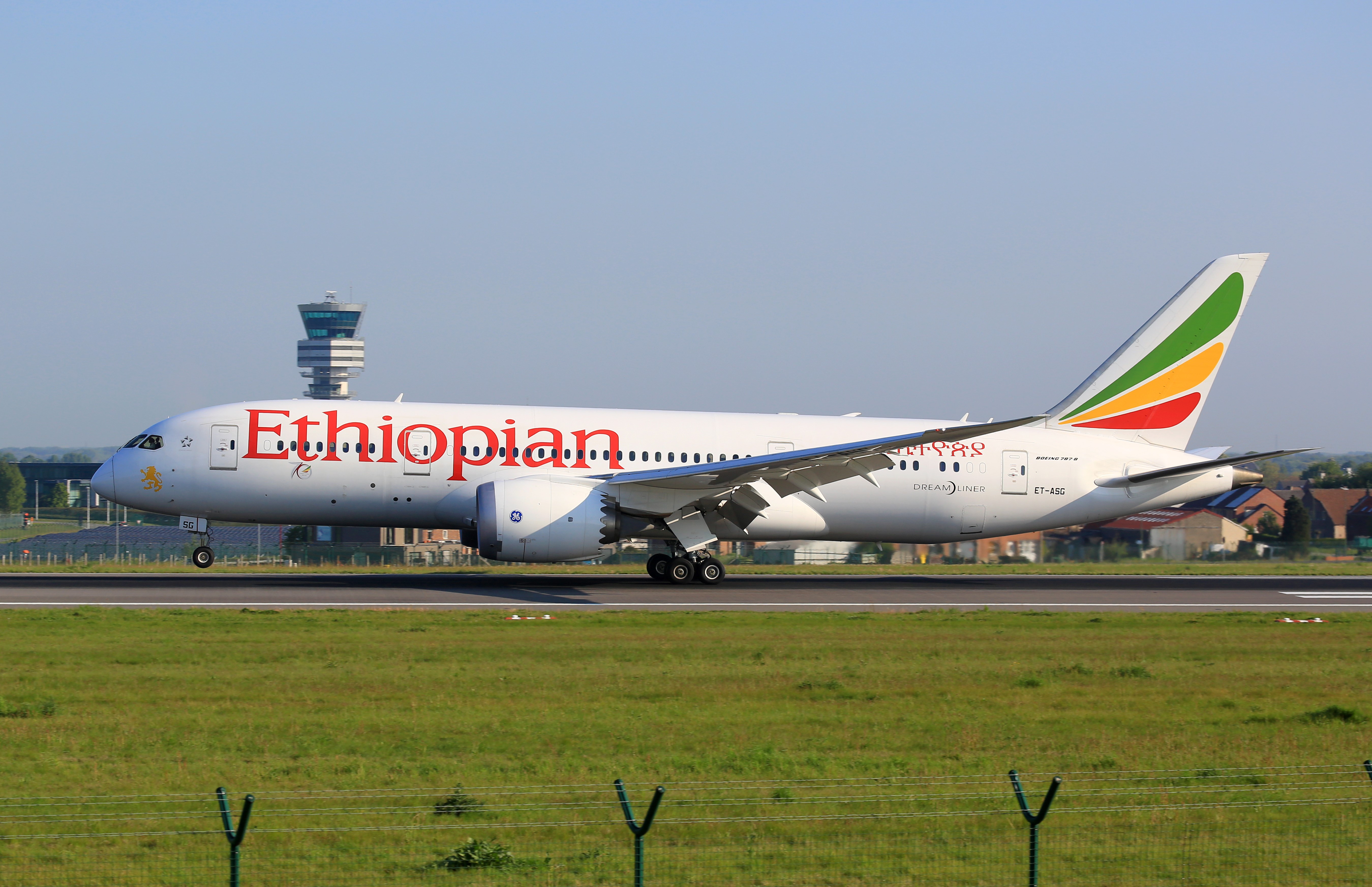
Ethiopian Airlines Former Chief, Tewolde Gebremariam, has become the New Head of Air India
%20(1).svg)
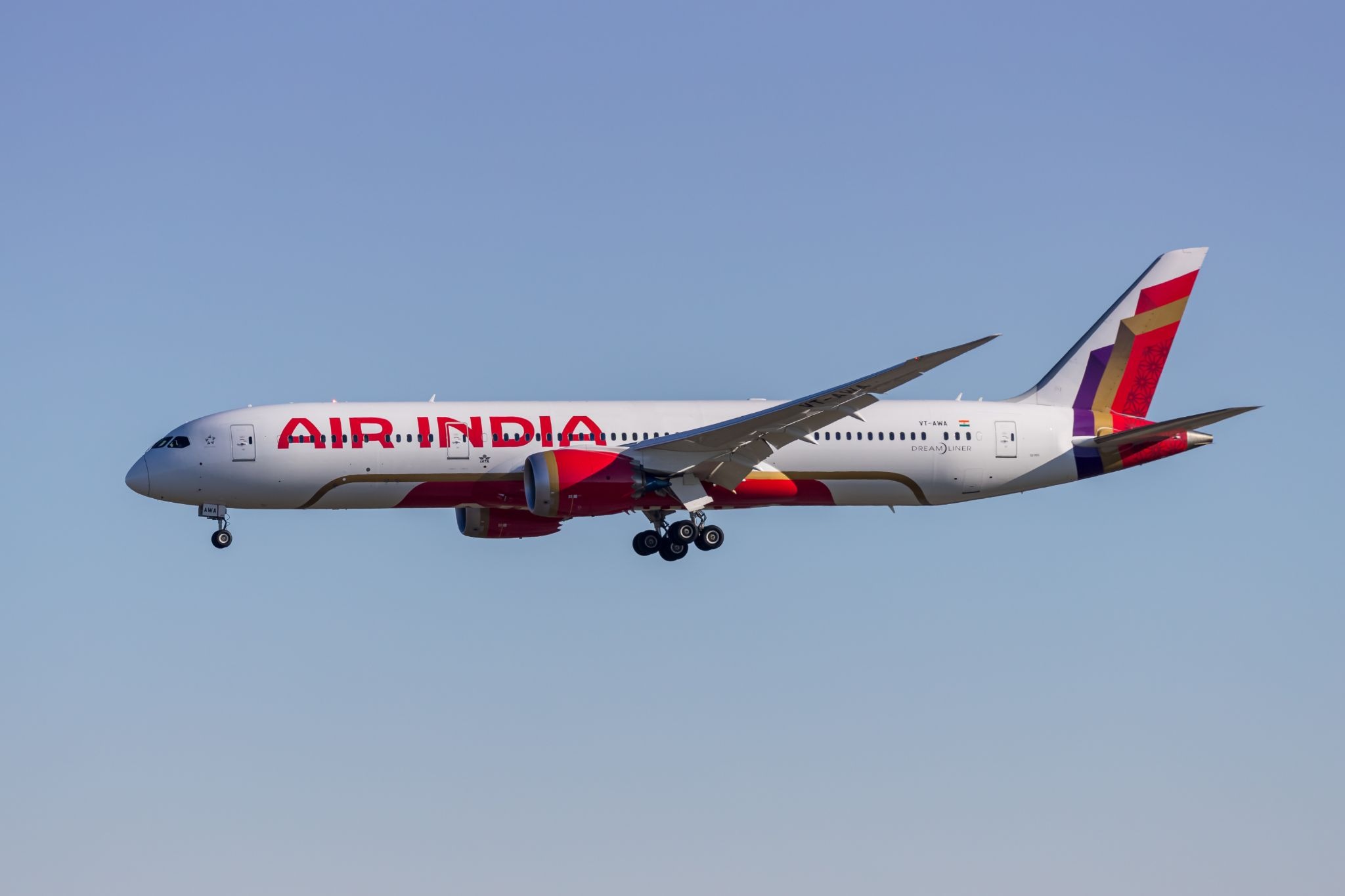
Air India has just appointed its new CEO, and a name that is making waves in the aviation sector. The 61-year-old former Ethiopian Airlines chief, Tewolde Gebremariam, is being appointed to the job following the airline's “massive worldwide recruitment effort” for the appropriate candidate.
What caused the Board to come to the site of Gebremariam?
The selection process comprised internal and external candidates, and a clear criteria was set who has a proven history of successfully leading large-scale turnarounds in airlines, being involved in tight operations, developing a healthy safety culture, and leading toward profitable growth. Gebremariam ticked all of these off and more.
His CV is a testament to his achievements. In his over a decade at Ethiopian Airlines, he has transformed it from a robust regional carrier to the continent's largest airline group, most profitable and most decorated. During his tenure, the fleet increased in size by almost three times, and revenue increased by more than four times. That is a growth story that would capture a board's attention during a time of trying to rectify the problems of a struggling national carrier.
What this Appointment Actually Means
The official announcement read between the lines and it's safe to say this isn't an appointment for the sake of prestige. His career of expanding international long-haul networks and establishing efficient hub operations and strict safety and engineering practices was highlighted by the Air India's board. They also highlighted his skill to maintain profitability during the fluctuations of the economy and his extensive experience in creating a Customer-centric culture and workforce development.
This means more than Air India needs someone to turn the lights on. The airline seems to have moved on from its earlier rebuilding stage, and into a strategy that is decisively geared towards growth and profitability and Gebremariam's background with Ethiopian Airlines mirrors that almost exactly.
Gebremariam, in his own statement after the announcement, said that the moment was a historic one for Air India, a great honour and he was excited at the prospect of building an airline competitive in the world in keeping with Indian economic growth. He also highlighted his desire to collaborate with the chairman, board, staff, and government and industry stakeholders to improve reliability and hospitality and to continue to develop long-term growth.

A Familiar Playbook, Applied to a New Market
It can be said that the two airlines, Air India and the old Ethiopian Airlines were in almost the same situation. They both required someone who can build up the business at a high rate despite a lack of profitability; something that has been challenging for airlines coming from areas where airlines struggle to build a stable, world competitive carrier. If that's the kind of thing that Gebremariam is able to do in Ethiopia, Air India's course of events in the next few years could make a significant turn in the right direction.
There are a couple of things to watch as this process takes place:
- This is now the second time in Air India's history that a foreign-born executive was appointed as the Chief Executive Officer, and it gives rise to some valid concerns on how the company is developing its talent pool and the morale of its employees who are so large and so many that it is difficult to imagine that they could all be in one place at any given time.
- Ethiopian Airlines' Gebremariam maintained that operational discipline and expansion take precedence over consistency in offering the passenger experience and, unsurprisingly, the company maintained a rather broad range of different types of business class seats with very little uniformity.
The latter is of significant importance in Air India's case. The carrier has emphasized on its culture as an integral part of the passenger experience, and Indian hospitality has become one of the most important differentiators for the carrier in the saturated international market. While the new leadership may be more focused on network expansion and efficiency than on consistency of product, that could lead to conflict with the airline's current positioning particularly as Air India's current fleet situation is far from ideal and needs attention not just more consistency.
The Bigger Financial Picture
This has not taken place in isolation. According to reports, Air India has been making a change from an aggressive approach to growth to a more cost-conscious one, as the financial losses have been much higher than anticipated. Several of those challenges were not related to the airline's management, but were driven by other issues, such as tragic AI171 crash, high fuel prices and periodic closures of airspace on international routes.
With that in mind, it should come as no surprise that Gebremariam's early days will likely be dedicated to financial discipline and operational efficiency. Whether the decision is made at the cost of continued investment in improvements for passengers, is a question of interest and one that will be monitored closely over the coming year or two.
What Comes Next for Air India
Gebremariam replaces Campbell Wilson, who has been doing the same that Air India has been doing for years hiring veteran international aviation executives when it's really needed. Comparisons to his Ethiopian Airlines days are inevitable but it's important to keep in mind that Air India has a different competitive environment and certain expectations of high quality and consistency with customers.
A success in Addis Ababa doesn't guarantee a success in a market as complicated and so closely monitored as the aviation market in India. Yet Air India has good reason to trust that it's found a man with the experience to run the airline through its next phase after he rebuilt a struggling carrier into a carrier dominant to other European airlines.
The Bottom Line
Air India has appointed the former Ethiopian Airlines chief executive Tewolde Gebremariam to replace Campbell Wilson. The move is accompanied with a specific directive: to lead the company's profitable large-scale growth on the lines that he followed in Ethiopia, where he boosted the airline's revenues by over four times and almost tripled its aircraft fleet.
There are some similarities in the problems that both airlines are facing, but the competitive landscape and expectations of Air India's passengers will be far different, and how Gebremariam manages air line discipline and cultural brand promises will be interesting to follow over the coming months.
DISCOVER THE RIGHT CARD FOR YOU.
Explore our card recommendations and find a credit card that suits your personal needs.
Browse card categories

%20(1).jpg)
.svg)