.svg)

Is Spirit Airlines Going to be Right this Time?
%20(1).svg)
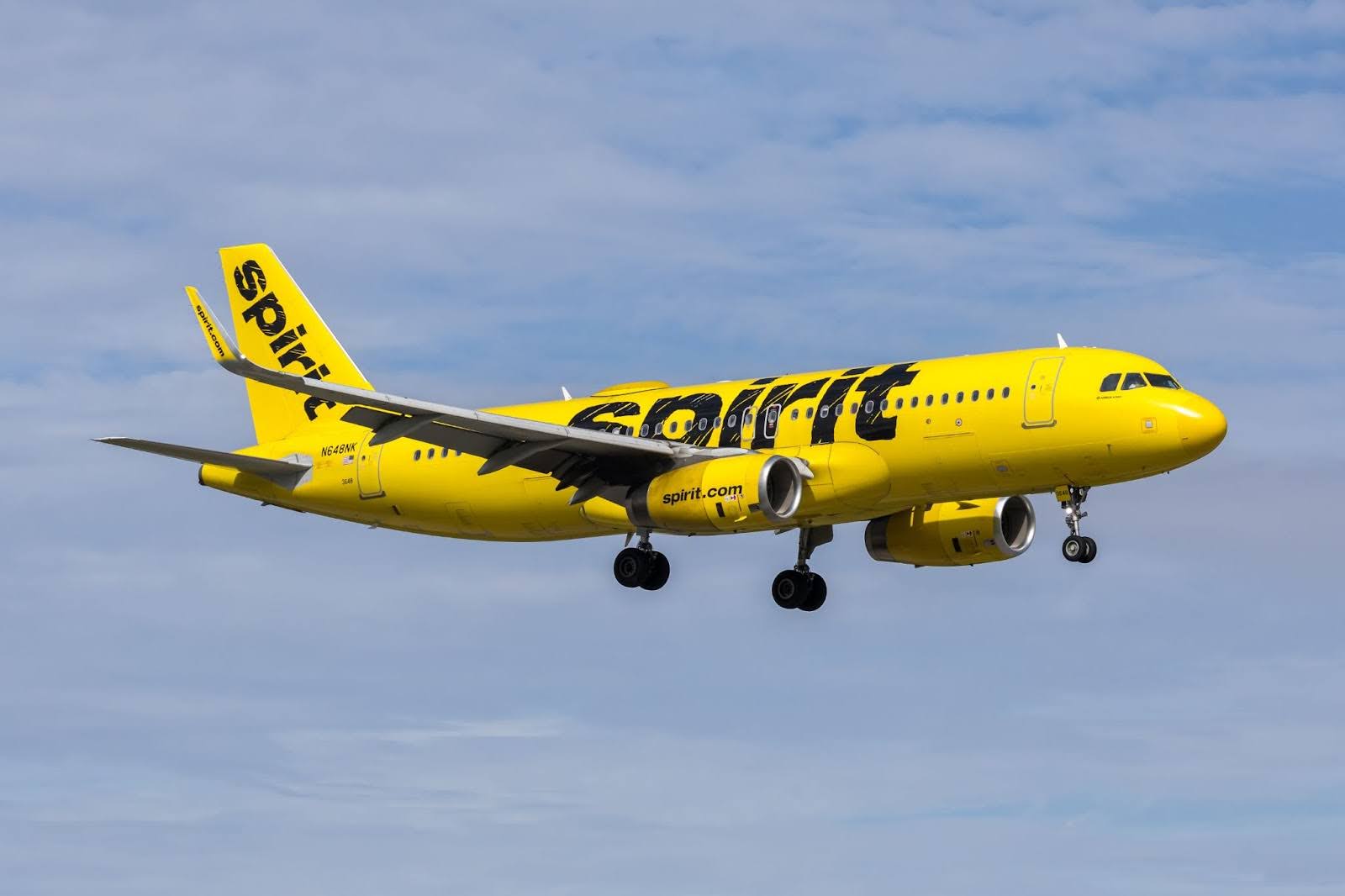
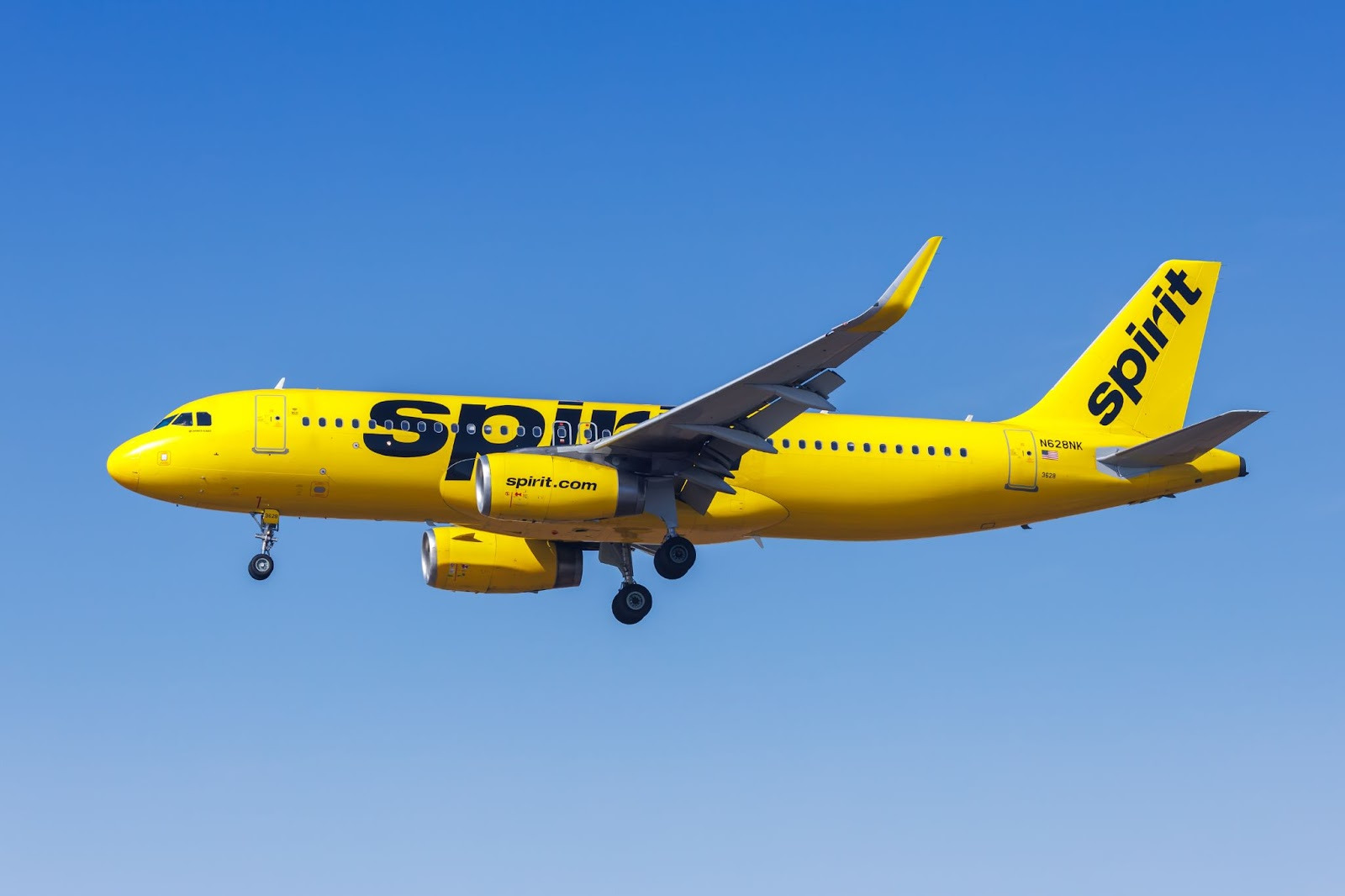
It was almost poetic to see an airline that has made its very existence by creating a chaos-free low-fare airline is involved in one of the biggest financial scandals of the recent aviation history. Spirit Airlines, the airline with the strikingly yellow aircraft and the charges on just about everything, is currently going through bankruptcy in its second ground within less than two years. And it is as crazy as it sounds.
But there is a twist to it: Spirit is not giving up. The plan of the airline after bankruptcy is a long and well-outlined course of action, and it is swinging towards a rather dramatic re-invention. And whether that reinvention is justifiable - that is where the complications come in.
How Did We Get Here (Again)?
We should take a step backwards, since context is important. Spirit came out of its initial Chapter 11 filing in 2025, only four months later a very fast turnaround, which in terms of retrospect, should have sounded some alarms. Rapid bankruptcy turnarounds can also indicate that the more underlying structural issues were not actually resolved, merely covered up. Indeed, a second bankruptcy filing was not far behind with really frightening rumors: Would the airline go out of business completely? Would it lose the capability of credit card processing? Things looked shaky.
The lights were kept up by a 100 million dollar rescue. However, the crisis already pushed Spirit to lay off employees and exit dozens of cities in which it used to operate. The airline that used to boast of flying everywhere at almost nothing was dwindling at a rapid rate.
The New Game Plan And What It Really Means
The post-bankruptcy roadmap of Spirit is based on four main pillars, and it is better to unravel them individually.
- Shrinking the fleet. Spirit is currently flying around 100 planes, but it has been planned to reduce it to between 76 and 80 planes by the third quarter of 2026. The reduced number of planes will result in reduced lease payments, fewer maintenance requirements, and a streamlined operation in general. Paper wise, that would be prudent financial cleanliness. Practically, that will also imply [that Spirit] will be less flexible to pursue new routes or capitalize on the spikes in travel demand.
- Being strategic with routes. Spirit does not want to fly all over and hope that it makes money, but instead, it plans to focus on the markets that it can make money. The carrier is focusing on four strategic hubs, namely Detroit (DTW), Fort Lauderdale (FLL), the New York City metro area (EWR/LGA), and Orlando (MCO). It is also intending to withdraw low-demand travel days think ghost flights mid-week hardly filling half the cabin.
- Going (slightly) upscale. This one's the eyebrow-raiser. Spirit is diversifying its premium cabin services, in this case, by introducing a third row to its Big Front Seat product. To the novices, the Big Front Seat is a more premium feel of Spirit, with wider seats, more space, and nothing more, yet it has been successful with its customers who wish to get some form of premium feeling, without the high charges of the legacy carriers.
- Slashing debt. Probably the most notable figure in the entire plan: Spirit is seeking reduction of its debt that currently stands at about $7.4 billion (pre-bankruptcy) to approximately 2 billion upon its emergence. It would be a true financial re-start and should they be able to perform it, it would provide the airline with a far more manageable base to work on.
The Big Gamble Nobody is Talking about
This is the place I would squeeze the brakes. The entire culture DNA of Spirit was designed around it being the cheapest fare, end of. No bells, no excuses, no now you have a seat between the Point A and B at a price that left the travelers to do a second take. That model had a very particular type of flyer, and a very loyal one at that. Budget-conscious families. Penny pinchers, solo travelers. College students coming home. Individuals that would be comfortable paying $35 to fly and $12 to carry-on as opposed to paying $200 to a full-service ticket.
Spirit is now rotating around the idea of premium seating and it is attempting to establish itself next to the legacy carriers it previously undercut on all its routes. That is not merely a strategic change it is an identity crisis.
The risk isn't hard to see. There are legacy travelers who already have airlines. They possess their frequent flyer points, their status levels, and their seats. Why then would a Delta loyalist suddenly decide to fly with Spirit in the Big Front Seat? And conversely, will the central budget audience of Spirit move in the direction of the airline upmarket, or simply jump to Frontier, Allegiant or the next ultra-low-cost carrier that shows up?
The math problem lurking behind the fleet reduction. Fast planes on fewer flights on fewer days will have fewer seats to sell, and is even more revenue pressure when Spirit is attempting to regain passenger confidence, and at the same time reinvigorate its brand.
So… Will It Work?
Honestly? The jury's still very much out. Under a proper debt restructuring, Spirit has got a real opportunity to be stable financially as it has not been in years. Faster fleet, a tight route network would definitely enhance margins. They are actual tangible improvements.
The identity shift in terms of strategy is a far less viable sell. Those airlines that leave behind the success ingredients they employed are hardly welcomed on the other side. graveyard of carriers which attempted to "go high-end-market" and found itself having no customers that it was serving.
The best-case scenario of Spirit would be that it will succeed in striking a middle ground between a carrier that is cheap enough to appeal to price-sensitive flyers and also refined enough so as to compete on several of the premium routes on which the economics of it would work. That is a skinny road to pass over, but it is not impossible.
What is obvious is that Spirit can not stand another fall. Passenger confidence was already challenged by two bankruptcies in two years. A third would certainly be a death-knell. The airline is aware of that, and this strategy, though not flawless, is an indication of a true endeavor to break the cycles. Is it implemented on the same level as the ambition? It is the question that is going to answer all of us in 2026.
DISCOVER THE RIGHT CARD FOR YOU.
Explore our card recommendations and find a credit card that suits your personal needs.
Browse card categories
%20(1).jpg)
.svg)