.svg)

Overbooking Case in an airline provokes a lawsuit in the discrimination issue
.jpg)
%20(1).svg)
Interruptions caused by air travels are mostly frustrating, but in some cases they are legalized through courts of law. The case of a passenger and Frontier Airlines presented recently marks the intersection of highly combustible airline overbooking issues, discrimination claims, and the dangers of artificial intelligence law practice.
The case attracted more attention not only due to the alleged discrimination but also due to references to fabricated documents that were introduced in the legal filings and had to be created using AI tools. The case poses a wider concern on the rights of the airline passengers and the judicious application of technology in legal cases.
The Incident that caused the Controversy
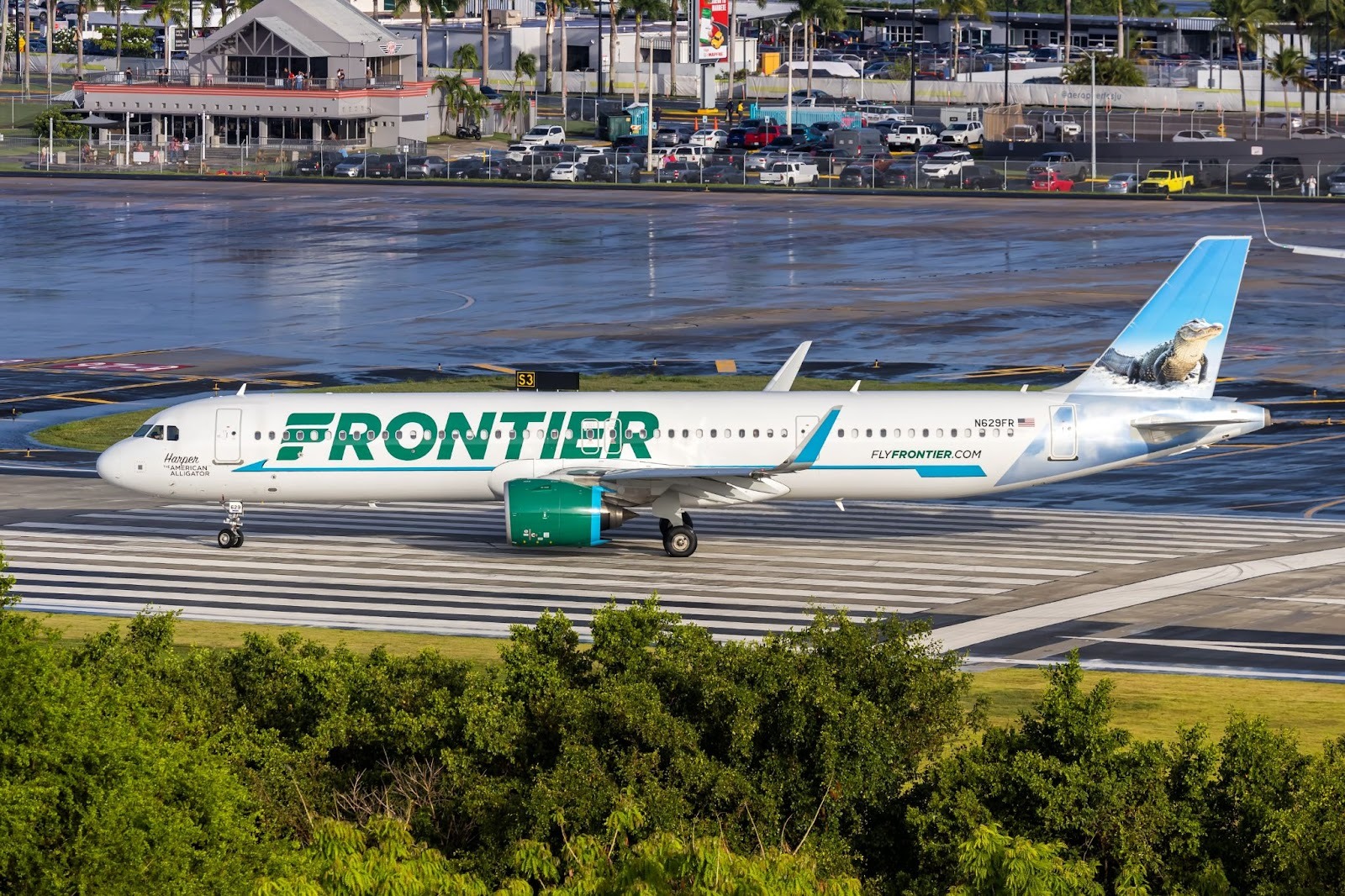
It started with a booked trip between Philadelphia and St. Louis with a stop-over in Orlando. As the passenger reached the departure gate she found out that she was not assigned a confirmed seat.
It is a common practice in the airlines industry to oversell flights in order to ensure that you can cover the no-show rates, and this flight in particular had more ticketed passengers than there were seats. The gate agents declared that the plane was over sold and sought volunteers who are ready to take a subsequent flight in exchange to compensation.
Although the airline was offering travel vouchers that were reportedly worth hundreds of dollars the airline was unable to volunteer enough people. Because of this, there were a few travelers who did not have assigned seats and were at risk of being denied boarding.
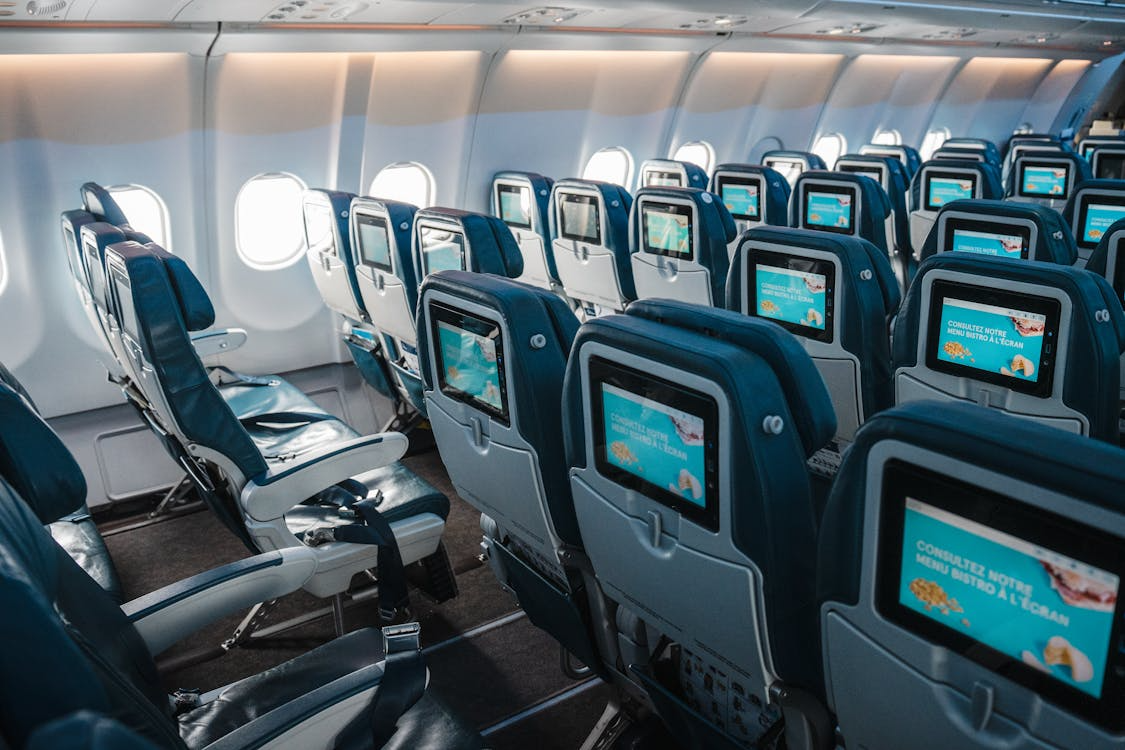
Some of the passengers fell in this category like individuals and families of various backgrounds. In the end, there were those travelers who were issued with seats and there were those people who were requested to wait as they awaited other arrangements.
Claims of Inequalities of Treatment
An attorney who was representing herself as a single passenger complained later on that she was not fairly treated during the boarding. She claimed that the airline employees discriminated against her due to her ethnicity and insisted on her sitting down as contractors accommodated the rest of the travelers.
In her story, she had been informed that she would wait as agents sorted out the situation of being oversold. She thought that the choices on the allocation of seats were based on racial discrimination as opposed to the operations.
She also alleged that the airline staff acted in the wrong manner and that they had one staff member who pretended to be an Indian by speaking to another passenger with an Indian accent. The passenger contended that this had shown a discriminatory motive.
This is a severe allegation that should not be overlooked since the airlines in the United States are required to follow the anti-discrimination laws. These regulations do not allow the airlines to discriminate passengers against race, ethnicity, or nationality.
Criminal Prosecution and Monetary Reimbursement
The passenger brought the case against serious financial damages. Her demands were in terms of travel costs, inconvenience and emotional distress.
She claimed that not having her scheduled trip was a personal hardship that involved forfeiting time with her family members. The damages sought by the suit was in the millions.
Nevertheless, courts tend to demand a definite demonstration of how certain alleged discrimination causes actual damages. It may be hard to prove that a discrimination directly led to a denied boarding test.
In this instance, the court found that there was lack of adequate evidence that could support the claims.
Court Decision and Rejection
United States Court of Appeals of the Tenth Circuit was the court that appealed, where the suit of lawsuit provided a valid legal argument.
The judges ruled that the passenger did not demonstrate that discrimination was the defining factor when it came to boarding.
A number of points had an impact on the decision of the court:
- The passenger did not have an assignment to a seat.
- The flight was oversold.
- They both loaded and refused other passengers with different backgrounds.
- The airline employees seemed to be more focused on the maintenance of travel groups.
Since these reasons gave other explanations, the court dealt a blow to the discrimination claim by stating that the claim was not sufficiently supported by law.
The case was cast aside, but the decision left the option of remapping depending on some circumstances.
Artificial Intelligences-generated references generate more issues
Among the strangest things about the case, the legal documents were also noted.
The appellate filing by the passenger was reported to have several case references that were nonexistent. The cited texts were seen to have been produced by the ChatGPT version of OpenAI and were subsequently accepted as wrong.
The passenger said that she used AI generated research as she prepared her legal arguments.
All courts are sensitive to incorrect citations as its rulings rely on trusted precedence. Fraudulent submissions of references may turn a whole case against itself.
Consequently, the court fined and sent the issue to possible professional scrutiny.
It is an area of the case that has attracted a lot of interest among legal experts who are interested in the responsible application of artificial intelligence.
The dangers of AI in Legal practice
The use of artificial intelligence devices may be beneficial in the drafting and research field, though they cannot replace professional control.
The AI systems occasionally give answers that sound confident and contain mistakes or fabricated information. These errors may enter into official documents without a thorough examination.
Lawyers are constantly being pressured by legal professionals that it is their duty to ensure that all information provided to courts is verified.
The case is a warning of what may occur in the situations when AI-generated content is not handled appropriately.
Continued Attempts to Reintegrate the Case
The passenger has also recently asked the court to revisit the case even though the shipowner dismissed it.
She stated that her complaints were misinterpreted and that the so-called mocking actions of airline employees were not assessed rightfully.
Her petition is aimed at reopening the case and giving it an additional look into the discrimination charges.
It is still unclear whether the litigation will be reconsidered by the court.
Understanding Passenger Rights During Overbooking
Oversold flights are a common practice in the airline industry. Understanding your rights can help reduce confusion if you encounter a similar situation.
Key points to remember include:
- Airlines may oversell flights legally.
- Passengers without seat assignments face higher risk of denied boarding.
- Compensation rules vary depending on circumstances.
- Written documentation is important.
Travelers who understand these policies are better prepared to handle unexpected disruptions.
Final Thoughts
This case illustrates several important lessons for travelers and professionals alike.
First, airline overbooking policies can lead to complicated situations that are not always easy to resolve. Even routine operational decisions may be perceived as unfair by affected passengers.
Second, discrimination claims require strong evidence showing a direct connection between the alleged behavior and the outcome.
Finally, the controversy highlights the importance of verifying information when using artificial intelligence tools. While AI can assist with research and writing, it cannot replace careful human review.
As technology becomes more integrated into everyday work, cases like this demonstrate the importance of balancing convenience with responsibility.
DISCOVER THE RIGHT CARD FOR YOU.
Explore our card recommendations and find a credit card that suits your personal needs.
Browse card categories

%20(1).jpg)
.svg)