.svg)

Southwest Airlines revealed a partnership with Singapore Airlines, but it's not as exciting as it sounds
%20(1).svg)
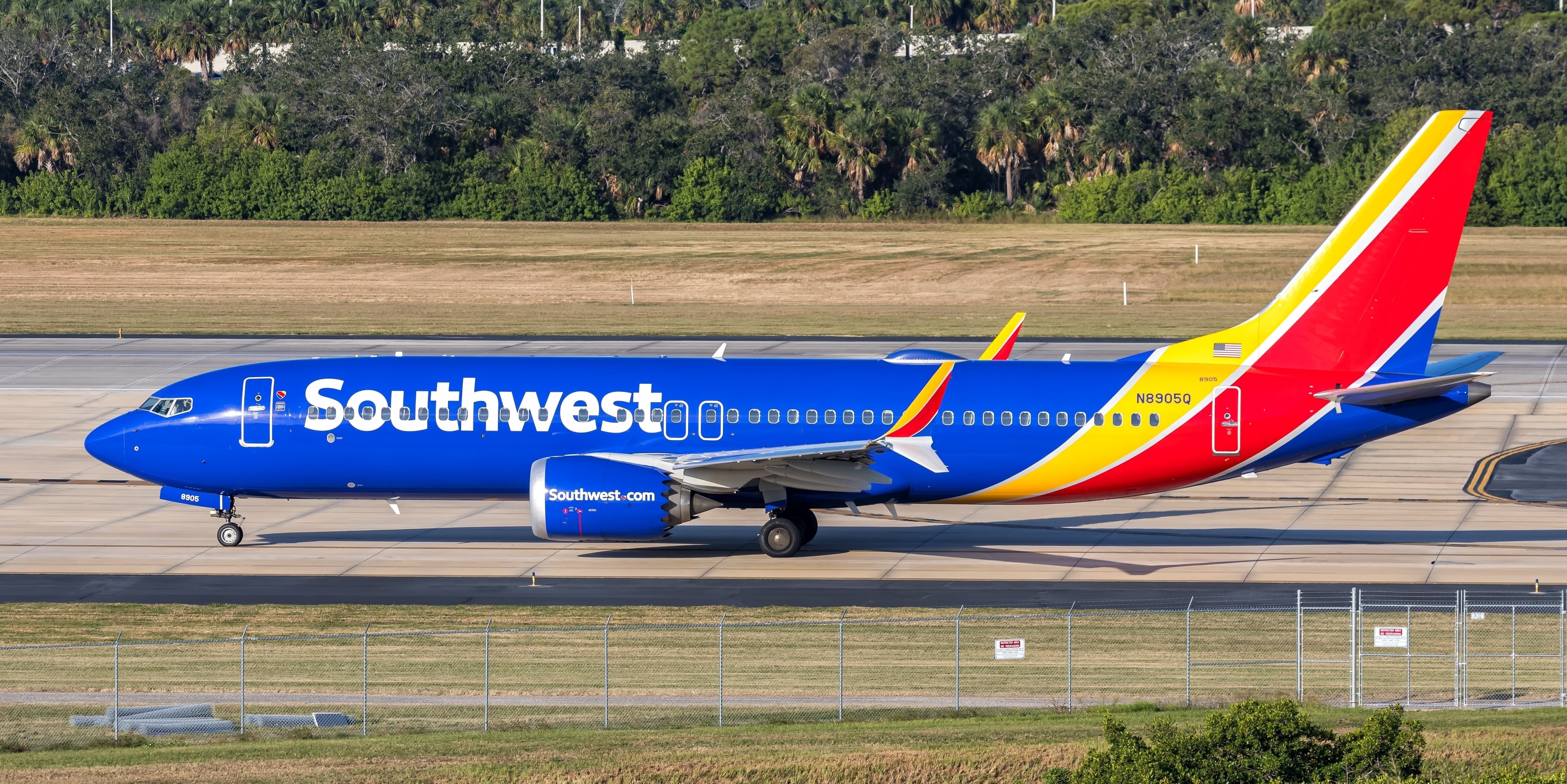
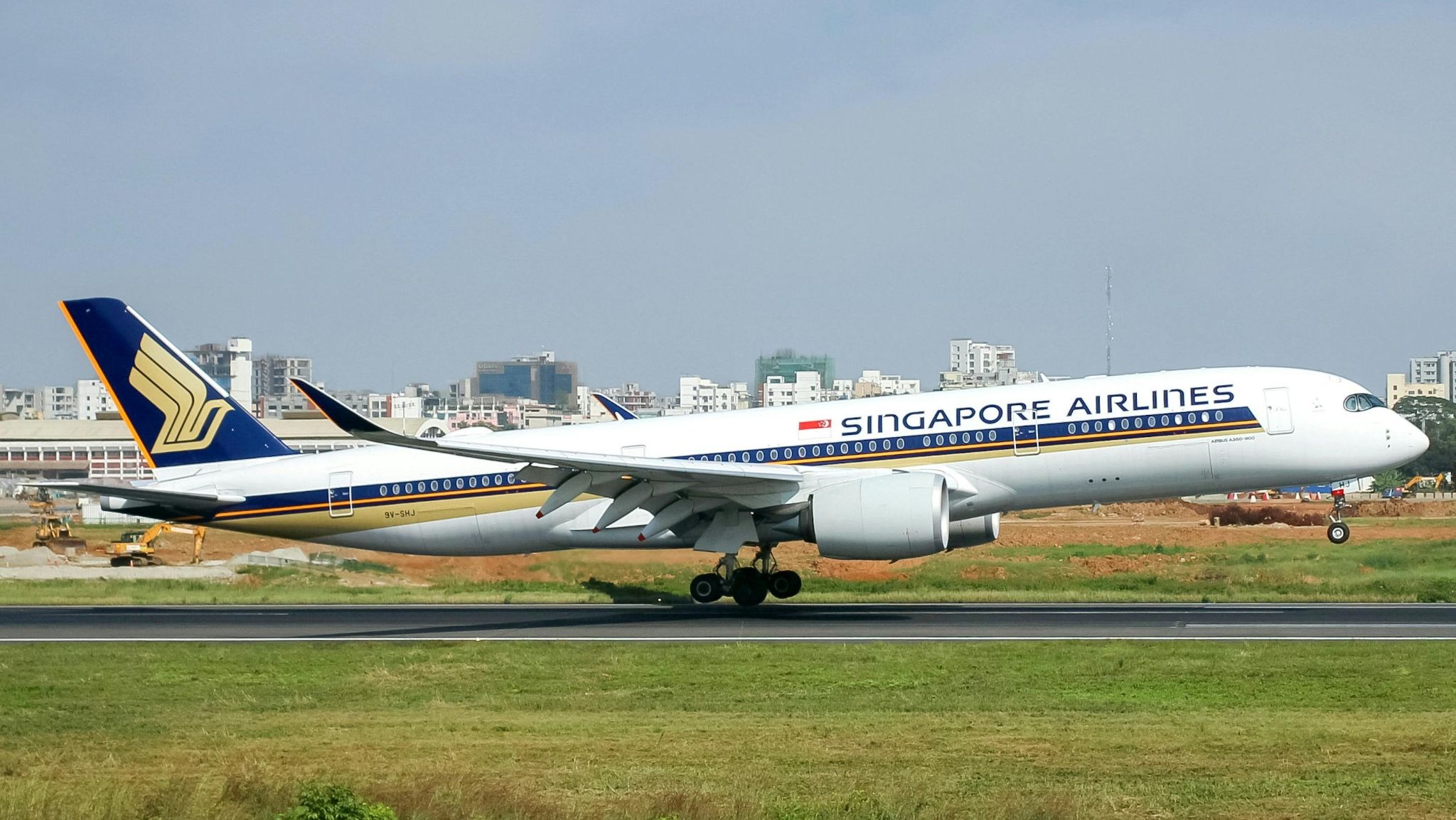
The big news has been buzzing with Southwest Airlines partnering with another highly respected airline in the world, Singapore Airlines, and the word is it's done in a positive way. Singapore Airlines is starting to stir up genuine excitement in travel conversations with phrases such as "groundbreaking" and an offer for Singapore Airlines' passengers to soon be connecting onto Southwest flights.
In truth, this is a much smaller claim than it sounds. But knowing that this partnership won't go as hyped up as they make it sound will also teach you something about the much bigger strategic issue Southwest is attempting to solve.
What is an Interline Agreement?
It's important to recognize the meaning of an interline agreement before you can determine how it will work in practice, as it can get easily confused with more substantive airline partnerships.
Interline agreement is the simplest of all the cooperations between two airlines. It does not allow passengers to book a single ticket for flights on both airlines, or to check luggage at the starting point, take an aisle to the connecting airline and collect it at the end without having to collect and re-check it at the connecting airport, and provide rebooking guarantees in case a delay on one airline results in a missed connection to the other airline.
What an interline agreement is NOT: Codeshare agreement (where one airline sells on the other's plane and schedules with the other airline). It's not a frequent flyer partnership; that would let passengers accrue or cash in loyalty points on both programs. It's not an alliance membership, with each member having access to the other's lounge, shared rate schedules, and extensive operational integration.
In simple terms: an inter-line agreement allows one Southwest passenger to purchase one ticket from Austin to Singapore with one plane and one check-in, flying domestically on Southwest and getting on an international flight on Singapore Airlines. That's genuinely useful. It's also the bare lowest standard of cooperation that exists among airlines.
The Scale Problem Southwest Hasn't Solved
Here's where the context becomes important. Now Southwest has interline deals with a total of eight carriers: EVA Air, China Airlines, Philippine Airlines, Icelandair, Condor, Turkish Airlines, ANA and Singapore Airlines. Some of those markets are geographically spread and a few of those carriers have some prestige to them.
Eight is a small number however compared to the competition's place. United Airlines has interline relationships with at least 150 other airlines. The Delta interlines are more than 120. Singapore Airlines, the very airline with which Southwest just entered into an interline agreement, has interline connections with over a hundred airlines. This deal brings Southwest to a roster that already included the international aviation market for Singapore Airlines. It's one more airline for Southwest, which currently has eight.
This does not negate the agreement, however; it does make the ‘Southwest Goes Global' storyline hard to believe for long.
Why Southwest Needs International Partnerships Desperately
Let's get the background straight: Southwest has a legitimate need for international airline partnerships; the airline is to be commended for trying to pursue them. The issue is not the direction of progress, it's how fast and deep progress is made.
Southwest does not operate to Europe, Asia or South America. That's a structural mismatch for an airline with a strong domestic operations and customer base: If the customers want to travel abroad, there's not much Southwest can do about it. They abandon the Southwest ecosystem altogether, book with a carrier that reaches them, and may become loyal to a different carrier. In the U.S., international airlines carrying passengers to the country have never had an avenue to load them onto Southwest for the domestic leg of their travel.
A first step towards solving this problem is the interline agreements. However, they're just the start. Here's a quick look at what Southwest has, and what they don't have:
- Has: Basic interline agreements with 8 carriers for bag through-check and single ticket itineraries
- Lacks: Codeshare arrangements that would put Southwest's WN flight number on partner metal and vice versa
- Lacks: Frequent flyer earning and redemption on partner airlines Rapid Rewards points will not be accepted for international flights.
- Lacks: Lounge reciprocity, traveler partnership scheduling and the importance of deep commercial integration.
Southwest's situation is not as close to United and Delta's international partnership networks as one might think. It is a decades-long process of relationship development, commercial negotiation and investment in infrastructure that Southwest is just starting to aggressively pursue.
The Credit Card Problem No One is Talking About
This is no story without a financial component beyond routes and bag connections. U.S. airlines make tons of money from their co-branded credit card initiatives and often the airlines' loyalty program and its credit card partnership is more profitable than the actual use of the plane. Chase's collaboration with United, and Delta's partnership with American Express, are a billion dollars a year in revenue from the willingness of the cardholders to spend everyday in an airplane.
In order to be effective, the miles need to be meaningful and meaningful. Useful is a Rapid Rewards point that can have you from Dallas to Denver. It's a much more enticing product to get a Rapid Rewards point that can get you from Dallas to Tokyo or that can help you score towards a flight on a partner that flies that route. Southwest's loyalty program isn't much of a value to travelers who fly both domestically and internationally, as it has no real international value.
What if it were different, what if it might be, what if it could be?
More than eight interline agreements are needed if Southwest is to achieve a true transformation in its international connectivity. What its moves mean in terms of scope and structure: codeshare relationships where Southwest passengers are assigned to other carriers and enjoy a seamless experience through a single booking, reciprocal earning of frequent flyer points among carriers that offer meaningful travel options across the oceans, and commercial integration that takes years to develop but ultimately will decide whether a domestic-based carrier can keep their customers when customers need to cross an ocean.
Southwest has been tackling this issue for at least four years and progress has been slow. The Singapore Airlines announcement is an indication that things are still going on and there is still a large gap between Southwest's current state and where its competitors have been flying for years.
The Bottom Line
It's a new interline agreement that is, in fact, a true partnership, that offers a specific, narrow advantage: Southwest and Singapore Airlines passengers are now able to reserve one ticket for a combination flight, and check their bags through to their final destination, while also having some protection in the event of disruptions. That's useful. But it is no international transformation partnership like the headlines would have the reader believe.
The number of such interline deals is eight for Southwest, versus 150-plus for United and 120-plus or more for Delta, and that's a measure of how much more work the airline needs to do in order to make its loyalty program and credit card product truly competitive with its rivals. This direction is correct and the progress is progressive.
DISCOVER THE RIGHT CARD FOR YOU.
Explore our card recommendations and find a credit card that suits your personal needs.
Browse card categories
%20(1).jpg)
.svg)