.svg)

Sydney is to get a second International Airport in October 2026-Here's all the info you need
%20(1).svg)
It has been 40 years for an airport. The idea for a second Sydney airport came up way back in 1986, before Ronald Reagan was in the White House, the Berlin Wall was still in place and the Airbus A380 had not been conceived. Now the time has come: the Western Sydney International Airport is a few weeks away from opening and the opening may alter the way millions of people travel to one of the world's most visited cities.
In line with the IATA winter schedule change, Western Sydney International Airport (WSI) is expected to open for commercial operations in October 2026. It's been years since the $5.3-billion AUD facility was finished, and on all reports, the terminal is truly impressive: bright, modern and built up from scratch, not decades of add-on extensions tacked onto an aging infrastructure. This is exactly what is needed as Sydney Kingsford Smith Airport is nearing capacity and the population to the west of Sydney was not being adequately served by the existing airport network.
Top 5 Things at this Airport
The one thing that is immediately apparent about Western Sydney International and makes it such an operationally significant facility is its lack of a curfew. For years Sydney's existing airport has had a 11 PM to 6 AM curfew, which has a profound impact on flight schedules for dozens of international carriers, early morning arrivals at awkward times and late-night demand which is completely unserved. Western Sydney Airport is open 24/7.
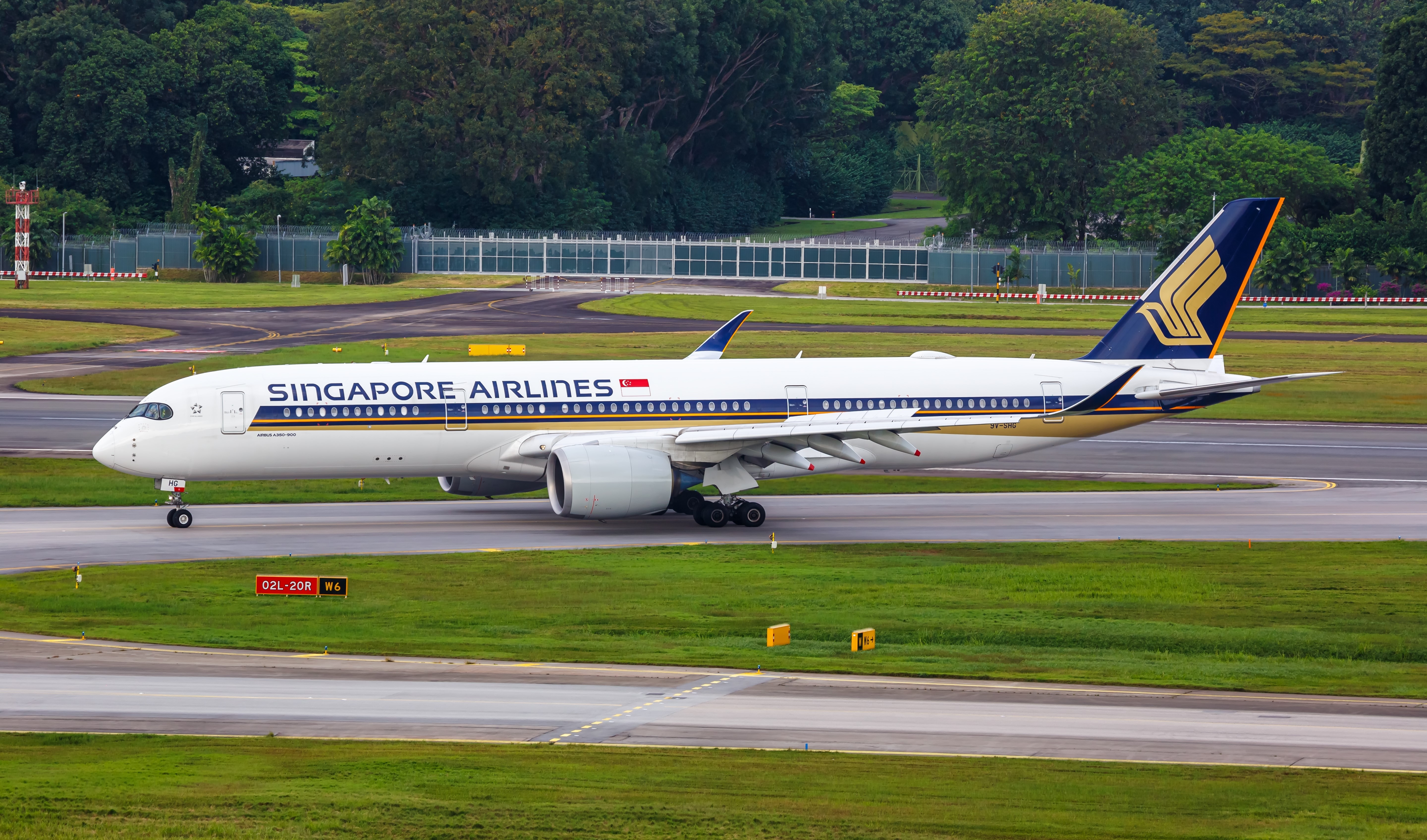
The one difference has implications for which airlines will be interested in operating there and how they will schedule flights. One of the first international airlines to sign on to the new airport has already announced its intention to leave: Singapore Airlines is set to fly from Western Sydney at 11:55 PM a time that would have been unfeasible at Kingsford Smith. The 24/7 is a competitive advantage for the existing airport for Gulf and Asian carriers who normally fly red-eye long-haul flights.
The infrastructure is no exception. The runway is longer than 12,000ft and will be able to accommodate all commercial aircraft in service up to the Airbus A380. The first is a single terminal and single runway with a capacity of 10 million passengers per year, which is a significant beginning to a new terminal. The long term is far more ambitious, with plans for four terminals and two runways that ultimately will accommodate 82 million passengers annually. Western Sydney would be in the top ten in the Southern hemisphere for the size of its airport.
Which Air Lines are offering flights, and when?
On launch is a mix of Australian airlines and two strong international partners, with others likely to be added as the airport builds a reputation.
A quick overview of confirmed service and launch dates:
- With the domestic flights to Brisbane, Gold Coast and Melbourne, Jetstar launches on October 25, 2026.
- Air New Zealand enters the market October 26, 2026 international service to Auckland.
- Singapore Airlines departs for its first international services to Singapore on November 23, 2026.Singapore Airlines will be flying international services to Singapore for the first time on November 23, 2026.
- On March 28, 2027, Qantas will be running domestic flights from London to Brisbane and Melbourne.
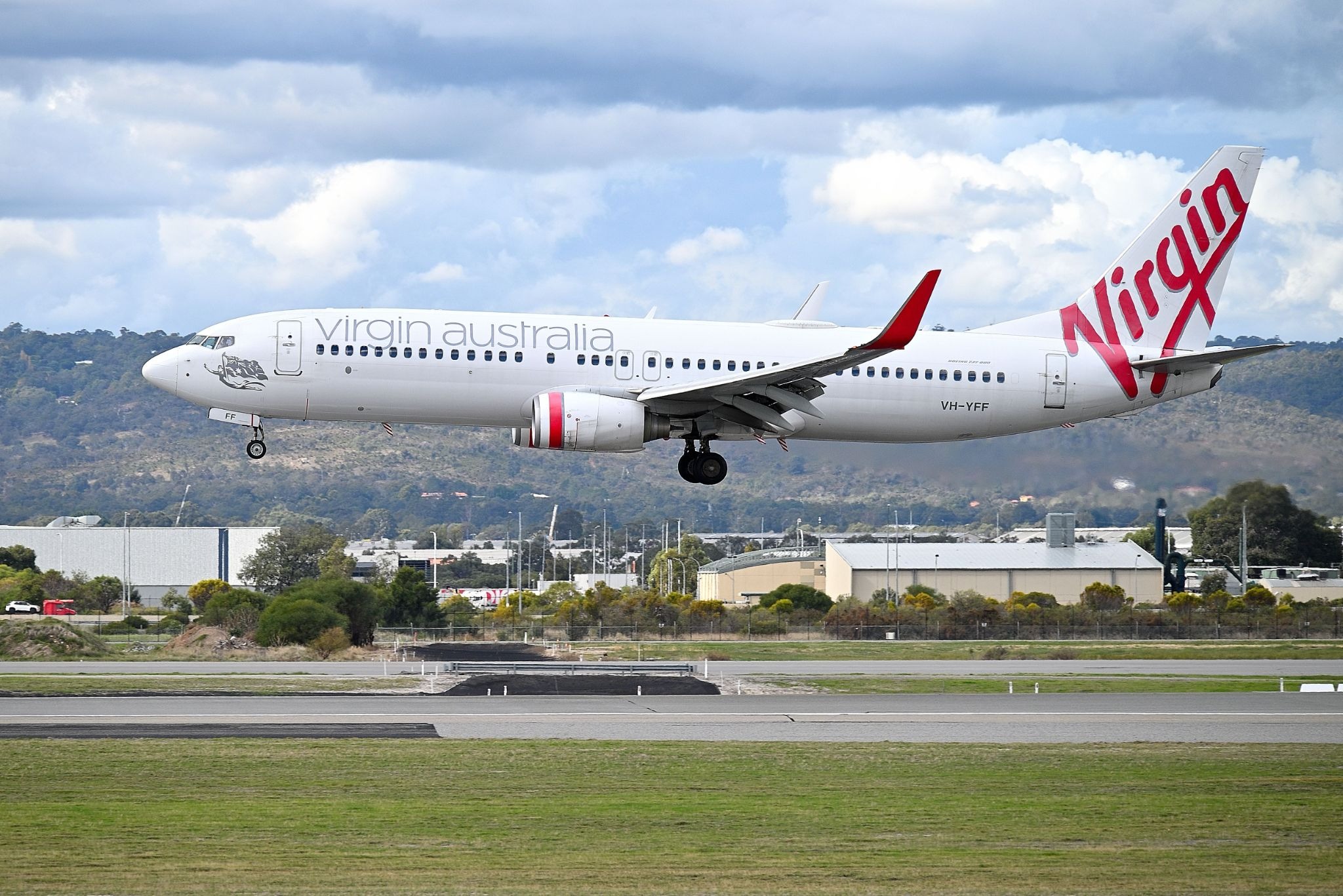
Qantas will operate five planes at the new airport, while its low-cost subsidiary Jetstar will have 10 planes there. Such a fleet investment represents true commitment not pseudo commitment. Virgin Australia has not announced plans yet, but with the market being as competitive as it is, it seems as though some sort of presence is likely in the future.
What is the most important thing you need to do to get there?
If the high praise of what Western Sydney International has to offer is to be believed, then there is need for an honest appraisal of the ground transport scene. The airport is some 27 miles from the Sydney CBD, in the western Sydney suburbs of Luddenham and Badgerys Creek, which is well suited to the needs of the western Sydney populace, but demands planning for a CBD-bound traveller.
A rail line is planned and expected to be announced and built at some stage in 2027 to connect to an outer suburban train station and then transfer onto a train that takes almost an hour to get to the centre of Sydney. It's practical, but it's not the easy city centre connection that airports like Changi in Singapore or London Heathrow provide to its international passengers.
Until a more direct rail solution comes to fruition, there will likely be a demand for international travellers to use rideshare, taxis and private transfer services. For people who don't fly direct to the CBD, though, the airport's location is an unmissable bonus: there are a few million of them in western Sydney.
The No-Curfew Advantage will fuel growth, why?
Let's linger a little longer on the curfew point as it really does influence the competitive nature of the Airport that Western Sydney can be. The curfew by Kingsford Smith has made long-haul, international flights that arrive or depart late at night impossible for Sydney's current airport. Either airlines change their timetables, which is sometimes unwelcome, or they don't fly to Sydney, and instead go to Melbourne or Brisbane.
That is not the case in Western Sydney. All these become options without the scheduling gymnastics that are in use now: A Singapore Airlines flight that leaves just before midnight, a Gulf carrier that arrives at 2 AM, a Japanese carrier that optimizes their schedule around Tokyo departure times. That flexibility will eventually draw in carriers and routes that Kingsford Smith can't handle.
So what does this mean for travellers travelling to Sydney?
The opening of Western Sydney Airport is a new travel opportunity and some things to consider if you're travelling to or through Sydney after 2026.
The improvement in convenience is immediate and significant for domestic travellers in the western Sydney catchment. Travel across a major city to reach a departure gate is eliminated by Qantas and Jetstar flying from a local airport to Melbourne and Brisbane.
The Singapore Airlines and Air New Zealand service provides a new route into the Sydney region for international travellers via Singapore or Auckland. The existing airport is central to Sydney, but flying into Western Sydney could be more convenient, depending on your destination and accommodation.
The Bottom Line
Western Sydney International Airport will open for commercial traffic in late October 2026, offering a 24/7, no-curfew facility, a 12,000-foot runway that can accommodate any commercial aircraft, and an initial capacity of 10 million passengers a year, which is needed after years of a lack of competition. Jetstar and Qantas form the backbone of domestic air travel, with Air New Zealand and Singapore Airlines joining the list of international carriers in the first month, and plans for the long term call for a maximum airline capacity of 82 million passengers a year.
The ground transport issue needs to be addressed, but the operational benefits, particularly the lack of a curfew, make this airport an attractive alternative to Kingsford Smith and an automatic choice for carriers with schedules that are constrained by Sydney's existing overnight limits.
DISCOVER THE RIGHT CARD FOR YOU.
Explore our card recommendations and find a credit card that suits your personal needs.
Browse card categories
%20(1).jpg)
.svg)