.svg)

The EU has just tightened flight delay compensation rules: what travellers need to know

%20(1).svg)
The EU has rendered life easier for you if you ever on a delayed flight in Europe, wondered if you had a right to be compensated but couldn't find out how to claim it. The final decision on the European Commission's most significant air passenger delay compensation rule, EC261, which has been dogged by months of rumours that European law is about to become more “consumer unfriendly”, has taken a radical but welcome turn.
More than this, several new provisions are being added that will make it easier for passengers to get what they deserve, and that's just what they deserve. Ambassadors from the EU member states have agreed on the new framework, which is due to be approved by the conciliation committee by June 15, 2026.
Whether you are a frequent fliers or you're travelling internationally for the first time, it's worth spending a few minutes to understand what is changing and why it is important.
What EC261 already includes and why it is worth learning
The European law that allows passengers affected by severe delays or cancellations to claim cash compensation as a result of the disruption, when the airline has caused it, is called EC261. It's for any flight that takes off from an EU airport, regardless of which airline you're flying on so this also means U.S. airlines flying out of European airports are treated the same as their European counterparts.
Historically, the compensation has been simple and confirmed to be unchanged:
- Flights less than 1,500km (approximately 930 miles): €250 compensation for delays of 2 hours or more.
- Flights over 1,500km (930 miles) and up to 3,500km (2,200 miles): €400 compensation for a delay of 3 hours or more.
- Over 3,500km (2,200+ miles): €300 for 3-4 hours delay and €600 for 4 hours or more delay.
These are real money and on a transatlantic or long-haul flight within Europe, a four-hour delay that is under the airline's control is worth €600 per passenger. For a family of four that's €2400 in compensation they most people don't know exists.
The Changes That Actually Matter
The compensation amounts staying the same is good news. However, it is the additions to the framework that truly make this update significant for the average traveler. There are three fundamental changes being implemented, all moving the responsibility of information and action more away from the passenger and towards the airline:
Airlines will now have to provide eligible passengers with a direct link to the claim form for compensation within 48 hours of the flight's estimated arrival time in the disrupted country. There is no requirement at present that airlines tell you you have a right to be informed, the regulation is there but no airlines have to tell you that. The majority of riders aren't aware to ask, and airlines have not much incentive to provide it. All that changes with the new framework.
Second, an airline that wishes to avoid the duty of paying compensation on the basis of extraordinary circumstances (such as weather, air traffic control strikes and so on, which the airline has no control over) will have to state and keep records of those circumstances. When the airline has to come up with a clear explanation, and explain why it is considered "extraordinary," vague denials will be much more difficult.
Third, the airline must pay compensation or give a written reason for its refusal within 30 days after the passenger has made a claim. No more waiting time, no more lost claims.
The Notification Requirement is the Most Significant Deal
The proactive notification requirement is the one that has the most transformative effect and no wonder airlines are most worried about it of the three changes. The European Regions Airline Association has released analysis that the revised system may increase the annual costs for carriers by approximately 100 per cent from an estimated €8.1 billion to over €15 billion per year due to EC261 compliance.
The reason for that projected increase isn't that compensation amounts are rising. What's that, a big part of the passengers who are entitled to compensation do not claim it, since they don't even know they can? Estimates in the industry are that the vast majority of potential passengers do not know the rule, or how to follow the process. If airlines are obliged to provide a direct link to claim form within 48 hours of disruption, the ignorance goes, too. Claim rates are going to increase dramatically and airlines have no doubt of that.
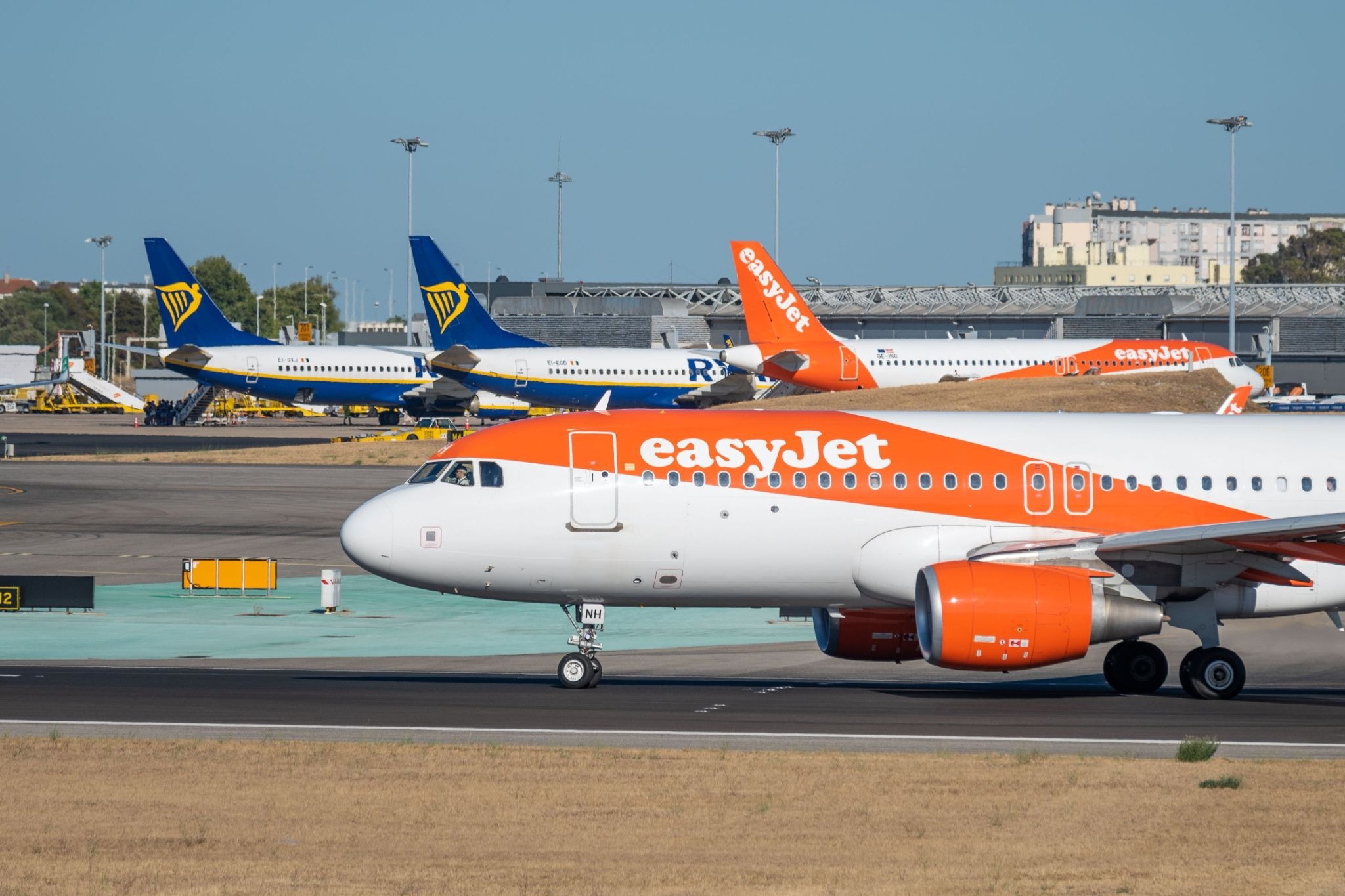
The airline industry's rebuttal is that increasing compliance costs will lead to greater fares for passengers, and that some smaller regional routes could become economically unfeasible if the costs are too high. So far, however, low-cost airlines such as Ryanair and EasyJet have kept on flying profitably in the EC261 world and, in fact, some of the lowest fares in Europe. The incentive for carriers is just to avoid disruption from a passenger experience perspective, it's the right incentive.
How this Will Affect Your Next European Trip
The bottom line is obvious and immediate for those who withhold or regularly fly from an EU airport: If you're traveling via Europe or if you are in regular travel from an EU airport you will have to consider the practical consequences as soon as this framework comes to effect.
No need to research your rights, search for claim forms, or hope that your airline's customer service team is being helpful. The airline will have 48 hours to get the process to you within a qualifying disruption. This is an absolute paradigm shift from a situation whereby the passenger needs to be aggressive in his claims to a situation where the airline starts the process.
This is also of portfolio significance for frequent travelers. The requirement to have a structured and time-bound response, when a flight is delayed on European routes, makes it easier to build into the thinking about disruption risk on European routes.
The updated EC261 framework introduces a significant number of changes
- Compensation payments continue unchanged at: EUR 250, EUR 400 or EUR 300 EUR 600 for long and/or delayed flights.
- Airlines have 48 hours to provide a compensation claim link to the eligible passengers from the time of the scheduled arrival.
- If the airline denies a claim for these reasons, they will need to provide details and evidence of the extraordinary circumstances.
- The airlines have 30 days to pay a valid claim, or else file a documented denial after submission.
- The changes are likely to be officially approved by June 15, 2026.
The Bottom Line
The initial idea to reform Europe's EC261 flight delay compensation law in a way that made it less friendly to consumers has backfired. The existing rights will be much more accessible for the passengers who are already entitled to them thanks to three new provisions whose amounts are remaining unchanged: the mandatory claim notification within 48 hours, the requirement to provide documents in case of claims for extraordinary circumstance and a 30-day payment or refuse period. This is certainly great news for those who will cross the Europe by air.
Airlines will pay more on the whole, but mainly because passengers will be told what they are owed and that's something that's long been overdue.
DISCOVER THE RIGHT CARD FOR YOU.
Explore our card recommendations and find a credit card that suits your personal needs.
Browse card categories
%20(1).jpg)
.svg)