.svg)

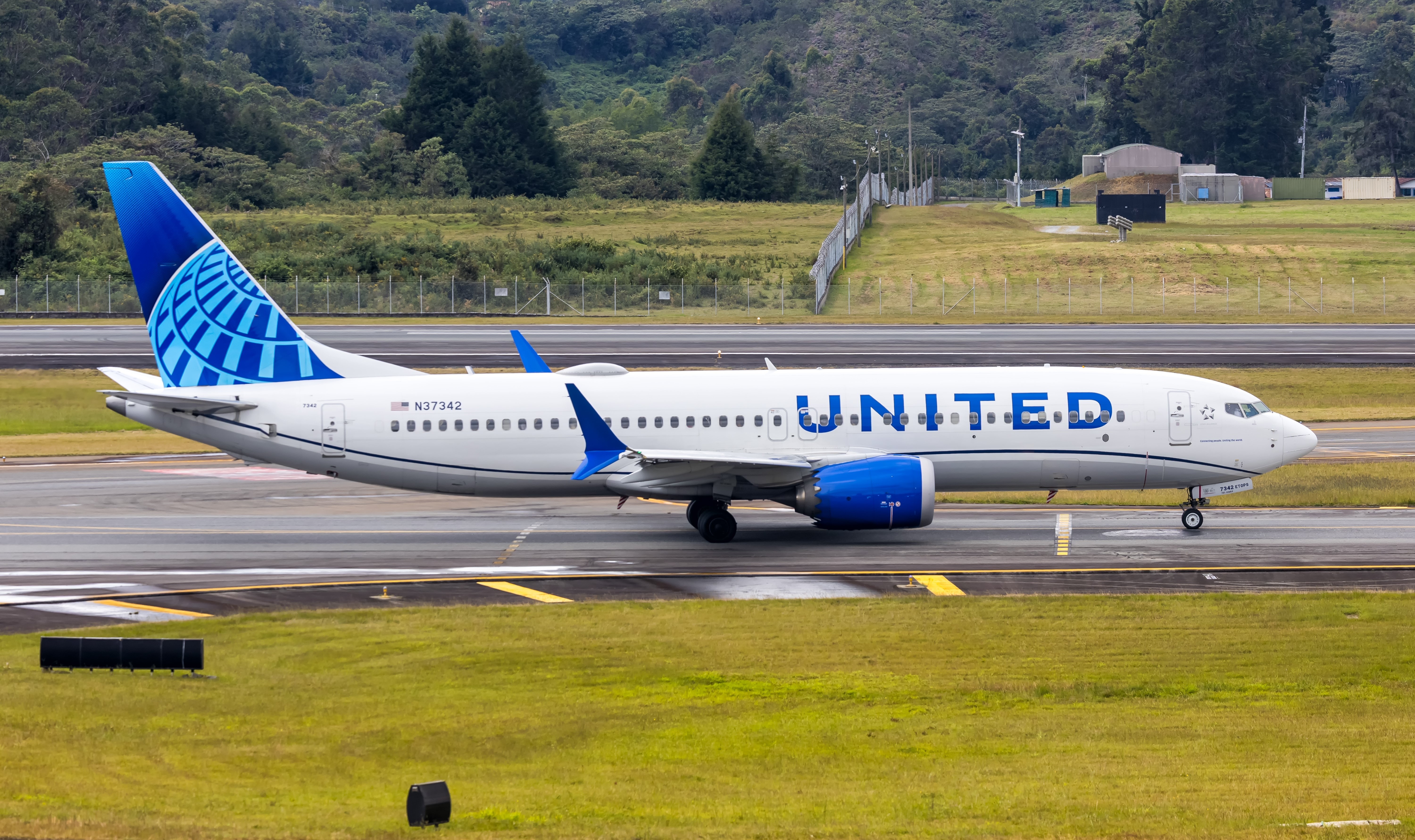
There's a lot more that's changed in the miles-pooling feature, and it's made a much better experience of United MileagePlus
%20(1).svg)
Occasional travelers can attest to the frustration of flying a few times a year, earning miles that gradually increase, but then the redemption window moves, the balance doesn't match up, or the expiration policy silently cancels out what they've earned. United Airlines has been working on that annoyance in a systematic manner with two program features that go exceptionally well together, and with the latest update, the combination becomes even more compelling.
United MileagePlus has just added a significant enhancement to its miles pooling program, already the largest of its kind among the three major U.S. network carriers. Pooled miles will now be redeemed on all United's partner airlines and not just on United flights. That's a big step in the right direction in terms of flexibility and expands the program to a much broader array of redemption options for family and friend groups pooling their balances.
Understanding Miles Pooling What is it and How Does it Work?
Miles pooling, if you haven't heard of it, is simply what it sounds like members of the MileagePlus program pool their individual miles together in one group and use those miles to reserve award travel for any of them. The pool is open for creation, and any MileagePlus member, age 18 or older, can join, and a total of five members (the pool leader plus four other members, any age) can pool their miles for a common cause.
The benefits of the practical aspect are immediate. No one in a family of four, whose members spend a few thousand miles on credit cards, fly a few times each year, and purchase stuff on shopping portals, may ever hit the level of a meaningful award by one person alone. However, if you combine the balances, you can suddenly get a flight across the Atlantic, across the country or on a multi-leg vacation trip without having to be a high roller.
Why the Partner Expansion Changes the Equation
Star Alliance is the world's largest airline alliance, serving destinations worldwide on all inhabited continents. Increasing pooled miles to include partner redemptions is not simply an increased number of ways to route it's a more global pool. All of these become available via MileagePlus miles purchased through united.com or the United mobile app.
It's the difference between a pooling feature, and a feature that is of real value to a family planning to go abroad to a country that United does not operate in with its own metal. Now, a family traveling to Tokyo with ANA, or one travelling in Europe via an airline in the Star Alliance can now see a clear pathway to this possibility in the pool without having to amass a full redemption balance themselves.
The Rules that You Should Understand Before You Pool
It's important to understand the mechanics of pooling and especially how it will impact all parties involved before you pool your miles. Here are some great definitions of the terms:
- The actual number of members in the pool is up to five (1 pool leader, 4 other members, who are aged 18 or over and have an active MileagePlus account).
- Maximum contribution to an active pool: There is no limit to the amount of miles that can be added to an active pool.
- The award bookings must be done via united.com or the united mobile app otherwise they won't be accepted.
- When a member leaves the pool their contribution of miles remains in the pool, and is distributed among the other members of the pool.
- Cooling off period: If a member leaves a pool, no other pool can admit him/her for 90 days, and if a member leaves a pool, the original pool cannot admit a new member for 90 days.
- Elite Status Protection: If the miles are pooled, that does NOT impact on an individual member's status to be an elite member only the elite member traveling on a pooled miles ticket earns Premier Qualifying Points.
The cooling off period is both designed to help stop fraud and has some real-world implications for how to best utilize the feature. While it is best to build a pool towards the end of the year, when you're ready to book, it is very difficult to withdraw miles from a pool once you have added them, so it is better to build one around the time of your booking.
Explain the strategic thinking behind the feature
It's important to understand the impetus behind United's construction and expansion of this feature, as it says a lot about the mindset of airline loyalty programs with regard to membership growth.
Casual travelers are those who fly two or three times per year, earn a small number of miles, and find it very difficult to get enough of them to redeem.Historically, loyalty programs have been under served for casual travelers those who fly two or three times a year, earn a modest number of miles, and struggle to get enough to redeem. They join, the miles come in, but then they simply don't remember they have been enrolled in the program, or they decide it is not worth it to them any longer because the benefits seem out of reach.
The Miles pooling system directly tackles that disengagement. Occasional flyers can join with relatives in similar circumstances, and the sum of all of their balances is redemption-worthy far more quickly than any one individual's balance. It provides an incentive for tourists to sign up for MileagePlus, remain active and, crucially for United, use co-branded credit cards to make faster progress toward their awards. The more program engagement, the more spending on the credit card, which is one of the major revenue streams of the major U.S. airlines.
How United stands up to Delta and American
Explicitly, it is worth noting that neither Delta SkyMiles nor American AAdvantage offers a similar miles pooling service, although United launched theirs two years ago. The difference is striking, not only because it's a real issue that affects many loyalty program members, but because neither Delta nor American has done anything to follow suit, which means they must believe that the risk of fraud is not the same for them or that they are fine with the way things are.
United's idea of a 90-day cooling period for both departing passengers and the departing pool of passengers seems to have found the right balance, as the feature has kept running and growing instead of getting shut down because of abuse problems, like other airlines' programs have had in the past.
The Bottom Line
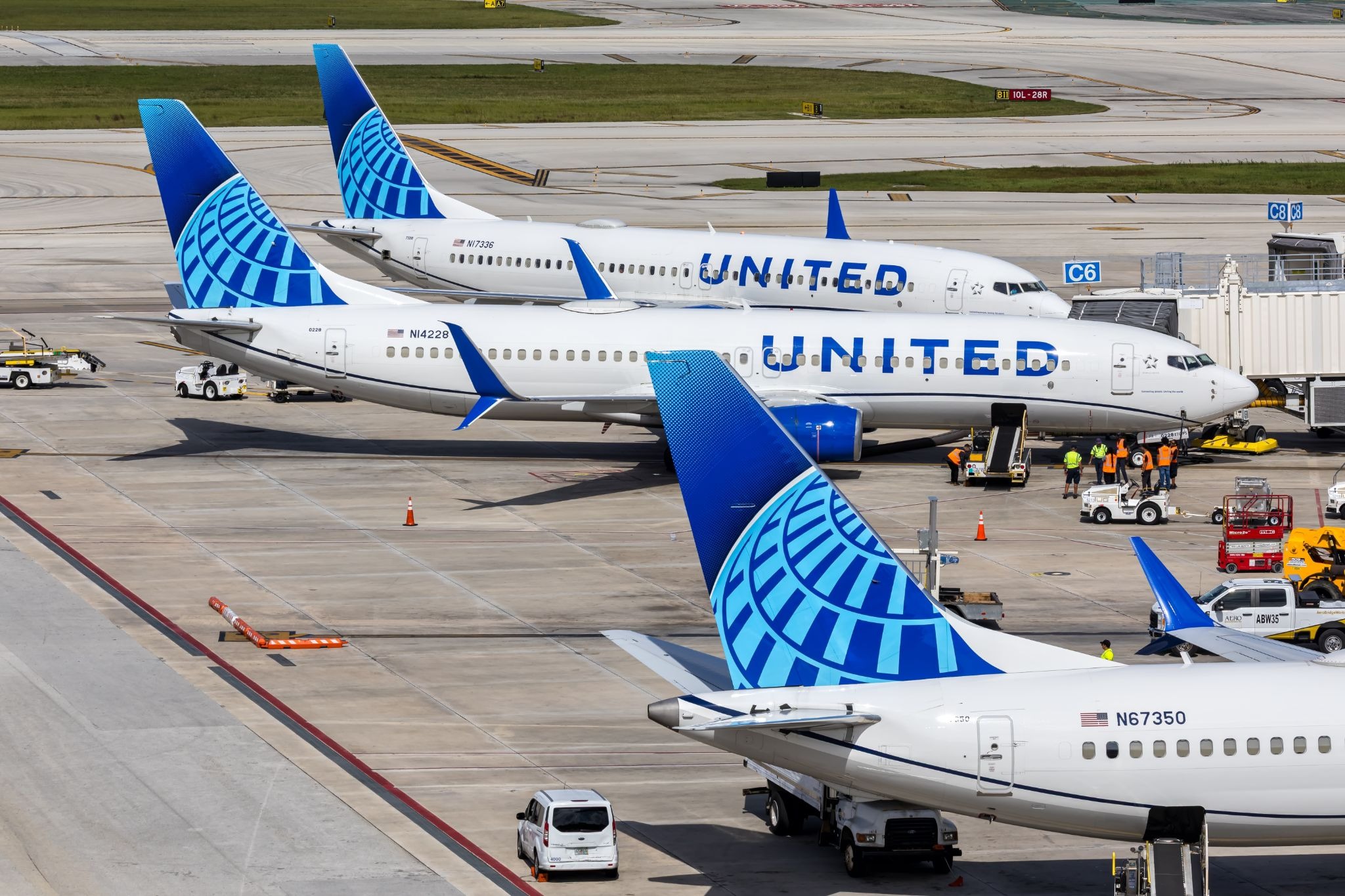
One of United's standout attributes, and all three major U.S. airlines, is its miles pooling program, which is now far more valuable thanks to the addition of all partner airlines, including every airline in the Star Alliance network of more than 40 airlines. Now up to five people can share balances and use them to book award travel anywhere United and its partners fly via united.com or the United app. This is especially appealing to occasional travelers, who had little incentive to take any action to airline loyalty, in conjunction with United's mileage program, where miles are never lost. The feature is something that Delta and American have not matched in two-plus years and the addition of this new feature further reinforces the disparity.
DISCOVER THE RIGHT CARD FOR YOU.
Explore our card recommendations and find a credit card that suits your personal needs.
Browse card categories

.svg)