.svg)

United Airlines CEO Warns of Potential Airfare Hikes Amid Rising Oil Prices
.jpg)
%20(1).svg)
Air travel might be moving towards the new era of becoming even more expensive due to the geopolitical strain in the Middle East driving oil prices upstream. The United Airlines CEO Scott Kirby has warned that in case fuel prices keep rising, airlines may be forced to raise the price of their tickets, which would affect travelers all over the world.
The aviation industry is keenly observing events in the region, because the increasing fuel costs may trickle to airline businesses, with all aspects of the business such as price of tickets, flight time being affected. Any drastic increase has direct and far reaching consequences on profitability as jet fuel is one of the worst costs to an airline after labor.
Oil Prices are being pushed up by Geopolitical Tensions
The last several weeks have witnessed the steep rise in crude oil prices due to the ongoing escalation of the conflict between the United States, Israel and Iran. As traders worry that disruptions to shipments via the Strait of Hormuz could happen, the global energy supply route, the surge in the price of the spot commodity, briefly touching the $90-per-barrel mark, has occurred because of the surging price of the commodity, which is an indispensable energy source.
In the United States, oil futures have been rising by almost 35 percent in a single week, a record increase in one week. Analysts explain this boom by the increased geopolitical risk, and mounting pressures on the markets by the increasing demands of government officials. In the case of airlines, this is directly translated to increased fuel prices and this may eventually impact on the ticket prices to the passengers.
Airlines Feel the Pressure
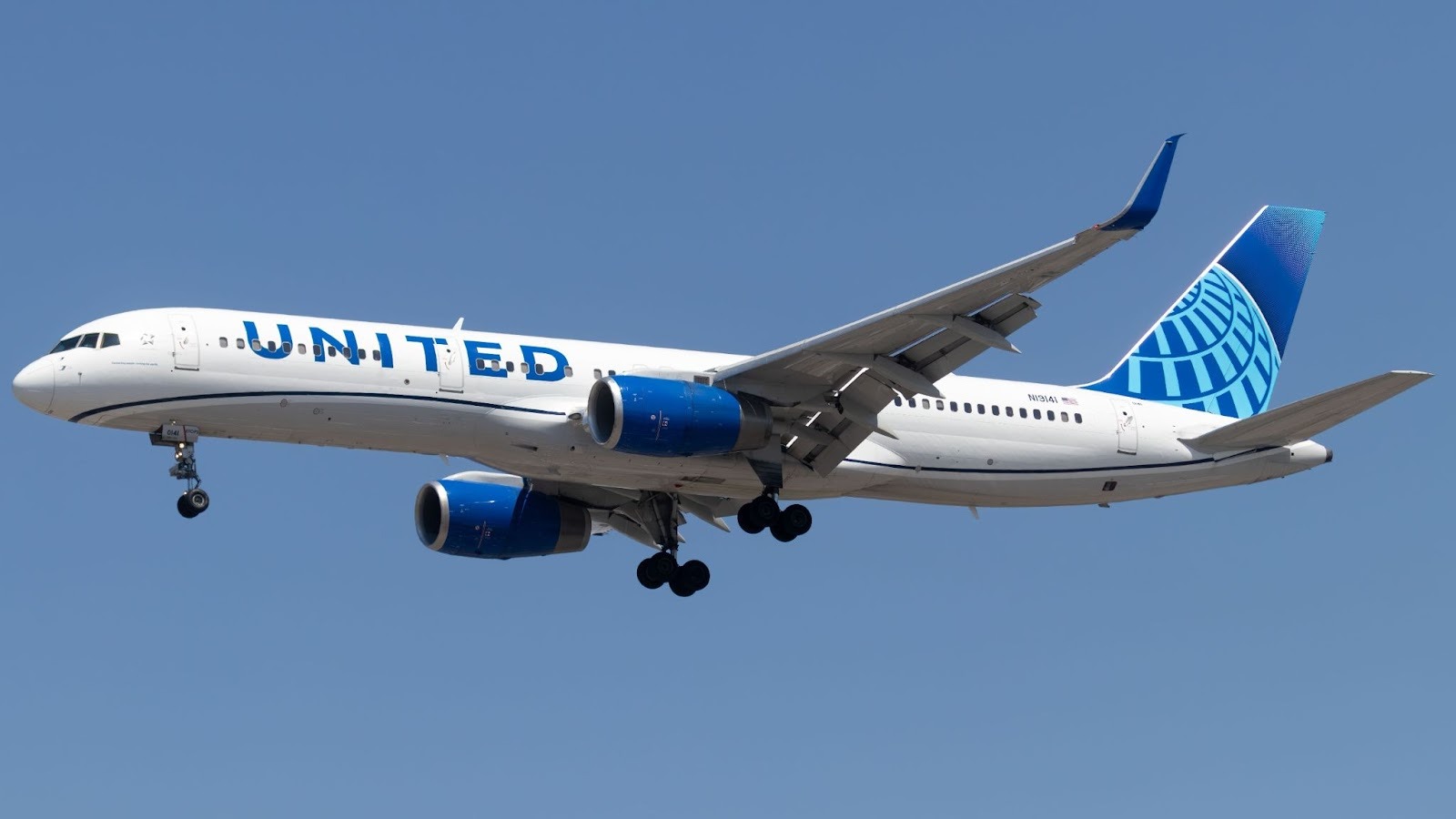
One of the most important issues facing airlines is fuel cost which in most cases comes right after labor. The crude prices spike will present a two-fold threat to the airlines since the cost of running the airlines will become very high, and consumers may have less discretionary budget to travel as their cars and homes fuel costs are going to increase.
Most of the major U.S. airlines are not hedging their fuel costs as was the case in the past decades. This implies that they are entirely subject to changes in oil prices, and unexpected increases in cost of fuel are a grave challenge to finances. Rises in jet fuel prices have already been reported to be huge, and the spot rates are already up to an unprecedented level since 2022.
Scott Kirby’s Stark Warning
In a recent appearance at Harvard John A. Paulson School of Engineering and Applied Sciences, Scott Kirby sent a warning to investors and other industry observers:
In case the fuel prices will remain at such prices, then the ticket prices are more likely to begin rising quite fast. We’ll feel it in Q2 as well.”
His remarks reflect the fact that even though airlines are not able to change fares abrupt, as tickets are frequently sold several months earlier, the increased fuel prices will probably be visible in subsequent prices. The airlines can initially take on the rise, but long term high fuel prices usually translate into progressive fare increases, or a flight capacity adjustment.
The most important thing is the Duration of the Conflict
The length of time the Middle East dispute will take is one of the biggest uncertainties at this moment. Energy markets are responding not just to existing supply disruptions, but also to the threat of intensifying. Should the tensions continue and the passage of tankers on the Strait of Hormuz be shut down or slowed down, the price of crude oil would rise further, and it would become a nightmare on the airline industry.
Other operational problems such as possible airspace closure and diverted flights exacerbate the effects. Although the guarantees that U.S. gives to safeguard oil deliveries, which are occasionally accompanied with the use of the Navy, add a certain level of stability, the market is very anxious. There is a risk of a drastic rise in the costs in the industry, and it might be reflected in an increase in the airfares paid by the travelers.
Implications for Travelers
Prices of airline tickets do not shoot up overnight, although the relationship between fuel prices and airline tickets is indisputable. In the case of a boom in oil prices, airlines are usually compelled to transfer some of this charge to the customers in order to remain profitable even in a competitive international market.
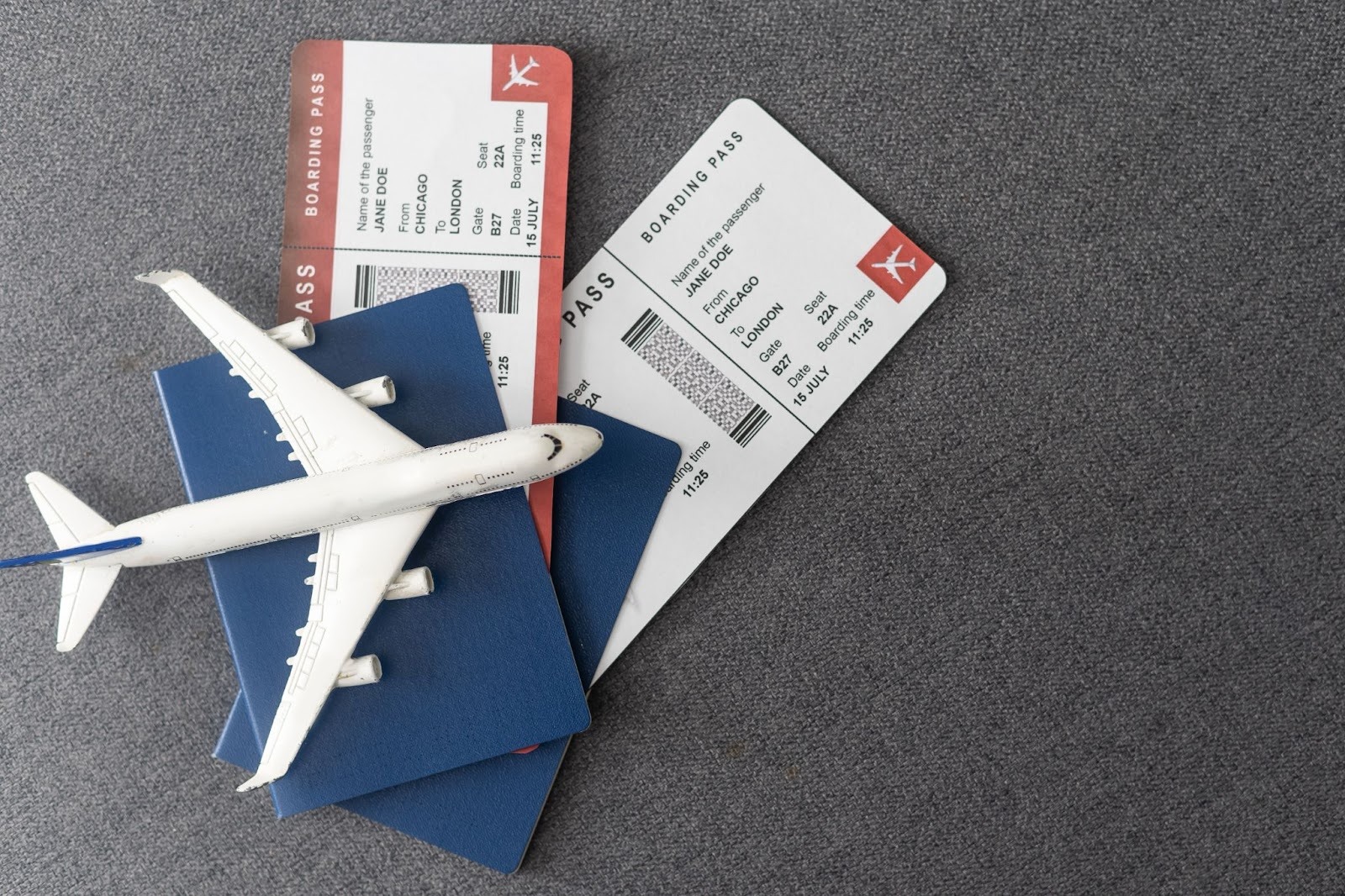
This poses a dilemma to individuals planning to travel within the next few months particularly during the summer holidays. Early reservations could protect passengers against certain price hikes they may expect but there is a risk of the conflict and oil prices. Observers in the industry propose a balance between personal travel priorities and a possible cost increase and keeping a close watch on the fuel price movements.
Planning in Anticipation of the Possible Fare Hike
Some of the measures that can be undertaken by the traveler to beat the airfare increases are:
Early Booking- When flying around during the summer or during the peak flight periods, then it is worth booking tickets early enough instead of late.
Compare Carriers- Airlines can react differently to a hike in fuel prices; the more you check the better the price.
Flexible Itineraries- It is possible to be flexible with the dates or route and this will balance the increased costs due to the spike in fuel prices.
Follow Oil News and Fuel News -The knowledge of the market trends and geopolitics can give an idea of when the fares will increase.
Bottom Line
Although United Airlines and other airlines are not yet increasing their prices, the traveler must expect a possible rise in fare in case oil prices are not stabilized as the current Middle East conflict persists. Fuel costs are a major constituent of the airline costs, and long-term price increases have left airlines with a few options but to raise the price of tickets.
Early planning, flexibility, and keeping up with the happenings around the world is important to passengers as it is one of the strategies they can use to cope with a more expensive air travel environment. The airline sector is likely to become turbulent in the future, and those who take the initiative may be offered better deals and capacity.
DISCOVER THE RIGHT CARD FOR YOU.
Explore our card recommendations and find a credit card that suits your personal needs.
Browse card categories
%20(1).jpg)
.svg)