.svg)

United Airlines Is Planning to Block Two Economy Seats on Its A321XLR And the Real Reason Has Nothing to Do With Passenger Comfort
.jpg)
%20(1).svg)
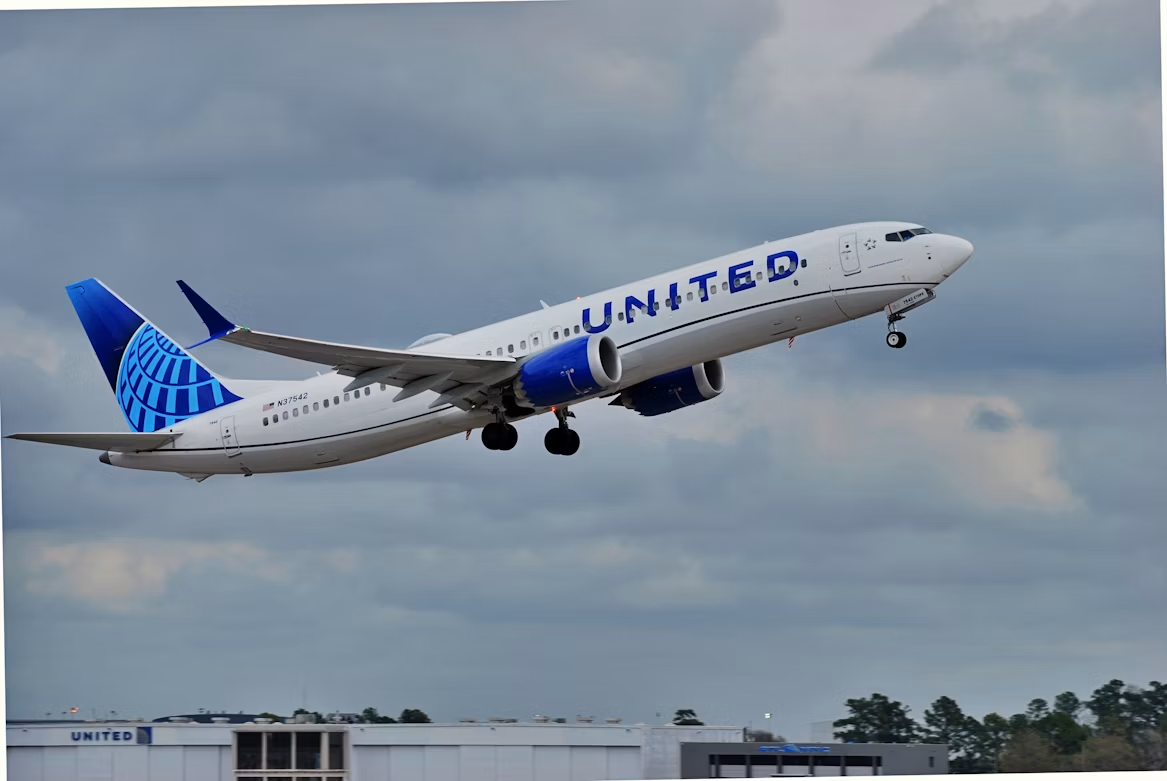
United Airlines has been generating genuine excitement around its incoming Airbus A321XLR fleet, a long-range narrowbody aircraft that will open up transatlantic and other extended international routes that previously required wide-body equipment. The configuration United has settled on puts 20 seats in business class, 12 in premium economy, and 120 in economy, totaling 152 seats.
Now, details are surfacing about an unusual plan to reduce that count to 150 seats by physically blocking two center economy seats, creating what amounts to an intra-European business class style hard product, a row where the middle seats are rendered unusable with a physical divider. United has neither confirmed nor denied the specifics outright, but its carefully worded non-denial has effectively acknowledged that something along these lines is in development.
The airline framed it as part of its commitment to continuously improving the customer experience from nose to tail. Let's look at what's actually driving this decision because it isn't primarily about passenger comfort.
The FAA Rule That Explains Everything
The logic behind blocking two seats becomes clear the moment you understand one specific FAA regulation. Under current rules, airlines must maintain a minimum of one flight attendant for every 50 passenger seats. The math is straightforward: a 152-seat aircraft requires four flight attendants at minimum, but if the aircraft has business class suites with doors which United's A321XLR does an additional crew member is required, pushing the minimum to five.
Dropping the seat count to 150 changes the calculation entirely. At 150 seats, the minimum crew requirement falls back to three flight attendants, and with the suite door caveat, the required minimum becomes four rather than five.
That's it. That's the decision. By rendering two revenue seats unusable, United can potentially operate its A321XLR with four flight attendants instead of five saving the cost of one crew member on every flight. The blocked seats aren't primarily a product innovation. They're a regulatory arbitrage maneuver dressed in customer experience language.
Why the Service Implications Actually Matter
This is where the conversation shifts from regulatory mechanics to what passengers will actually experience in the air, and the picture isn't encouraging if the four-flight-attendant staffing level becomes the operational norm.
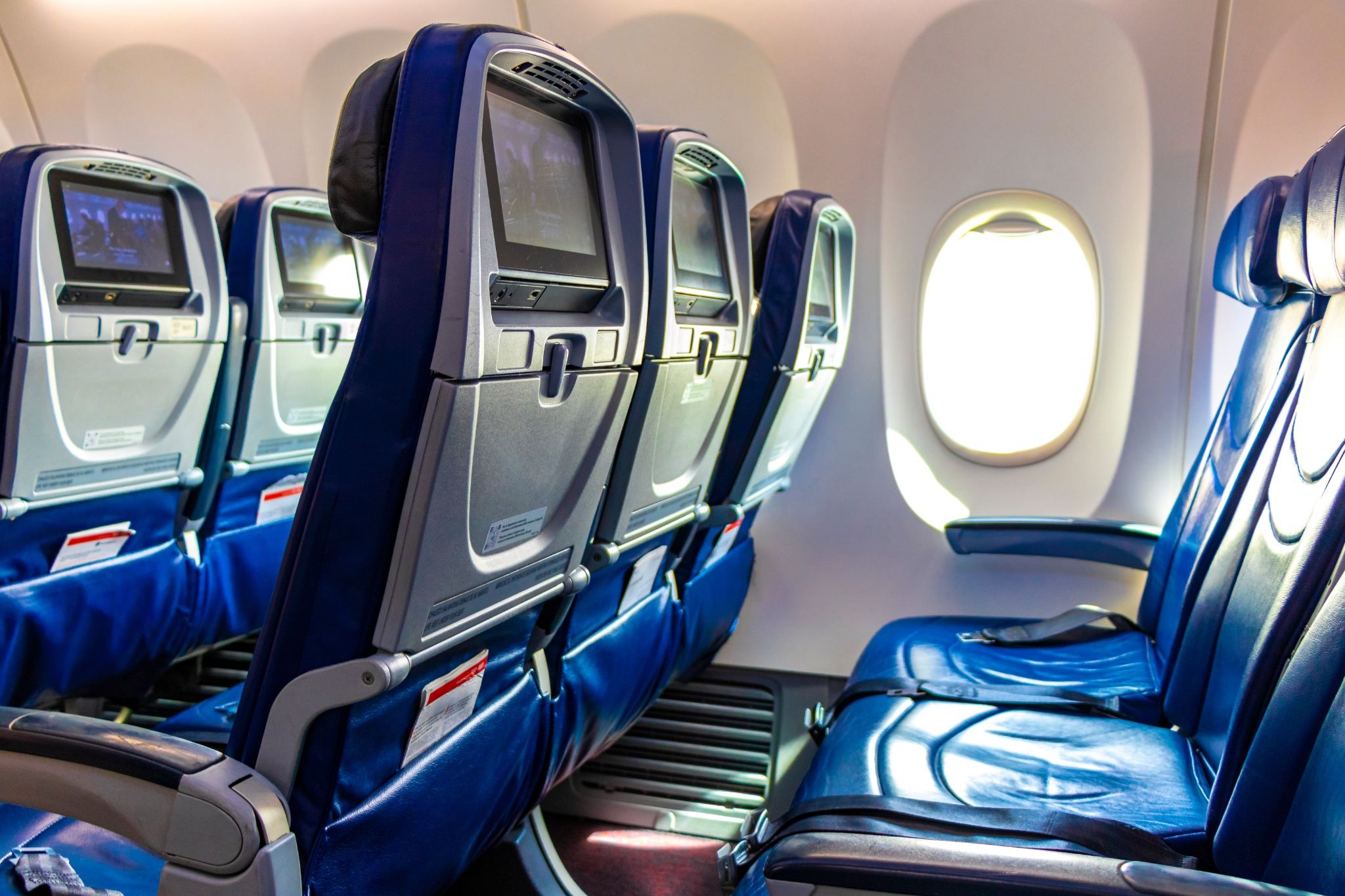
Consider what the A321XLR cabin actually demands from its crew. The business class cabin, with its suite doors and premium service expectations, realistically needs two dedicated flight attendants, one working the aisle, one managing the galley. That's the standard for a properly run international business class service, and it's consistent with how premium cabins are staffed industry-wide.
If two of the four total crew members are occupied in business class, that leaves two flight attendants responsible for the remaining passengers: 12 in premium economy and 118 in economy. On a long-haul international flight the exact routes these aircraft are being acquired to serve that's an extremely thin margin for delivering any kind of meaningful service experience.
Here's how the staffing math breaks down across the cabin:
- Business class: Minimum 2 flight attendants needed to maintain standard service levels for 20 passengers
- Premium economy: 12 passengers requiring dedicated service attention above standard economy
- Economy: 118 passengers sharing 2 remaining crew members in a four-crew scenario
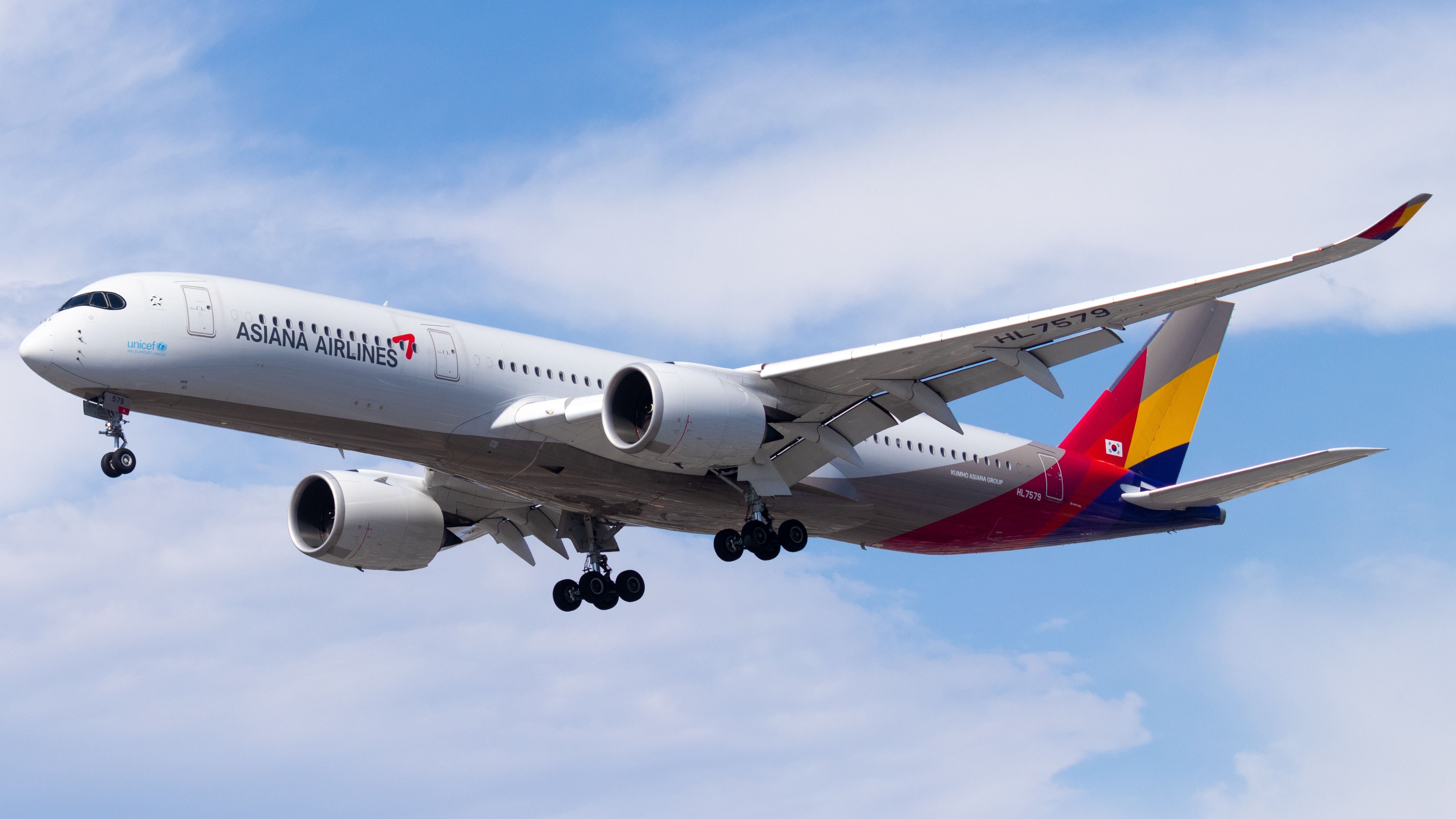
- Comparable competitor: American Airlines' A321XLR has 155 seats, requiring five flight attendants minimum and frequently staffed with six
The contrast with American's approach is striking. Five crew members as a baseline and often six in practice versus four at United. On identical aircraft types, flying similar routes, serving broadly similar passenger mixes.
The Charitable Interpretation
To be fair, there is a more optimistic reading of United's intentions here. Rather than planning to routinely staff these aircraft with four flight attendants, the airline may be engineering this configuration as a contingency measure a way to ensure that if a crew member calls in sick at the last minute, the flight can still legally operate with four rather than being delayed or canceled while a fifth crew member is found.
That's a legitimate operational consideration. Last-minute crew substitution challenges are real, and having a regulatory safety valve that prevents a sick call from grounding a plane is a sensible backstop.
The problem with taking this interpretation entirely at face value is the cost. Two blocked economy seats on every A321XLR flight represents permanently surrendered revenue, the price of retaining that operational flexibility. On a route with $600 average economy fares, blocking two seats costs $1,200 per flight in foregone revenue. Over a year of daily operations, that adds up to a substantial sum. Airlines don't typically absorb that kind of ongoing cost for a contingency they rarely invoke.
If the contingency argument were the complete story, the more economical solution would be to maintain 152 seats and simply accept the occasional operational disruption when a fifth crew member can't be found. The fact that United appears willing to give up real revenue on every flight suggests the four-crew staffing level is at least part of the regular operational plan, not just an emergency fallback.
What This Signals About the A321XLR's Competitive Position
The A321XLR represents a genuinely exciting development in long-haul aviation; the ability to connect city pairs that couldn't previously support wide-body economics opens up route possibilities that benefit travelers. United's version of the aircraft has a premium product and an interesting configuration. The enthusiasm around it is warranted.
But the staffing question has the potential to undermine the promise of what these planes can deliver. Long-haul international travel in any cabin class involves needs that require attentive crew presence, meal service, drink refills, assistance during turbulence, bathroom management on a full aircraft for many hours. The difference between four and five flight attendants on a 150-seat international flight is not a minor operational variable. It's the difference between service that feels reasonably attentive and service that feels perpetually stretched.
United's decision here also reveals something about how the airline is thinking about the economics of the A321XLR operation. Long-range narrowbody flights are inherently cost-sensitive in ways that wide-body operations aren't; the economics only work if costs are carefully controlled. That's a reasonable constraint, but it creates pressure to make choices that optimize for financial performance over passenger experience.
Bottom Line
United Airlines is planning to block two center economy seats on its A321XLR aircraft, effectively reducing the cabin count from 152 to 150 seats by installing a physical divider in one economy row. The stated motivation is improving the passenger experience; the actual motivation is reducing the minimum FAA-required flight attendant count from five to four, saving the cost of one crew member per flight.
If these planes routinely operate with four flight attendants on long-haul international routes, the service math is genuinely concerning: two crew members for business class suites leaves only two for 130 premium economy and economy passengers combined. American's equivalent A321XLR flies with five crew members as a minimum and frequently six. How United resolves the tension between operational economics and service quality on these aircraft will be one of the more closely watched developments in its fleet strategy over the next year.
DISCOVER THE RIGHT CARD FOR YOU.
Explore our card recommendations and find a credit card that suits your personal needs.
Browse card categories
%20(1).jpg)
.svg)