.svg)

When Hotel Loyalty Meets Reality: Why Elite Status Doesn’t Always Deliver
.jpg)
%20(1).svg)
A bottle of water following a tiring flight. A hot breakfast on the way to an early appointment. A feeling that loyalty is identified and rewarded. However, in reality, they do not always work out as expected.
The latest event in a hotel that is part of Marriott brand has brought the frustration of the elite members back, as there was a sign that told the guests plainly that even the highest level of loyalty does not mean a free bottle of water. Although the message offended the taste of a vast number of travelers as being rude or penny-pinching, the greater concern lies much deeper.
It is a tale of mixed gains, varying driving forces and a reward scheme that is between customers and the hotel proprietors.
The Dilemma at the Center of Hotel Rewards
The Marriott Bonvoy is a worldwide hotel loyalty program, spanning dozens of brands, and including thousands of hotels. In theory, the program can have well-established elite levels, such as Platinum, Titanium, and Ambassador, each offering its benefits.
In actual sense, you may need the same legal document that is written in a foreign language to tell what those benefits are going to be in a particular hotel.
There are passengers who feel that elite privileges cut across all Marriott brands. Others use historical experience, -I generally get free water- and think in the same way.
Hotels, in their turn, are governed by brand-specific regulations that differ depending on the region or type of the property as well as the ownership preference. The result? Visitors come with expectations and employees provide them with another meaning and frustration results.
What the Rules Measurably Say of Free Water
The point of controversy is a Fairfield Inn, a brand that is marketed as a low-cost and lean. As per the official terms of the program offered by Marriott, Fairfield properties should provide the elite members with an Elite Welcome Gift upon their check-in.
That gift may be of the following:
- Few bonus points per stay.
- Food-and-beverage item/amenity, depending on the region.
The terms nowhere mention that they need to include complimentary bottled water.
Other hotels go ahead to provide water. Still others include it as part of the food-and-beverage service. And there are brands of water that give water to every guest irrespective of position.
However, at Fairfield Inns, the free bottle water amongst the elite members is not an obligatory provision. Thus, the sign that was shown by the hotel might have been offensive, but technically, it was correct. Good customer experience is not, however, accuracy.
First Owners: The Business Reality of the Brand
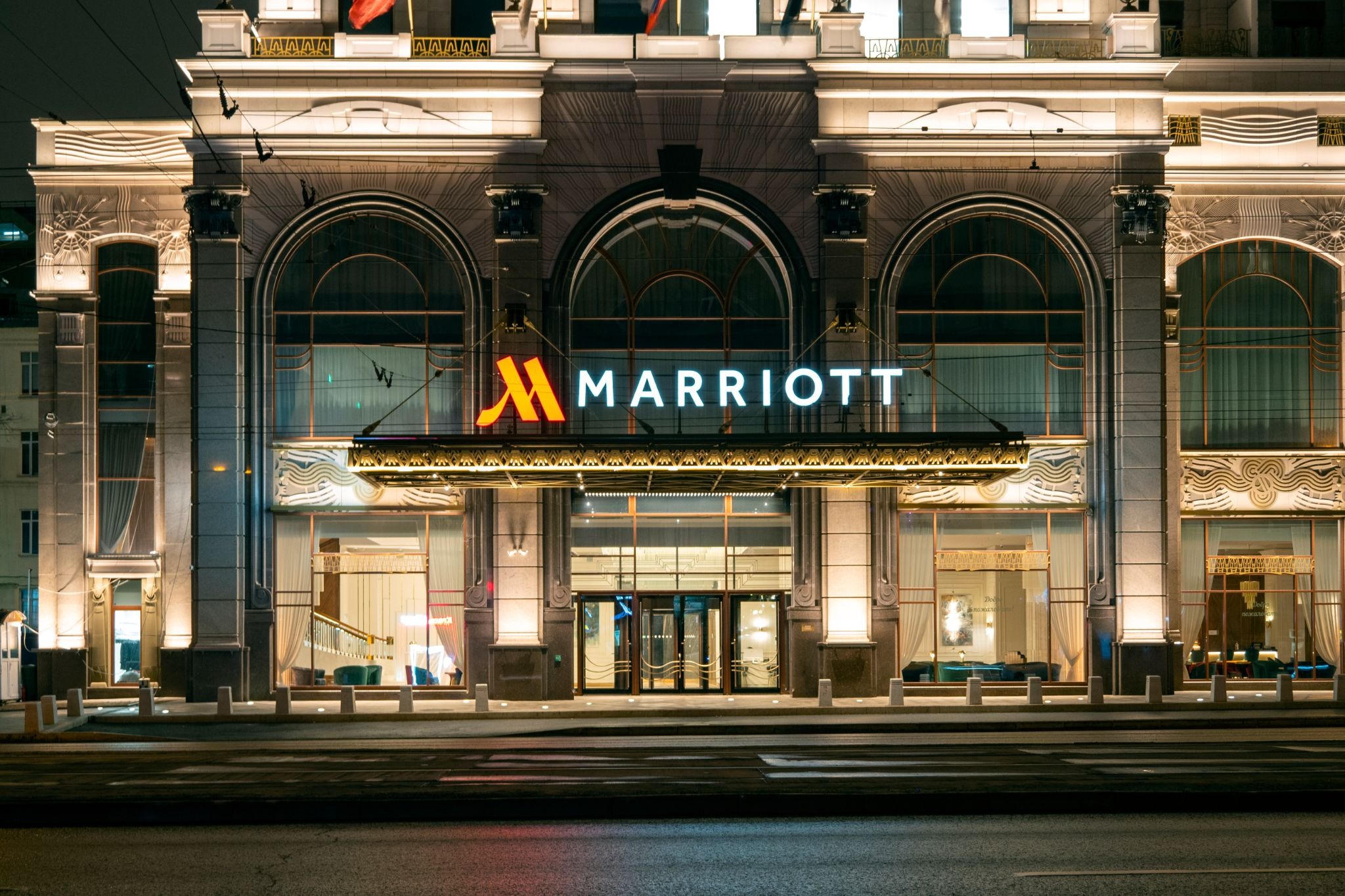
Most of the hotels owned by Marriott are not owned by the organization. It is rather a franchisor and administrator with the day to day expenses being handled by individual owners of the property.
Corporately speaking, the expansion of the Marriott is fueled by the addition of additional properties and ensuring that the owners are satisfied. The additional rooms will result in increased charges, greater brand name visibility, and market supremacy.
One of the elements of those strategy is loyalty programs. Bonvoy contributes to the provision of demand, the guests who decide to stay at Marriott due to their elite benefits.
However, when such guests come then it is upon the individual hotel to bear the expense of delivering such perks as:
- Complimentary breakfast
- Room upgrades
- Late checkout
- Lounge access
- Bottled water
- Bonus points
Such costs have a direct impact on the bottom line of a property.
The reasons why hotels are fighting back elite rewards
To the hotel owners, all the perks are expensive. Although at Marriott it helps in gaining more bookings and franchise fees, the owners may perceive elite benefits as unfunded requirements.
The rewards system forms a stress:
- Marriott wishes the loyalty program to feel good and persuading.
- The owners desire to reduce costs and yet enjoy the premium segment.
Many properties can be served best by the simplest provision, which is to obey the rules in their strictest sense, to do what is required of you, nothing more.
Even minor favors get combated in such an environment.
The Tragedy of Commons of Hotel Loyalty
According to economists, there is a scenario that is referred to as the tragedy of the commons, where individuals engage in self-centered short-term profit maximization by exploiting a common resource, which in the end destroys it to all.
The credibility of Marriott Bonvoy plays the role of such a resource.
Trust in the program is high when the majority of hotels take the elite benefits seriously. Customers become loyal and more reservations are made as well as the owners enjoy the advantages of demand.
However, when a significant number of properties start to cut corners, e.g. neglecting upgrades, reducing breakfast, not providing small amenities, etc., the mutual trust will be destroyed.
This saves the money of each hotel. However, when it is aggregated, the value of elite status goes down.
Why the Harm is Delayed but Drastic
The effects of failing elite guests are normally indirect and delayed. A customer might not raise a finger instantly. They might just reserve another brand in the future.
The lost loyalty does not necessarily appear in the balance sheet of one property. Rather it has the disadvantage of undermining the brand in the long run. Since an increased number of travelers are becoming aware of the fact that elite status offers mixed outcomes, the loyalty program is becoming less influential in the process of making bookings.
This is detrimental to Marriott in terms of selling demand- and ultimately to the owners. That is, long term losses may be brought about by short term savings.
The Implication of This to Travelers
To the visitors, the moral is chilling but helpful:
- The elite benefits are not the same in all Marriott brands. Past experience is not a surety of future perks.
- Rules about the brand are more important than the level of loyalty.
Smart tourists are progressively doing their research on houses prior to booking and going through new reviews, and setting expectations.
Others even switch to a hotel chain that has less complex benefits and whose offerings can be predicted more easily- or even distribute their stays to a variety of programs to avoid heartache.
Concluding Remarks: More Than a Bottle of Water
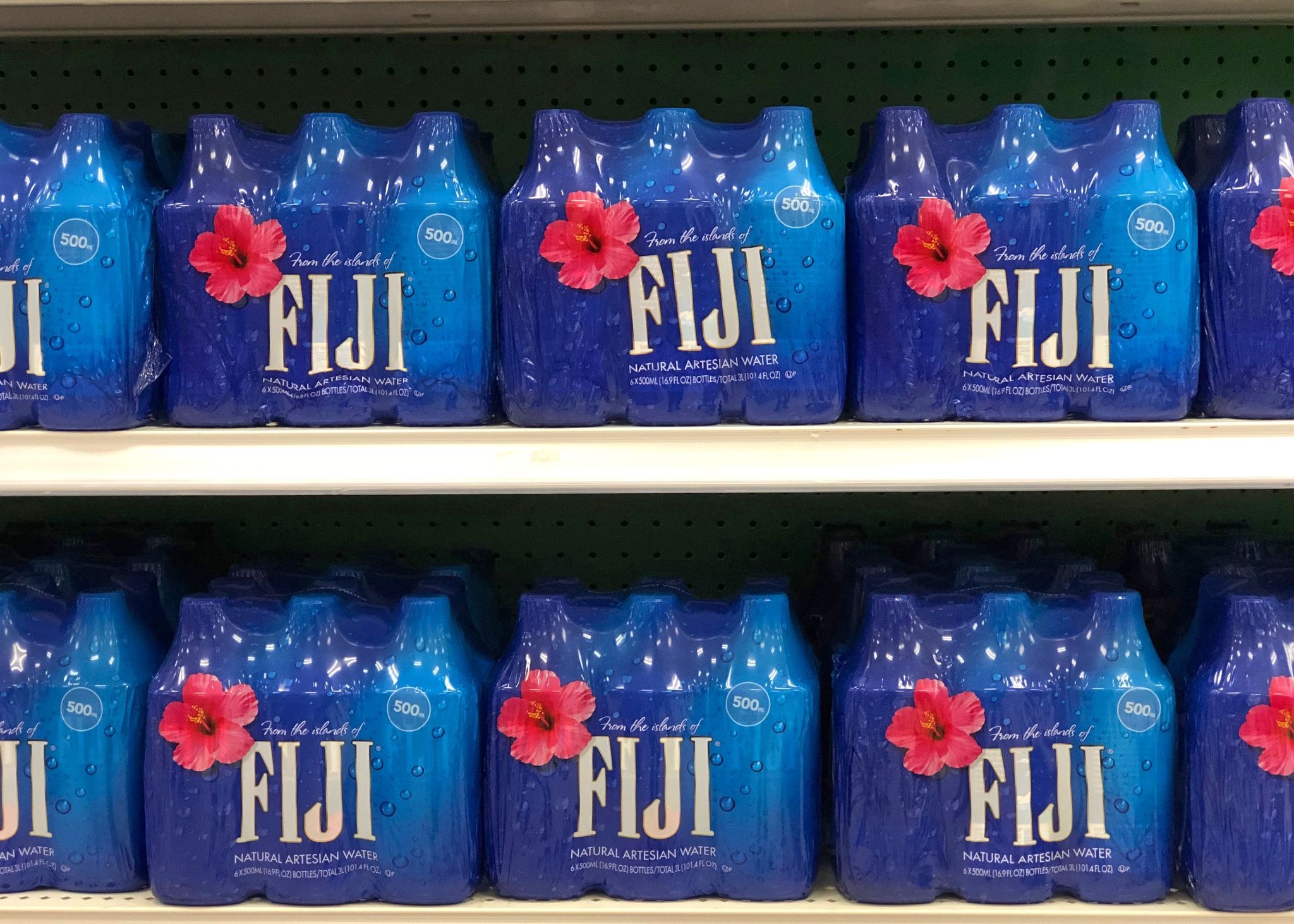
The free water scandal is insignificant but it points to a bigger hole in the contemporary hotel loyalty ecosystem. The problem lies simply in its essence, which is expectation versus implementation.
Travelers lose trust when the loyalty programs are not going to give them what they promise but provide ambiguity. And, when too many hotels are too much concerned about short-term savings, rather than long-term trust, we all end up losing.
After all, a bottle of water does not concern hydration. It is a matter of whether or not loyalty matters anymore- or whether it is drying away, a little perquisite at a time.
DISCOVER THE RIGHT CARD FOR YOU.
Explore our card recommendations and find a credit card that suits your personal needs.
Browse card categories
.jpg)


.svg)