.svg)

Why Israeli Travelers Should Never Rely on AI for Travel Safety Advice A Cautionary Tale from Malaysia
.jpg)
%20(1).svg)
It is a travel error that is slowly gaining popularity and that no guide to frequent fliers ever told you about: an AI chatbot that you should rely on to inform you whether it is safe to travel to a country or not. To an increasing number of young Israelis on vacation, that error has not only cost them a flight or a reservation, but also kept them in custody at one of the busiest international airports in the Southeast of Asia.
Not any longer than eight Israeli citizens during recent few months have been detained at Kuala Lumpur International Airport (KUL) during layovers on account of having done anything, but merely because of the passport they are carrying. And in scenario after scenario, the plot is extremely alike: they query an AI helper whether it would be safe to fly to Malaysia, he or she answered that there is nothing to worry about, they bought their tickets, and ended up in a holding area before they could even set foot on their connecting gate.
What Is the Real Situ at Kuala Lumpur Airport
The latest event was headlined when two Israeli men and two young Israeli women were arrested in the move to use Kuala Lumpur as a transit destination during their return home journey to Thailand and then to the Philippines. The women would later claim that they had entered into a conversation with an AI travel assistant to get a safe rerouting option and nothing in that discussion put them in the grave danger of flying over Malaysian airspace.
What an AI apparently could not identify is what the National Security Council of Israel has made very clear, which is that Malaysia has a Level 4 High Threat advisory against Israeli citizens, the worst threat warning ever issued. That warning does not simply tell one not to go into the country, it actually warns the Israelis not to fly through Malaysian airports at all, even if they do not plan to go into the immigration halls or even to leave the terminal.
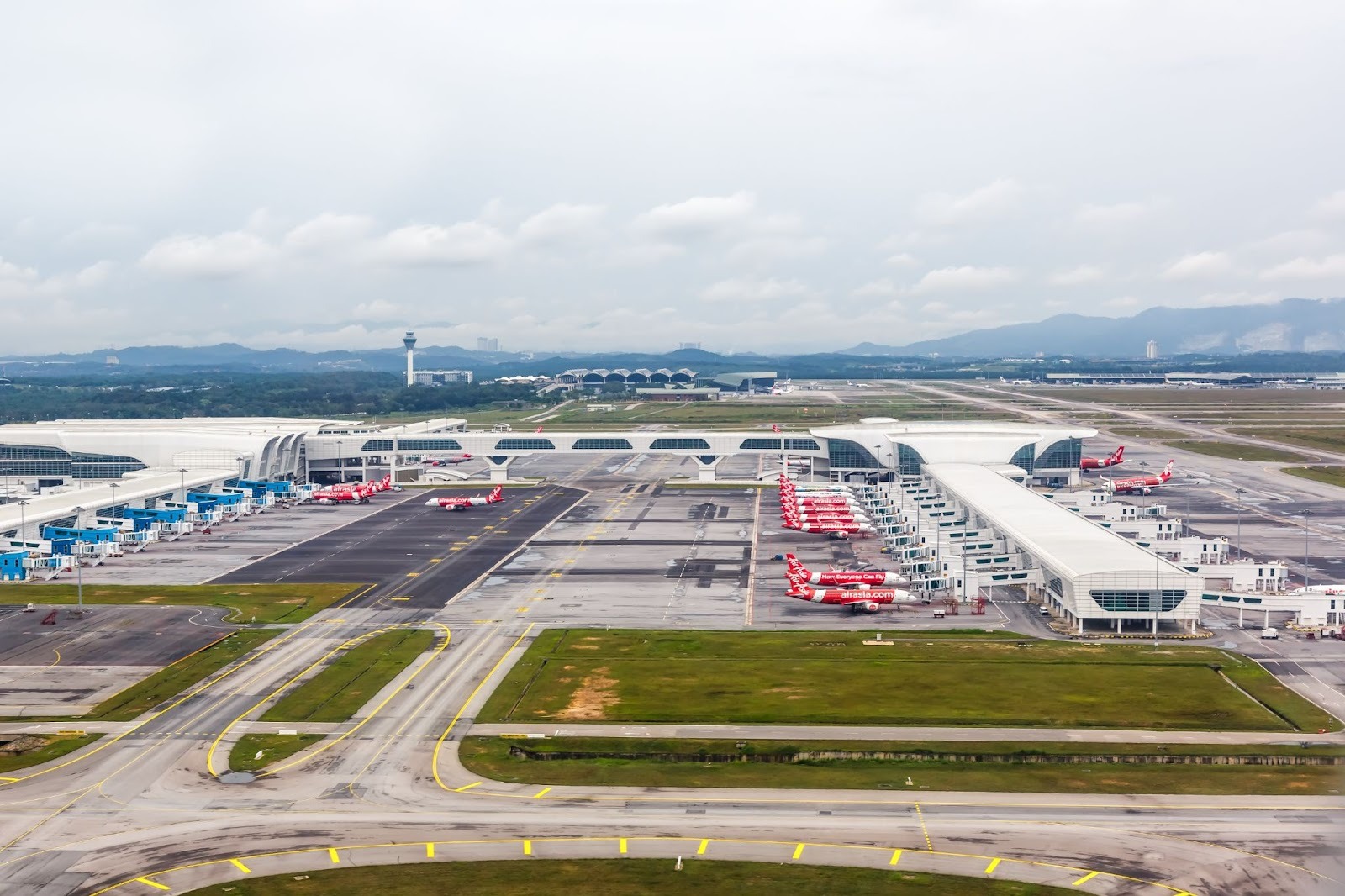
The foreign policy context is important here. Malaysia has no formal diplomatic relations with Israel and more importantly it does not recognize Israel as a state. Passport holders of the Israeli nation are usually denied access to the country. Although some of the travelers can bypass an airside transit without raising the eyebrows of immigration officers, over the past few months, the officials of the Malaysian airports have been examining travel documents more keenly and whenever an Israeli passport pops up, detention is a natural consequence.
The ambassador of Israel in Singapore, Eliyahu Vered Hazan, whose office has been organising reaction to such cases, was straight to the point: those arrested travelers had done no law and had no crime. The reason that they were detained was their nationality. The Israeli embassy even had to step in themselves in a number of instances to ensure that they were set free, which is by no means swift or even a certainty.
This was not a given, said Ambassador Hazan, who was urging Israeli citizens not to push the situation despite them having dual nationality, with a second passport to travel. The fear is not in vain: in certain cases, Malaysian officials have checked further than the presented passport to detect immigrants of Israeli nation.
The ML Issue No One Is Discussing
The Israeli travelers detention case in Malaysia is a long history geopolitical issue. However, the line between these new cases brings in a more warning that is newer and has broader applicability: AI assistants should not be trusted to provide real time information on travel safety, and using them as such may be highly detrimental.
This is not the criticism of the technology as a whole. AI technology has truly enjoyed usefulness in trip planning flight opinions, itinerary suggestions, menu translations, packing lists. However, travel safety advisories are another category. They shift quickly, they are bound up with geopolitical conditions that are changing at a very rapid rate and they often have nuance that a general purpose AI lacks the ability to capture or prioritize accurately.
An example of this is the new Malaysia advisory by the National Security Council that was issued specifically as a direct reaction to what officials gave as a major rise in animosity against Israelis in the nation in the aftermath of the events in October of the year 2023. Such an immediate policy change, and the consequences of it to transit passport holders is precisely the type of essential fact that may not properly feature in the training data of an AI, or may appear without the proper emphasis.
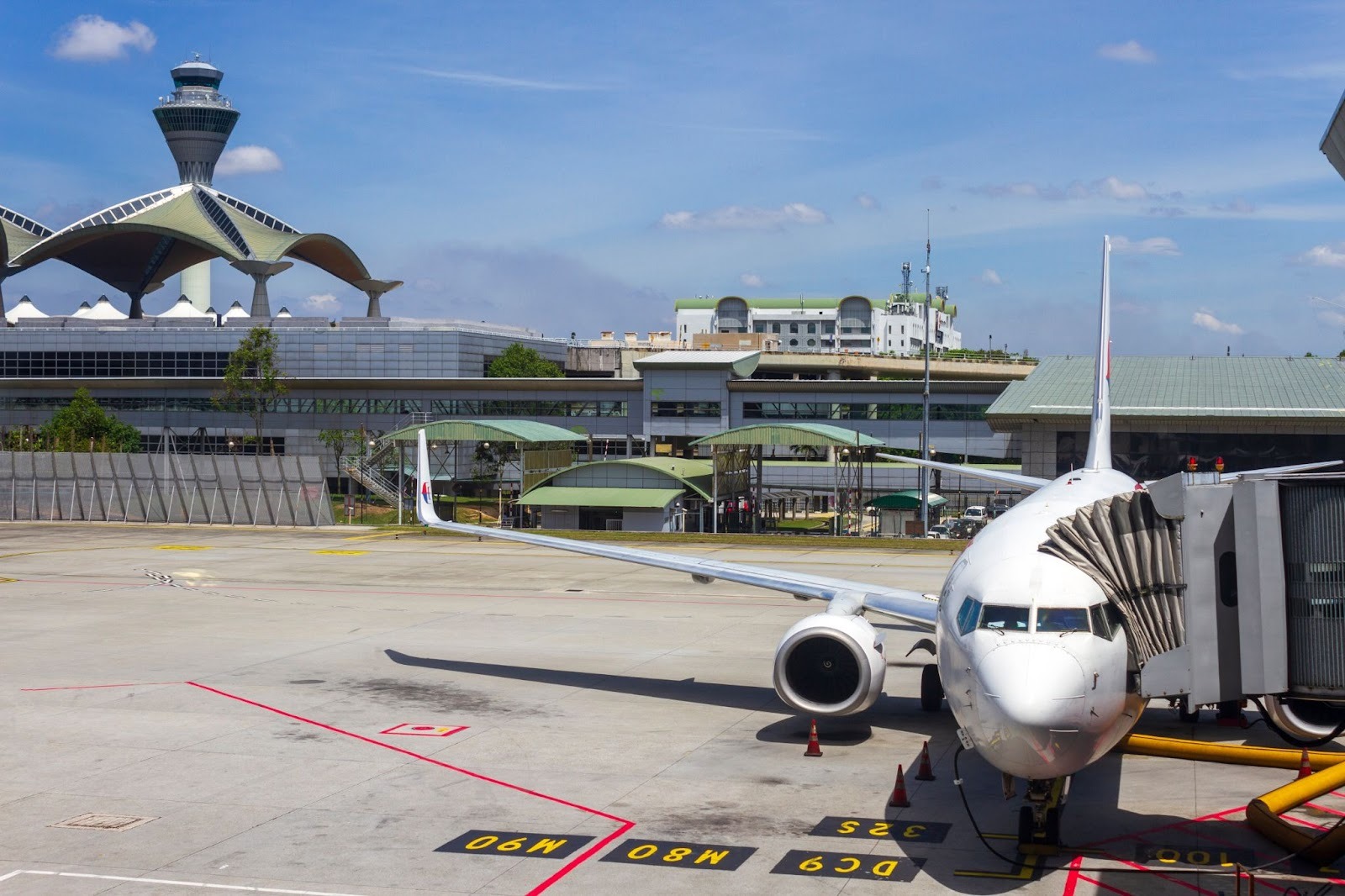
These are the sources that must in fact guide the safety choices of any traveler, and not only Israelis, before they book a trip:
- The official government travel advisory web site is the official source and in the case of Israeli citizens, this is the published guidance of the National Security Council, which is regularly updated and is based on nationality specific risks.
- The embassy or consulate of your country in the destination part of the world can give you specific guidance on the situation and is the first line of communication in case something goes wrong in the foreign country.
- Routing of airlines and layovers must never be checked up against that of a generalized traveler situation, but directly against the up to date entry and transit requirements of your particular passport.
- Artificial intelligence chatbots and general travel platforms can be used to help with trips planning, but they should never be the ultimate decision on legal entry permissions, safety risks, and travel bans based on nationality.
A Broader Lesson for All Travelers
It would be easy to read this story as narrowly applicable a specific conflict, a specific nationality, a specific airport. But the underlying lesson travels much further than Malaysia.
The gap between what an AI assistant confidently tells you and what official government sources actually advise can be significant. Most of the time, that gap is harmless a restaurant recommendation that turns out to be closed, a packing suggestion that doesn't account for the weather. But when that gap involves a country that doesn't recognize your nationality, an airport where your passport can trigger detention, and a geopolitical climate that has shifted since the AI's last update, the stakes are categorically different.
Travel advisories exist because governments have access to real time intelligence, diplomatic channels, and on the ground reporting that no AI platform can replicate. They're not always perfectly communicated or easy to find, but for high stakes decisions especially transit routing through countries with complex diplomatic situations they are the non negotiable starting point.
The young travelers detained in Kuala Lumpur were, by most accounts, doing what a lot of modern travelers do: they had a destination in mind, they needed a route, and they asked a convenient tool for help. The tool gave them an answer. That answer cost them their freedom for a period of time, required diplomatic intervention to resolve, and left them stranded far from where they intended to be.
No travel app, chatbot, or AI assistant is worth that risk. When in doubt, go to the source and make sure the source is the one with actual authority to answer.
DISCOVER THE RIGHT CARD FOR YOU.
Explore our card recommendations and find a credit card that suits your personal needs.
Browse card categories
.jpg)


.svg)