.svg)

Wow: Delta May Ditch Its New Business Class Seat Over Certification Issues
%20(1).svg)
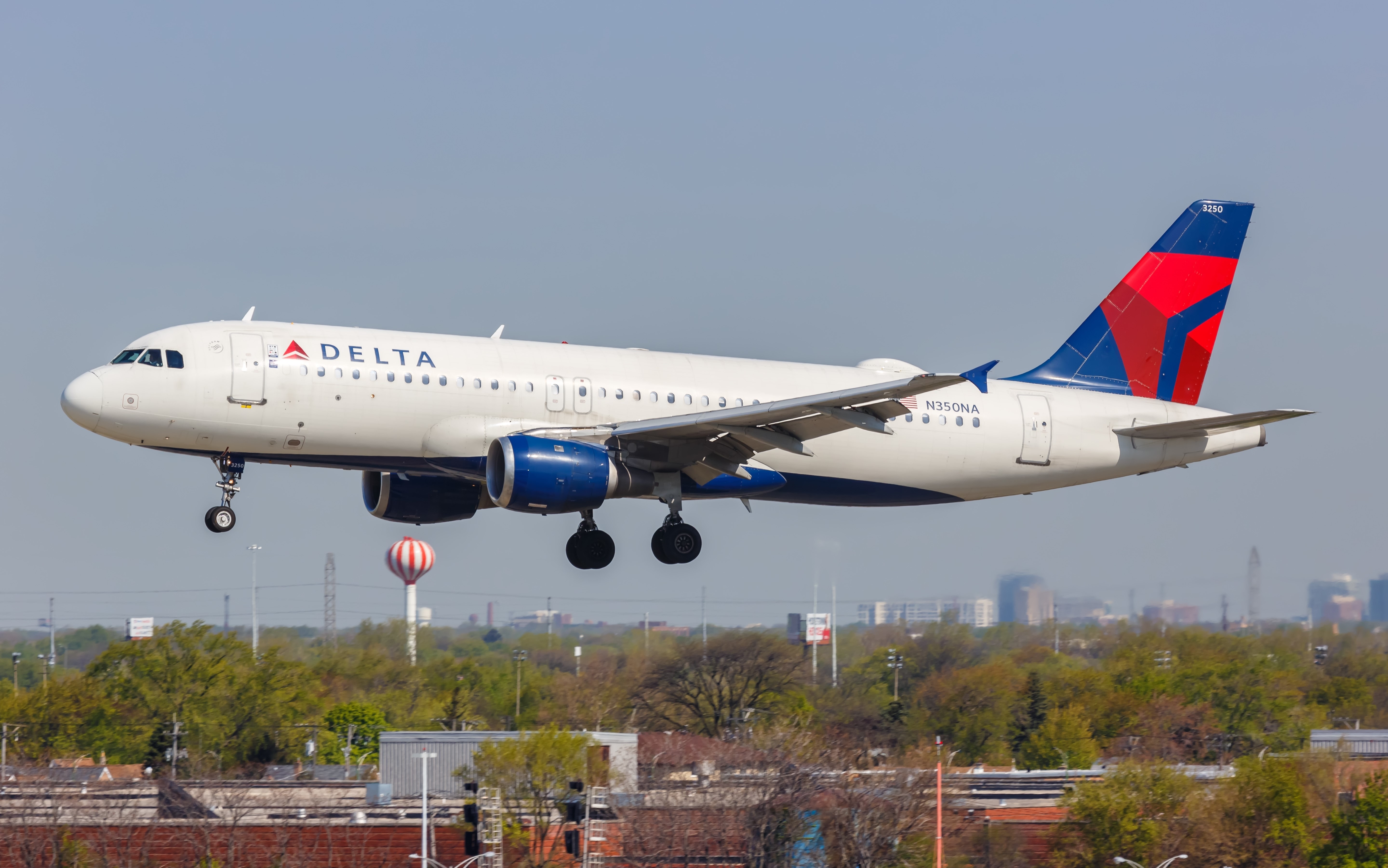
In there, the domestic premium airline is Delta Airlines, flying a nice new Airbus A321neo subfleet with reverse herringbone flat bed seats which are better than anything the two other airlines can fly transcontinental with. That version of the story was never promised but it seemed likely and at one time it was a plan.
What is really happening is a lot messier. After years of efforts to certify the seat for Delta, the carrier might be giving up on the model in favor of another that already operates on the airlines' aircraft. It is being presented as pragmatic and, by all accounts, it's that but it's a significant step back from the high-priced transcontinental product Delta had hoped to build.
Here are all the details of how this can happen and why it's great news for travelers who are excited about flying these planes.
What Delta was building, and why it matters
The A321neo premium transcontinental subfleet was designed to be a real differentiator for Delta. American and United both have plans to switch their premium narrowbody planes to herringbone configurations, which work well but have some seats in an indirect-aisle configuration, while Delta wanted to move to reverse herringbone seating.
To a casual observer the difference may not seem that important, but it does. A herringbone layout has seats alternating towards and away from the aisle, which makes it a bit more indirect for the people who sit towards the aisle to get to their feet. In a reverse herringbone seating arrangement, each seat has direct access without the need to step over other people, and generally the privacy and ergonomics are better. It's what you can find in the most popular business class offerings around the world and if Delta was using it on its domestic Transcontinental flights, it would have established a new benchmark for that class of flight.
The Certification Saga
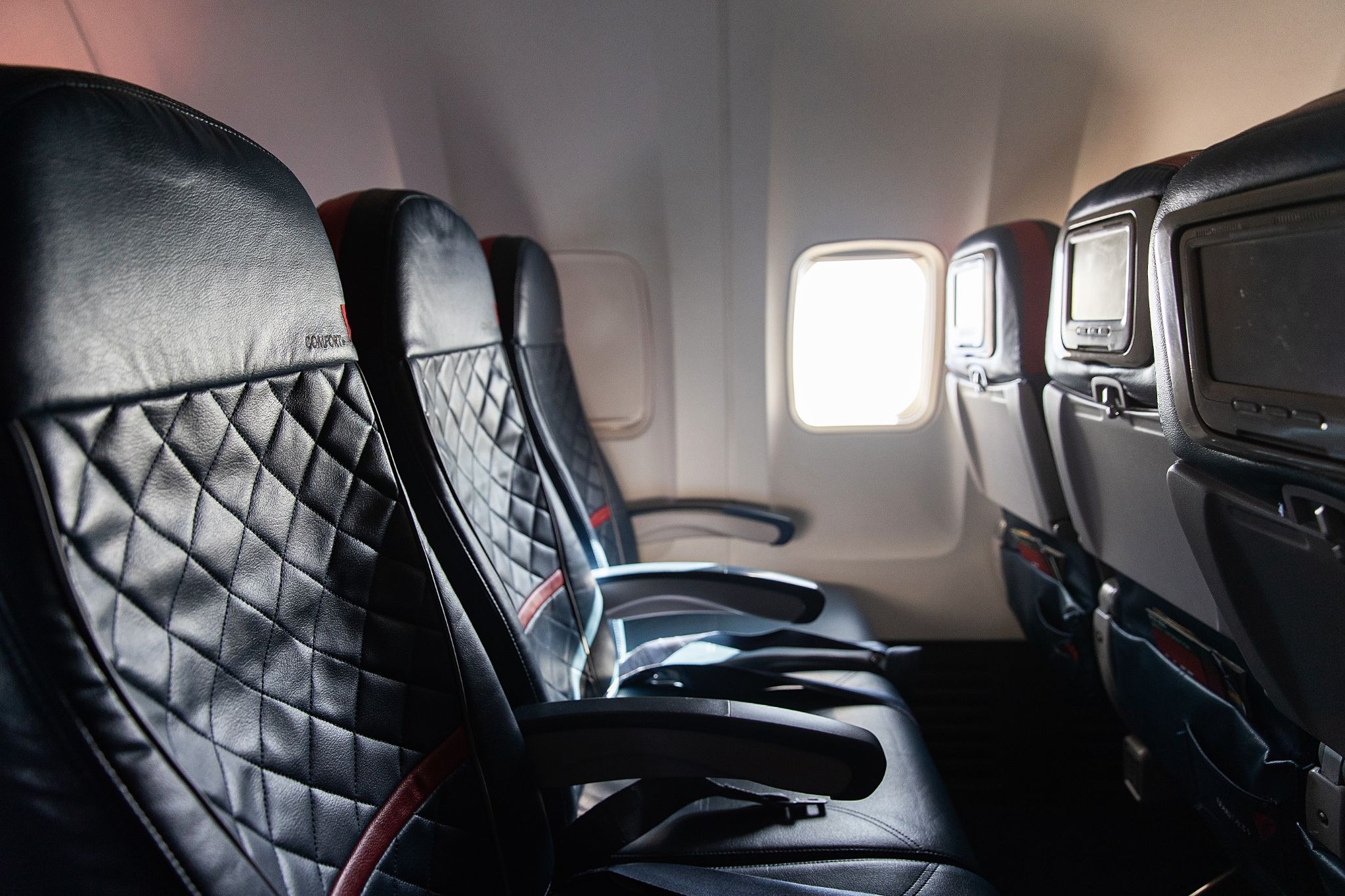
The explanation for over a year of non-pressurised flight with aircraft, instead of passengers, is the FAA seat certification process, which has increasingly gotten more complex as cabin designs become more advanced. The product that Delta chose, the Safran Vue reverse herringbone seat, has not been able to pass the regulatory tests needed to serve passengers on these aircraft types.
Premium cabin seats undergo extensive crash testing and human factors studies for certification with the FAA, and a number of newer seats are even falling short of expectations even for seasoned industry watchers. In the most recent interview, FAA Administrator Bryan Bedford spoke directly to this issue and said that a disproportionate amount of new premium cabin products are not passing the required safety tests, resulting in backlogs that are rolling down the airline's fleet introduction calendar.
The Race Delta Just Created
Instead of sticking with the Safran Vue seat until it can be certified for an indefinite amount of time, Delta's Chief Marketing and Product Officer Ranjan Goswami confirmed that the airline is now allowing flexibility with an alternative: the Thompson Aero VantageSOLO seat. The approach is simple: The first supplier to receive FAA certification will be the winner of the contract for Delta's A321neo premium subfleet. The goal to have these planes ready to fly in their planned configuration is by mid-2028 at the latest.
The VantageSOLO is a proven product in the U.S. marketplace. It is in use on JetBlue's A321LR fleet and on Iberia's A321XLR fleet, with an almost identical version on American's A321XLR fleet. Knowledge of this certification process on A321 family aircraft is a tremendous benefit the aircraft could be configured in any way Delta desires, but the baseline configuration has already undergone the toughest reviews for this aircraft type.
What This Means for Passengers and for Delta's Competitive Position
Let's take a look at the consequences of this seat decision:
- Safran Vue (original plan): A reverse herringbone configuration providing direct aisle access from every seat, which is regarded as the top level standard in the world, and a true differentiator from American and United's standards.
- Thompson Aero VantageSOLO (likely outcome): A herringbone design with good performance and some seats arranged in the indirect route basically the same in terms of structure with differences in execution from the competition.
However, these two results aren't disastrous passenger-wise: the VantageSOLO is an adequate lie-flat product, and Delta will overlay their service and soft product on top of whichever seat emerges as the winner. But it's a significant drop from the planned spec and it cuts down the competitive edge Delta was aiming for.
The more fundamental issue of seat certification
Delta's dilemma is a big-name case in point of a situation that is affecting the industry in general and quietly growing. The certification process for aircraft seats, especially for more advanced high-end cabin configurations, is a worthwhile impediment in the business. Sometimes the seats being developed by manufacturers are getting to the FAA test process, only to be found to be out of compliance in a manner that necessitates a lot of redesign effort before the seats will be certified.
While no single variable accounts for it all, the trend indicates that the regulatory side of the equation and the innovations in design have not advanced in a coordinated direction. Seats have gotten more involved with other aspects of the plane, including privacy doors, complicated mechanical features and weird geometries, and the certification process hasn't kept up, while airlines have picked up the slack.
Quick Summary: Key Points to Know
In a nutshell, here are the main points you should be familiar with:
- Delta's A321neo premium transcontinental subfleet was built around the Safran Vue reverse herringbone seat, which is a better seat configuration than other airlines' herringbone designs.
- One of the delivery planes has been unable to complete flights with the cabin because of continuing certification problems with the cabin.
- Now, Delta is trying to outgun the Thompson Aero VantageSOLO with its Safran Vue with the first being certified, winning the contract.
- The VantageSOLO is already certified and currently flying on JetBlue's A321LRs and other aircraft, and is the more obvious front-runner.
- The target date for these planes to fly with their intended premium configuration is: mid-2028 at the latest.
The Bottom Line
The reverse herringbone seating concept that Delta had hoped would create a best-in-class lie-flat experience on its domestic fleet has come under threat from the same herringbone seat that JetBlue and American are already using on their planes. The Safran Vue seat, which has languished in the certification process for years, has been sidelined in favor of a new competitive process, and the Thompson Aero VantageSOLO is now in the running.
The result is likely to be a good, but generic product, delivered years late and thus back where Delta started from, competing with an inferior product. This is quite a letdown for the more upscale travellers who were looking forward to the transcontinental subfleet that Delta promised to have.
DISCOVER THE RIGHT CARD FOR YOU.
Explore our card recommendations and find a credit card that suits your personal needs.
Browse card categories
%20(1).jpg)
.svg)