.svg)

A Fiber Optic Line got Accidentally Cut and Caused the Northeast Air Traffic Control Meltdown
.jpg)
%20(1).svg)
Monday, September 21, 2026 was a rough day to be at an airport in the Northeast. Thousands of flights were delayed or canceled in the U.S. and the reason was actually quite simple: a single telephone line, severed by accident. Here's what happened, how bad the disruption became and why no one appears to be calling the shots.
How the Day Unfolded
The trouble began at around 9:45 AM EDT, when workers accidentally cut a telecommunications line in New Jersey that the Federal Aviation Administration (FAA) relies on. In less than a month, the FAA was forced to cancel landings at several large Northeast airports.
- Boston (BOS)
- New York (JFK/JFK and LGA)
- Newark (EWR)
- Philadelphia (PHL)
The problem was only resolved after more than eight hours, and all ground stops were lifted at 6:30 PM. That's a long day for travelers who are in a gate, or for those who are stuck on a plane. The word "ground stop" implies aircraft scheduled to fly to affected airports are grounded at their takeoff point, meaning the issue quickly gets out of the Northeast.
However, those ground stops were not enough to return to normal operations. Airlines operate on schedules and when so many planes and crews end up in the wrong place, it takes time to unravel it. A plane that's grounded in Boston at lunch time will not be able to fly an evening flight from Chicago, and a crew that is no longer legally allowed to work will not be able to just keep flying. That's why delays to the end of Tuesday were still anticipated.
What could be worse than bad timing for the United Nations?
It was a bad time of year to be in business. Leaders from all over the world were traveling to New York for the annual United Nations General Assembly. The disruption occurred when the city was already filled with prominent visitors, a lot of security and crowded airports.
For frequent travelers, this type of disruption can lead to missed appointments, cancelled hotel reservations and a ton of frantic rebooking. If the entire region is winding down simultaneously, then there really aren't many simple choices.
The top Airlines That Were hit the Hardest
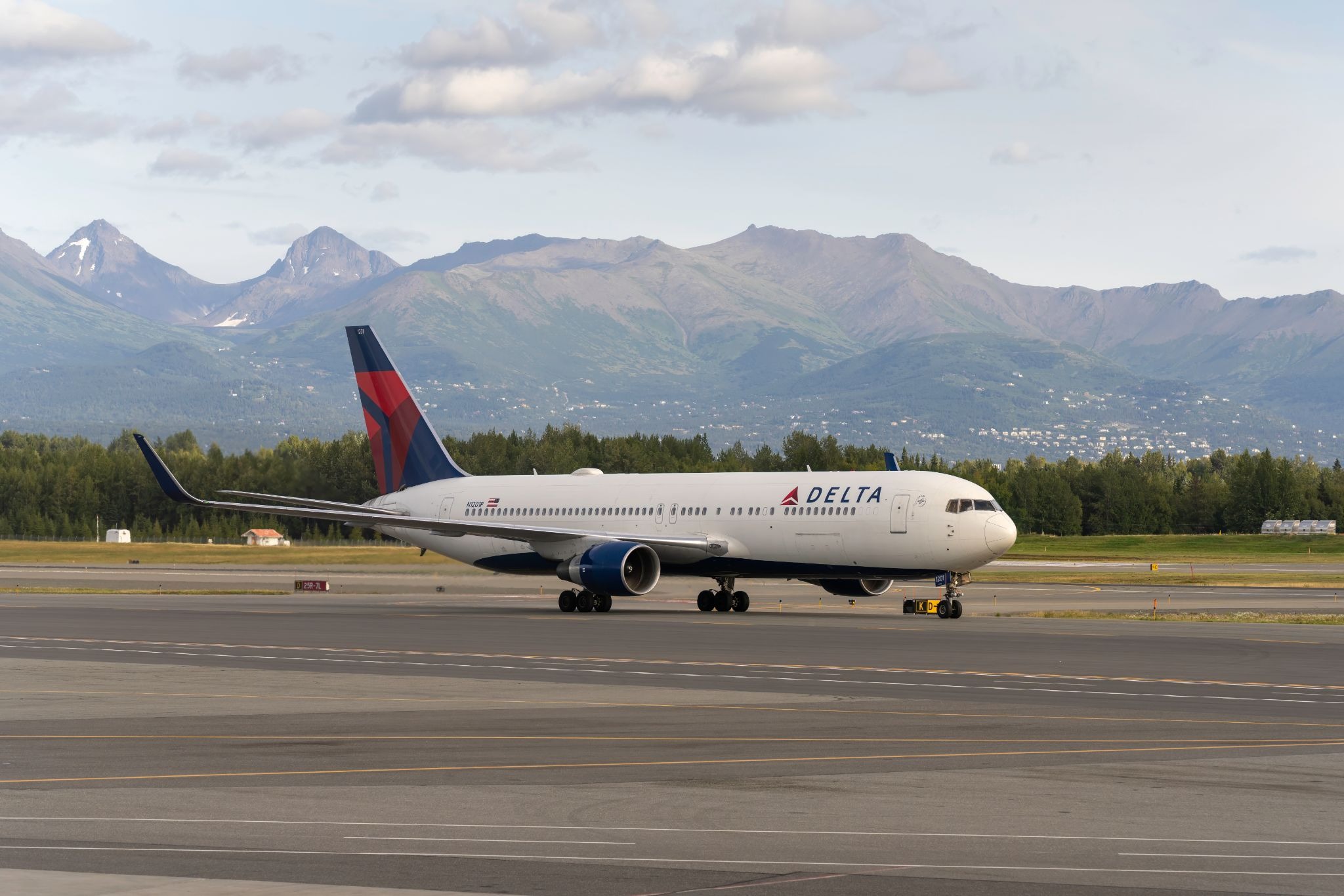
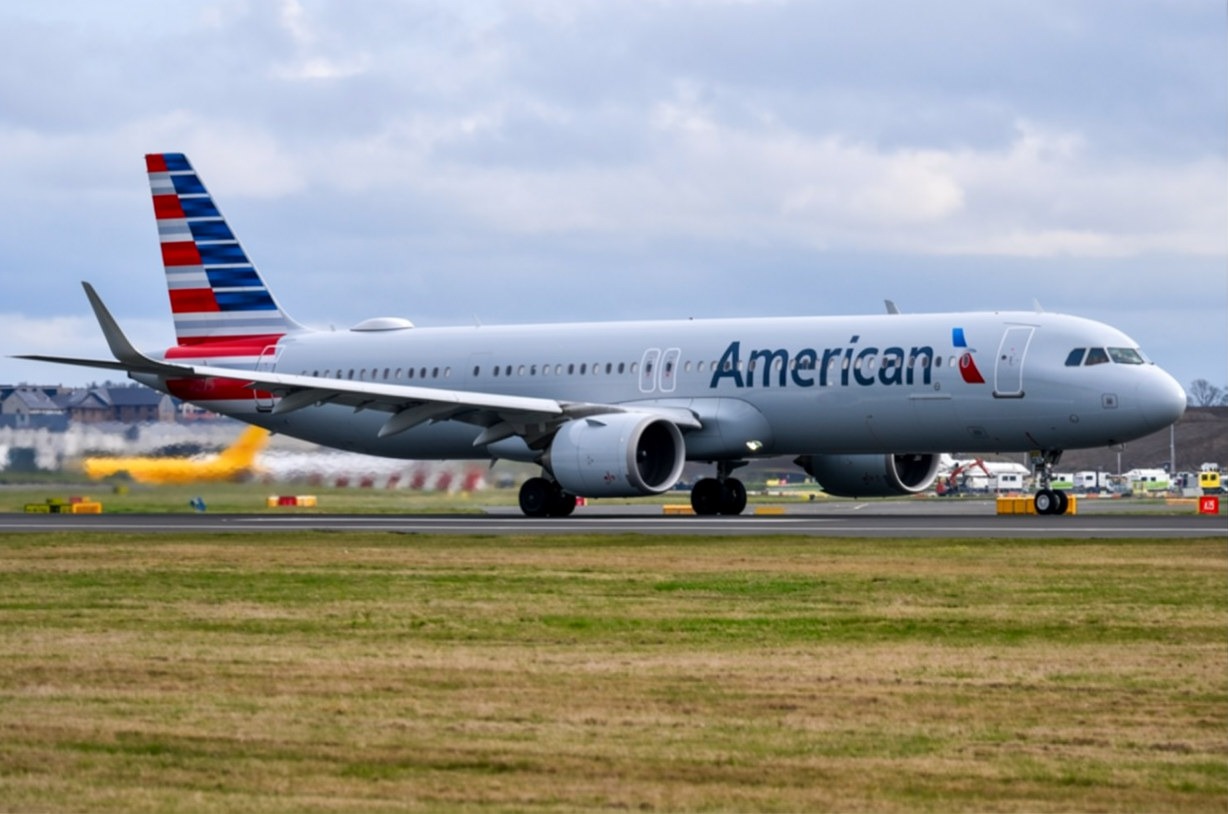
FlightAware data indicates United was hardest hit, along with American and Delta. Excluding regional subsidiaries, the actual numbers are expected to be higher.
- United: 361 cancellations (11% of flights) and 777 delays (24%)
- American: 116 cancellations (3%) and 1,301 delays (37%)
- Delta: 47 cancellations (1%) and 922 delays (25%)
The numbers tell slightly different stories for each airline. American recorded the highest number of delayed flights, and United had the most flights cancelled, by far. However, more than a fifth of flights were late and Delta managed to cancel far less.
One Cable is a Whole Region Shut Down
It all began with one fiber optic line in New Jersey, but no one could believe the whole mess with the air traffic control was caused by that. It was severed while constructing a rail car storage facility in a rail yard in New Brunswick, close to the Northeast Corridor line.
That cut knocked out all communications between New York’s metro area air traffic control and the system in Philadelphia, which controls much of the airspace in the region. This cable had also been used as a back-up to the main circuit system, which had previously failed, making the problem worse. As the backup failed, its back-up was also in jeopardy.
Imagine that your spare tire goes flat just after the first tire. Having a backup only makes sense if it remains reliable, and this one was not here at a necessary time.
- The Blame Game
- The finger pointing started immediately and the outage made the news.
At first, Transportation Secretary Sean Duffy said that an Amtrak construction crew had unwittingly damaged the fiber optic line. This seemed to be incorrect. It was not performed by an Amtrak employee, it was performed by an NJ Transit contractor.
The picture is still not clear, however. The contractor was about 10 feet from the utility markings when the cable was cut and NJ Transit says it's not responsible, either.
Verizon, who owns the line, refused to take the responsibility as well. The company said it has a fiber cable that was adjacent to an Amtrak rail line in New Jersey, but was torn up and cut by construction contractors. Verizon said its facilities were back to normal up to that time. It also stated it deployed its own teams to the scene immediately and was collaborating with its partners to restore connectivity "as soon as possible" and fix the cable.
So at this point, it's just a matter of each side pointing at the other. Investigations will unravel the facts no doubt, but the thousands of passengers who had plans all ready to go are not helped.
The Bigger Problem Not Enough Backup
This is ironic and not to be overlooked. It was supposed to be a solution with this fiber optic cable. Last year, air traffic controllers faced temporary disruptions due to communication problems on outdated copper wires, and the upgrades were supposed to avoid such disruptions again.
But it was an incident which revealed that there was still a lack of redundancies. If the system is as critical as air traffic control, there should be no single cable and if the only cable is missing, a single error can paralyze an entire region.
There's more to this than finger pointing. There are bound to be mistakes, and at times construction workers will encounter utility lines. Whether the system is designed to continue operating during their activities is what's important. It's not just a minor hiccup, it's multiple independent connections, regular testing and clear plans for failures.Seven things that Travelers can take from this experience.Seven lessons learned by Travelers.
No one knows when a cable will be cut, but a few habits can help to mitigate the impact. Keep an eye on your airline's app frequently as rebookings are listed there first. When flying through some of the busiest hubs in the Northeast, add extra time for connections, and plan for an earlier flight if a big conference is on the horizon. If you have to get off the plane, inquire with the airline about hotel and meal assistance, and save your receipts to claim compensation at a later time.
It's also a way to remain flexible on the days following a significant disruption. Recovery can be lengthy, and flights the next day can be late or full as well, so if at all possible, have some leeway.
The Bottom Line
Air travel in the United States was a bad day. The fiber line in NJ was cut into the ground, and was acting as the back up for the primary circuit system, which was down. Some big airports had a ground stop in place just before 10 AM, and it remained in effect until after 6 PM.
DISCOVER THE RIGHT CARD FOR YOU.
Explore our card recommendations and find a credit card that suits your personal needs.
Browse card categories
.jpg)
.jpg)
.jpg)
.svg)