.svg)

Air New Zealand Flight Canceled After Pilot Dispute During San Francisco Layover
.jpg)
%20(1).svg)
“Crew sickness” is typically the reason for a flight's cancellation. This is not the same story and the circumstances of the recent Air New Zealand departure from San Francisco had much more of an interesting history and is now making its way around aviation circles.
Here is what we know, what we've heard about, and what we learned from the whole episode about behind the cockpit door.
What Went Wrong with Flight NZ7?
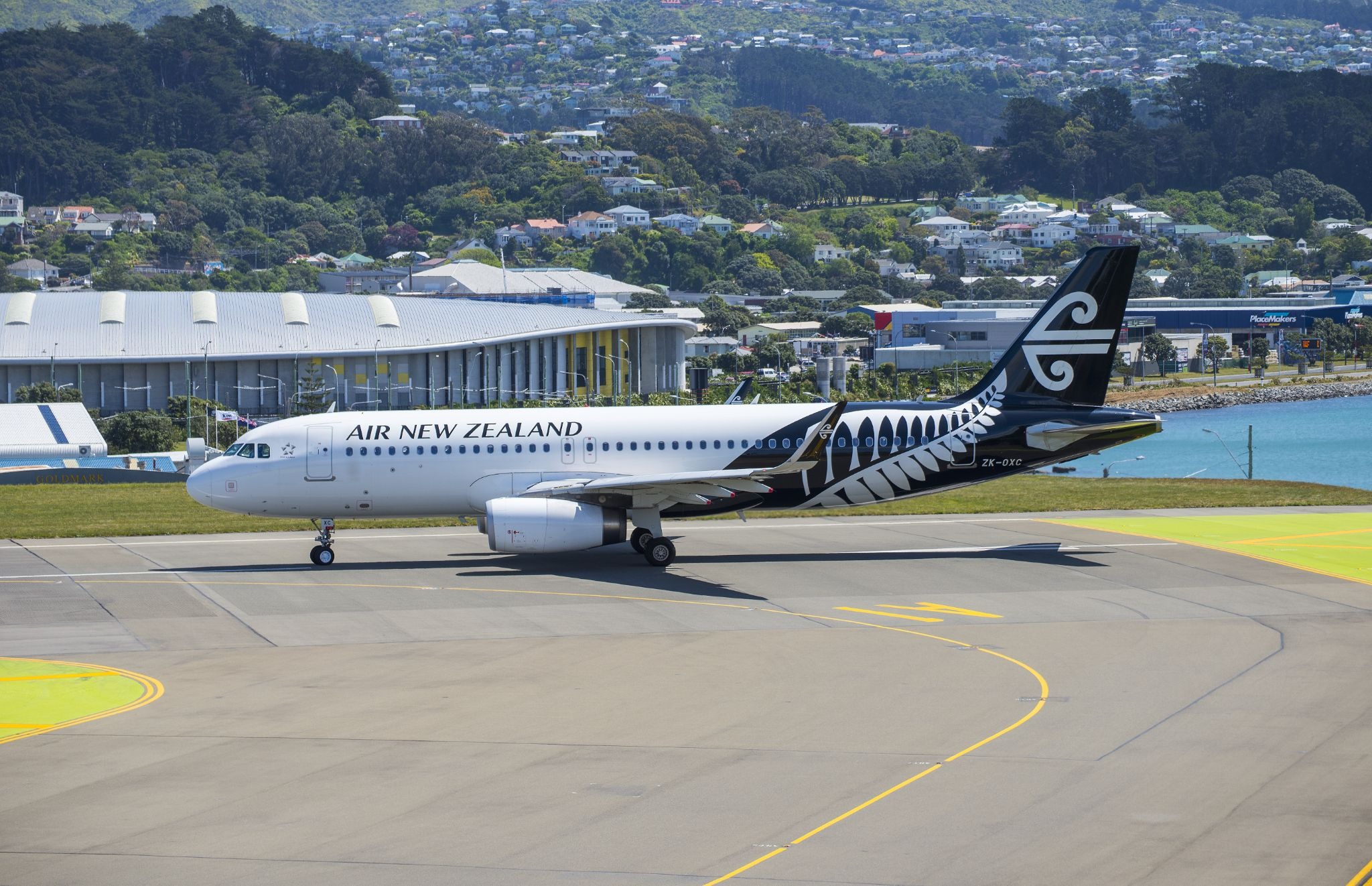
Air New Zealand's NZ7 flight on September 7, 2026, would have been a Boeing 787-9 from San Francisco (SFO) to Auckland (AKL). Just before the flight left the ground, travelers were sent an e-mail stating that the pilot assigned to the flight had been unable to do so due to illness.
It seems on the surface to be a perfectly reasonable explanation. Pilots do not only get sick, but this crew was on a layover on the other side of the Pacific. A last minute find of an Air New Zealand pilot in California was not easy to come by, so a cancellation wasn't at all a surprise.
The Story Behind the Sickness
As the time went on, there started to be some reports that the two pilots had gotten into some kind of a fight during their layover in San Francisco, and they were not able to work together. It was a matter that Air New Zealand knew about between two off-duty crew members in the United States; it was under investigation, said Nathan McGraw, Air New Zealand's Chief Safety and Risk Officer. He also quickly emphasized there was no incident on board the airplane.
That's the subtle effect of the sentence. This airline did not use the term 'fight', but said that an 'event' had happened between crew members. That doesn't sound much like a simple case of the flu.
What Happened to the Passengers?
The practical consequence for travellers was one whole day delay. The plane was rebooked for the next day's flight as a substitute crew had to be brought in from another location and then be required to have a night's rest before they are able to fly the trip.
A nice reminder of the precariousness of airline scheduling. The loss of a crew member on a long-haul flight can end up as a cancelled flight, numerous rebookings, and an abundance of frustrated passengers who have to deal with hotel changes and lost connections. If it occurs at a hub away from home base, then the repair process is even more time consuming.

Reported Details vs Confirmed Facts
The airline has not revealed much and much of the detail is from word of mouth among pilots. Here, it's important to separate the confirmed from the unconfirmed, so here's a breakdown.
Confirmed by the airline/regulator:
- The flight was cancelled and passengers were rebooked for the next day.
- An off duty incident involving two crew members is being investigated.
- There was no incident onboard the aircraft.
- New Zealand's Civil Aviation Authority (CAA) has been notified.
But not confirmed:
- It first began on the previous flight from Auckland to San Francisco.
- It began as a "hot topic" of union issues.
- One pilot reported the other to the company and things went physical at the layover hotel.
- Both pilots were flown home, one reportedly on each different airplane.
The second group needs to be treated with caution. It's the version that is widely believed among pilots, no one outside the airline can confirm.
How can pilots be so split?
As odd as it may sound, it makes sense. Pilots are typically rotated with other crewmembers on each flight and as you know, personalities don't always mesh. There are not necessarily people who get along equally well and a long-haul flight involves a lot of time in a relatively small space.
That is why pilots are required to undergo crew resource management training. It teaches them to focus on safety and to collaborate with one another so that friction will not get in the way of their performance. It is generally very effective, in nearly all instances.
Nevertheless, pilots are human. Cancellations caused by crew disputes are extremely rare, but every so often one makes the news. If two pilots really cannot work together, then it's better to keep them on the ground than in a cockpit where cooperation may cease. In that respect, it's possible that the cancellation is really an example of the safety system in action.
What was the reason the Airline did not speak up?
Air New Zealand has not been all too generous, and that's OK. It's not often that internal staffings and personnel issues are made public, and even less often during an investigation. There are also legal and privacy considerations for companies to hold back and potentially half-confirmed information could make things worse.
Meanwhile, there was a hole left in the initial explanation of the "sickness" and rumors filled that breach. If this was just a bit more openness from the beginning, the airline might have avoided some of the embarrassment. Even though it was not a detailed or lengthy comment, it could have been an honest one that there was a crew matter under review instead of leaving the speculation to fly around.
What Comes Next
The Civil Aviation Authority has stated that all information submitted to it will be taken into account, and they will then determine if they need to take regulatory steps. At the time of writing there is no decision yet, so the final result remains unknown.
No matter what it is, it's going to be closely followed by the airline industry and by frequent fliers. In this incident, or others, it's a bigger issue of tension in the workplace, labor relations, and airlines' response to conflict when employees are away from home.
- If your flight is cancelled without notice, here are some tips to help you.
- The lessons for travellers are practical although this was unusual. There are a few habits that could help to make a surprise cancellation a bit easier.
- Always monitor your email and app from the airline, as rebook opportunities are sent to you first.
- If you will be stuck overnight, request assistance with hotel and meals from the airline.
- Hold on to any additional expenses as this may be useful if you have to ask for reimbursement in the future.
The Bottom Line
It began as a mundane "sick pilot" cancellation and became a saga of a potential crew conflict, an on-going investigation and a regulator yet to determine its next steps. So far, there is a lot of unconfirmed information and it is advisable to wait for the official results before making any definite statement.
The bottom line for now is simplicity. Two professionals allegedly failed to work together, so the flight was grounded as a better alternative than the other one. To the passengers, it's just another reminder that even the smoothest journey could take a sudden turn for the worse.
DISCOVER THE RIGHT CARD FOR YOU.
Explore our card recommendations and find a credit card that suits your personal needs.
Browse card categories
.jpg)
.jpg)
.jpg)
.svg)