.svg)

Why Air Canada Is Dropping Singapore
.jpg)
%20(1).svg)
It's been a moment for ultra long haul flying. World airlines continue to extend their long-distance schedules and passengers continue to take them up on offer. So less than three years after making its maiden journey, it's a surprise when Air Canada calls it a wrap on its most ambitious route.
The Vancouver to Singapore flight is now hovering on the brink of extinction as it hits the sunset as with all the other flights, says schedule changes that were first noticed by AeroRoutes. What was happening, why it might have had trouble, and what it means if you had counted on this nonstop.
The Quick Facts
- Let's start with the "why" without getting into too much detail at this point:
- Last flight date: The route will run through 24th January 2027.
- Launch: Service began in April 2024, so it will have run for just under three years.
- Days of the week: 3-5 times per week, depending on the season.
- Aircraft: Usually a Boeing 787-9 Dreamliner
- Distance: Approximately 7,967 miles with up to 16 hours and 45 minutes scheduled in block time.
By the calendar, AC019 departed Vancouver late at night and touched down in Singapore early in the morning two days later, meanwhile, AC020 had left Singapore in the morning and arrived in Vancouver in the morning local time.Once this flight concludes, it will not be possible to fly directly between Canada and Singapore any more. So, that's also the end of Air Canada's longest route.
Why is it so difficult to make a flight like this work?
Air Canada, as a company, has a lot going in its favor. Vancouver is among the top North American ports of call for flying to Asia. It has a solid hub there, and its cost structure is considered to be friendlier than that of its big US competitors. In the past several years, the airline has established a worldwide network much larger than a carrier of its size.
But, a 17-hour flight is a different ballgame to a normal long haul flight. Huge amounts of fuel are consumed on board the plane, leaving less space for revenue. Both seats and bags are having to work harder to afford the journey. That's why these routes typically only work if there's a consistent flow of paying customers in need of a direct connection from A to B.
There is a real demand between Vancouver and Singapore, but it might not be enough of the right kind. Those who follow the journey suggest some potential downside risks ahead:
- Price-sensitive travelers. Much of the interchange between the two cities is tourism or visiting family, and travelers often book the cheapest ticket.
- Strong one-stop competition. There are also several Asian airlines that fly from Vancouver to Singapore from their home base, and some will have a lower price than Air Canada.
- Limited cargo capacity. A 787 with such a long flight has little room for cargo, so freeing up some cargo may not have been much of a help.
- Fuel costs. Fuel costs are still high, a problem that is particularly severe on a route that sees a high fuel consumption.
None of these individually constitute a smoking gun. As a group, however, they create a picture of a journey that was always going to be difficult, and made it more difficult at the last minute.
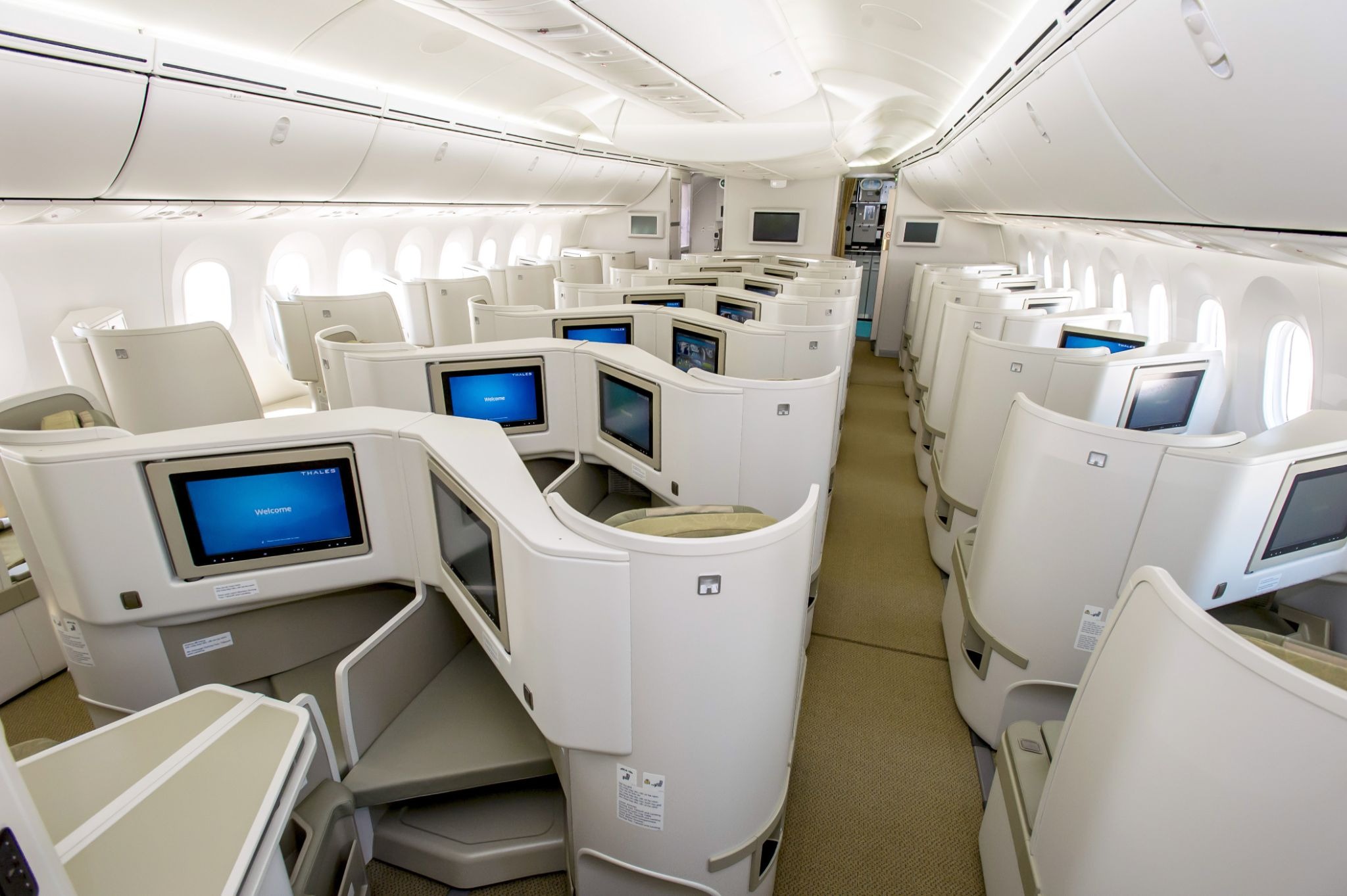
The Connection Problem
Air Canada also touted this flight as a means for customers to travel beyond Vancouver, from Singapore to destinations across Canada and the US. This is all well and good in theory, but difficult on the economics of ultra long haul connections.
Consider how travelers would view this. On a flight from Toronto to Singapore, you can already choose from numerous one-stop routes on other airlines that can be cheaper, and not involve a punishing layover on the second leg of your journey. If the connecting passenger would need to catch a flight at a different airport later, the nonstop flight is not a huge benefit and the savings by skipping one stop are relatively small. So it's difficult to sell out a plane with just connections.
What It Means for Travelers
If you have made a reservation for this flight, please verify your reservation and stay tuned for any announcements from Air Canada. Usually, airlines can provide rebooking or refunds in case their flights are cancelled, but the conditions are subject to fare and date.
You will need to rope, tie and unfasten ropes again in the future on a trip. There will be some others who will get through other Asian hubs or go through the US and Canadian gateways; this will take longer but may be more flexible in terms of fares. Singapore is the end of the line for Aeroplan points and other miles and availability may vary, so check in advance.
The cut is also an important factor in Vancouver. It's the only Canadian city with a direct flight to Singapore, and without it, there's a convenient path for business travellers and families with connections in Southeast Asia lost.
A Different Story in Bangkok
Not all the Asia routes have taken this path. The Vancouver to Bangkok flight began in the season and is now regular, indicating that Air Canada has discovered a more consistent formula in that region. Bangkok is more accessible, has high leisure demand, and makes a good gateway to other areas of Southeast Asia.
That is a reminder that distance is not the final factor. The success or failure of a route will depend on the individuals who fly it, how much they're willing to shell out for, and how many other people are doing a similar trip.
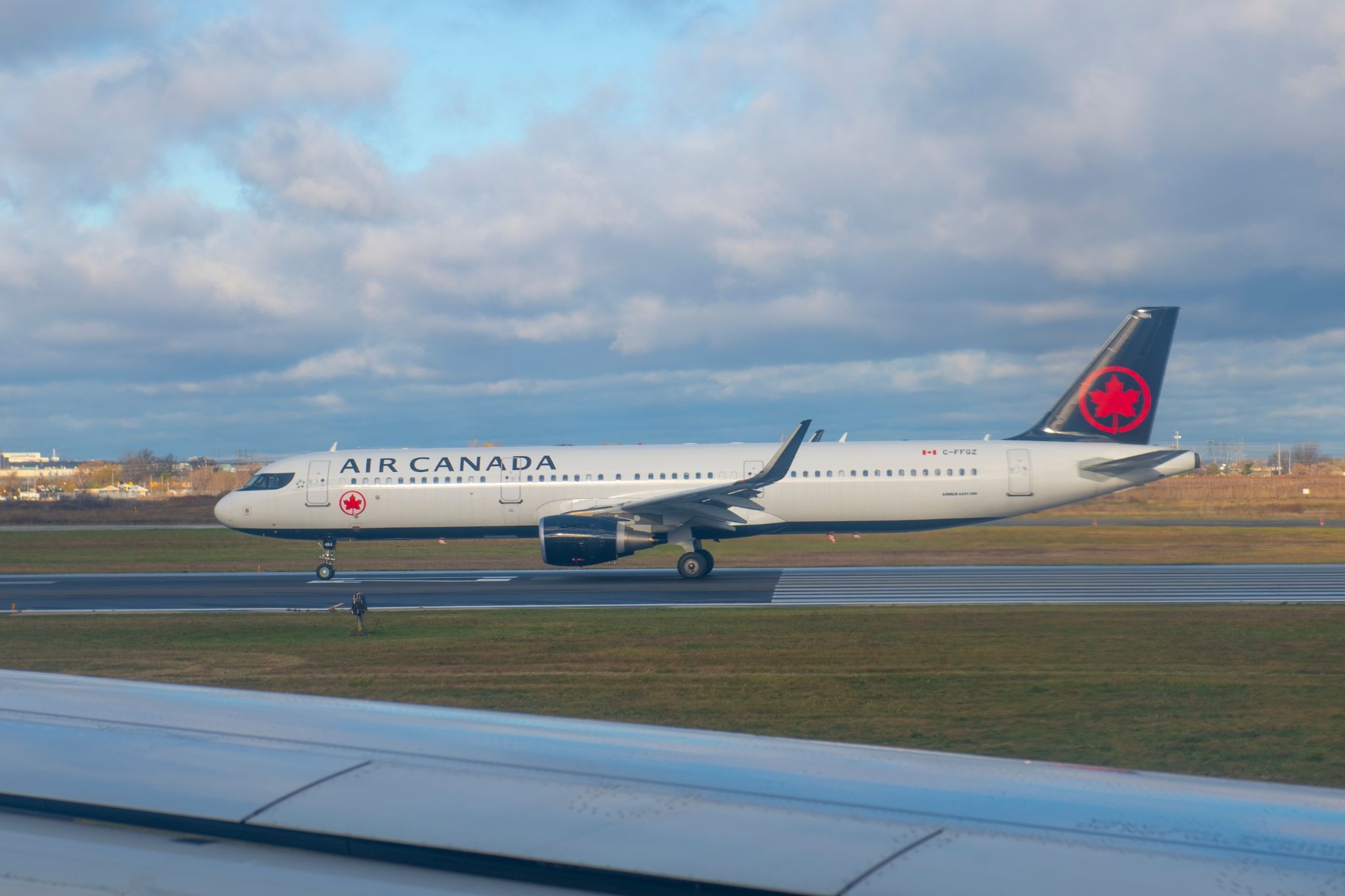
The Bottom Line
The conclusion of the Vancouver-Singapore route with Air Canada after a mere three years is testament to the brushtempered nature of ultra-long haul flying. The route had unit cost advantages, good aircraft and demand, but it was also price competitive, cargo short and had a difficult fuel market. The numbers were probably never high and only declined since.
Much of this is educated speculation as the airline has not outlined its reasoning. What's certain is that after January 24, 2027, there will be no direct way to fly between Canada and Singapore. If that is a trip you have in mind, it would be wise to make it sooner than later, and watch how Air Canada will revamp its Asia network from here.
DISCOVER THE RIGHT CARD FOR YOU.
Explore our card recommendations and find a credit card that suits your personal needs.
Browse card categories
.jpg)
.jpg)
.jpg)
.svg)