.svg)

Air Canada's Big 2026 Shake-Up: Complete Overhaul of Rouge and Mainline Fleets

%20(1).svg)
Air Canada is getting ready for one of the biggest fleet changes in recent times, a change that will dramatically alter how both Air Canada Rouge and the mainline carrier fly. The airline just released new details confirming when its Boeing 737 MAX aircraft will officially move to Rouge, how its existing Airbus fleet will be restructured, and what consumers can expect when these changes take hold.
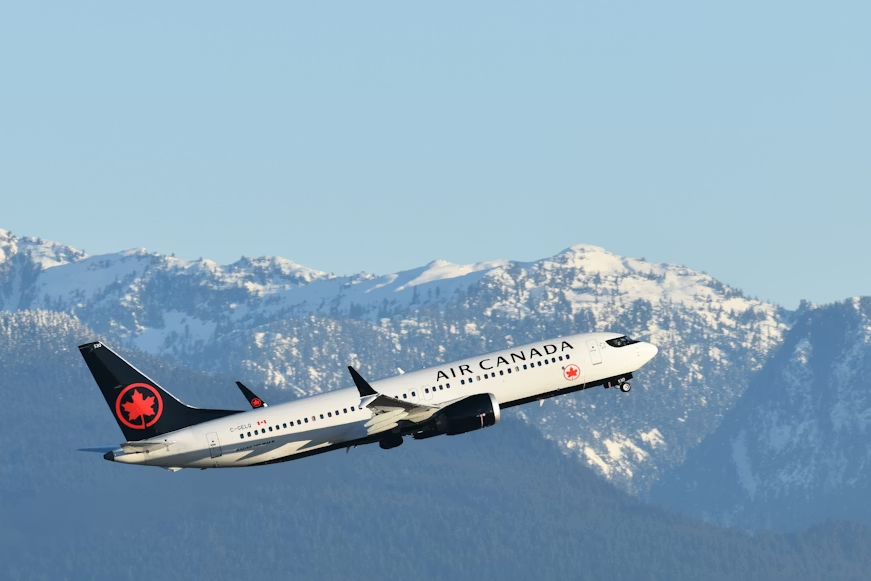
This strategic shift is more than an aircraft swap: it means creating a cleaner, more uniform fleet and improving the travel experience while boosting operational efficiency in a time when airlines are fighting for cost stability and customer loyalty. Below is a deep dive into what's changing, why it matters, and how the future of Air Canada is being reshaped for 2026 and beyond.
Rouge Set To Become an All-Boeing Operation
For years, Air Canada Rouge has relied on Airbus A319, A320, and A321 aircraft to serve its leisure-oriented network. The sub-brand - built both to compete with low-cost carriers and operate in vacation-heavy markets - has always operated with a distinctly different fleet profile than its parent.
But that's about to change dramatically.
Air Canada has reaffirmed plans to shift all Boeing 737 MAX 8s currently flying under its mainline brand to Rouge beginning in 2026. The Boeing 737 MAX 8s comprise the airline's biggest single narrow-body fleet type, consisting of 47 aircraft that are already in service and five more on order. When all mainline 737 MAX 8s have been transitioned to Rouge, the carrier won't operate any Airbus narrow-body jets anymore.
It was initially expected that such a change would be complete by no later than 2028, but on an accelerated timeline, this is now happening two years earlier-a testament to how aggressively Air Canada is pursuing this period of new growth and cost realignment.
Why the Switch Makes Financial Sense
According to Air Canada, the Boeing 737 MAX has a 20% lower cost per available seat-mile relative to Rouge's existing A320-family aircraft. For a budget-focused operation, that difference is enormous. With lowered operating and fuel costs, Rouge can better compete with rival LCCs, expand the airline's service footprint, and provide more consistent pricing for leisure travellers.
This transition will also include the opening of a new Rouge crew base in Vancouver, a clear indication that Air Canada plans a more ambitious West Coast strategy for its budget arm.
What Travelers Can Expect On Rouge’s New 737 MAX Aircraft
Rouge's current planes aren't exactly known for top-notch onboard features: no seatback screens, limited amenities, and cabins that show their age. Refreshed 737 MAX jets will completely rewrite that narrative.
A New Cabin Layout
The current Air Canada 737 MAX configuration is:
- 169 in total
- 16 business class seats
- 153 economy class seats
The new layout after conversion to Rouge will be:
- 177 total seats
- 12 business class seats
- 165 economy-class seats
To shoehorn in two additional rows of economy, Air Canada is eliminating one row of business class. A typical low-cost move, to be sure. Parts of the cabin will see a slightly tighter seat pitch, but Rouge confirms that all seats-yes, even economy-will retain reclining capability.
Major Upgrade in Passenger Experience
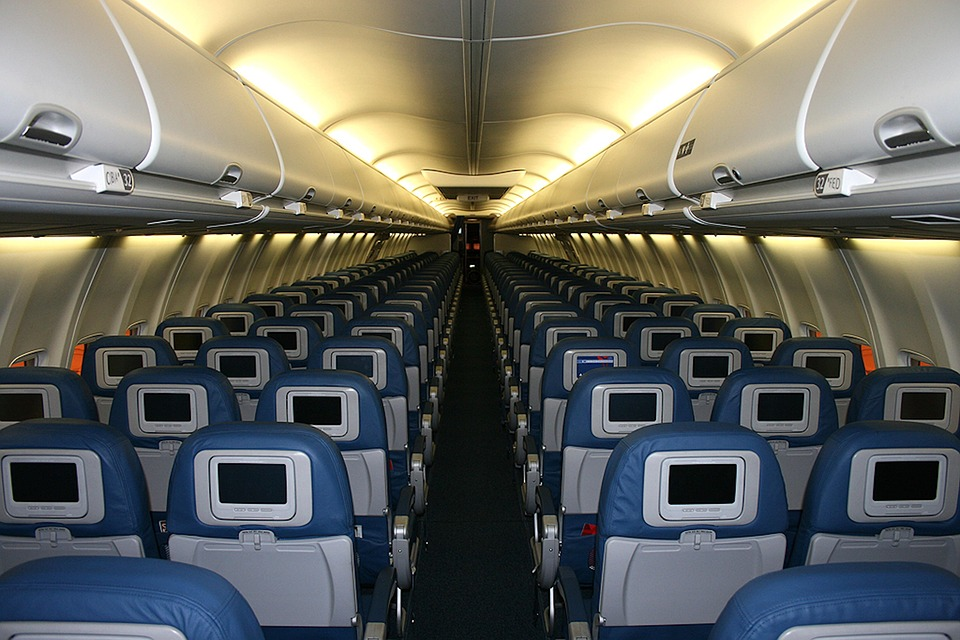
Surprisingly, the denser layout means passengers will actually have a better experience than on Rouge's existing Airbus aircraft. Key improvements include:
- Seatback entertainment screens on every seat
- Free high-speed Wi-Fi for all Aeroplan members
- Modern lighting, power ports & refreshed interiors
This will mark the first time Rouge has offered seatback TVs in years, putting the brand more in line with modern low-cost competitors who have upgraded their inflight tech.
These upgrades count, especially as Rouge expands: more than 50 aircraft will be joining the fleet in the coming years, and this new 737 MAX fleet will form the backbone of Rouge's broadening network.
Air Canada Mainline to Become All-Airbus Narrow-Body Operator
While Rouge slides over to Boeing, Air Canada's mainline fleet is having its own identity shift-one that is both simplifying and modernizing the airline's fleet structure.
As Rouge returns its Airbus A320s and A321s, Air Canada will retrofit those jets with the airline's latest-generation cabin interiors to bring consistency to the mainline brand.
Here's how the mainline narrow-body fleet will look moving forward:
Growing the A220 Fleet
Air Canada operates 37 Airbus A220-300s, with 28 more on order. And these fuel-efficient jets have quickly become a passenger favorite due to:
- Quieter cabins
- Wider seats
- Big windows
- Advanced fuel efficiency
The A220 is expected to play a major role in domestic and transborder expansion.
Renewed A320 and A321 Operations
Air Canada intends to:
- Keep 17 existing Airbus A320s
- Add five refurbished A320s coming from Rouge
- Operate 20 A321s currently in service
- Add 10 refurbished A321s from Rouge
All these jets will be equipped with the airline's latest cabin designs, ensuring product consistency throughout its core narrow-body fleet.
Arrival of the A321XLR
Perhaps one of the most highly-anticipated fleet additions is the Airbus A321XLR, or extra-long range. Air Canada has 30 on order, with deliveries expected to start very soon.
These will be flexible aircraft capable of operating:
- Domestic routes
- Canada–U.S. transborder flights
- Also, some of the long-distance routes reserved earlier for wide-body international flights
This opens new non-stop linkages from Canada's mid-sized cities to destinations in both Europe and South America.
More Upgrades Coming to Regional Flights
Air Canada isn't stopping with Rouge and mainline. Its regional partner, Jazz, which operates Air Canada Express flights, will also roll out new cabin interiors starting in 2026.
- Highlights include:
- Upgraded seats
- New cabin finishes
- High-speed Wi-Fi throughout the regional network
These improvements are part of Air Canada's broader longer-term vision: to provide a consistent experience on its flights, regardless of whether the passenger flies on Express, Rouge, or mainline.
Leadership's vision for a more consistent Air Canada
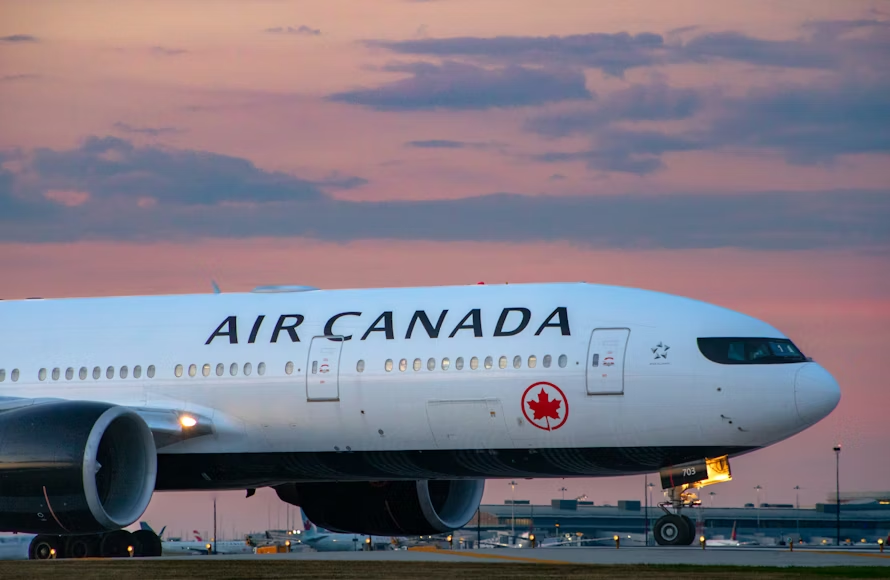
Mark Nasr, EVP and Chief Operations Officer at Air Canada, emphasized that everything being redesigned is done for a reason: to fulfill the commitment to the customer experience. As he said:
"When customers step onto an Air Canada aircraft, they should instantly feel a sense of comfort, care and pride… Whether traveling for business, leisure or something in between, every update is designed with our customers in mind."
This view fully expresses the clear aim of differentiation by Air Canada within the competitive environment of North American aviation.
Final Thoughts
For Air Canada, the move of all Boeing 737 MAX aircraft to Rouge and with it, the shifting of mainline narrow-body flying entirely onto Airbus aircraft marks a turning point. The bold and practical changes will likely begin simplifying its operations while enhancing the passenger experience across the board.
New entertainment options, new Wi-Fi capabilities and refreshed cabin interiors are among some of the biggest gains that customers at the Rouge segment of service will notice.
If Air Canada lives up to its aggressive timeline, 2026 could go down as one of the most transformative years in the airline's history.
DISCOVER THE RIGHT CARD FOR YOU.
Explore our card recommendations and find a credit card that suits your personal needs.
Browse card categories
%20(1).jpg)
.svg)